

World’s Largest Pet Walk 2026: HardyPaw’s Top Picks for a Comfortable Walk
Atamjeet Kaur 10 min read

The World’s Largest Pet Walk 2026 is just around the corner, and it's not just about putting paws to pavement. It's about doing it comfortably, safely, and with gear you can count on. Whether you’ve got a tiny pup or a giant companion, the right leash, harness, and footwear make all the difference.
You and your pet should enjoy every step – without discomfort or hassles. To ensure you all have the best time, we bring to you our best walking gear picks, safety tips, and strategies so you’re fully prepared.
But first, where did the World’s Largest Pet Walk come from?
Key Takeaways
How did the World’s Largest Pet Walk Begin?
It all started with a simple but powerful idea: pets make life better. Pet Partners, a nonprofit dedicated to therapy animals, launched the World's Largest Pet Walk to celebrate that bond while raising support for its mission.
Every year, therapy animals, like dogs, cats, miniature horses, and even llamas, visit hospitals, schools, nursing homes, and communities in need.
For the people who need it most, these visits bring something simple but powerful: comfort, healing, and joy. The walk was built around two goals, bringing pet lovers together and funding programs that make a real difference.
Step out with your pet, and you're contributing to something much bigger than a walk. Every mile helps Pet Partners train and support therapy teams doing genuinely meaningful work. So, in 2026, when you gear up with HardyPaw and hit the trail, remember – you’re not just walking for fun, you’re walking for a cause that touches lives across the country.
How Do You Prep Your Dog for a Crowd of Hundreds of Other Pets?
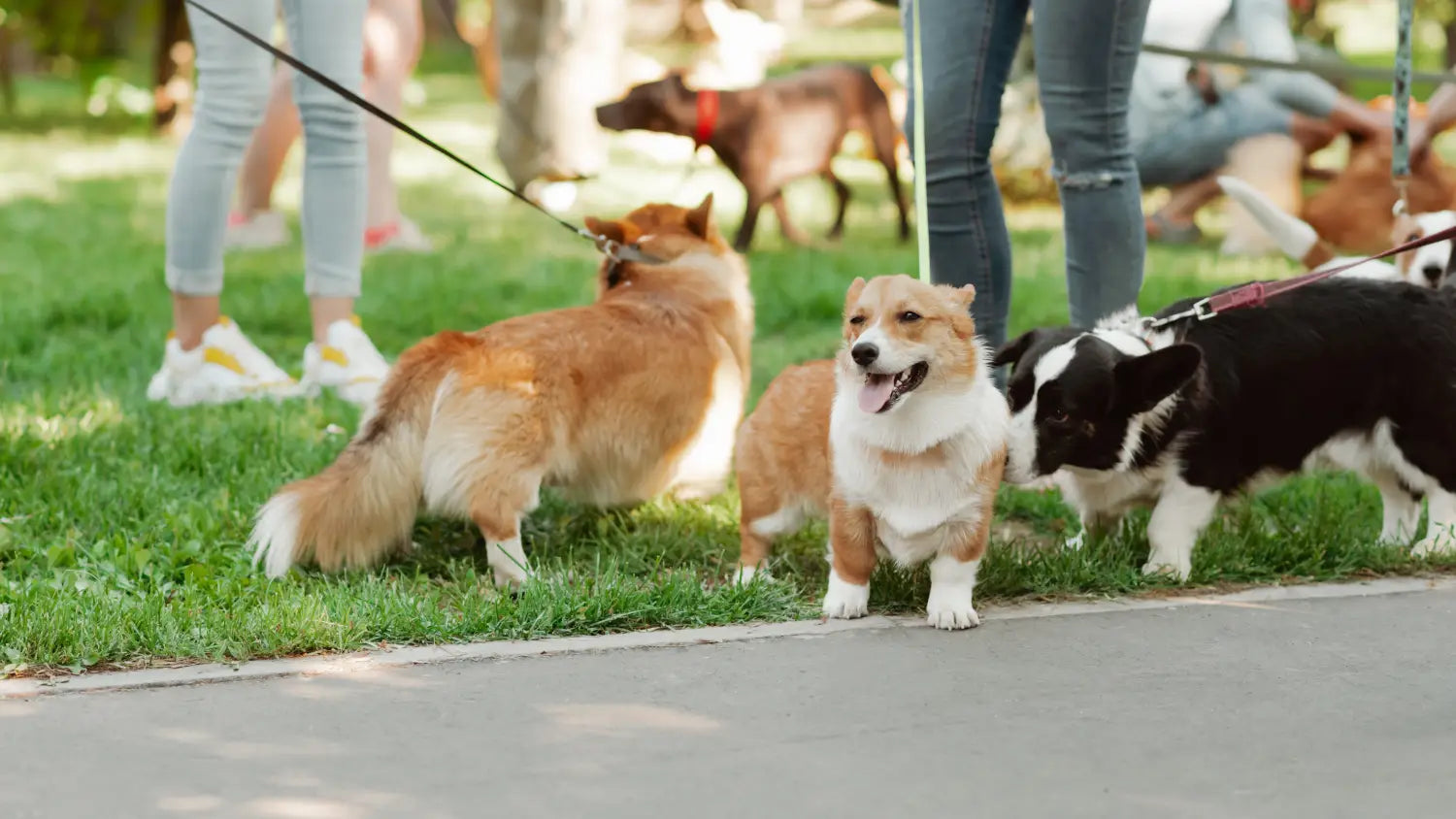
The World's Largest Pet Walk means exactly what it sounds like: hundreds of dogs, unfamiliar smells, and a lot of noise in one place. Even a well-socialized dog can find that overwhelming, so a little crowd-safety prep goes a long way toward keeping the day fun instead of stressful.
Decompress Before the Crowd Builds
- Show up early and take your dog for a short walk in a quiet spot before the crowd gathers.
- Easing in calmly lowers the odds of leash reactivity showing up once things get more packed.
Watch for Early Signs of Dog Anxiety
- Tucked tail, pinned ears, excessive panting, or freezing in place are all signs of stress, not stubbornness.
- If you notice these signs, it's fine to hang back from the densest part of the crowd rather than pushing through it.
Signal to Other Walkers That Your Dog Needs Space
- A yellow ribbon or bandana tied to the leash is a widely recognized signal in the dog community for "give me space," useful for reactive dogs, dogs in training, or pets simply overwhelmed by other animals.
- Keep a leash-length of distance from other dogs at check-in tables and starting lines, where crowding tends to be worst.
Pack for Sensory Overload
- A calming aid can help nervous dogs manage the noise and unfamiliar scents of a mass pet-friendly event.
- Keep high-value treats on hand to redirect attention if your dog fixates on another animal nearby.
HardyPaw's Calming & Comfort Picks
- ThunderShirt Anxiety Solution – gentle, swaddling pressure that helps dogs feel secure in loud, crowded settings.
- Halcyon K9 Calming Spray – a fast-acting pheromone spray you can apply to a bandana or leash shortly before the walk starts.
- ThunderEase Calming Pheromone Spray – vet-recommended, over 90% effective at reducing situational anxiety.
- ZeniDog Long-Lasting Calming Collar – continuous-release pheromone support for dogs who need calming help throughout the whole event, not just at the start.
Which Type of Leash is Best for You and Your Dog?
Standard vs. Retractable: Which one for your companion?
- Standard leash: more control, safer in crowds, better for leash training.
- Retractable leash: gives your dog freedom to explore, but can be risky if they pull hard or if you’re in busy/urban settings.
Material Matters: What Should Your Leash Be Made Of?
- Nylon: durable, lightweight, easy to clean.
- Leather: lasts long, softens over time, classic look.
- Eco-friendly options: recycled fabrics, sustainable materials; good for the environment and often breathable.
Length and Width Guidelines by Breed Size
- Small breeds: narrower width, shorter length.
- Medium breeds: middle ground – suitable for both exercise and city walking.
- Large breeds: thick, sturdy leash, possibly longer so they have room, but you still have control.
HardyPaw’s Leash Picks
- Heavy-Duty All-Weather Leash – built for large breeds and resistant to rain, mud, and tugging.
- Lightweight Training Leash – ideal for small breeds or puppies working on loose leash walking.
- Reflective Runway Leash – stays visible in low light; great for early morning or evening walks.
Do You Need a Collar, Too? Choosing the Right One for Walk Day
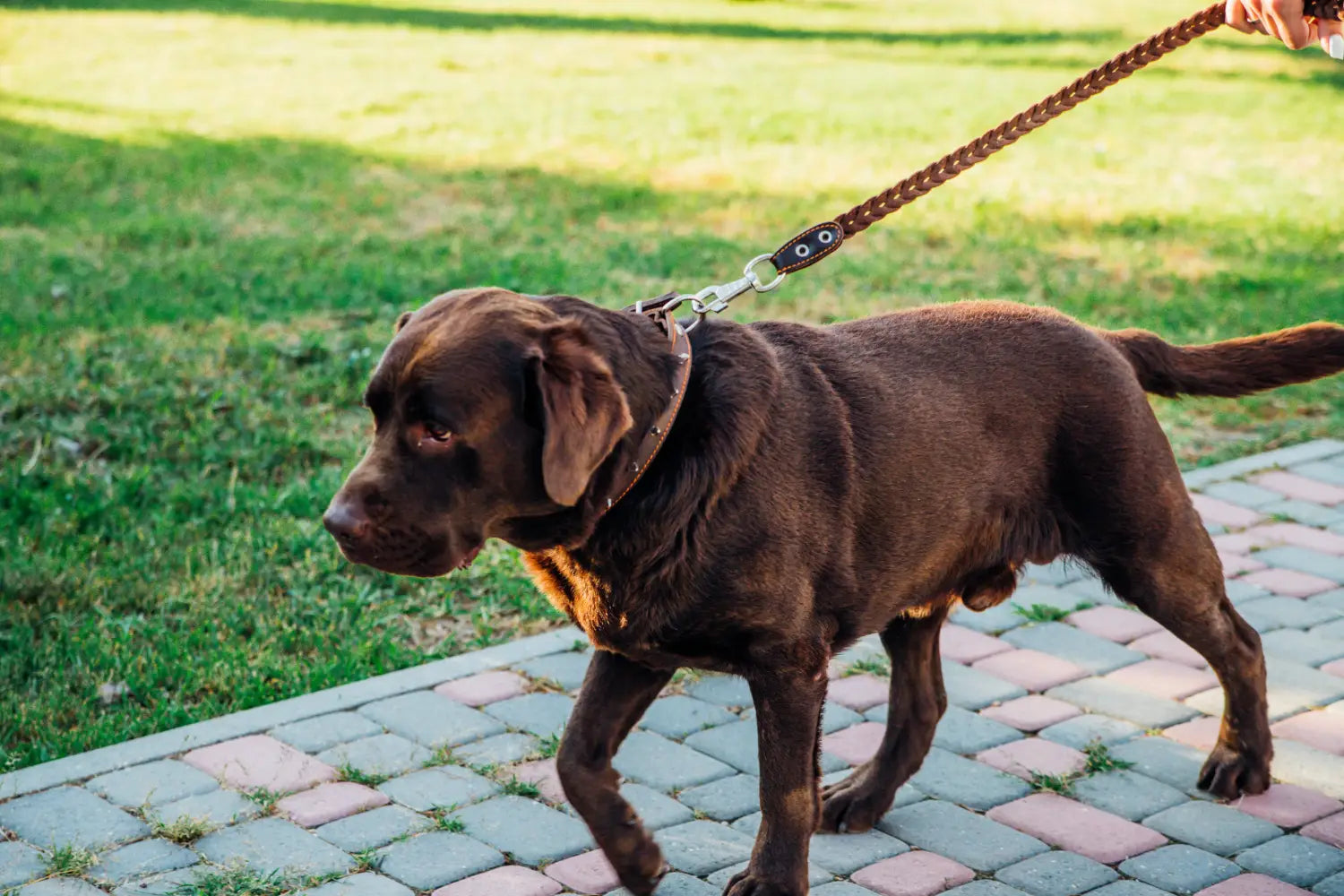
Leashes and harnesses often steal the spotlight, but a good dog collar still plays an important role, holding ID tags, backing up microchip info, and keeping your dog secure around unfamiliar pets in a crowd.
Flat Collar vs. Martingale Collar: What's the Difference?
- Flat collar: the everyday standard, best for holding ID tags and rabies/license tags; ideal for calm walkers who don't pull hard.
- Martingale collar: tightens gently under tension so it can't slip over the head; a popular choice for escape-proof dog collars, sighthounds, and any dog prone to backing out of a standard collar.
- Breakaway collar: releases under strong pressure to prevent choking if the collar snags; a good safety feature for dogs who play rough or get tangled easily.
Collar and Harness Combos for Extra Security
- Clip the leash to both a collar and a harness for extra backup control, particularly helpful in crowded conditions such as a large public walk, where unexpected pulling or startling is more common.
- This approach is especially useful for leash-reactive dogs, breeds prone to escaping, or dogs that are still settling into a new home.
ID, Visibility, and Safety Add-Ons
- Double-check that ID tags list a current phone number, and confirm your dog's microchip information is up to date before a large event.
- Reflective collars or light-up attachments add visibility during early-morning or dusk portions of the walk.
HardyPaw's Collar Picks
- PetSafe Nylon Martingale Collar – a gentle, escape-resistant choice for dogs that often manage to slip out of regular collars.
- Browse HardyPaw's full Collars, Harnesses & Leashes collection for flat collars, ID-tag-ready designs, and breakaway safety options in every size.
How to Pick a Harness that Fits Well and Supports Your Dog?
Back-Clip vs. Front-Clip Harnesses: What’s Right for Your Walk Style?
- Back-clip harnesses are great for calm walkers who stick close.
- Front-clip harnesses help reduce pulling; they give more control in busy areas.
Fit and Adjustability: Do You Know How to Measure Your Dog?
- Measure neck girth and chest girth (widest part). Some harnesses also ask for body length.
- The golden rule: you should be able to fit two fingers under every strap that is snug but not tight.
Padding and Breathable Fabrics for Long Walks
- Look for designs with padding under straps, breathable mesh, or moisture-wicking materials so there’s less rubbing.
HardyPaw’s Harness Standouts
- No-Pull Harness – excellent for dogs that pull, with front-clip option and extra padding.
- Step-In Breathable Harness – lightweight, easy on and off; great for active breeds.
- Adjustable Adventure Harness – grows with puppies; lots of adjustment points; built for trail walks.
When Does Your Dog Really Need Boots or Socks?
When and Why Dogs Need Boots or Socks
- Hot pavement or asphalt can burn paw pads.
- Snow, ice, salt, or sharp terrain (rocks, gravel) can hurt paws.
- Long or rough trail walks, or for dogs with sensitive paws.
Sizing Guides: How to Get the Perfect Fit for Paw Protection
- Trace your dog's paw shape on a sheet of paper, then measure it for width and length.
- Boots need to sit snug but not tight, with room for the toes to move, and socks should stay on without slipping.
Terrain Considerations: What Type of Footwear for Which Surface?
- Urban concrete: needs protection from heat and abrasion.
- Trails: grip, rugged soles are helpful.
- Wet or marshy ground: waterproof boots/socks.
HardyPaw’s Footwear Favorites
- All-Terrain Paw Protectors have rugged soles and a good grip for mixed terrain.
- Waterproof Trail Boots – sealed seams, waterproof lining.
- Cooling Gel-Lined Socks – help with hot surfaces; keep paws cool during summer walks.
How to Match Gear to Breed and Activity Level
- High-energy dogs: A front-clip harness with no-pull features and a sturdy leash helps manage their energy.
- Low-energy dogs or seniors: Softer, padded gear with a simple design that's easy to put on works well.
- Small breeds: Lightweight, breathable harnesses and smaller straps or leashes suit them well.
- Medium breeds: A mix of durable and comfortable gear tends to offer the most flexibility.
- Large breeds: Strong materials, heavy-duty support, and reinforced stitching hold up best.
Bonus Tips for a Successful Walk
- Safety add-ons: A reflective collar, a bright ID tag, updated microchip info, and a compact first-aid kit go a long way.
- Break-times & hydration: Bring a collapsible bowl for water, and build in a break every 20 to 30 minutes on hot days.
- Maintaining & cleaning gear: wash harnesses/leashes after muddy walks; check for wear or fraying; store boots properly.
Final Lap
Choose the right leash, harness, and footwear to have a fantastic time at the World’s Largest Pet Walk 2026. Match to breed, activity level, and terrain. With HardyPaw’s top picks – from padded no-pull harnesses to reflective runway leashes – you’ll walk in style and comfort.
We can’t wait to see you strut your stuff (and your pet!). Make sure to register for the event and share your walk-day photos on social platforms using the hashtags #PetPartners, #WorldsLargestPetWalk, and #HardyPawWalk.
Frequently Asked Questions
Q1: How do I measure my dog for a harness?
Ans: Measure your dog’s chest girth (at the widest part, just behind the front legs) and neck girth. Use a soft tape, ensure it’s not tight, and allow enough space for two fingers under the straps. Refer to HardyPaw’s size chart for exact fit.
Q2: When is the World's Largest Pet Walk?
Ans: The World's Largest Pet Walk 2026 takes place on Saturday, September 26, 2026. It's designed to be flexible, so participants can walk at any time and in any location that day, whether that's a walk around the block, a group event with coworkers, or a hike with just you and your pet.
Q3: Are retractable leashes safe?
Ans: They can be safe when used properly – on calm, trained dogs, in open spaces with good visibility. But in crowded areas or with dogs that pull or dart, they pose risks like tangling or sudden jerks.
Q4: What’s the difference between front-clip and back-clip harnesses?
Ans: A back-clip harness attaches to the dog’s back and is good for casual walking. A front-clip harness attaches at the chest and helps reduce pulling, improve control, especially in busy or challenging walking conditions.
Q5: When should a dog wear boots or socks?
Ans: When walking on hot pavement, icy or salted sidewalks, sharp rocky terrains, or during long trail hikes. Also, for dogs with paw pad injuries or sensitive feet, to prevent cuts and burns.
Q6: How wide should a leash be for my dog?
Ans: Leash width depends on your dog’s size and strength. Small breeds do well with narrower leashes (½ inch or less), while large, strong breeds need wider, thicker leashes for durability and comfort.
Q7: What gear is best for dogs that pull a lot?
Ans: Look for a no-pull harness (often front-clip), padded chest and belly straps, and a strong leash with shock-absorbing material. A padded no-pull harness + heavy-duty all-weather leash combo would work great.
Q8: How often should I replace walking gear like harnesses and boots?
Ans: Replace whenever there’s visible wear (frayed straps, cracked fasteners, split soles) and after harsh weather (snow, salt, rain). Even good gear degrades – safety comes first.
Related Articles


Recent Articles