Premium Prescription Dog Food for Healthy Pups to Seniors
When your dog has ongoing health concerns such as digestive problems, kidney disease, or food sensitivities, their diet can become an important part of their care. HardyPaw offers prescription dog food from brands such as Hill's Prescription Diet and Royal Canin Veterinary Diets, as well as hypoallergenic and allergy-friendly formulas for specific dietary needs. These diets are made for particular health conditions and should be used under veterinary guidance.
Types of Prescription Diets
Every health concern requires a different nutritional approach. This section explains our collection's most popular veterinary diets and what each one helps manage.
1. Digestive and Gastrointestinal Health
- Hill's Prescription Diet Digestive Care and Hill's i/d: Formulated to support healthy digestion and nutrient absorption.
- Hill's i/d Low Fat: A lower-fat option for dogs with certain fat-sensitive digestive conditions.
- Royal Canin Gastrointestinal: Includes formulas with lower fat levels and balanced fiber for digestive support.
2. Kidney and Liver Support
- Hill's Kidney Care (k/d): helps slow kidney disease progression.
- Hill's Liver Care (l/d): formulated to take pressure off the liver and support its day-to-day function.
3. Urinary Health
- Urinary Care Dog Food: Designed to break down struvite stones and keep the urinary tract in better working order.
- Royal Canin Urinary Diets: Work to reduce crystal buildup and address recurring bladder problems.
4. Food Sensitivities and Allergies
- Hydrolyzed Protein Diets: process proteins into fragments small enough that the immune system generally doesn't recognize them as a threat.
- Limited-Ingredient Recipes: make it easier to identify what is causing a reaction and cut it from the diet.
- Dog Food for Allergies: used for chronic itching or digestive upset caused by specific ingredients.
Choosing the proper therapeutic diet helps manage your dog's symptoms and supports better outcomes alongside veterinary care.
Benefits of Prescription Dog Food
- Targeted Health Support: Formulated with carefully controlled nutrients to support dogs with specific conditions including kidney disease, pancreatitis, or heart problems.
- Gentler Digestion: Digestive care recipes are gentler on the gut and help the body get more from what it eats.
- Urinary Tract Support: Urinary health diets are formulated to discourage stone formation and maintain proper urinary tract function.
- Allergen Reduction: Limited-ingredient and hydrolyzed formulas, often labeled hypoallergenic dog food, work by eliminating the components most likely to trigger reactions in sensitive dogs.
- Weight Management: Weight management recipes help dogs carrying extra weight maintain a healthier body condition without putting additional strain on their joints.
Before switching your dog to a prescription diet, speak with your vet to confirm it is the right fit for what your dog is actually dealing with.
Why Shop for Prescription Diets from HardyPaw?
Prescription diets only work when they're authentic, stored correctly, and delivered on time. This section explains why pet parents trust HardyPaw for veterinary nutrition.
- Authorized Sourcing: We source all products directly from authorized distributors.
- Temperature-Controlled Shipping: Fast, temperature-controlled shipping ensures freshness and safety.
- Wide Selection: A wide selection of Hill's Prescription Diet dog food, Royal Canin, and more is available in one place.
- Expert Guidance: Clear guidance and friendly support to help you select the right formula.
With HardyPaw, you'll never have to worry about product authenticity or running out of the food your dog depends on.
Frequently Asked Questions
Q1: What does prescription dog food mean?
Ans: Prescription dog food includes therapeutic formulas made for dogs with specific health conditions, such as kidney disease, digestive disorders, urinary problems, or certain food allergies These diets should be used with veterinary guidance, and the appropriate formula will depend on your dog’s condition and nutritional needs.
Q2: How do I know which diet my dog needs?
Ans: Your veterinarian will recommend a specific formula based on your dog's diagnosis and lab results, taking into account age, weight, underlying condition, and current medications Never switch to a prescription diet without veterinary guidance since using the wrong formula could worsen your dog's health rather than support recovery.
Q3: Can I feed Hill's Prescription Diet Digestive Care long-term?
Ans: Plenty of dogs end up on digestive care food indefinitely, especially those whose gut problems don't resolve on their own. Your vet should stay in the loop with regular check-ups and blood work, since what works for your dog now may need to be adjusted as their health picture changes over time.
Q4: Are low-fat dog food recipes good for pancreatitis?
Ans: Yes, low-fat formulas like Hill's i/d Low Fat are designed with fat-sensitive conditions in mind, pancreatitis being one of the primary ones. Keeping dietary fat low takes workload off the pancreas, helping reduce inflammation and lower the chances of another flare-up always under a vet's guidance.
Q5: Where can I order veterinary diets online?
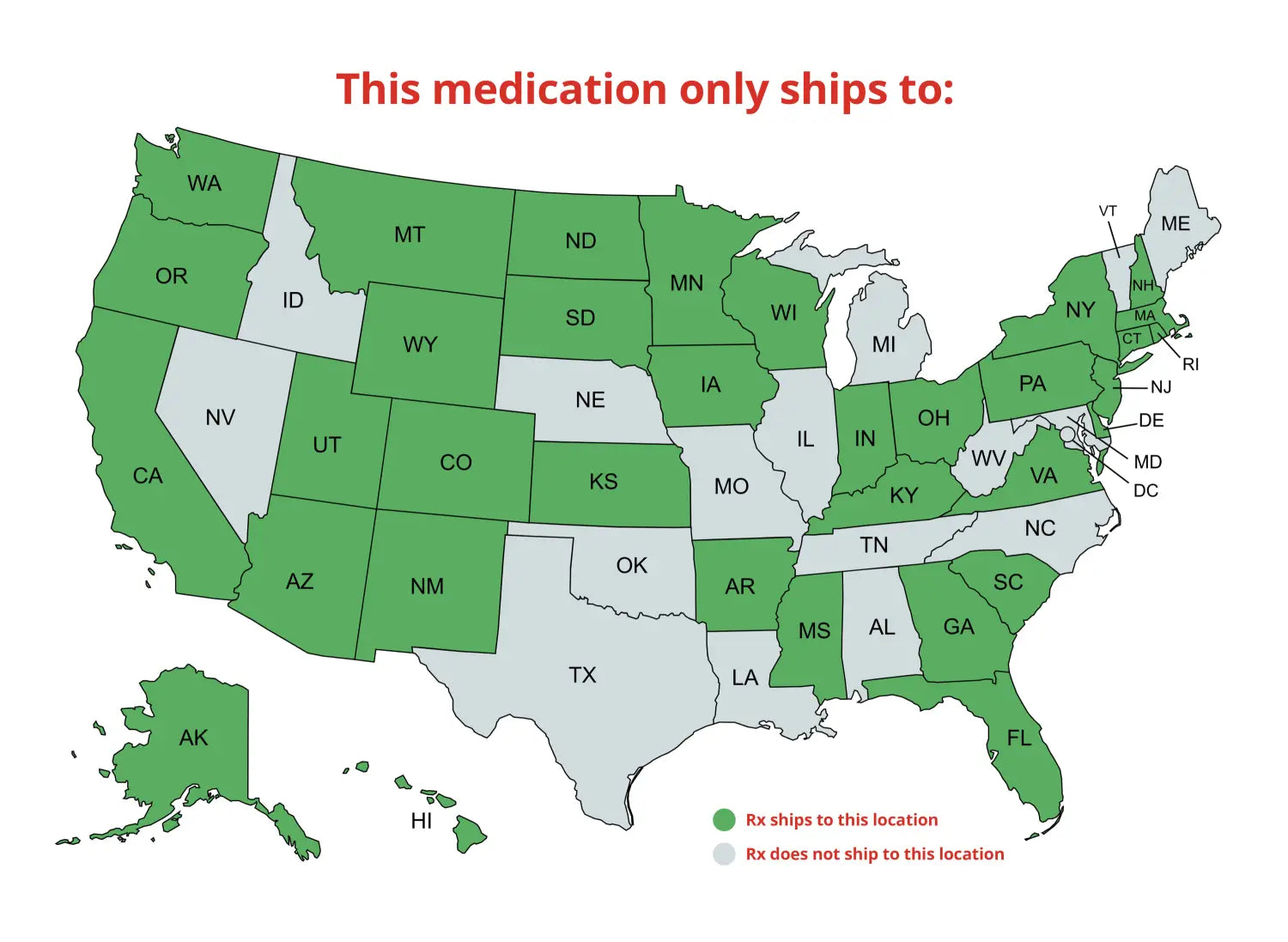
Ans: HardyPaw offers prescription dog food from brands such as Hill's Prescription Diet and Royal Canin Veterinary Diets with a valid veterinary prescription Before placing an order, review the product requirements and shipping details to ensure the diet meets your dog’s prescribed nutritional needs.
Q6: Can I mix prescription dog food with regular dog food?
Ans: Mixing prescription food with regular commercial food generally isn't a good idea, as it can disrupt the carefully balanced nutrient ratios the diet depends on to function properly For conditions like kidney disease or urinary disorders, even occasional non-prescription servings can undermine treatment, so check with your vet.