
 4th of July Sale - 17% OFF sitewide | Use code: JULY4PETS
Product title
Vendor
$19.99 | $24.99
Product title
Vendor
$19.99 | $24.99
Product title
Vendor
$19.99 | $24.99
Product title
Vendor
$19.99 | $24.99
Dual Action Heart Failure Support for Dogs
Product Description
Cardalis (40 mg spironolactone and 5 mg benazepril hydrochloride) is a flavored chewable tablet formulated to manage clinical signs of congestive heart failure in dogs caused by atrioventricular valvular insufficiency. It combines spironolactone and benazepril to target the renin angiotensin aldosterone system at multiple levels. Used with therapies such as furosemide, it helps reduce treatment failure rates and supports long-term cardiac management.
Benefits
- Dual RAAS Blockade: Combines spironolactone and benazepril to inhibit both ACE and non-ACE aldosterone pathways.
- Proven Clinical Effectiveness: Demonstrated statistically lower treatment failure rates compared to benazepril alone in a field study.
- Once Daily Dosing: Administered orally once daily with food for convenient long-term management.
- Flavored Chewable Tablets: Flavored, scored tablets designed for voluntary acceptance by most dogs.
- Concurrent Therapy Compatible: Safely administered alongside furosemide and other commonly used cardiac medications.
Variants
- 20 mg spironolactone and 2.5 mg benazepril hydrochloride chewable tablets
- 40 mg spironolactone and 5 mg benazepril hydrochloride chewable tablets
- 80 mg spironolactone and 10 mg benazepril hydrochloride chewable tablets
Ingredients
Composition Table
|
Ingredient |
Quantity |
|
Spironolactone |
40 mg |
|
Benazepril Hydrochloride |
5 mg |
How to Use
Dosage & Administration Instructions
- Stabilize First: Begin treatment only after pulmonary edema has been stabilized.
- Weight-Based Dosing: Administer 2 mg/kg spironolactone and 0.25 mg/kg benazepril hydrochloride once daily after stabilizing pulmonary edema.
- Once Daily Dose: Administer orally once daily at the prescribed weight-based dosage.
- Give With Food: Provide each dose with food to support proper absorption and consistency.
- Half Tablet Dosing: Use whole or half-scored tablets to achieve the nearest weight-appropriate dose.
- Veterinary Prescription Only: Federal law restricts use to licensed veterinarians or their order.
Disclaimer: This dosage information is provided by the manufacturer. Always consult your veterinarian before administering or adjusting any supplement for your pet.
Additional Information
Precautions
- Monitor Kidney Function: Check kidney function before starting treatment and continue testing regularly during therapy.
- Check Potassium Levels: Monitor blood potassium levels since there is a higher risk of hyperkalemia.
- Avoid Certain Conditions: Do not use in dogs with Addison’s disease, high potassium, or low sodium levels.
- NSAID Caution: Avoid using NSAIDs at the same time in dogs with existing kidney problems.
- Hepatic Care Needed: Use carefully in dogs with liver issues because the medication is processed by the liver.
- Growing Dog Caution: Use with care in young, growing dogs due to spironolactone’s hormone-related effects.
- Breeding Safety Unknown: Safety has not been confirmed for pregnant, nursing, or breeding dogs.
- Digoxin Monitoring: Closely monitor dogs taking digoxin, as this medication can raise digoxin levels.
Possible Side Effects
- Loss of Appetite: Quite a few dogs had a lower appetite while taking the medication during the study.
- Vomiting: Some dogs threw up at different points during the clinical field trial.
- Low Energy: A number of dogs seemed more tired and less active than normal.
- Diarrhea: Stomach upset, including loose stools, was reported in dogs during treatment.
- Kidney Issues: Kidney problems were seen more often than in dogs given benazepril alone.
- Electrolyte Changes: Potassium and magnesium levels increased in treated dogs during the study.
- Liver Concerns: A small group of dogs developed liver-related problems while on the medication.
- Collapse: A few dogs experienced episodes of collapse at some point during treatment.
Storage Information
- Room Temperature: Keep the tablets at room temperature, between 20°C and 25°C.
- Short-Term Temperature Changes: Brief exposure between 15°C and 30°C is acceptable.
- Original Packaging: Keep the tablets stored in their original container.
Shipping & Return
We offer ground, express, priority, and international delivery; see our shipping policy for details.
For return instructions or product concerns, please refer to our detailed refund policy.
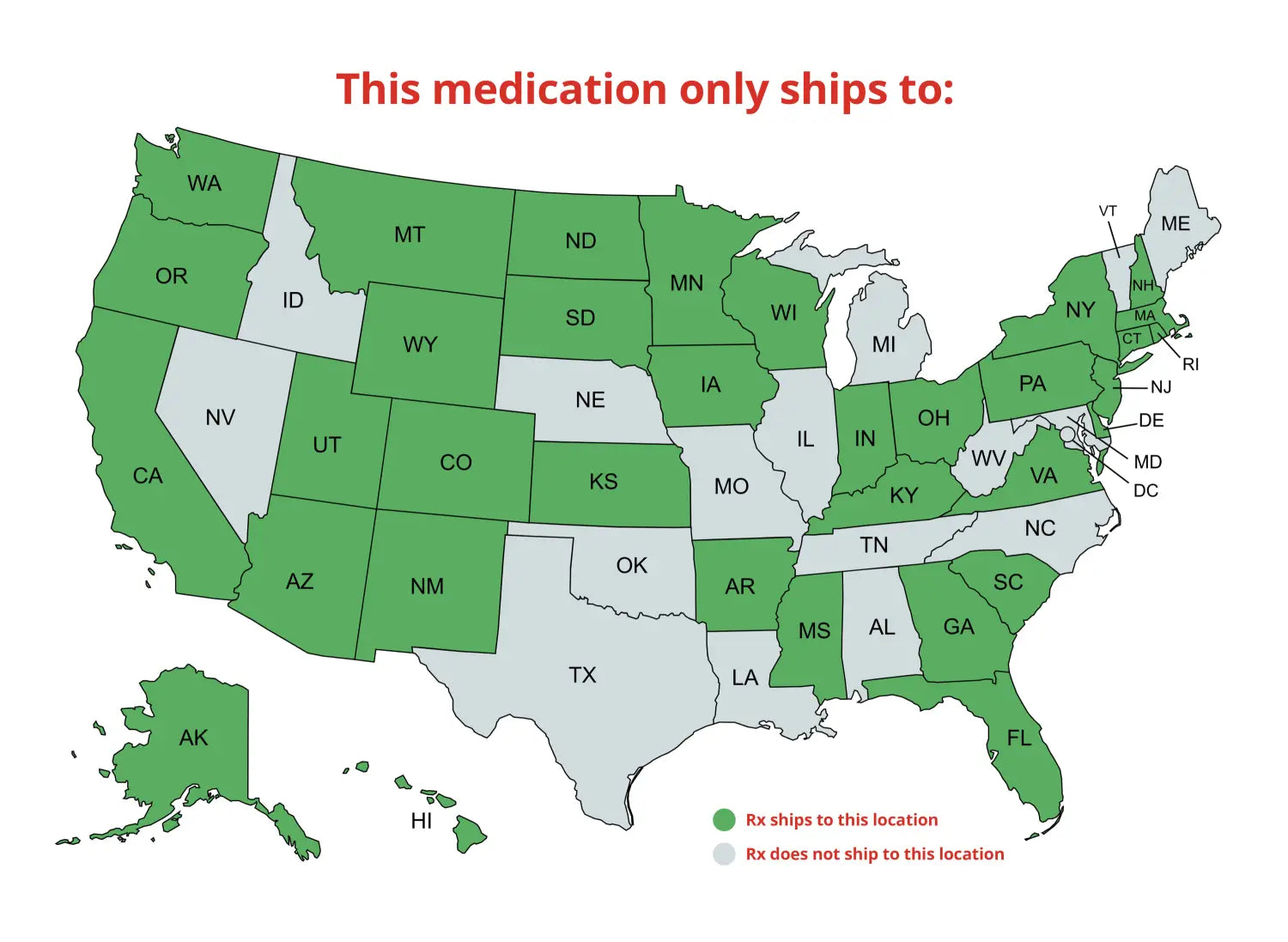
Prescription items are NON-RETURNABLE and NON-REFUNDABLE.
Frequently Asked Questions
Q1: What is Cardalis 40mg/5mg Chewable Tablet used for in dogs?
Ans: Cardalis 40 mg/5 mg chewable tablets help control the symptoms of congestive heart failure in dogs caused by a leaky heart valve. They are usually given along with other heart medications, such as furosemide, to support overall treatment.
Q2: How should Cardalis 40mg/5mg Chewable Tablets - 40mg/5mg be administered?
Ans: Cardalis Chewable Tablets for Dogs (Spironolactone/Benazepril Hydrochloride) - 40mg/5mg are given orally once daily at 2 mg/kg spironolactone and 0.25 mg/kg benazepril hydrochloride. Tablets are scored and must be administered with food.
Q3: What side effects are associated with Cardalis 40mg/5mg Chewable Tablets - 40mg/5mg?
Ans: Reported adverse reactions include anorexia, vomiting, lethargy, diarrhea, renal insufficiency, collapse, hepatopathy, and increased potassium levels. Renal insufficiency was reported more frequently compared to benazepril alone in clinical field studies.
Q4: Can Cardalis 40mg/5mg Chewable Tablets be used with other heart medications?
Ans: In clinical studies, Cardalis 40 mg/5 mg chewable tablets were safely given with other heart medications, including furosemide, digoxin, and calcium channel blockers. Your veterinarian should keep an eye on your dog’s kidney function and potassium levels during treatment. Extra care is needed if this medication is used with NSAIDs or digoxin.
Q5: How should Cardalis Chewable Tablets for Dogs (Spironolactone/Benazepril Hydrochloride) - 40mg/5mg be stored?
Ans: Store Cardalis 40 mg/5 mg chewable tablets at room temperature, ideally between 20°C and 25°C. Short periods between 15°C and 30°C are acceptable if needed. Keep the tablets in their original container to help protect their quality.