
 4th of July Sale - 17% OFF sitewide | Use code: JULY4PETS
Product title
Vendor
$19.99 | $24.99
Product title
Vendor
$19.99 | $24.99
Product title
Vendor
$19.99 | $24.99
Product title
Vendor
$19.99 | $24.99
IV Bicarbonate Solution for Metabolic Acidosis in Animals
Product Description
Sodium Bicarbonate 8.4% Solution is a prescription sterile intravenous solution used by veterinarians to treat metabolic acidosis in dogs, horses, cattle, sheep, and swine. Each 100mL vial contains 8.4 grams of sodium bicarbonate, providing 100 mEq of bicarbonate per 100mL. It works by pushing bicarbonate levels up in the blood, neutralizing excess acid, bringing blood pH back into range, and easing the clinical signs of acidosis. It is given intravenously under direct veterinary supervision.
Benefits
- Metabolic Acidosis Reversal: Brings blood pH back up and clears clinical signs of acidosis from renal failure, diabetes, shock, or lactic acidosis.
- Cardiac Arrest Support: Used during cardiac arrest to address dangerous acid buildup when the risk of acidosis outweighs the concern for hypernatremia.
- Diarrhea-Related Acidosis: Replenishes bicarbonate lost during severe diarrhea in dogs, horses, and livestock to help restore normal acid-base balance.
- Urine Alkalinization: Makes the urine more alkaline, which can be helpful in managing certain drug toxicity cases and urinary tract conditions in animals.
- IV Fluid Compatibility: Can be blended into other intravenous fluids to manage milder or longer-term forms of metabolic acidosis in animals.
Ingredients
Active Ingredients
Sodium Bicarbonate 8.4% (84mg/mL; 100 mEq/100mL)
How to Use
Sodium Bicarbonate 8.4% Solution is a prescription-only medication. A valid veterinarian prescription is required to purchase this product.
Please follow your veterinarian's specific instructions for the dosage and administration of this medication for your animal.
Disclaimer: Dosage and administration of this medication must be determined by a licensed veterinarian. Always consult your veterinarian before administering or adjusting any prescription medication for your animal.
Additional Information
Precautions
- Intravenous Use Only: This solution is only suitable for intravenous administration and should never be given subcutaneously or intramuscularly.
- Avoid With Vomiting: Animals that are actively losing chloride through vomiting or ongoing gastrointestinal suction should not receive this solution.
- Avoid With Certain Diuretics: Animals on diuretics that cause hypochloremic alkalosis should not receive this solution, as it may make the imbalance worse.
- Avoid Mixing With Calcium: This solution should not be combined with parenteral fluids containing calcium unless full compatibility has been verified first.
- Caution in Heart and Kidney Disease: Animals with congestive heart failure, severe kidney insufficiency, or sodium-retaining conditions need very careful management on this medication.
- Fractional Dosing Required: Giving smaller repeated doses with regular lab checks in between helps lower the risk of overdosage and alkalosis developing.
- Single-Dose Vial Only: This vial is preservative-free and intended for single use only, so any leftover solution should be discarded straight away.
Possible Side Effects
- Metabolic Alkalosis: Pushing the dose too hard can tip the balance into alkalosis, bringing on muscle twitching, irritability, and tetany that need prompt attention.
- Elevated Sodium Levels: Running large volumes in too quickly can push plasma sodium higher, leading to hypernatremia during the acidosis correction process.
- Fluid Overload: Too much intravenous fluid can overload the system, leading to overhydration, congestion, or pulmonary edema in some animals.
- Extravasation Tissue Damage: If the solution leaks outside the vein, the surrounding tissue can develop cellulitis, necrosis, or sloughing from the alkaline exposure.
Storage Information
- Store Between 59-86°F: Keep vials at a steady temperature between 15°C and 30°C and make sure the solution does not freeze at any point.
- Do Not Use If Cloudy: Check the vial before every use and set it aside if the solution looks hazy, cloudy, or has anything floating in it.
- Out of Reach: Keep this medication somewhere children and untreated animals in the home cannot get to it.
NOTE: For generic medications, the product image shown may not reflect the actual item received. Generic medications can vary in size, color, and shape between orders depending on the manufacturer. Additionally, your medication may arrive packaged in a HardyPaw Pharmacy vial.
Shipping & Return
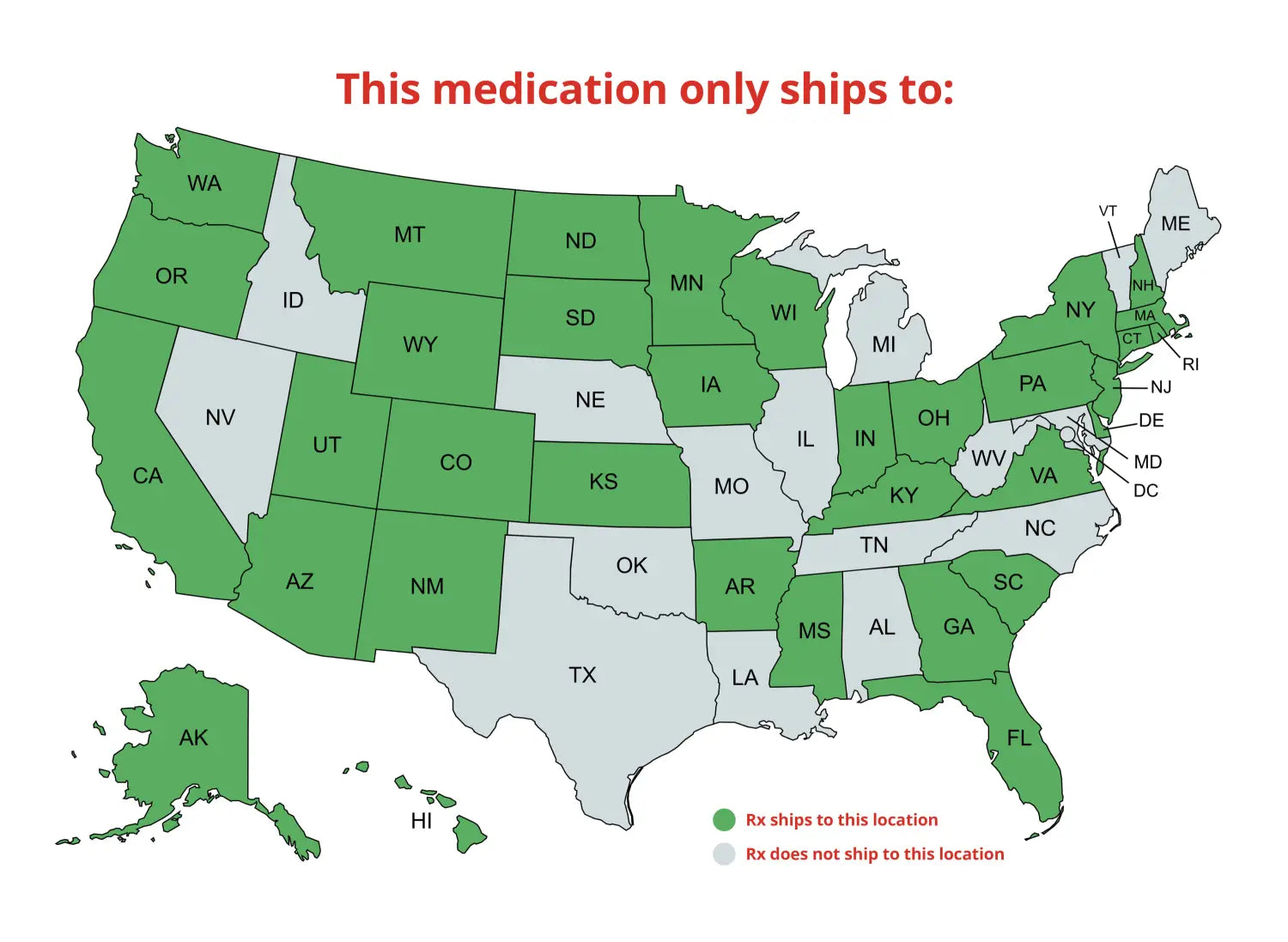
We offer ground, express, and priority delivery; see our shipping policy for details.
For return instructions or product concerns, please refer to our detailed refund policy.
Prescription items are NON-RETURNABLE and NON-REFUNDABLE.
Frequently Asked Questions
Q1: What conditions does sodium bicarbonate 8.4% treat in animals?
Ans: Sodium Bicarbonate 8.4% is used for metabolic acidosis in dogs, horses, and livestock, covering cases tied to renal disease, uncontrolled diabetes, cardiac arrest, lactic acidosis, and severe diarrhea. It works to bring blood pH back up and get bicarbonate levels back on track.
Q2: How is sodium bicarbonate 8.4% solution administered to animals?
Ans: A licensed veterinarian gives this solution directly into the vein, either as a standalone infusion or mixed into compatible intravenous fluids. Giving it any other way, such as under the skin or into muscle, is not safe and can cause serious tissue damage.
Q3: What happens if too much sodium bicarbonate is given to an animal?
Ans: Too much of this medication can push the body into metabolic alkalosis, showing up as muscle twitching, irritability, and tetany. Sodium levels may also climb dangerously. Depending on how severe the reaction is, the veterinarian will stop the infusion and support the animal with saline, potassium chloride, or calcium gluconate.
Q4: Can sodium bicarbonate 8.4% be mixed with calcium-containing IV fluids?
Ans: Combining this solution with calcium-containing fluids is not recommended unless compatibility has been fully confirmed beforehand. Mixing the two can cause the solution to cloud up or form a precipitate, and anything that looks off should never go into the animal's vein.
Q5: What should be checked before administering sodium bicarbonate 8.4% solution?
Ans: Take a close look at the vial before use and discard it if anything seems off, such as cloudiness, haziness, or visible particles in the solution. Since this is a preservative-free single-use vial, whatever is left after administration needs to be thrown out right away.