

Arthritis in Cats: Early Signs, Causes, and Ways to Improve Comfort
Manan Chawla 5 min read

Cats are known for their grace, agility, and love for jumping onto high places. So when a cat starts moving less, avoiding jumps, or acting quieter than usual, it can be easy to think it’s just a normal part of aging. In many cases, though, these changes point to arthritis. Studies show that up to 90 percent of older cats have radiographic signs of degenerative joint disease, even though many show few obvious symptoms early on. This means arthritis is far more common in cats than most pet parents realize, especially as cats age. Understanding the early signs, causes, and care options can help improve comfort, mobility, and overall quality of life for cats living with joint pain.
What Is Arthritis in Cats?
Arthritis, commonly called osteoarthritis or degenerative joint disease, develops when the cartilage that protects a cat’s joints slowly deteriorates over time. This leads to inflammation, stiffness, pain, and reduced joint movement.
As the joints lose their natural padding, everyday actions like walking, jumping, grooming, or even using the litter box can become uncomfortable.
Arthritis is seen most often in older cats, though cats of any age can develop it, particularly those with previous injuries or joint issues.
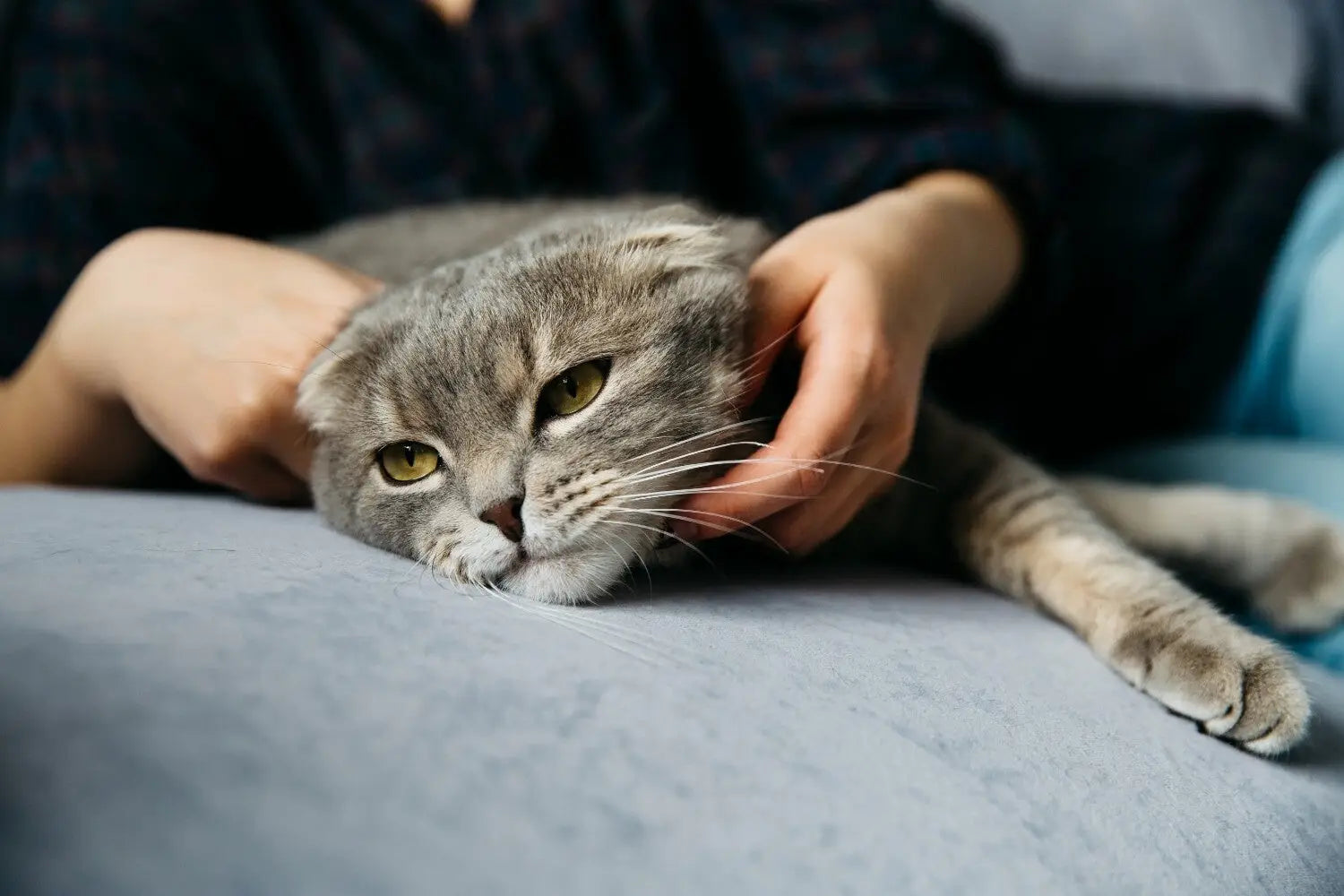
Common Signs of Arthritis in Cats
Cats are very good at masking discomfort, which can make arthritis difficult to notice as the symptoms tend to appear gradually.
Some of the most common signs include
- Stiffness, especially after resting.
- Limping or favoring one leg.
- Hesitation or refusal to jump onto furniture.
- Difficulty climbing stairs.
- Reduced grooming or a messy coat.
- Spending more time sleeping or hiding.
- Noticeable mood changes, such as acting distant or easily annoyed.
- Avoiding the litter box if the sides are high.
Many cats never cry or show obvious pain, so even small behavior changes are worth paying attention to.
What Causes Arthritis in Cats?
Several factors can lead to arthritis, including:
- Natural aging and wear on the joints
- Past injuries, fractures, or joint trauma
- Congenital joint issues present from birth
- Obesity, which puts extra stress on joints
- Inflammatory or immune-related conditions
- Joint infections, though these are less common
In most cases, arthritis develops gradually, making early detection important for long-term comfort.
How Arthritis Is Diagnosed
When arthritis is a concern, the vet will usually perform a hands-on exam and ask about shifts in your cat’s daily habits or behavior.
Diagnosis may include
- Checking joint flexibility and pain response
- Observing how your cat walks and moves
- X-rays to identify joint damage or bone changes
- Checking for and dismissing other conditions that present in a similar way
Early diagnosis allows for better pain management and improved quality of life.
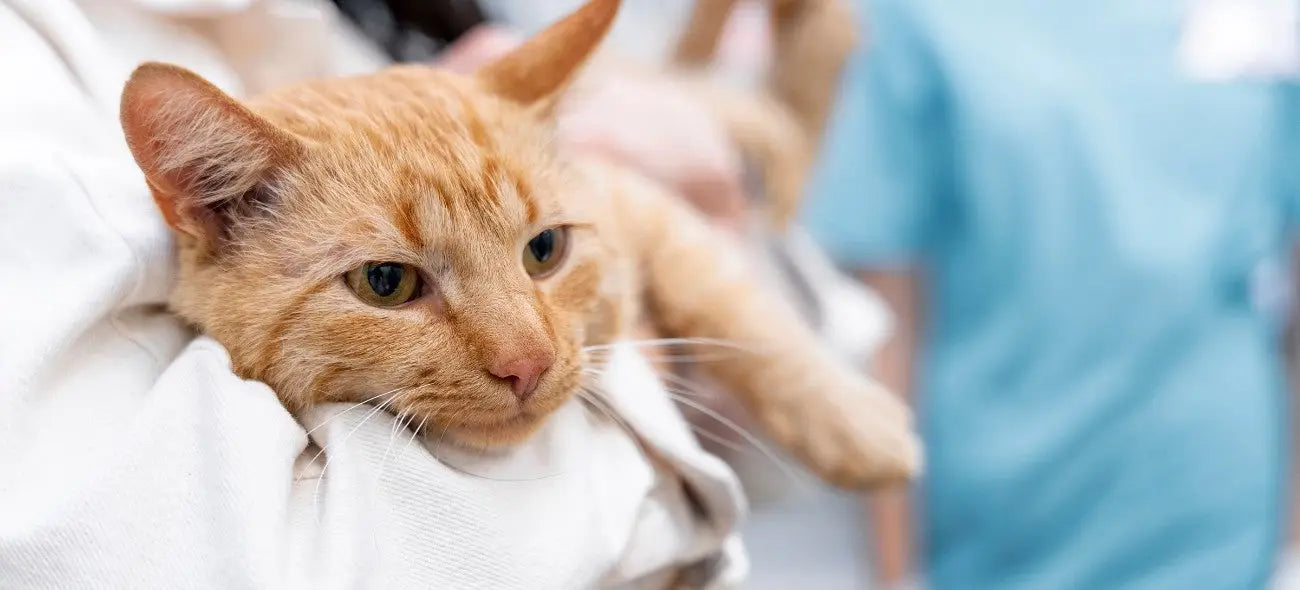
Treatment Options for Cats with Arthritis
There is no cure for arthritis, but there are many ways to manage it effectively. Most treatment plans use a combination of medical care and lifestyle support.
Pain Management and Medications
Veterinarians may prescribe pain relief medications designed specifically for cats. Newer treatments, including targeted injections that reduce arthritis pain, have made long-term management safer and more effective than ever before.
Never give human pain medications to cats, as many are extremely dangerous.
Joint Supplements
Joint supplements that include glucosamine, chondroitin, and omega-3 fatty acids may promote better joint function while helping calm inflammation.
Weight Management
Maintaining a healthy weight is one of the most important steps in managing arthritis. Less weight means less pressure on painful joints.
Physical and Supportive Therapies
Gentle movement, physical therapy, laser therapy, and even acupuncture can help some cats stay mobile and comfortable when guided by a professional.
Making Your Home Arthritis Friendly
Small changes at home can make a big difference for an arthritic cat.
Helpful adjustments include
- Orthopedic or memory foam beds
- Ramps or pet steps to reach favorite spots
- Litter boxes with low entry sides
- Food and water bowls raised slightly off the floor
- Non-slip mats on smooth surfaces
These changes reduce strain on joints and help cats move with confidence.
Ingredients That Help Support Cats With Arthritis
Certain ingredients are known to support joint health and improve comfort in cats dealing with arthritis. When used consistently and under veterinary guidance, these ingredients can help reduce stiffness, support cartilage, and promote smoother movement.
- Glucosamine and chondroitin work as a pair to protect cartilage and preserve joint structure, and they are often used to help slow joint breakdown and maintain flexibility.
- Omega-3 fatty acids, especially EPA and DHA, help reduce joint inflammation and may ease stiffness. These healthy fats also support skin, coat, and overall wellness.
- Green-lipped mussel is a natural source of omega-3s and joint-supporting compounds. It is often used to help improve mobility and joint comfort.
- MSM (methylsulfonylmethane) supports connective tissue health and may help reduce inflammation and joint discomfort.
- Hyaluronic acid helps maintain joint lubrication, allowing joints to move more smoothly with less friction.
- Collagen provides structural support to joints, tendons, and ligaments, helping maintain strength and flexibility.
- Vitamin E works as an antioxidant, helping protect joint tissues by reducing damage caused by oxidative stress.
- Curcumin is known for its anti-inflammatory properties and may help reduce joint stiffness when properly formulated for cats.
- Boswellia is a plant-based ingredient traditionally used to support joint comfort and healthy inflammatory response.
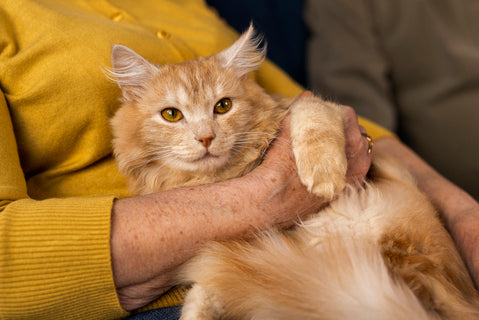
Living Well With an Arthritic Cat
Arthritis is a lifelong condition, but it does not mean your cat’s quality of life has to suffer. With regular vet visits, proper pain management, supportive care, and a comfortable environment, many cats continue to play, explore, and enjoy daily life well into their senior years.
At HardyPaw, we believe every pet deserves comfort, mobility, and care at every stage of life. Understanding arthritis is the first step in giving your cat the support they need to age gracefully and pain-free.
Frequently Asked Questions
Q1. How do I know if my cat has arthritis?
Ans: Cats rarely show obvious pain, but signs like stiffness, reduced jumping, slower movement, less grooming, or changes in behavior can point to arthritis. A veterinarian can confirm the condition through an exam and imaging if needed.
Q2. Can arthritis in cats be cured?
Ans: Arthritis cannot be cured, but it can be managed. With proper care, pain control, joint support, and home adjustments, many cats live comfortable and active lives.
Q3. Is arthritis only a problem for older cats?
Ans: Arthritis is more common in senior cats, but younger cats can develop it too, especially if they have had injuries, joint abnormalities, or excess weight.
Q4. Are joint supplements safe for cats?
Ans: Many joint supplements are safe when formulated specifically for cats and used as directed. Consult with your vet prior to adding any new supplement to your cat’s routine.
Q5. What changes at home can help a cat with arthritis?
Ans: Simple changes like soft beds, low-entry litter boxes, ramps, non-slip flooring, and easy access to food and water can greatly reduce joint strain and improve daily comfort.
Related Articles


Recent Articles