


Product title
Vendor
19,99 lei | 24,99 lei
Product title
Vendor
19,99 lei | 24,99 lei
Product title
Vendor
19,99 lei | 24,99 lei
Product title
Vendor
19,99 lei | 24,99 lei
Effective Tapeworm Treatment Injection for Dogs and Cats
Product Description
Praziquantel Injection is a veterinary injectable medicine made for dogs and cats to treat and remove intestinal tapeworm infections. The solution contains 56.8 mg of praziquantel per mL and is given under the skin or into the muscle with veterinary supervision. It targets common tapeworm species that affect pets and helps get rid of parasites by disrupting their ability to survive in the host’s digestive system.
Benefits
- Broad Tapeworm Control: Effectively removes several tapeworm species in dogs and cats, including Dipylidium, Taenia, and Echinococcus parasites.
- Flexible Injection Routes: Can be given either under the skin or into the muscle, so veterinarians can choose the best option.
- Effective Parasite Elimination: Makes tapeworms lose their ability to survive digestion, enabling the pet’s body to break down and eliminate parasites naturally.
- No Fasting Required: The treatment works well regardless of food intake, so no fasting is needed before administration.
- Proven Veterinary Safety: Studies indicate the drug has a broad safety margin and can be used in breeding or pregnant dogs and cats.
Variants
10 ml vial
50 ml vial
Ingredients
Composition Table
|
Ingredient |
Quantity |
|
Praziquantel |
56.8 mg per ml |
|
Benzyl Alcohol |
75 mg per ml |
|
Chlorobutanol Hydrous |
5 mg per ml |
How to Use
Recommended-Dosage Chart
|
Pet Species |
Body Weight |
Recommended Dose |
|
Dogs |
5 lbs and under |
0.3 ml |
|
Dogs |
6 to 10 lbs |
0.5 ml |
|
Dogs |
11 to 25 lbs |
1.0 ml |
|
Dogs |
Over 25 lbs |
0.2 ml per 5 lbs body weight (maximum 3 ml) |
|
Cats |
Under 5 lbs |
0.2 ml |
|
Cats |
5 to 10 lbs |
0.4 ml |
|
Cats |
11 lbs and over |
0.6 ml maximum |
Dosage & Administration Instructions
- Veterinary Prescription: This medication is restricted to use by or on the order of a licensed veterinarian. Always follow professional guidance.
- Injection Methods: Administer the solution either subcutaneously under the skin or intramuscularly into muscle as directed.
- Preferred Route Dogs: Intramuscular administration may be preferred for dogs because subcutaneous injections can sometimes cause brief discomfort.
- Weight-Based Dosing: Determine the correct dosage according to the animal’s body weight using the manufacturer’s recommended dosage schedule.
- No Fasting Needed: Food intake does not affect treatment effectiveness, so fasting before or after administration is not required.
Disclaimer: This dosage information is provided by the manufacturer. Always consult your veterinarian before administering or adjusting any supplement for your pet.
Additional Information
Precautions
- Minimum Age Limits: Do not give this to puppies younger than four weeks or kittens younger than six weeks.
- Allergic Reactions Risk: Though rare, an anaphylactoid reaction may happen and should be treated by a veterinarian.
- Reinfection Prevention: Pets exposed to fleas or rodents may need preventive steps and repeat treatments to lower the risk of reinfection.
- Hygiene Measures: Follow strict hygiene precautions when handling feces from animals that may have Echinococcus parasites.
Possible Side Effects
- Injection Pain Response: Some dogs may experience a brief pain reaction after injection, especially in larger animals.
- Digestive Disturbances: Vomiting or diarrhea may occasionally occur after treatment in both dogs and cats.
- Temporary Weakness Signs: Some cats may show weakness, sleepiness, or reduced appetite shortly after treatment.
- Injection Site Irritation: Mild swelling or irritation may occur at the subcutaneous injection site in some cats.
Storage Information
- Temperature Storage: Store the product at or below 25°C to maintain stability and effectiveness.
- Avoid Freezing: Do not freeze the injection solution, as freezing may affect product integrity.
- Limited Use Period: Use the vial within six months after the first puncture to ensure product quality.
- Puncture Limits: Discard remaining product after 25 punctures for 10 ml vials or 90 punctures for 50 ml vials.
Shipping & Return
We offer ground, express, priority, and international delivery; see our shipping policy for details.
For return instructions or product concerns, please refer to our detailed refund policy.
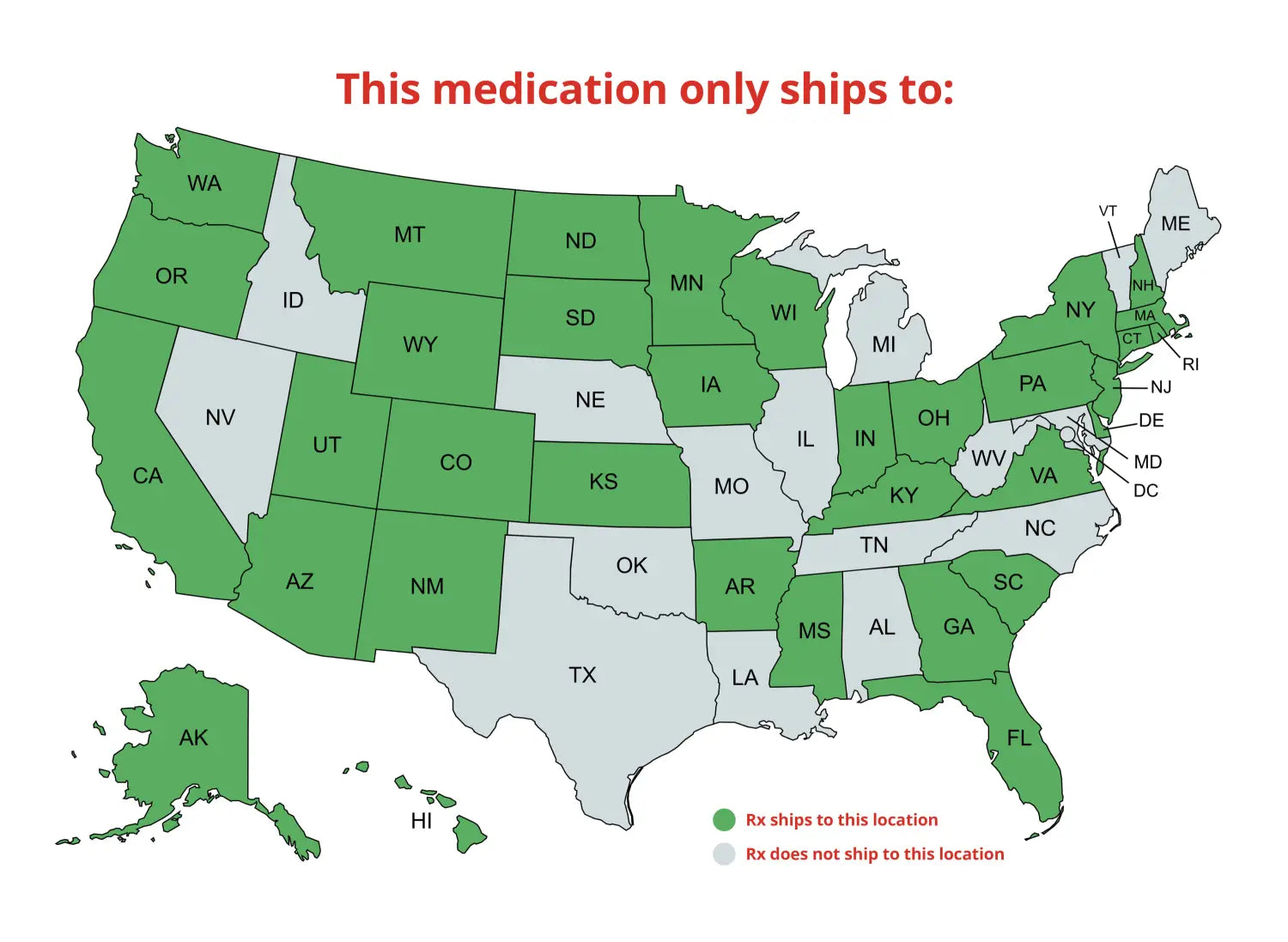
Prescription items are NON-RETURNABLE and NON-REFUNDABLE.
Frequently Asked Questions
Q1: What is Praziquantel Injection used for in dogs and cats?
Ans: Praziquantel Injection is used to treat and remove intestinal tapeworm infections in dogs and cats. It is effective against several species, including Dipylidium caninum, Taenia species, and Echinococcus parasites, helping eliminate worms from the digestive tract after veterinary administration.
Q2: How does Praziquantel Injection work to eliminate tapeworms?
Ans: Praziquantel is absorbed and metabolized by the liver, then released into the digestive tract through bile. It damages the tapeworm’s protective mechanisms, allowing the host animal’s digestive system to break down and eliminate the parasite, often leaving only small fragments in the stool.
Q3: Do pets need to fast before receiving Praziquantel Injection?
Ans: Fasting is not necessary before administering Praziquantel Injection. The manufacturer states that the recommended dosage is not affected by the presence or absence of food in the gastrointestinal tract, so pets can receive treatment without dietary restrictions.
Q4: Is Praziquantel Injection safe for pregnant dogs or cats?
Ans: Yes Praziquantel Injection is safe for breeding and pregnant dogs and cats. There were no adverse reproductive effects were reported during evaluations. However, the medication must be administered by or under the supervision of a licensed veterinarian.
Q5: How often should Praziquantel Injection be given to prevent reinfection?
Ans: Retreatment may be required if pets are exposed to environments where reinfection is likely. In cases involving Echinococcus multilocularis exposure, veterinarians may recommend treatment at intervals of approximately 21 to 26 days to prevent continued parasite transmission.