
 4th of July Sale - 17% OFF sitewide | Use code: JULY4PETS
Product title
Vendor
$19.99 | $24.99
Product title
Vendor
$19.99 | $24.99
Product title
Vendor
$19.99 | $24.99
Product title
Vendor
$19.99 | $24.99
Miotic Eye Drops for Glaucoma and Dry Eye in Dogs
Product Description
Pilocarpine HCl 4% Ophthalmic Solution is a prescription cholinergic eye medication used by veterinarians primarily to treat primary glaucoma and neurogenic keratoconjunctivitis sicca in dogs. It works by activating parasympathetic receptors in the eye, which tightens the pupil and encourages aqueous fluid to drain out more freely, bringing intraocular pressure down. At the 4% concentration, it is most often used for primary open-angle glaucoma in dogs and is prescribed off-label in veterinary medicine.
Benefits
- Glaucoma Pressure Reduction: Helps bring elevated intraocular pressure down by encouraging better aqueous fluid drainage from the eye in dogs with primary glaucoma.
- Neurogenic Dry Eye Treatment: Given orally, it can help stimulate tear production in dogs with neurogenic keratoconjunctivitis sicca tied to nerve damage or disease.
- Cranial Nerve Diagnosis: Helps veterinarians identify cranial nerve III lesions by watching how the eye's pupil responds to pilocarpine being applied.
- Direct Miotic Action: Tightens the pupil directly, which opens up the iridocorneal drainage angle and supports better aqueous humor outflow in glaucomatous eyes.
- Convenient Dropper Bottle: A sterile 15mL dropper bottle with around 20 drops per milliliter makes keeping up with daily dosing manageable for pet owners.
Ingredients
Active Ingredients
Pilocarpine Hydrochloride 4%
How to Use
Pilocarpine HCl 4% Ophthalmic Solution is a prescription-only medication. A valid veterinarian prescription is required to purchase this product.
Please follow your veterinarian's specific instructions for the dosage and administration of this medication for your pet.
Disclaimer: Dosage and administration of this medication must be determined by a licensed veterinarian. Always consult your veterinarian before administering or adjusting any prescription medication for your pet.
Additional Information
Precautions
- Avoid in Secondary Glaucoma: Dogs with secondary glaucoma should not be given this medication, as it is not suited for that condition and may make things worse.
- Avoid in Uveitis and Lens Luxation: Eyes dealing with active uveitis or anterior lens luxation should not receive this medication, as pupil constriction may worsen both conditions.
- Caution in Retinal Disease: Dogs with a history of retinal disease, retinal tears, or cataract surgery need careful veterinary review, as this medication may raise the risk of retinal detachment.
- Caution in Systemic Conditions: Pets with heart failure, asthma, epilepsy, hyperthyroidism, stomach ulcers, or urinary obstruction need close monitoring on this medication.
- Caution in Pregnancy: How this medication affects pregnant or nursing animals is not fully known, so it should only be used when a veterinarian has clearly confirmed the need.
- Dropper Tip Hygiene: Keep the dropper tip away from the eye, hands, and all other surfaces to prevent the sterile solution from becoming contaminated.
- Wait Between Eye Medications: When using other eye drops alongside this one, leave at least five minutes between each application to prevent interference.
Possible Side Effects
- Local Eye Irritation: Conjunctival redness, mild irritation, and squinting are reactions some dogs experience after pilocarpine is applied to the eye.
- Reduced Vision in Low Light: Since this medication tightens the pupil, dogs may find it harder to see clearly in dim or low-light settings during treatment.
- Systemic Toxicity Signs: Vomiting, diarrhea, heavy drooling, increased urination, and irregular heart rhythm may signal that the medication has been absorbed systemically and need immediate veterinary attention.
- Overdose Signs: Accidental ingestion can bring on vomiting, diarrhea, heavy drooling, and tearing; rinse the eye with water and get in touch with a veterinarian right away.
Storage Information
- Store at Room Temperature: A temperature between 59°F and 77°F in a spot away from heat and humidity is the right environment for this bottle.
- Protect From Light and Freezing: Direct sunlight and freezing conditions can both break down the medication, so keep it somewhere stable, shaded, and consistently above freezing.
- Cap Secured After Use: Pressing the cap back on firmly after every use keeps the sterile solution protected from contamination between applications.
NOTE: For generic medications, the product image shown may not reflect the actual item received. Generic medications can vary in size, color, and shape between orders depending on the manufacturer. Additionally, your medication may arrive packaged in a HardyPaw Pharmacy vial.
Shipping & Return
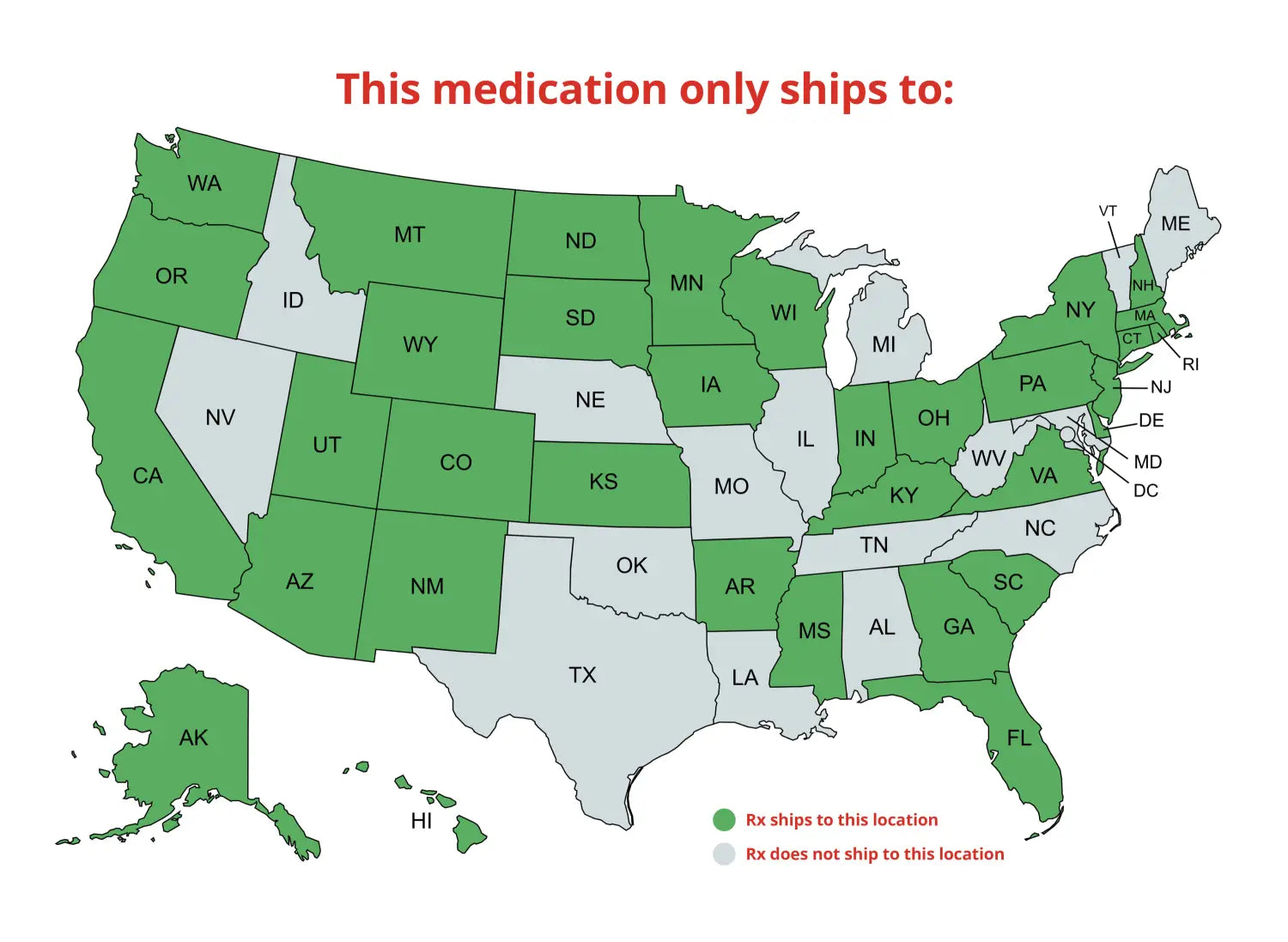
We offer ground, express, and priority delivery; see our shipping policy for details.
For return instructions or product concerns, please refer to our detailed refund policy.
Prescription items are NON-RETURNABLE and NON-REFUNDABLE.
Frequently Asked Questions
Q1: What conditions does pilocarpine 4% ophthalmic solution treat in dogs?
Ans: Pilocarpine 4% ophthalmic solution is mainly used to bring down elevated intraocular pressure in dogs with primary open-angle glaucoma. At lower concentrations, it also helps with tear production in neurogenic dry eye and can assist in diagnosing cranial nerve III lesions. A veterinarian will confirm the right use for each dog.
Q2: How does pilocarpine lower eye pressure in dogs with glaucoma?
Ans: Pilocarpine activates cholinergic receptors in the eye, which causes the pupil to tighten and the ciliary muscle to contract. This opens up the drainage angle in the eye, letting aqueous fluid move out more freely and bringing down the pressure that builds up with primary glaucoma.
Q3: Is pilocarpine 4% ophthalmic solution safe for cats?
Ans: Pilocarpine eye drops are rarely used in cats due to the toxicity risk at higher concentrations. For neurogenic dry eye in cats, lower concentrations given orally with food are sometimes considered. A veterinarian will assess whether pilocarpine is a safe and appropriate option for the cat's specific condition.
Q4: What are the signs of systemic toxicity from pilocarpine eye drops in pets?
Ans: Heavy drooling, vomiting, diarrhea, increased urination, and irregular heart rhythm can all point to the medication being absorbed into the bloodstream rather than staying in the eye. These signs need prompt veterinary attention, so contact a veterinarian as soon as any of them appear after application.
Q5: Can pilocarpine ophthalmic solution be used alongside other eye medications?
Ans: Pilocarpine generally works alongside other ophthalmic medications, but each drop should be spaced at least five minutes apart. Let your veterinarian know about all eye medications your dog is on, especially NSAIDs like flurbiprofen, before starting pilocarpine to avoid any unintended interactions.