

Navicular Disease in Horses: Causes, Symptoms and Treatment Options
Manan Chawla 8 min read

One in every three horses with long-term front leg lameness has navicular disease (Utah State University Extension). It is one of the most diagnosed causes of chronic lameness in US horses, and it usually shows up right when your horse should be in his strongest working years.
The good news? A navicular diagnosis today looks very different from what it meant a decade ago. Better imaging, smarter treatments and modern shoeing have changed the outcome for thousands of horses still working sound.
This guide covers what is happening inside your horse's hoof, the signs that matter most, and the treatment options worth knowing about.
What is navicular disease in horses? Navicular disease is a chronic, degenerative condition affecting the navicular bone and surrounding structures inside the horse's hoof, including the navicular bursa, the deep digital flexor tendon, and associated ligaments. It causes progressive heel pain and forelimb lameness, most commonly in both front feet. The condition is manageable but not curable.
What Causes Navicular Disease in Horses?
Navicular disease is typically the result of several factors working together over time, not a single cause.
Hoof and body structure flaws are the most common contributor. Horses with a long-toe, low-heel hoof shape place excessive strain on the navicular bone with every stride. Small, narrow, or contracted hooves concentrate force in a tight space. Upright pasterns transmit concussive forces directly through the hoof with little natural absorption.
High-impact work accelerates the damage. Disciplines that demand hard, repetitive effort such as barrel racing, reining, cutting, show jumping, and dressage put the navicular apparatus under constant stress. Hard arena footing and rocky terrain make things worse.
Genetics play a role, particularly in Warmbloods. In the US, the breeds most commonly diagnosed are American Quarter Horses, Thoroughbreds, and Warmbloods, typically between the ages of 4 and 15.
Improper hoof care is a significant and preventable factor. Going too long between farrier visits, using the wrong shoe for the horse's hooves, or allowing hoof imbalances to develop unchecked all increase risk over time.

Signs and Symptoms of Navicular Disease
Navicular disease rarely announces itself with an obvious, acute lameness. It tends to creep in gradually, which is why many owners miss it until the condition is already progressing.
Because navicular disease typically affects both feet at the same time, your horse may not look overtly lame on one leg. Instead, you will notice an overall loss of impulsion, a flatter way of going, and a reluctance to move freely forward.
Owner Symptom Checklist: Could it be navicular? Check any that apply to your horse over the past 4 to 6 weeks:
- Shortened or shuffling stride in front
- Toe-first landing (watch from the side at a trot)
- Regularly points one front foot at rest
- More stumbling than usual, especially downhill
- Worse on hard ground, better on soft footing
- Resists tight circles or lunging
- Performance has quietly declined without obvious injury
If you checked three or more, contact your vet for a lameness evaluation. Early diagnosis makes a real difference.
What does navicular disease look like on an X-ray? Your vet will be looking at the bottom edge of the navicular bone for changes in the vascular channels. Healthy channels are thin and hairline-fine. When navicular disease sets in, they widen into darker, irregular shapes that point to bone losing its density. Severe cases can look almost hollowed out. That said, X-rays only tell part of the story since soft tissue damage to the bursa or tendons will not show up at all.
Navicular Disease Treatment Options
There is no single cure for navicular disease. Treatment focuses on easing pain, limiting further damage, and helping your horse stay active and comfortable for as long as possible. The right plan depends on which structures are affected, how advanced the condition is, and what your horse is used for.
Corrective and Therapeutic Shoeing
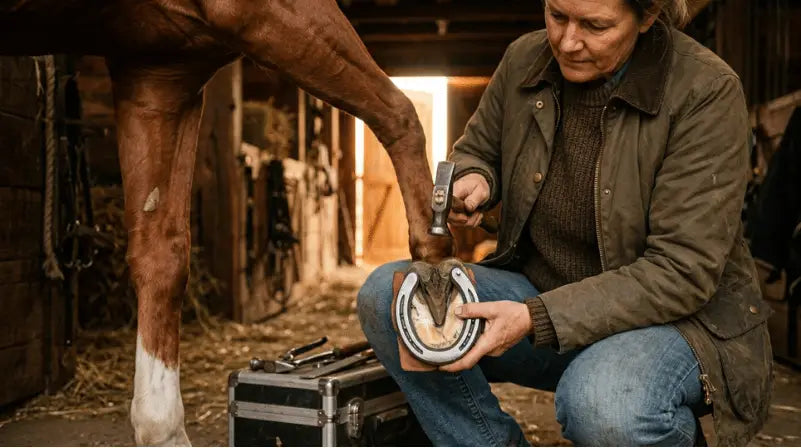
This is almost always the first step, and often the most impactful one. The right shoe changes how force is distributed through the hoof and how much pressure lands on the navicular bone.
Shoeing choices vary depending on what your horse needs most. Egg-bar shoes reach back behind the heel for extra support, while heart-bar designs bring the frog into the equation to share the load. Wedge pads take pressure off the DDFT by lifting the heel, and a rolled or rockered toe shoes helps the hoof break over more easily with each step. Getting this right is a joint effort between your vet and farrier, and neither can do it effectively without the other.
NSAIDs
Phenylbutazone (commonly called "bute") is the most widely used anti-inflammatory medication in equine practice. It reduces pain and inflammation in the navicular region, helping your horse move more comfortably during flare-ups or as part of ongoing management.
Banamine (flunixin meglumine) works along the same lines and is another go-to option for managing soreness and swelling. That said, neither bute nor Banamine are meant for extended use. Overreliance on either can wear on the stomach lining and put stress on the kidneys, so your vet will set clear boundaries around how long and how often they are used.
Bisphosphonates
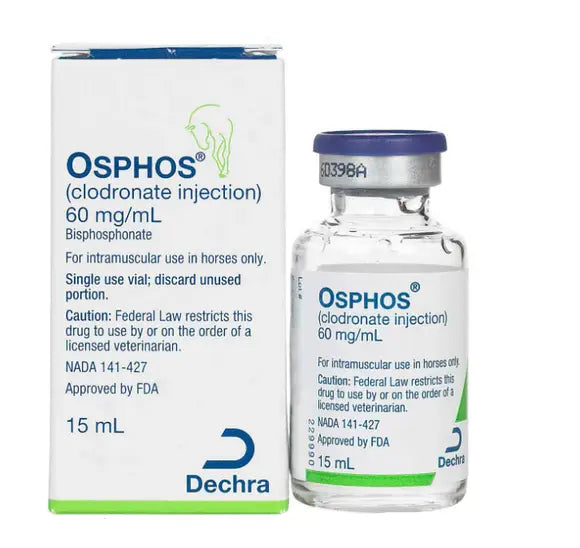
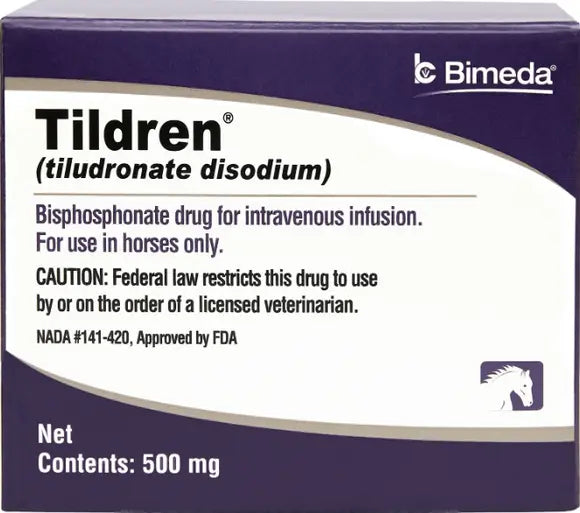
Osphos (clodronate) and Tildren (tiludronate) slow the process of bone resorption, the cycle where old bone breaks down faster than new bone is laid down. In navicular disease, this imbalance leads to the loss of bone density visible on X-rays. Bisphosphonates help stabilize that process over time.
In studies, most horses showed measurable improvement within 2 to 6 months. Horses treated earlier in the disease course responded better than those with long-standing, severe changes. Osphos is administered by intramuscular injection and is the more commonly used option in US veterinary practice. Both drugs require a veterinary prescription.
Navicular Bursa Injections
If your horse shows little improvement with initial treatments, your vet may recommend injecting medication directly into the navicular bursa. The procedure is carried out with the horse sedated, and X-ray imaging is used throughout to ensure precise needle placement. Corticosteroids, hyaluronic acid, or a mix of both are typically used depending on the nature of the inflammation.
In one published study, 80% of horses that had not responded to initial treatment became sound within two weeks of a bursa injection and remained sound for an average of four and a half months. The treatment can be repeated, though it does not address the underlying condition.
Adjunct Therapies
Extracorporeal shock wave therapy (ESWT) uses targeted pressure waves directed at the painful region of the hoof, encouraging natural tissue repair and reducing soreness over time. Horses tend to respond best when this therapy is paired with proper shoeing adjustments and medication, rather than relying on it as a solo fix.
Platelet-rich plasma (PRP) injections introduce concentrated growth factors directly into damaged soft tissue structures such as the DDFT or the navicular bursa to support healing. PRP is particularly useful when soft tissue damage is confirmed on MRI.
Surgery
When all conservative options have been exhausted, palmar digital neurectomy may be considered. This procedure severs the nerves that carry pain signals from the back of the hoof, making the horse comfortable again. The underlying disease continues to progress unfelt, so this is strictly a last resort reserved for horses with no quality of life through conservative care alone.
Can navicular disease be cured? No. Navicular disease is a progressive, degenerative condition with no cure. With the right combination of corrective shoeing, medication, and management, many horses can be kept comfortable and functional for years. Treatment is directed at slowing progression, relieving pain, and maintaining quality of life.
Final Thoughts
Navicular disease is chronic, but it is not hopeless. The horse owners who see the best outcomes act early, build a strong vet-farrier team, and stay consistent with their treatment plan.
Your horse cannot tell you his heels hurt, but his stride, his willingness, and his way of going will. Learning to read those signs and responding with the right care makes all the difference.
If you suspect navicular disease, do not wait. Schedule a lameness evaluation and get the full picture as early as possible. The sooner you understand what you are dealing with, the more options you have.
Frequently Asked Questions
Q1: Is navicular disease a death sentence for a horse?
Ans: No. Many horses live comfortably for years and continue working with appropriate treatment and management. The key is early detection and a consistent, vet-guided care plan. Outcomes are significantly better today thanks to advances in imaging and treatments like bisphosphonates and targeted bursa injections.
Q2: How long can a horse live with navicular disease?
Ans: With good management, many horses with navicular disease live out their full natural lifespan of 20 to 30 years. The condition affects quality of life and workload, not lifespan directly. Horses retired from demanding competition often transition successfully to lighter work or a comfortable pasture retirement with regular farrier care and appropriate pain management.
Q3: Can a horse with navicular disease still be ridden?
Ans: Yes, in many cases. Whether and how much depends on the severity of the condition, how well it responds to treatment, and the discipline involved. Horses with mild to moderate navicular disease often continue in regular work on appropriate footing. Your vet will help you find the right balance of work and rest.
Q4: What is the difference between navicular disease and navicular syndrome?
Ans: Think of navicular syndrome as the umbrella term, it covers any pain in that heel region, whether the bone, bursa, DDFT, or surrounding ligaments are involved. Navicular disease sits underneath that umbrella, pointing specifically to bone degeneration. Better MRI access today means vets can pinpoint exactly what is damaged, and treat it accordingly.
Q5: Which breeds are most prone to navicular disease?
Ans: American Quarter Horses top the list in the US, their big bodies and small feet creating real stress on the hoof with every step. Retired Thoroughbreds and Warmbloods follow closely, the latter known to inherit the condition. Draft breeds and Arabians rarely develop it.
Disclaimer: The information shared in this article is intended for general educational purposes and should not replace professional veterinary advice. Always consult a licensed equine veterinarian for diagnosis and treatment of your horse. Drug names, treatment protocols, and cost ranges reflect general US veterinary practice and may vary by region and individual case.
Related Articles


Recent Articles


