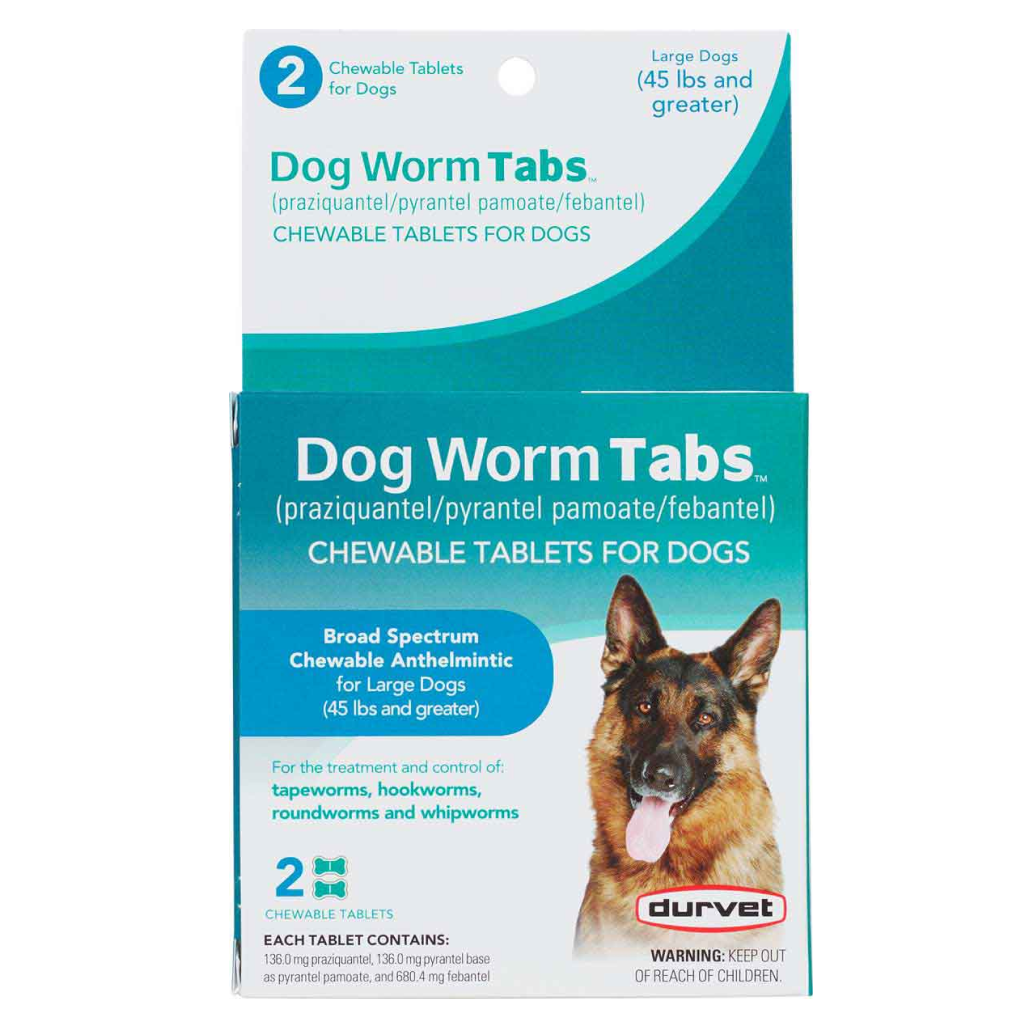
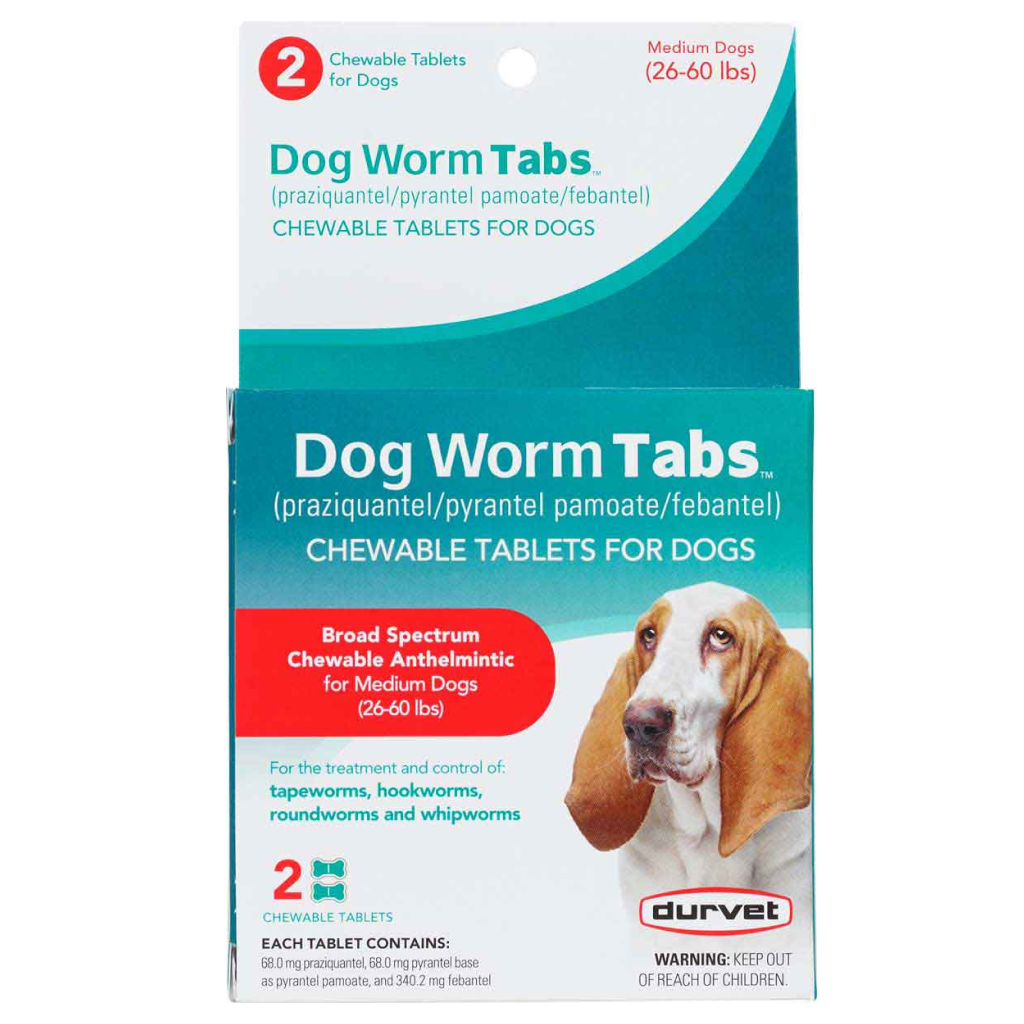
Dog Dewormers

Sort + Filter
Show
(6)
From
£17.00
(2)
From
£9.00
(1)
From
£11.00
(1)
From
£12.00
£9.00 Save 25% today, 5% off on every renewal.
(1)
£15.00
(1)
From
£22.00
£16.50 Save 25% today, 5% off on every renewal.
£19.00
£14.25 Save 25% today, 5% off on every renewal.
(1)
£14.00
£10.50 Save 25% today, 5% off on every renewal.
From
£8.00
£6.00 Save 25% today, 5% off on every renewal.
£15.00
£11.25 Save 25% today, 5% off on every renewal.
£16.00
£12.00 Save 25% today, 5% off on every renewal.
(1)
£34.00
£25.50 Save 25% today, 5% off on every renewal.
£22.00
£16.50 Save 25% today, 5% off on every renewal.
£14.00
£10.50 Save 25% today, 5% off on every renewal.
£28.00
£21.00 Save 25% today, 5% off on every renewal.
£11.00
£8.25 Save 25% today, 5% off on every renewal.
£20.00
£15.00 Save 25% today, 5% off on every renewal.
£11.00
£8.25 Save 25% today, 5% off on every renewal.
£26.00
£19.50 Save 25% today, 5% off on every renewal.

Buy Dog Deworming Products at HardyPaw

Parasitic worms pose a serious threat to your dog's well-being and can lead to digestive distress, malnutrition, and even severe organ damage. At HardyPaw, we offer a curated selection of vet-recommended dog dewormers designed to help treat common parasites such as roundworms, tapeworms, hookworms, and whipworms. Whether you need a broad-spectrum dewormer for dogs, a puppy dewormer, or targeted tapeworm treatment for dogs, we have solutions to help your dog stay healthy and worm-free. Always check with your vet before starting any dog worming routine.

Why Is Deworming Important for Dogs?

Deworming does more than remove parasites from your pet. Regular treatment can be an important part of keeping pets healthy and reducing the risk of zoonotic diseases that can spread to people. Here’s why keeping up with deworming matters.

  • Helps Prevent Nutrient Deficiencies: Worms can deplete essential vitamins and minerals, leading to weakness and poor growth.
  • Reduces Digestive Issues: Infected dogs often suffer from diarrhea vomiting, and bloating due to worm infestations.
  • Protects Internal Organs: Some worms, such as heartworms, can cause serious, even fatal, heart and lung complications if left untreated. Heartworm is managed with separate heartworm medication, so ask your vet.
  • Minimizes Human Transmission Risks: Certain parasites, such as roundworms, can be passed to humans, especially children.
  • Supports Long-Term Wellness: Routine deworming supports a healthier, happier, and more active life for your dog.

How Often Should Dogs Be Dewormed?

  • Puppies: Deworm every 2 weeks from 2 to 12 weeks then once a month through 6 months of age.
  • Adult Dogs: At least every 3 to 6 months, depending on exposure risk.
  • Pregnant and Nursing Dogs: Deworming should occur 10 days before breeding and every 2 to 3 weeks post-birth to protect puppies.

Important: Always consult your veterinarian before starting any deworming regimen to choose the most effective and safe treatment for your dog.

Explore Our Dog Dewormer Selection

HardyPaw has a wide selection of dog deworming products to meet different needs.

1. Broad-Spectrum Dewormer for Dogs

Designed to treat multiple worm species, often in a single dose. Ideal for dogs with unknown or multiple worm infestations, with your vet's confirmation.

2. Puppy Dewormer Options

Specially formulated for young dogs with gentle ingredients. Helps protect against stunted growth caused by early parasite infections.

3. Prescription Dewormers

Stronger medications for severe infections are available by prescription from a vet. Best for persistent or resistant worm strains. Cestex tablets are commonly used as tapeworm treatment for dogs.

  • Cestex 12.5mg Tablets
  • Cestex 25mg Tablets
  • Cestex 50mg Tablets
  • Cestex 100mg Tablets
  • Praziquantel Injectable (10 mL)

4. Natural and Herbal Dewormers

Gentler alternatives that some owners prefer for mild cases, sensitive dogs, or holistic care. Ask your vet whether an herbal option is enough for your dog's situation.

Note: HardyPaw currently offers a limited selection of herbal options. These are liquid formulas suitable for sensitive systems.

5. Preventative Deworming Treatments

Monthly parasite control formulas to help stop re-infestation. Some also offer flea and tick protection.

Tip: Not all dewormers work on every parasite. Read product details carefully or consult your vet for the best match.

How to Use Dog Dewormers Safely?

  • Follow Veterinary Guidance: Always consult your vet to know the right dosage based on your dog's weight, age and health condition.
  • Check the Treatment Schedule: Some dewormers require multiple doses over several days or weeks to be fully effective.
  • Administration Method: Some medications are taken with food, while others work best on an empty stomach; read the instructions carefully.

After administering a dog dewormer, watch for the following:

  • Mild Side Effects: Temporary nausea, diarrhea, or vomiting may occur. Contact your vet if symptoms persist.
  • Worm Elimination: You may see worms in your dog's stool within 24 to 48 hours, which can indicate the medication is working.
  • Follow-Up Testing: A fecal exam 2 to 4 weeks after treatment helps confirm the worms have cleared.

Responsible Dog Deworming Practices

  1. Keep Things Clean: Keep your dog's surroundings clean and limit contact with infected feces.
  2. Dispose of Waste Promptly: Pick up your dog's waste as soon as possible to help reduce the spread of parasites.
  3. Hygiene Awareness: Encourage handwashing after handling pets to reduce the risk of transmission.

What to Look For When Choosing a Dog Dewormer?

  • Worm Type: Not all products target every parasite, so identify the specific worms affecting your dog. For tapeworm treatment for dogs, choose a product labeled for tapeworms.
  • Safety and Age Suitability: Check labels for age restrictions, particularly for puppies, seniors, and pregnant dogs. 
  • Administration Method: Pick tablets, chews, or liquids based on your dog's preference and ease of dosing.
  • Veterinary Approval: When in doubt, consult your vet before using any dewormer.

Why Choose HardyPaw for Your Dog's Deworming Needs?

At HardyPaw, we are committed to providing quality, vet-approved pet care solutions. Here's why pet parents trust us.

  • Expert-Curated Selection: Every product is handpicked by pet health experts to support quality and efficacy.
  • Vet-Recommended Brands: We offer dewormers trusted by veterinarians and used in clinics nationwide.
  • Fast and Reliable Shipping: Get the treatments your pet needs quickly, with hassle-free ordering.
  • Educational Resources: We provide detailed guides, vet advice, and product recommendations to help you make informed choices.
  • Safety First: We prioritize quality products and clear label guidance, and we encourage vet advice for every dog.

Choose HardyPaw for reliable parasite control, and give your dog the healthiest life possible!

Frequently Asked Questions

Q1: What is the difference between tapeworm, hookworm, and roundworm in dogs?

Ans: Tapeworms are flat and segmented, hookworms attach to the intestinal lining, and roundworms are long and spaghetti-like. Since each type can cause different symptoms, treatments such as the Tapeworm Dewormer, a tapeworm treatment for dogs, or Nemex 2 should be chosen based on your vet’s diagnosis.

Q2: Can I use a dewormer preventatively even if my dog has no symptoms?

Ans: Yes, preventative dewormers like Safe-Guard Granules are generally used for regular deworming and can help stop reinfestation before visible signs appear. You should talk to your vet to schedule deworming as per your dog’s environment and risk since exposure, age, and lifestyle can affect the number of times a dog needs deworming.

Q3: How long does it take for a dewormer to start working?

Ans: Most dog dewormers start working within hours of ingestion. Products like PetArmor 7 Way may show visible results within 24 to 48 hours based on the worm type and the severity of the infestation A follow-up fecal exam can confirm the treatment worked so check with your vet.

Q4: Are dewormers safe for pregnant or nursing dogs?

Ans: Not every dewormer is suitable for pregnant or nursing dogs. Products such as Nemex 2 may be used under veterinary supervision. Speak with your vet before giving any dewormer during pregnancy or nursing, as the product and timing should be chosen with the mother and puppies in mind.

Q5: What is the best dewormer for dogs with sensitive stomachs?

Ans: Dogs with sensitive digestion may do better with liquid or milder formulas. WormEze Liquid and Dogswell Pet Wormer are two options to consider. Check with your vet before choosing one, since the right dewormer depends on the type of worm your dog has.

Q6: What is the best tapeworm treatment for dogs?

Ans: Tapeworm treatment for dogs usually requires a product labeled for tapeworms, such as Cestex tablets or the Tapeworm Dewormer for Dogs. Dogs often get tapeworms from fleas, so ask your vet about flea control too, and confirm the correct dose for your dog's weight.