

10 Toxic Foods Your Dog Should Never Eat!
Manisha (Updated: Aug 03, 2026) 8 min read

Common Human Foods That Are Toxic to Dogs (and Safe Alternatives)
Ever had your dog give you that look while you’re eating? The one that says, “We’re a pack, share with me.” It’s adorable, and honestly, sharing food feels like a genuine expression of love. But dogs don’t process food the way we do. Some everyday ingredients that seem harmless to us are actually foods poisonous to dogs, and they can go from a “tiny treat” to real trouble fast.
In this guide, we’ll walk through the most common dangerous foods for dogs, the warning signs to watch for if they get into something risky, and what to do in the moment. We’ll also cover a few safe, dog-friendly options so you can still treat your pup without worrying about what’s in the bite.
Key Takeaways
Why Some Human Foods Are Toxic for Dogs
Dogs digest food differently from humans. Certain ingredients that are harmless to us can cause severe reactions in dogs, including:
- Vomiting or diarrhea
- Anemia
- Seizures
- Organ failure (especially kidneys or liver)
- Even death in severe cases
A dog’s size, breed, and health can change how dangerous a food is, but it’s best to avoid risky foods altogether.
What are the 10 Toxic Foods Your Dog Should Never Eat
Below is a list of toxic foods for dogs, featuring common human foods that are poisonous to dogs.
1. Chocolate
Chocolate is one of the most well-known deadly foods for dogs. It contains theobromine and caffeine, which dogs can’t break down well.
Chocolate poisoning symptoms in dogs include:
- Vomiting or diarrhea
- Restlessness or hyperactivity
- Fast heart rate
- Tremors or seizures
- Collapse
Dark chocolate and baking chocolate are especially dangerous. Even small amounts can be toxic, especially for small dogs.
2. Grapes and Raisins
Even a small handful can trigger severe poisoning. Grapes and raisins are toxic to dogs and can cause kidney failure, and reactions can be unpredictable. Some dogs become severely ill from even small amounts, while others may not exhibit symptoms immediately.
Warning signs could look like:
- Vomiting within a few hours
- Lethargy
- Dehydration
- Reduced urination
Because there’s no safe dose, keep grapes and raisins completely off-limits.
3. Onions, Garlic, Chives, and Leeks
If you’ve ever asked why dogs should not eat onions or garlic, it’s because these foods damage red blood cells and can cause anemia. They’re toxic raw, cooked, dried, powdered, or mixed into food.
Symptoms may look like:
- Weakness or tiredness
- Pale gums
- Rapid breathing
- Vomiting
- Dark urine
This includes onions and garlic in soups, sauces, gravies, and seasoned snacks.
4. Xylitol (Sugar Substitute)
Xylitol is found in sugar-free gum, candies, some peanut butters, toothpaste, and baked goods. It can cause a dangerous insulin spike, leading to low blood sugar and liver failure.
Symptoms can start fast:
- vomiting
- wobbliness or weakness
- seizures
- collapse
Always check ingredient labels.
5. Alcohol
Even small amounts of alcohol can be harmful. Dogs are far more sensitive than humans.
Possible effects:
- vomiting
- disorientation
- slow breathing
- coma
This includes beer, wine, liquor, and foods cooked with alcohol.
6. Caffeine (Coffee, Tea, Energy Drinks)
Caffeine overstimulates a dog’s nervous system and can be toxic.
Scary symptoms might start early:
- hyperactivity
- panting
- tremors
- abnormal heart rhythm
Avoid leaving coffee cups, tea bags, or caffeinated drinks within reach.
7. Macadamia Nuts
Macadamia nuts can affect the nervous system and muscles.
Dogs may have a severe reaction to these, such as:
- Weakness (especially in the back legs)
- vomiting
- shaking
- fever
Even small amounts can cause problems.
8. Cooked Bones and Fat Trimmings
Cooked bones splinter easily, causing choking or internal injuries. Fat trimmings can trigger pancreatitis.
Pancreatitis symptoms:
- repeated vomiting
- hunched posture
- tummy pain
- low appetite
Stick to safe, dog-specific chews instead.
9. Raw Dough / Yeast
Raw dough expands in the stomach, leading to dangerous bloating. Fermenting yeast can also produce alcohol.
Signs of an emergency:
- swollen belly
- drooling
- retching
- weakness
Call a vet immediately if this happens.
10. Avocado
People often ask if avocado is safe for dogs. It’s risky. Avocado contains persin, which can upset digestion, and the pit is a choking hazard.
Some dogs tolerate tiny bites of avocado flesh, but it’s safer not to offer it.
Can Dogs Eat Any Human Food?
Yes, some human foods are safe for dogs, but only if they are plain and served in moderation.
A good rule: If it’s fried, sugary, salty, or seasoned, don’t share it.
Instead, choose safe foods or dog treats designed for their digestion.
Safe Human Foods & Dog-Friendly Treats
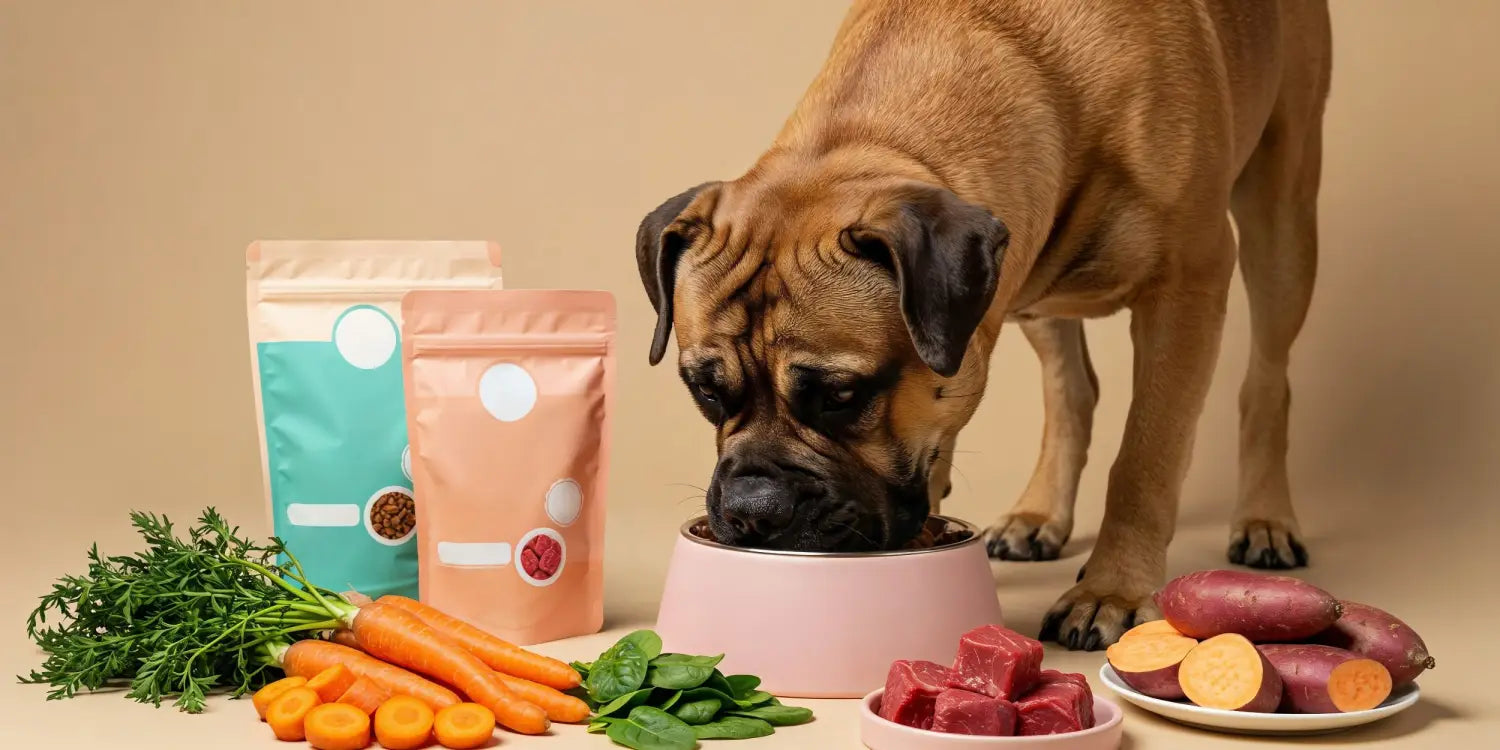
Here are safe options you can share in moderation:
- carrots
- apple slices (no seeds)
- bananas
- blueberries
- cucumber
- pumpkin (plain)
- sweet potato (cooked, plain)
- plain boiled chicken or turkey
- white rice
These are great dog-friendly treats without the risk.
Choose Vet-Approved Dog Treats Instead
Want to reward your dog without worrying about unsafe ingredients? Select vet-approved dog treats or dental chews designed explicitly for canine digestion.

Instead of sharing risky snacks, these treats:
- Keep nutrition balanced
- Reduce stomach upsets
- Make training safer and easier.
- Maintain good oral hygiene.
Buy vet-approved dog treats online from trusted brands, ensuring your dog receives something delicious, healthy, and safe.
Look for treats that are:
- Made with dog-safe ingredients
- Free from artificial sweeteners and heavy seasonings
- Portion-controlled for all dog sizes
How to Keep Toxic Foods Out of Reach
Avoid accidents with a few simple habits:
- Store dangerous foods high up or in closed cabinets
- Keep trash in a dog-proof bin.
- Don’t leave food unattended on a low table.
- Remind guests and kids not to feed table scraps.
- Read labels for xylitol, garlic/onion powder, and chocolate.
What To Do If Your Dog Eats Toxic Food
If your dog gets into something unsafe:
- Remove access immediately.
- Estimate how much they ate.
- Call your veterinarian or a pet poison control hotline immediately.
- Watch for symptoms such as vomiting, shaking, weakness, or breathing difficulties.
- Don’t try home remedies unless your vet instructs you.
Fast action could be life-saving.
Summing up
Knowing foods poisonous to dogs is one of the simplest ways to protect your pup. Many dangers can be found in everyday kitchen items such as chocolate, grapes/raisins, onions/garlic, xylitol, and alcohol, among others.
When in doubt, skip table scraps and choose safe foods or vet-approved treats. Your dog doesn’t need human snacks to feel loved, just your care and attention.
Frequently Asked Questions
Q1: Are grapes and raisins toxic to dogs, and can they cause kidney failure?
Ans: Yes, Grapes and raisins are among the most dangerous foods for dogs and can cause sudden kidney failure. Even small amounts may trigger a reaction, and there’s no reliable safe dose. If your dog eats any, contact your vet immediately.
Q2: What are the symptoms of chocolate poisoning in dogs?
Ans: Chocolate poisoning symptoms in dogs usually include vomiting, diarrhea, panting, restlessness, fast heart rate, tremors, and seizures. Dark and baking chocolate are the most toxic. If you suspect your dog has ingested chocolate, contact your veterinarian immediately.
Q3: Why should dogs not eat onions and garlic?
Ans: Onions and garlic can damage red blood cells and lead to anemia. This applies to all forms of the substance, including raw, cooked, dried, and powdered forms. Signs include weakness, pale gums, vomiting, and lethargy. Avoid giving dogs any seasoned food containing these ingredients.
Q4: Is avocado safe for dogs?
Ans: Avocado is not considered a safe food for dogs. While some dogs tolerate small bits of flesh, avocado contains persin (which may upset the stomach), and the pit poses a serious choking risk. It’s best to avoid avocado altogether.
Q5: Can dogs eat human food every day?
Ans: Dogs can eat small amounts of safe human food occasionally, but it shouldn’t replace a balanced dog diet. Feeding human food daily can cause nutrient deficiencies, weight gain, or digestive issues, especially if the food is seasoned, oily, or high in sugar. If you share treats often, stick to plain, dog-safe options and keep them to under 10% of your dog’s daily calories.
Q6: What human foods are safe to use as treats for dogs?
Ans: Plenty! Safe options in moderation include carrots, cucumbers, plain cooked chicken, blueberries, apple slices (without seeds), pumpkin, and sweet potatoes. Always serve them plain, no salt, spices, butter, or sauces.
If you prefer something ready-to-serve, opt for vet-approved treats specifically designed for dogs, which are great for daily rewards without the guesswork.
Q7: What can I give my dog instead of chocolate or sweets?
Ans: Dogs don’t need sugar to feel rewarded. Swap chocolate and desserts for dog-safe sweet snack treats, such as banana slices, organic blueberry treats, or pumpkin treats. Always prefer to use treats designed to satisfy cravings without harmful ingredients.

Q8: My dog ate a toxic food, but seems OK. Should I still worry?
Ans: YES! Some toxins (like grapes/raisins, xylitol, or onions) can take hours to show symptoms, and the damage may already be starting. It’s always safer to call your vet right away, even if your dog looks normal.
Q9: What are the best treats for dogs with sensitive stomachs?
Ans: Go for simple, limited-ingredient treats that don’t include dairy, artificial flavors, or heavy oils. Many dogs with sensitive stomachs do well with pumpkin-based treats or single-protein treats.

Q10: Are store-bought “human” snacks like chips or cookies safe in tiny amounts?
Ans: Even small amounts can upset your dog’s stomach, and repeated bites add up to salt, sugar, fat, and seasonings they don’t need. It’s better to avoid these and stick to dog-friendly snacks.
Related Articles


Recent Articles


