


Product title
£19.99 | £24.99
Product title
£19.99 | £24.99
Product title
£19.99 | £24.99
Product title
£19.99 | £24.99
Topical Anti-Inflammatory Relief for Equine Joint Pain
Product Description
Diclofenac (Generic) Sodium Topical Gel 1% is a veterinary topical non-steroidal anti-inflammatory drug (NSAID) used in horses to help manage joint pain and inflammation. The gel delivers diclofenac directly to affected joints, supporting localized relief while minimizing systemic exposure. Veterinarians commonly prescribe diclofenac gel to help manage osteoarthritis-related discomfort and support improved mobility in horses.
Prescription items are NON-RETURNABLE and NON-REFUNDABLE.
Note: For generic medications, the product image shown may not reflect the actual item received. Generic medications can vary in size, color, and shape between orders depending on the manufacturer. Additionally, your medication may arrive packaged in a HardyPaw Pharmacy vial.
Benefits
- Pain Relief: Helps reduce pain associated with equine joint inflammation and osteoarthritis.
- Anti-Inflammatory Action: Diclofenac helps decrease swelling and inflammation in affected joints.
- Targeted Application: Topical gel delivers medication directly to the treated joint area.
- Mobility Support: May help improve movement and comfort in horses with joint stiffness.
- Veterinary Treatment: Prescription NSAID formulated specifically for equine joint care.
Ingredients
Active Ingredients: Diclofenac Sodium 1%
Inactive Ingredients: Phospholipon 90H, propylene glycol, alcohol, vitamin E acetate, benzethonium chloride, purified water.
How to Use
Directions for Use
- Veterinary Guidance: Use Diclofenac Sodium Topical Gel only as prescribed by your veterinarian.
- Recommended Amount: Apply approximately a 5-inch ribbon of gel to each affected joint.
- Application Frequency: Apply the gel twice daily unless your veterinarian recommends otherwise.
- Application Method: Rub the gel thoroughly into the hair, covering the joint area.
- Treatment Duration: Typical treatment may continue for up to 10 days unless directed otherwise.
Additional Information
Precautions
- Veterinary Supervision: Use only under the direction of a licensed veterinarian.
- Human Protection: Wear gloves during application to prevent skin exposure.
- Drug Sensitivity: Do not use in horses with known diclofenac hypersensitivity.
- Food Safety: Not approved for use in horses intended for human consumption.
- Breeding Safety: Safety has not been established in breeding, pregnant, or young horses.
Possible Side Effects
- Skin Irritation: Mild redness or irritation may occur at the application site.
- Local Reactions: Some horses may experience swelling or sensitivity at treated areas.
- Hypersensitivity: Rare allergic reactions may occur in sensitive animals.
- Behavior Changes: Decreased appetite or unusual behavior should be reported.
- Adverse Reaction: Discontinue use and contact a veterinarian if severe reactions occur.
Shipping & Returns
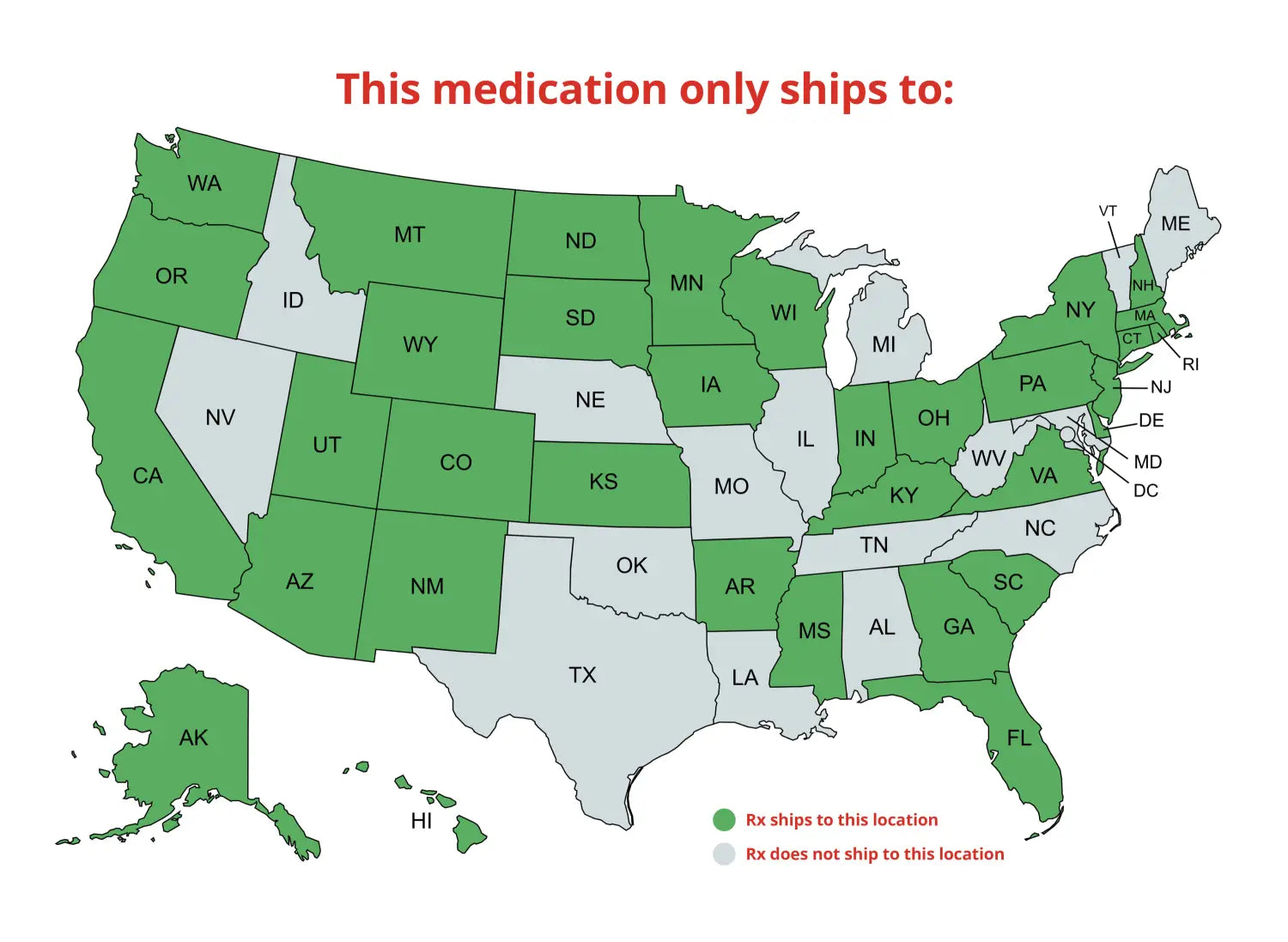
We offer ground, express, priority, and international delivery; see our shipping policy for details.
For return instructions or product concerns, please refer to our detailed refund policy.
Frequently Asked Questions
Q1: What is Diclofenac Sodium Topical Gel 1% used for in horses?
Ans: Diclofenac Sodium Topical Gel 1% is used to help control pain and inflammation associated with osteoarthritis in horses. Veterinarians often prescribe it for joints such as the hock, knee, fetlock, or pastern, where localized inflammation can affect comfort and mobility.
Q2: How does diclofenac work in horses?
Ans: Diclofenac is a non-steroidal anti-inflammatory drug that works by inhibiting enzymes responsible for producing inflammatory chemicals in the body. This action helps reduce swelling, pain, and stiffness in affected joints, supporting improved comfort and movement.
Q3: How often should Diclofenac Sodium Topical Gel be applied to a horse?
Ans: Veterinary guidance commonly recommends applying about a 5-inch ribbon of diclofenac gel to the affected joint twice daily. The gel should be rubbed thoroughly into the hair covering the joint to support proper absorption.
Q4: Which joint areas can Diclofenac Gel treat in horses?
Ans: Diclofenac topical gel is commonly used for joints affected by osteoarthritis, including the hock, knee, fetlock, and pastern. Applying the medication directly to the affected area helps provide targeted anti-inflammatory support.
Q5: How long does Diclofenac Sodium Topical Gel take to show results?
Ans: Many horses begin to experience improvement in comfort and joint mobility during the treatment period. Veterinarians often recommend a treatment course of up to 10 days, although the exact timeline depends on the horse’s condition.
Q6: Is Diclofenac Sodium Topical Gel a prescription medication?
Ans: Yes. Diclofenac Sodium Topical Gel for horses is a prescription medication that must be used under veterinary supervision to ensure safe administration, appropriate treatment duration, and proper monitoring during therapy.
Q7: Can Diclofenac Gel be used with other medications?
Ans: Horses receiving diclofenac gel should only use other medications if approved by a veterinarian. A veterinary professional can evaluate potential interactions and determine whether additional treatments are appropriate.
Q8: Are there precautions when applying Diclofenac Sodium Topical Gel?
Ans: Gloves should be worn during application to avoid accidental skin exposure. If the gel comes into contact with human skin, the area should be washed thoroughly with soap and water after handling the medication.
Q9: Can Diclofenac Sodium Topical Gel be used in all horses?
Ans: Diclofenac gel is not recommended for horses intended for human consumption. A veterinarian should also evaluate horses with known NSAID sensitivity or other health concerns before starting treatment.
Q10: How should Diclofenac Sodium Topical Gel be stored?
Ans: Diclofenac topical gel should be stored at controlled room temperature and protected from excessive heat or freezing. Keeping the container tightly closed helps maintain medication stability during the treatment period.