

Dog Days of Summer: Then & Now
Manan Chawla (Updated: Jul 08, 2026) 8 min read

From Ancient Skies to Modern Science – and How to Keep Pets Chill this Summer
Key Takeaways
What are the Dog Days of Summer?
When someone mentions, “It’s the dog days of summer,” they’re tapping into a phrase that traces back thousands of years. The term originally referred to a period in ancient Greece and Rome when Sirius, the brightest star in Canis Major – or the “Dog Star” – rose with the sun. That event coincided with the year’s hottest stretch, roughly July 3 to August 11.
Today, we know that Sirius has no effect on our weather; the peak heat stems from Earth’s southern tilt toward the sun. Still, the old myth survives in our language, and this time of year remains the hottest.
In this post, we’ll journey from myth to meteorology, exploring history and science, and wrapping it up with practical ways (and HardyPaw gear) to keep your pets safe and comfortable when temperatures soar.
The Origins of the Dog Days
Sirius & Ancient Skies
Thousands of years ago, the emergence of Sirius in the dawn sky signaled busy, unpredictable times for farmers and rulers. Called Seirios (“scorching”) by the Greeks and worshiped as Sothis by the Egyptians, Sirius’s rising marked the flooding of the Nile—and the onset of scorching summers.
In Mediterranean cultures, this link between Sirius and heat made sense—summer was at its peak, and daily high temperatures lined up with the star’s reappearance.
The Romans named this period dies caniculares, or Dog Days, and dreaded drought, fever, and hysteria during it. Physicians of that era tied the star to illness in both animals and people, deepening the season's grim reputation.

Folklore, Fear & Fables
For the ancients, Sirius wasn’t just hot-it was dangerous. Writings from Hesiod to Statius warned of Sirius fanning disease, insanity, and livestock illness.
They believed dogs panting wildly or biting without cause were under Sirius’s spell. The star’s fiery glare was blamed for “mad dogs” and even human madness.
Proverbs like "Dog Days bright and clear indicate a happy year; but when accompanied by rain…vineyards fear” show how weather lore grew around this period.
These tales helped people find meaning in extreme heat and built the mythosphere that defined the dog days.
Science Behind the Summer Swelter
Why It Gets So Hot?
Keeping Sirius aside, we now know the real reason summer scorches us is Earth’s axial tilt of roughly 23.5°. During summer, this tilt means sunlight strikes more directly and for longer each day, maximizing heating of the surface.
The lag between the longest daylight (solstice) and maximum heat is due to atmospheric and soil heat retention, much like an oven heating up even after it’s closed.
Add in high‑pressure systems, low wind, and urban concrete, and you get the blistering, stagnant heatwaves we now call “dog days.”
Do the Dog Day Myths Matter Today?
Despite centuries of dog days of summer superstitions, Sirius plays no role in Earth’s temperature. It’s over 8.6 light‑years away-about 51 trillion miles-and any heat increase we feel is all solar-driven.

Meteorologists emphasize that the phrase is symbolic; our orbit and axial tilt are the only scientifically significant forces.
Still, the name stuck, and now we rely on thermometers, weather satellites, and forecasts, rather than ancient lore, to guide how we live and protect our pets in extreme heat.
Dog Days & Our Pets – Modern Challenges
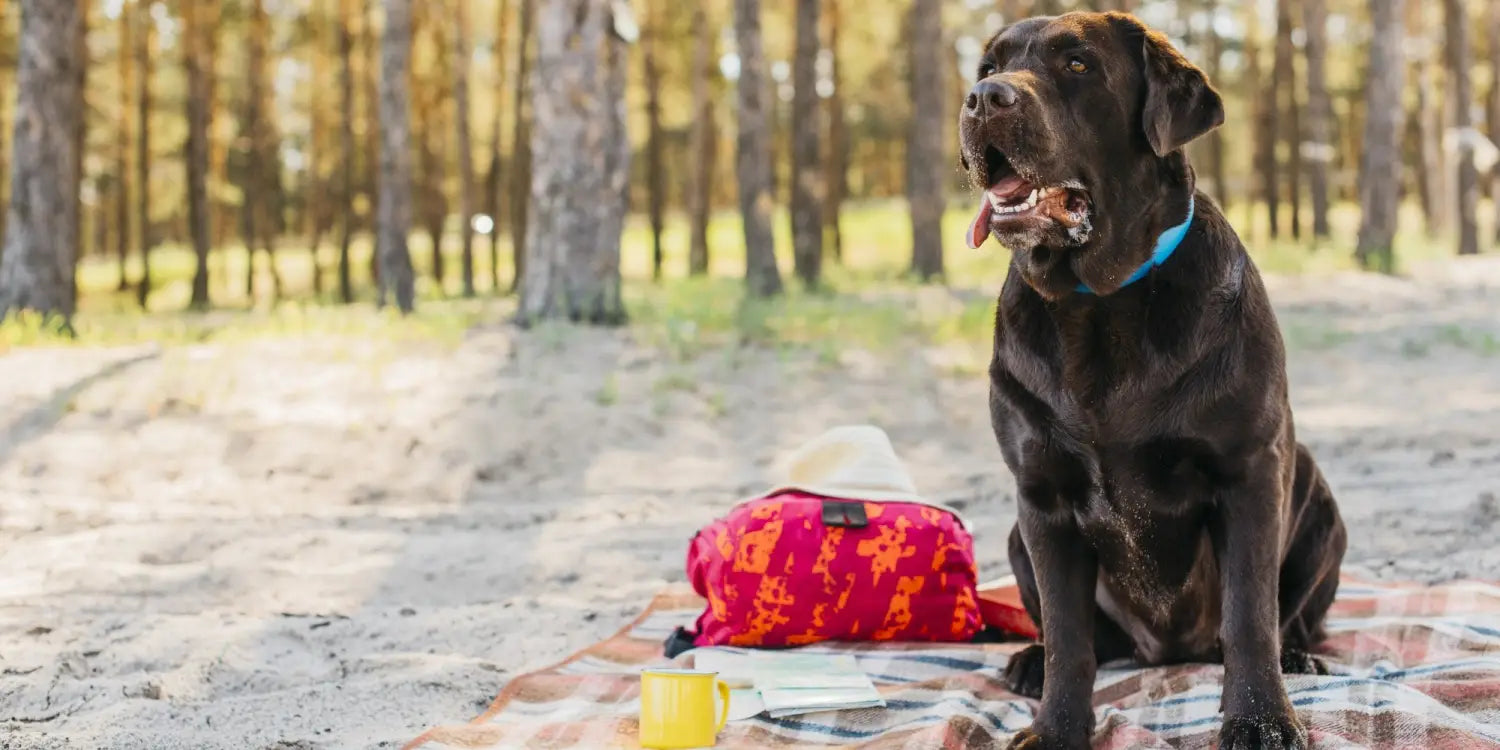
Our pets don’t sweat like we do-they have few sweat glands, no evaporative cooling, and rely mostly on panting and lying on cooler surfaces to drop their body temperature. Unfortunately, overheating can lead to dehydration, heat exhaustion, and even heatstroke, which can be life-threatening.
Symptoms include heavy panting, drooling, lethargy, bright red gums, and a high body temperature. If ignored, overheating can damage organs.
Paw pads take a hit too. Surfaces like asphalt, sand, and pavement can climb past 60°C (140°F) at midday, hot enough to burn skin in seconds. Loving your pet during a heat wave also means taking real steps to keep them safe.
What to Do If Your Dog Gets Heatstroke
Heatstroke sets in fast, and every minute it's left untreated makes it that much tougher to turn around, which is exactly why acting right away matters so much.
- Rush your dog to a shaded or air-conditioned spot immediately.
- Wet their paws, ears, and belly with lukewarm water, never ice.
- Let them drink slowly in small sips, not big gulps.
- Point a fan toward them to help the cooling along.
- Reach your vet or emergency clinic right away, even if they seem okay.
MidWest Homes for Pets Dry Paws Training and Floor Protection Pads 23"x24"
Recommended Products for your Pets


Beating the Heat HardyPaw Style!
Here are the top-rated HardyPaw cooling solutions that help your pets stay comfortable and safe in soaring temperatures:
-
Green Pet Shop Chillz Gel Mat: Pressure-activated, non-toxic gel mat that instantly cools under a pet’s weight. No electricity is required; it is easy to clean and reliable for indoor/outdoor use.
-
ZippyPaws Adventure Gear Blue Cooling Dog Vest: This clever vest includes hydrophilic cooling crystals that you simply soak in water, then slip it on your pup for up to 9 hours of evaporative cooling. Its reflective stripes enhance visibility during evening walks, making it perfect for hot-weather hikes or backyard adventures
-
KONG Water Wubba Floating Dog Toy: A must-have summer toy for water-loving dogs! The Wubba floats, squeaks, and is easy to toss-perfect for a refreshing game of fetch at the lake or splash pads at home. Made from durable materials designed for active fun, it helps pups stay engaged and cool in the heat.
Lifestyle Tips to Keep Pets Cool
- Time your walks around the heat. Mornings and evenings are cooler, and the ground has had a chance to settle down from the sun.
- Mash up banana or kefir, pour it into molds, and freeze it. Pets get a cold snack out of it, and it helps keep them hydrated too.
- Set out more than one water bowl of ice-cold water. Pets don't always signal thirst well once they've started overheating.
- Set up shaded spots around the house, whether that's near a fan or on top of a gel mat. Tile floors can actually trap heat even with the AC running.
- Trim and brush your pet's coat to help heat escape, but skip shaving double-coated breeds down to the skin, their coat is what shields them from sunburn and overheating in the first place.
The Dog Days Evolved – Smart and Safe
Once feared as a mysterious and dangerous phase tied to the Dog Star, the Dog Days of today are understood through the lens of meteorology. We’re no longer frantic under blazing skies-we’re informed, alert, and empowered to protect our pets.
With HardyPaw cooling mats and heat-smart care, your four-legged friends can thrive even in peak summer heat.
Science has replaced superstition, but owners' love for their pets remains the same.
Cooling Down
We may no longer worship stars, but the Dog Days of Summer still carry weight through heat advisories, sweaty afternoons, and pets needing care.
Armed with science, wisdom, and HardyPaw’s cooling products, you can move from superstition to confidence: keeping your pets cool, hydrated, and healthy all summer long.
Frequently Asked Questions
Q1: When are the dog days of summer?
Ans: The dog days of summer typically fall between July 3 and August 11 in the Northern Hemisphere. This period is known for its sweltering heat and humidity, often marking the hottest stretch of the year. While the exact dates may vary slightly by region, this 40-day window is generally recognized as the peak of summer's scorching temperatures.
Q2: Is Sirius visible during the dog days?
Ans: No, Sirius is not visible during the dog days of summer. This is because Sirius is located near the sun in the daytime sky during this period. Because it sits so close to the sun from our vantage point, the star gets washed out by the sun's brightness and can't be seen with the eye alone. Sirius will become visible again in the pre-dawn sky starting in late August or early September.
Q3: Which HardyPaw mat is best for large dogs?
Ans: For larger breeds, we recommend the Green Pet Shop Cool Pet Pad in either Large or X-Large sizes. The Large pad measures 27.5" x 19.7", while the X-Large offers an even more spacious 27.5" x 43.3" cooling surface. Both sizes are made with durable, puncture-resistant material, ensuring long-lasting comfort and support for your big furry friend. The non-toxic, pressure-activated gel keeps your dog cool and content without any electricity or refrigeration needed.
Q4: How can I prevent paw burns?
Ans: To prevent painful paw burns, always check the pavement temperature before walking your dog. Try placing your hand or bare foot on the surface for at least 7 seconds. If it's too hot for you to hold comfortably, it's too hot for your pup's delicate paw pads. On scorching days, stick to grassy areas or shaded paths, and consider using HardyPaw's cooling gel mats to give your dog a comfortable place to rest their paws when outside.
Q5: What are some signs that my dog is overheating?
Ans: Watch for excessive panting, drooling, difficulty breathing, weakness, confusion, vomiting, or collapse. If you notice these signs, cool your dog down gradually and contact your vet immediately, as heatstroke can be life-threatening. Prevention is key, so always provide fresh water, shade, and rest when it's hot outdoors.
Q6: Why do they call it the "dog days of summer"?
Ans: The phrase "dog days of summer" comes from ancient Greek and Roman astronomy. What they observed was a pattern: summer's peak heat lined up with Sirius climbing into view, the standout star of Canis Major, a constellation name that translates to "Greater Dog." This period, from early July to mid-August, became known as the "dog days" because of this celestial connection to the Dog Star. While we now know Sirius doesn't actually affect our weather, the catchy name has stuck around for centuries as a folkloric way to describe the peak of summertime heat.
Related Articles


Recent Articles


