


What Is the Best Flea and Tick Medication for Cats?
The most impactful flea and tick treatment for cats is one that uses clinically proven active ingredients such as fluralaner, selamectin, imidacloprid, or spinosad, each designed to eliminate parasites by targeting their nervous system and stopping their life cycle. In practice, fluralaner-based treatments stand out for long-term control, as they kill both fleas and ticks and continue working for up to 12 weeks, reducing the risk of reinfestation.
The right choice depends on your cat’s exposure risk and health needs. For example, selamectin-based topicals are often preferred when broader parasite protection is needed, while spinosad-based oral medications are useful for quickly clearing active flea infestations. Consistent use of the appropriate product is what ultimately keeps your cat protected.
Quick Picks (Based on Practical Use Cases)
Best overall:
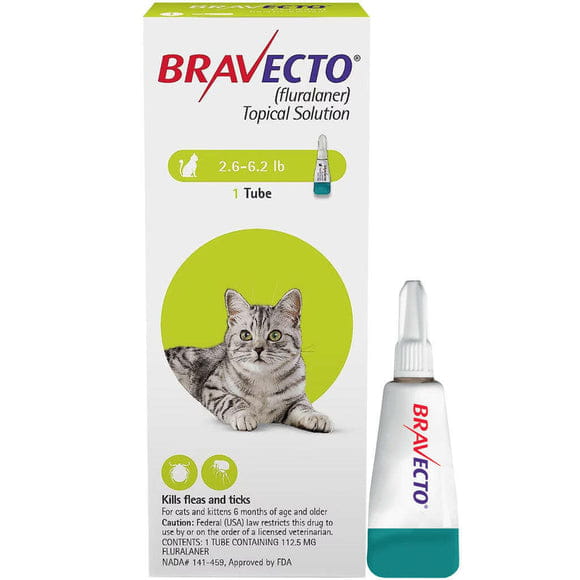
- Contains fluralaner, providing reliable flea and tick control for up to 12 weeks with a single dose
Best for indoor cats:
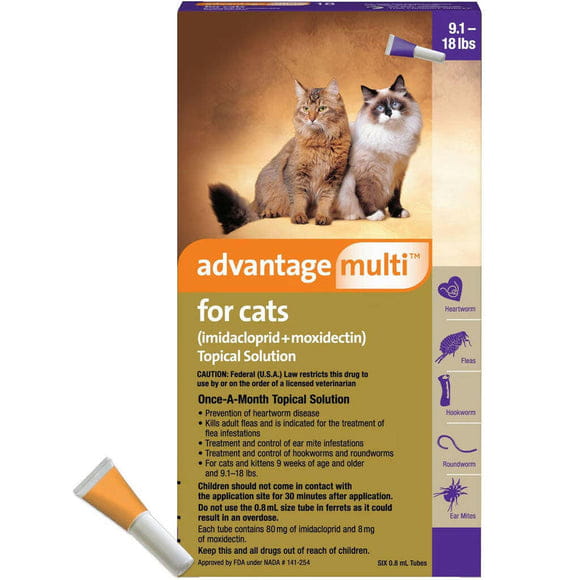
- Combines imidacloprid + moxidectin to control fleas and protect against additional internal parasites, ideal for lower tick exposure environments
Best fast-acting oral option:
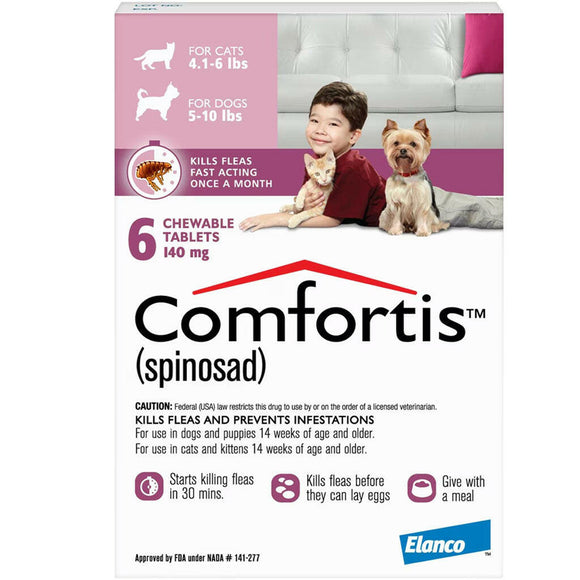
- Uses spinosad to start killing fleas quickly, making it useful for active infestations
Why Do Cats Need Flea and Tick Prevention Year-Round?
Cats need flea and tick prevention all year because parasites survive hot and cold temperatures by adapting to their surroundings and finding shelter in protected environments. Fleas can live and reproduce indoors in carpets, bedding, and furniture, while ticks can remain active during mild winters or attach to hosts to survive colder conditions.
Regular prevention works by stopping these parasites before they settle and multiply. This approach is far more effective than trying to eliminate an infestation after it has already spread throughout your cat and home.
Indoor vs Outdoor Risk
Outdoor cats are naturally at higher risk due to direct exposure to grass, soil, and other animals. However, indoor cats are not fully protected. Fleas and ticks can find their way to your home through clothing, shoes, other pets, or even open windows, making indoor-only lifestyles less protective than many assume.
Why Prevention Is Easier Than Treatment
Once fleas establish themselves, they spread quickly across your cat and home. Eggs, larvae, and pupae can hide in carpets, bedding, and furniture, making complete elimination time-consuming. Preventive medications work by killing parasites early or stopping their development, which avoids large infestations and repeated treatments.
Key Takeaways
- Fleas breed fast and can take over your home in a matter of days
- Indoor cats are still at risk through indirect exposure
- Monthly prevention is the most reliable way to maintain protection
What Kinds of Flea and Tick Medications for Cats Are Available?
Flea and tick medications for cats are available in several forms, each designed to work in a slightly different way depending on your cat’s needs, lifestyle, and level of exposure. Understanding how each type works helps you choose a treatment that is both effective and easy to use consistently.
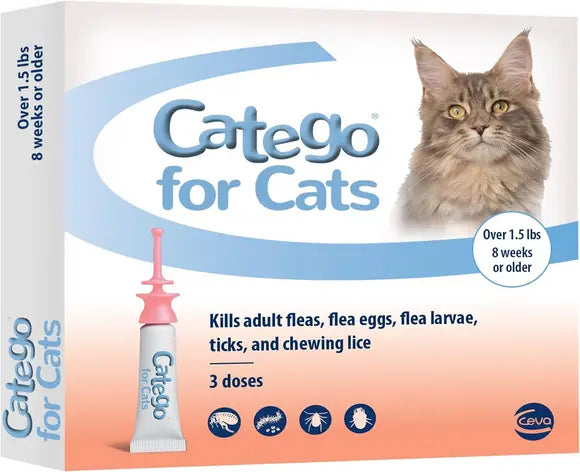
1. Topical Treatments (Spot-On)
What they are:
Spot-on treatments are liquid medications applied directly to your cat’s skin, usually at the back of the neck where they cannot lick it off.
How they work:
These treatments spread through the skin’s natural oils or enter the bloodstream, depending on the formula. They kill parasites either on contact or when the parasite feeds.
Duration:
Most topical treatments provide protection for about 30 days, while some advanced options can last longer.
2. Oral Flea Medications
How they work:
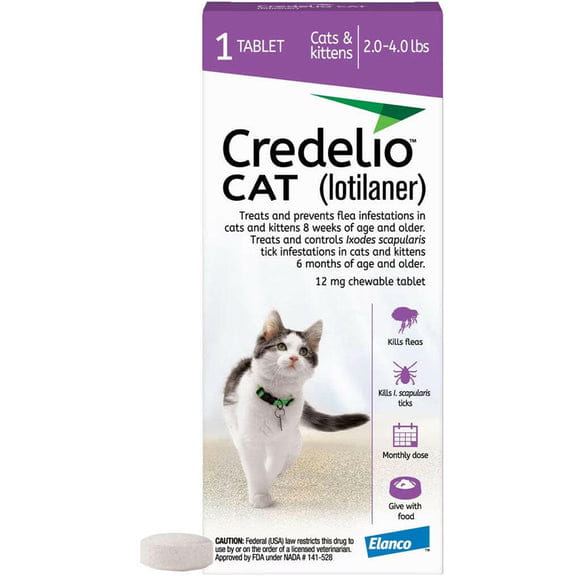
Oral medications are given as chewable tablets. They enter the bloodstream, and fleas or ticks are killed when they bite your cat.
Speed and effectiveness:
Many oral treatments act quickly, often starting to kill fleas within a few hours. They are especially useful for active infestations where fast relief is needed.

3. Sprays and Shampoos
Short-term use only:
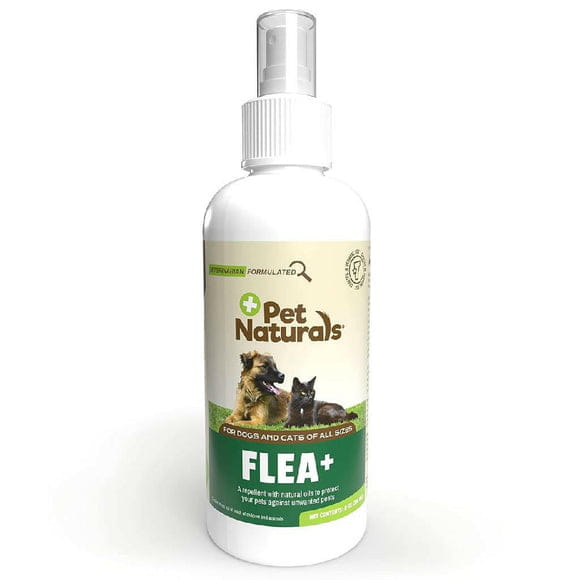
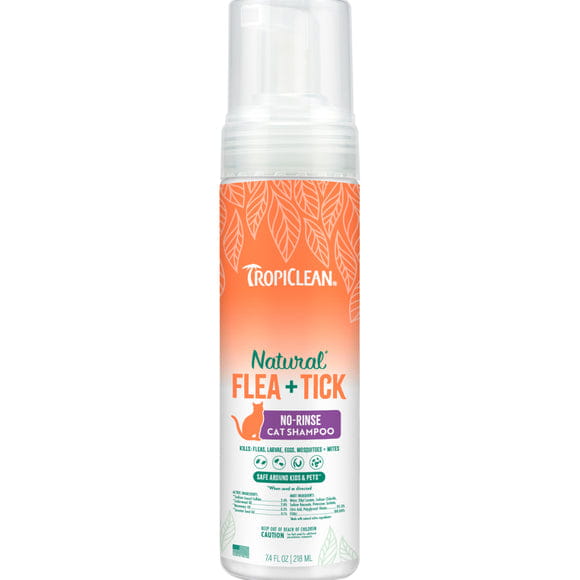
These products provide immediate but temporary relief by killing fleas and ticks on contact.
When they are useful:
They are best used during active infestations or as a supportive step alongside longer-term treatments, not as a primary prevention method.
4. OTC vs Prescription Treatments
Over-the-counter (OTC):
- Easily available without a vet prescription
- Generally effective for mild to moderate flea control
- Limited in coverage compared to prescription options
Prescription (Rx):
- Recommended for stronger, more targeted protection
- Often cover multiple parasites (fleas, ticks, worms, mites)
- Use advanced active ingredients with higher efficacy and safety when properly prescribed
Quick Comparison of the Best Flea and Tick Medications for Cats
| Product | Type | Duration | Kills Fleas | Kills Ticks | Best For |
|---|---|---|---|---|---|
| Comfortis Chewable Tablets | Oral (Rx) | 1 month | ✅ | ❌ | Fast-acting flea treatment |
| Credelio Chewable Tablets for Cats | Oral (Rx) | 1 month | ✅ | ✅ | Oral flea + tick protection |
| Selarid Topical Solution | Topical (Rx) | 1 month | ✅ | ❌ (limited) | Multi-parasite protection |
| Advantage Multi Topical Solution | Topical (Rx) | 1 month | ✅ | ❌ | Indoor cats + parasite control |
| Bravecto Topical Solution | Topical (Rx) | Up to 12 weeks | ✅ | ✅ | Long-lasting flea + tick protection |
| Catego Spot Treatment | Topical (OTC) | 1 month | ✅ | ✅ | Affordable flea + tick control |
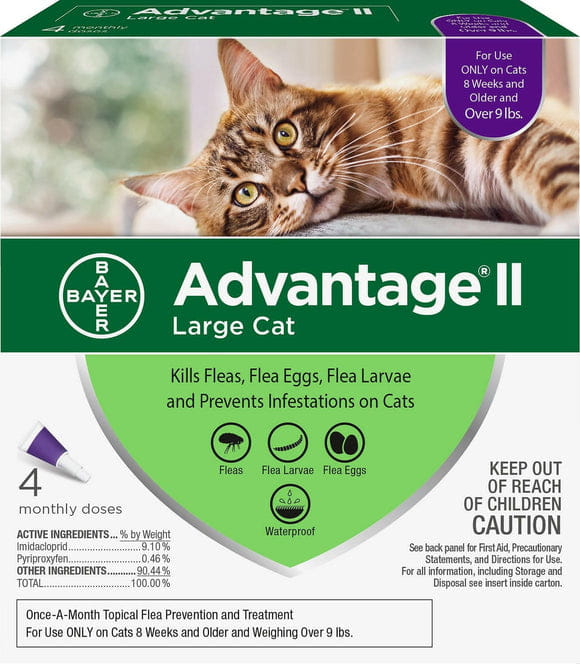
| Advantage II Flea Control | Topical (OTC) | 1 month | ✅ | ❌ | Flea-only prevention |
| Sergeant’s Guardian Collar | Collar (OTC) | Up to several months | ✅ | ✅ | Long-term passive protection |
| TropiClean No-Rinse Shampoo | Shampoo (OTC) | Short-term | ✅ | Limited | Immediate relief during infestations |
| Pet Naturals Flea & Tick Spray | Spray (OTC) | Short-term | ✅ | Limited | Environmental + supportive use |
What Is the Best Flea Treatment Based on Your Cat’s Needs?
The best flea treatment depends on your cat’s lifestyle, age, and exposure risk, not just the product itself. Indoor cats, outdoor cats, and kittens all have different needs, so choosing the right medication ensures both safety and effectiveness.
Best Flea Treatment for Indoor Cats
Advantage Multi Topical Solution for Cats
Indoor cats are still at risk, but they typically need reliable flea control with minimal tick exposure. Advantage Multi works well because it uses imidacloprid to kill fleas and adds moxidectin for internal parasite protection, making it a practical all-in-one option for home-based cats.
Best Flea Treatment for Outdoor Cats
Bravecto Topical Solution for Cats
Outdoor cats face higher exposure to both fleas and ticks, so they need broad-spectrum and long-lasting protection. Bravecto, powered by fluralaner, kills both fleas and ticks and continues working for up to 12 weeks, reducing the risk of reinfestation in high-exposure environments.
Best Flea Treatment for Kittens
Selarid Topical Solution for Cats
Kittens require gentle but effective treatments that are safe for their age and weight. Selarid, based on selamectin, is commonly used because it provides flea control along with protection against ear mites and certain internal parasites, while being suitable for younger cats when used as directed.
Best Long-Lasting Flea Medication
Bravecto Topical Solution for Cats
For owners who want fewer applications and better consistency, Bravecto stands out. Its 12-week duration means fewer missed doses, which is one of the most common reasons flea treatments fail in real-world use.
How Do You Apply Flea and Tick Treatments Safely?
Applying flea and tick treatments correctly is just as important as choosing the right product. Even effective medications can fail or cause side effects if they are used incorrectly, so following proper application methods ensures both safety and full protection.
How to Apply Spot-On Treatments
Where to apply:
Place the solution on your cat’s skin at the back of the neck, right between the shoulder blades. This area prevents your cat from licking the medication and allows it to spread naturally through the skin’s oils.
Frequency:
Most spot-on treatments are applied once every 30 days, while some long-acting options may last longer. Always follow the product’s labeled schedule and avoid applying more frequently than recommended.
Common Safety Mistakes to Avoid
Using dog products on cats:
Never use flea treatments made for dogs on cats. Some dog products contain ingredients like permethrin, which are extremely poisonous to cats and may lead to severe reactions.
Overdosing:
Using more than the recommended dose does not improve effectiveness and can increase the risk of side effects. Always match the product to your cat’s weight and age.
Mixing treatments:
Avoid combining multiple flea treatments unless specifically advised by a veterinarian. Mixing products can lead to overexposure to active ingredients and potential toxicity.
Conclusion
Keeping up with consistent flea and tick control is a straightforward method to shield your cat from chronic irritation, dermatological problems, and serious medical complications. Using the right treatment on a regular schedule helps stop parasites before they become a larger problem, saving both time and effort in the long run.
Choosing vet-recommended medications with proven active ingredients ensures reliable protection, especially when matched to your cat’s lifestyle and needs. Whether you prefer topical, oral, or long-lasting options, the key is consistency and correct usage.
By staying proactive and selecting effective treatments, you can keep your cat comfortable, healthy, and protected year-round without the stress of dealing with recurring infestations.
FAQs About Flea and Tick Medications for Cats
Q1: What is the safest flea & tick treatment for cats?
Ans: The safest flea medications for cats are vet-approved products with well-studied active ingredients such as selamectin, fluralaner, imidacloprid, or spinosad. These ingredients are specifically formulated for cats and are considered safe when used correctly based on your cat’s weight and age.
For example:
- Selarid Topical Solution uses selamectin, which provides broad parasite protection
- Bravecto Topical Solution contains fluralaner, known for long-lasting flea and tick control
- Advantage Multi and Advantage II use imidacloprid, effective for reliable flea control
- Comfortis Chewable Tablets contain spinosad, which works quickly to eliminate fleas
Q2: What is the most effective type of flea and tick treatment?
Ans: The most effective type of flea and tick treatment for cats is topical or oral medication, with the best choice depending on your cat’s needs and your ability to apply it consistently.
-
Topical treatments (spot-on) are the most commonly used and widely effective. They provide consistent monthly protection, are easy to apply, and many options cover multiple parasites. This makes them a reliable choice for most cats.
-
Oral medications are highly effective, especially for fast flea elimination. Because they work through the bloodstream, they ensure parasites are killed when they bite, which can be useful in active infestations or when topical application is difficult.
- Sprays and shampoos are the least effective as a primary solution. They only provide short-term relief and do not offer lasting protection, so they are best used as supportive treatments rather than standalone prevention.
Q3: How fast do flea treatments work?
Ans: Most flea treatments start working within a few hours to 24 hours. Oral medications often act faster, while topical treatments may take slightly longer to spread and reach full effectiveness. You may still see fleas for a few days as newly hatched fleas come into contact with the treatment.
Q4: Can indoor cats get fleas?
Ans: Yes, indoor cats can get fleas. Parasites can enter your home through clothing, shoes, other pets, or open windows, making prevention important even for cats that never go outside.
Q5: Are flea collars safe for cats?
Ans: Modern flea collars are generally safe when used correctly and designed specifically for cats. It’s important to choose a well-fitted collar, monitor for skin irritation, and avoid using dog collars, which may contain ingredients that are unsafe for cats.
Q6: How Do Vets Treat Fleas and Ticks on Cats?
Ans: Veterinarians treat fleas and ticks in cats by combining fast-acting relief with long-term prevention. They typically start with a medication that quickly kills existing fleas, such as an oral or topical treatment, to reduce discomfort and stop active biting.
Once the immediate problem is controlled, vets switch to a consistent preventive treatment like a monthly topical or a longer-lasting option. At the same time, they address the source by recommending home cleaning and environmental control, since many fleas live off the cat. This step-by-step approach helps eliminate the current infestation and prevents it from coming back.
Related Articles


Recent Articles