

Product title
Vendor
£19.99 | £24.99
Product title
Vendor
£19.99 | £24.99
Product title
Vendor
£19.99 | £24.99
Product title
Vendor
£19.99 | £24.99
Broad-Spectrum Infection Treatment for Dogs and Cats
Product Description
Marboquin (marbofloxacin) 200 mg tablets are a veterinary prescription antibiotic formulated for dogs and cats. They treat bacterial infections of the skin, soft tissues, and urinary tract. This fluoroquinolone is quickly absorbed and has high bioavailability. It allows for once daily dosing, which helps veterinarians manage infections effectively while ensuring good tissue penetration and a strong clinical response.
Benefits
- High Bioavailability: Approximately ninety-four percent oral bioavailability ensures consistent absorption and reliable therapeutic drug concentrations in treated animals.
- Broad Spectrum Coverage: Effective against a wide range of gram-positive and gram-negative bacteria commonly causing infections in pets.
- Deep Tissue Penetration: Distributes widely in body tissues like skin, kidneys, and the urinary tract. This helps manage infections effectively across different areas.
- Once Daily Dosing: Its long elimination half-life allows for convenient once daily administration. This improves treatment compliance for pet owners and caregivers.
- Veterinary Approved Use: It is specifically indicated for bacterial skin, soft tissue, and UTIs caused by susceptible bacteria in dogs and cats.
Ingredients
Marbofloxacin 200 mg per tablet
How to Use
Recommended-Dosage Chart
|
Pet Species |
Recommended Dose |
Frequency |
Duration |
|
Dogs |
1.25 mg per lb body weight (may increase to 2.5 mg per lb) |
Once daily |
Skin infections: 2 to 3 days beyond clinical signs, up to 30 days |
|
Cats |
1.25 mg per lb body weight (may increase to 2.5 mg per lb) |
Once daily |
As directed by the veterinarian |
|
Dogs (Urinary Tract Infection) |
1.25 mg per lb body weight (may increase to 2.5 mg per lb) |
Once daily |
Minimum 10 days |
Dosage & Administration Instructions
- Veterinary Prescription Only: This medication must be used strictly under the supervision or prescription of a licensed veterinarian for safety.
- Weight-Based Dosing: Administer according to your pet’s body weight with guidance from your veterinarian to ensure proper therapeutic dosing.
- Once Daily Administration: Give orally once daily as directed and maintain a consistent schedule each day for the best drug effectiveness.
- Treatment Duration: Continue treatment for the entire prescribed period, even if symptoms improve early, to prevent bacterial resistance.
- Reevaluation Needed: If you don’t notice improvement within 5 days, consult your veterinarian for reassessment.
Disclaimer: This dosage information is provided by the manufacturer. Always consult your veterinarian before administering or adjusting any supplement for your pet.
Additional Information
Precautions
- Growing Animals Risk: Avoid use in young dogs and cats because it may harm their cartilage during fast growth stages.
- CNS Disorders Caution: Use with care in animals with central nervous system issues since quinolones may raise the risk of seizures.
- Breeding Safety Unknown: The safety for breeding, pregnant, or nursing animals is not known. A veterinarian should assess the risks before use.
- Drug Interactions: Do not administer with supplements or medications that contain calcium, iron, magnesium, zinc, or aluminum because they can interfere with absorption.
- Human Exposure Warning: People who are sensitive to fluoroquinolones should avoid contact and limit sunlight exposure after accidental handling.
Possible Side Effects
- Reduced Appetite: Some dogs may have a lower appetite or be less active while receiving marbofloxacin treatment.
- Digestive Upset: Vomiting, diarrhea, or soft stools have been seen in both dogs and cats during clinical studies.
- Behavior Changes: Rare neurological signs like tremors, ataxia, or changes in behavior may happen in treated animals.
- Increased Thirst: Some treated dogs may experience more thirst during their therapy.
Storage Information
- Room Temperature Storage: Store tablets at room temperature maintained between 20°C and 25°C for stability and effectiveness.
- Child Safety: Keep medication away from children and pets' reach to prevent accidental exposure or ingestion.
- Original Packaging: Maintain tablets in original container with lid tightly closed to protect from environmental exposure.
Shipping & Return
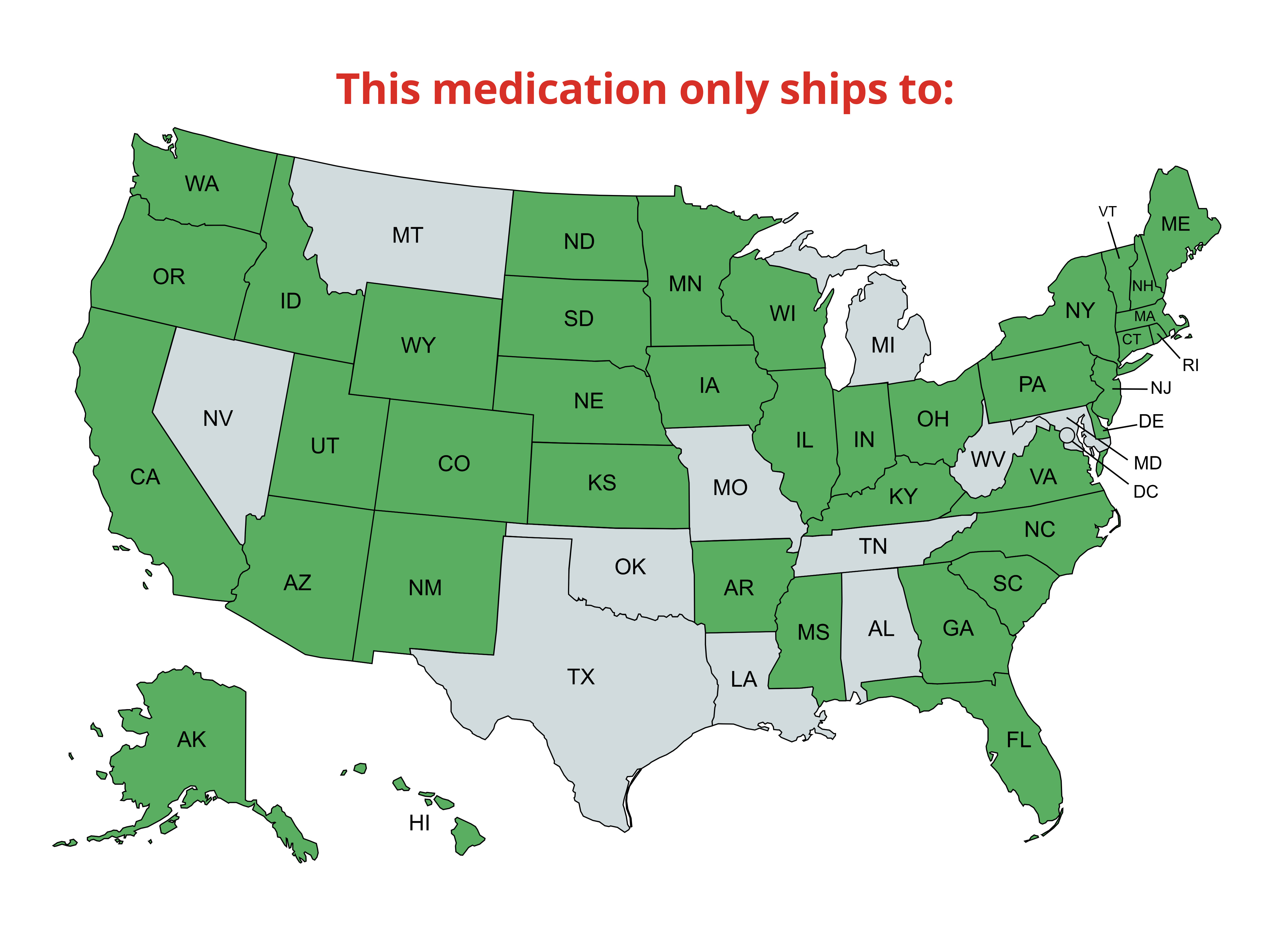
We offer ground, express, priority, and international delivery; see our shipping policy for details.
For return instructions or product concerns, please refer to our detailed refund policy.
Prescription items are NON-RETURNABLE and NON-REFUNDABLE.
Frequently Asked Questions
Q1: What infections does Marboquin treat in dogs and cats?
Ans: Marboquin is prescribed for dogs and cats dealing with bacterial infections caused by germs that respond to marbofloxacin. This includes skin infections, soft tissue infections, and urinary tract infections in dogs. in dogs. Your veterinarian will assess whether it's appropriate for your pet based on their diagnosis and the results of bacterial susceptibility testing.
Q2: How is Marboquin typically dosed for pets?
Ans: The recommended dosage is 1.25 mg/pound of body weight administered orally once daily, which may be increased to 2.5 mg/pound if required. Treatment duration depends on infection type and clinical response, as directed by your veterinarian.
Q3: Can Marboquin be given to puppies or kittens?
Ans: Marboquin should not be given to young dogs during their rapid growth periods or to cats under twelve months old. Fluoroquinolone antibiotics can lead to cartilage problems in growing animals. It is important to consult a vet before giving this medication to young pets.
Q4: Are there any medications or supplements that interact with Marboquin?
Ans: Products that contain calcium, magnesium, aluminum, iron, or zinc can affect how well marbofloxacin is absorbed and may lower its effectiveness. This includes antacids, mineral supplements, and sucralfate. Your veterinarian might suggest taking these at different times or not using them together at all.
Q5: What should I do if my pet does not improve during treatment?
Ans: If there is no noticeable improvement within five days of treatment, the diagnosis should be reevaluated by a veterinarian. A different therapy may be considered depending on clinical findings, bacterial response, or underlying health conditions affecting recovery.