
 4th of July Sale - 17% OFF sitewide | Use code: JULY4PETS
Product title
Vendor
£19.99 | £24.99
Product title
Vendor
£19.99 | £24.99
Product title
Vendor
£19.99 | £24.99
Product title
Vendor
£19.99 | £24.99
Cholinergic Eye Drops for Dry Eye and Glaucoma Management in Dogs
Product Description
Pilocarpine HCl 1% Ophthalmic Solution is a prescription cholinergic eye medication used by veterinarians to treat neurogenic keratoconjunctivitis sicca and primary glaucoma in dogs. It works by activating parasympathetic receptors in the eye and the nerves that drive tear production, which encourages tear secretion and helps aqueous fluid drain more freely to bring eye pressure down. For neurogenic dry eye, this solution is typically given orally in food rather than applied directly to the eye, which sets it apart from most ophthalmic solutions. It is used off-label across all veterinary species.
Benefits
- Neurogenic Dry Eye Treatment: Encourages tear gland activity in dogs with neurogenic KCS tied to nerve damage or immune-related tear gland dysfunction.
- Glaucoma Pressure Control: Brings elevated intraocular pressure down by tightening the pupil and supporting better aqueous humor drainage in dogs with primary glaucoma.
- Gentle Lower Concentration: The 1% concentration offers milder cholinergic stimulation, making it a good fit for neurogenic KCS and early or mild glaucoma management.
- Cranial Nerve Assessment: Helps veterinary ophthalmologists identify cranial nerve III lesions by watching how the pupil responds to this medication.
- Convenient Dropper Bottle: A sterile 15mL dropper bottle with around 20 drops per milliliter makes keeping up with consistent daily dosing straightforward for pet owners.
Ingredients
Active Ingredients
Pilocarpine Hydrochloride 1%
How to Use
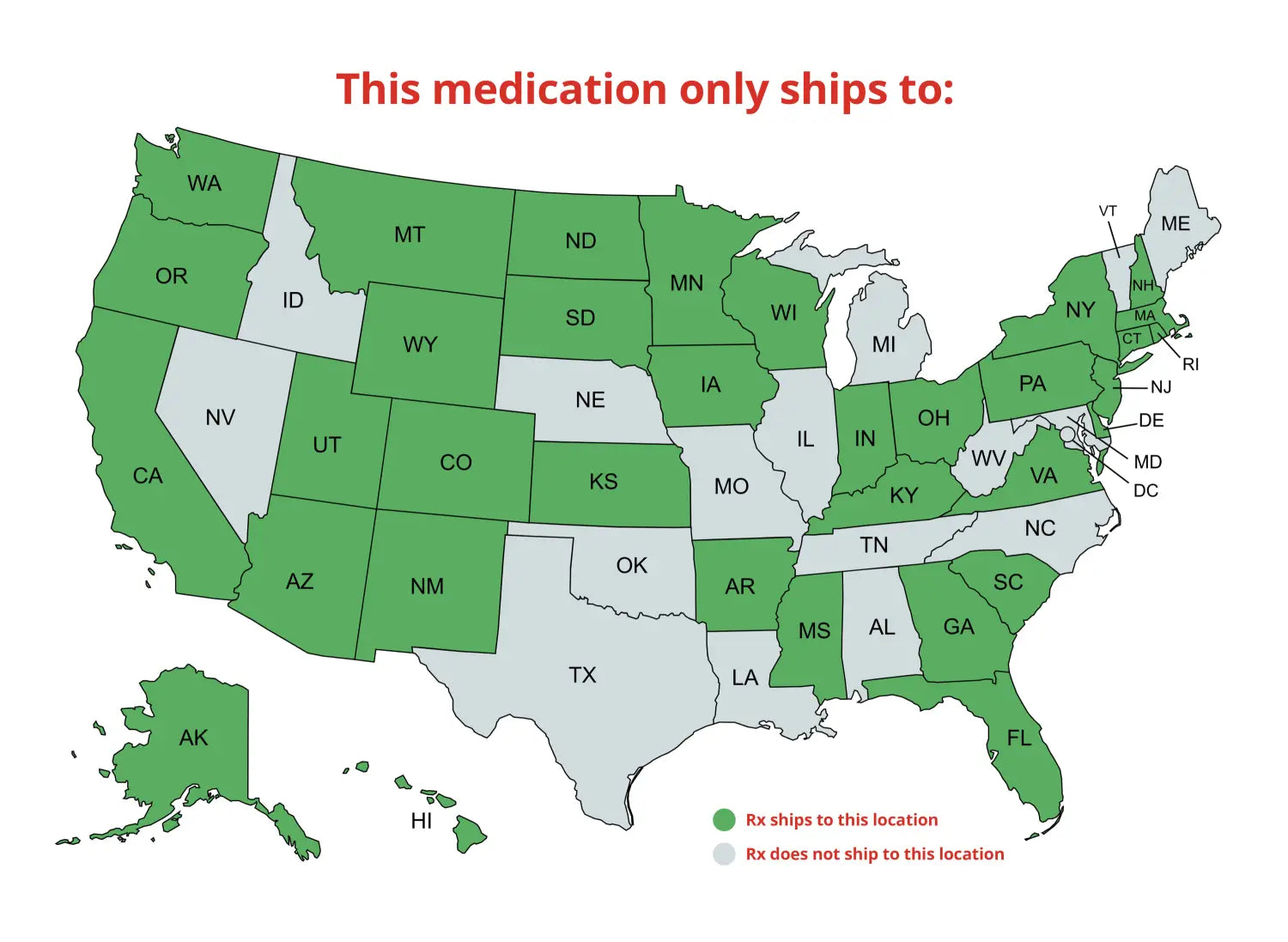
Pilocarpine HCl 1% Ophthalmic Solution is a prescription-only medication. A valid veterinarian prescription is required to purchase this product.
Please follow your veterinarian's specific instructions for the dosage and administration of this medication for your pet.
Disclaimer: Dosage and administration of this medication must be determined by a licensed veterinarian. Always consult your veterinarian before administering or adjusting any prescription medication for your pet.
Additional Information
Precautions
- Avoid in Secondary Glaucoma: Pets with secondary glaucoma should not receive this medication, as it is only suited for primary open-angle glaucoma.
- Avoid in Uveitis and Lens Luxation: Eyes dealing with active uveitis or anterior lens luxation should not receive this medication, as pupil constriction may make both conditions worse.
- Caution in Retinal Disease: Dogs with a past history of retinal disease, retinal tears, or cataract surgery need a veterinary review before this medication is started.
- Caution in Systemic Conditions: Pets with heart failure, asthma, hyperthyroidism, epilepsy, stomach ulcers, or urinary obstruction need close monitoring on this medication.
- Caution in Pregnancy: How this medication affects pregnant or nursing animals is not fully known, so it should only be used with direct veterinary guidance.
- Keep Dropper Tip Sterile: The dropper tip should be kept well away from the eye, skin, and all surfaces to keep the solution from becoming contaminated.
- Space Multiple Eye Medications: Other eye drops being used at the same time should be spaced at least five minutes apart to prevent the drops from interfering with each other.
Possible Side Effects
- Conjunctival Redness and Irritation: Some redness and irritation at the application site can come up but tends to clear within a few days in most pets.
- Poor Vision in Dim Light: With the pupil pulled tighter by this medication, less light reaches the eye, which can make it harder for dogs to see in dim conditions.
- Systemic Toxicity Signs: Heavy drooling, vomiting, diarrhea, increased urination, and irregular heart rhythm may point to systemic absorption and need immediate veterinary attention.
- Accidental Ingestion Signs: If swallowed, the pet may show heavy salivation, vomiting, diarrhea, and tearing; rinse the mouth and eyes with water and contact a veterinarian right away.
Storage Information
- Room Temperature: Store vials somewhere cool and dry, maintaining a temperature of 59°F to 77°F and keeping them away from heat sources.
- Protect From Light and Freezing: Both direct sunlight and freezing temperatures can break down the solution, so a stable, shaded, and consistently above-freezing spot is best.
- Cap Secured After Use: Pressing the cap back on firmly after every application keeps the sterile solution protected from contamination between uses.
NOTE: For generic medications, the product image shown may not reflect the actual item received. Generic medications can vary in size, color, and shape between orders depending on the manufacturer. Additionally, your medication may arrive packaged in a HardyPaw Pharmacy vial.
Shipping & Return
We offer ground, express, and priority delivery; see our shipping policy for details.
For return instructions or product concerns, please refer to our detailed refund policy.
Prescription items are NON-RETURNABLE and NON-REFUNDABLE.
Frequently Asked Questions
Q1: How is pilocarpine 1% used differently from the 4% concentration for dogs?
Ans: Pilocarpine 1% is mainly used for neurogenic dry eye in dogs, given orally in food to get tear production going. It can also be applied topically for mild or early glaucoma. The 4% concentration is reserved for primary glaucoma cases where a stronger reduction in intraocular pressure is what the situation calls for.
Q2: Why is pilocarpine for dry eye given orally rather than as an eye drop in some dogs?
Ans: In neurogenic KCS, the issue lies with the nerves that drive tear production rather than the eye surface itself. Taking the medication orally in food lets it reach those nerve pathways more directly than a topical drop would. A veterinarian will decide whether oral or topical use is the better fit based on the dog's type of dry eye.
Q3: How will my veterinarian know if pilocarpine is working for my dog's dry eye?
Ans: A veterinarian will check how well the eyes are responding at follow-up visits using the Schirmer tear test to measure tear output and by looking at the overall condition of the eye surface. From there, the dose gets adjusted over time, going up if tear production needs more support and coming down if the body starts showing signs of systemic effects.
Q4: Can pilocarpine ophthalmic solution be used in cats for dry eye?
Ans: Topical use of pilocarpine in cats is generally avoided due to the toxicity risk that comes with standard concentrations. A very dilute oral form may be considered in some cats under close veterinary supervision. A veterinarian will assess whether pilocarpine is a safe and suitable option for the cat's individual condition.
Q5: What should I do if my dog accidentally ingests pilocarpine solution?
Ans: Get in touch with your veterinarian or an animal poison control center right away if a significant amount is swallowed. Heavy salivation, vomiting, diarrhea, and tearing are signs to watch for. Rinsing the mouth and eyes with water is a sensible first step, and getting veterinary help quickly is important rather than waiting to see how things develop.