

Bravecto vs Simparica - Which Offers Best Flea & Tick Protection for Dogs
Edward Simmons (Updated: Apr 30, 2026) 19 min read

Protecting your dog from parasites like fleas and ticks isn’t optional; it’s essential for their long-term health and comfort.
The Companion Animal Parasite Council (CAPC) forecasts for 2025 indicate a continued expansion of vector-borne diseases across the United States. Notably, Lyme disease, ehrlichiosis, anaplasmosis, and heartworm are spreading into new regions, with the Upper Midwest and Northeast remaining high-risk areas for Lyme disease. [source]
There are many popular flea and tick treatments available. Bravecto and Simparica are two leading options chosen by pet owners under veterinary guidance.
Key Takeaways
These veterinarian-approved oral treatments combat fleas and ticks associated with parasite-related health risks, including tick-borne concerns such as Lyme disease and ehrlichiosis.
At HardyPaw, we've developed this comprehensive, veterinarian-informed comparison of Bravecto vs. Simparica to assist pet owners in making informed choices.
Backed by clinical research and real-world usage data, this guide will help you determine which flea and tick treatment best aligns with your dog's lifestyle, health status, and expectations as a pet parent.
Let’s compare how Bravecto and Simparica differ in duration, tick coverage, administration, and safety considerations.
What is Bravecto and How Is It Used?
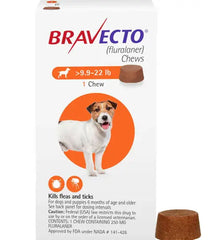
Bravecto is a veterinarian-prescribed oral chewable tablet/topical solution formulated to prevent flea infestations and control tick populations in dogs.
Manufactured by Merck Animal Health, its active ingredient, Fluralaner, works by inhibiting the nervous system of external parasites, resulting in the rapid killing of fleas and ticks before they can reproduce or transmit disease.
This oral flea and tick preventative is dosed once every 12 weeks, offering significantly longer protection compared to monthly alternatives.
Pet owners appreciate Bravecto for its extended duration, as it eliminates the need for frequent dosing and reduces the risk of missed treatments, a common issue in monthly regimens.
The chewable is available in multiple sizes to suit various weight categories and should be administered with food according to the product label.
How Fast Does Bravecto Start Working?
Bravecto starts killing fleas within 2 hours of administration and achieves over 98% flea kill within 8 hours.
- When it comes to tick control, the product is equally fast-acting. Bravecto has been shown to begin killing ticks within 12 hours, which helps prevent the transmission of tick-borne pathogens like Borrelia burgdorferi (Lyme disease) and Ehrlichia canis (Ehrlichiosis).
- Because Bravecto maintains therapeutic levels in the bloodstream for up to 12 weeks, it provides continuous protection between doses.
- This extended kill window disrupts the parasite life cycle and makes Bravecto an excellent option for preventing reinfestation, especially in high-risk tick regions.
Is Bravecto Safe for Dogs?
Yes, Bravecto is considered safe for most dogs when used as prescribed by a veterinarian. It’s an FDA-approved flea and tick treatment that provides up to 12 weeks of continuous protection with just one chewable tablet. Bravecto is recommended for dogs 6 months or older and weighing at least 4.4 pounds.
Veterinarians also recommend Bravecto for breeding, pregnant, and lactating dogs provided it’s administered under supervision. Its long duration of action reduces the need for frequent re-dosing, which many owners find convenient and easier to manage.
However, if your pet has a history of neurological conditions, such as epilepsy, always consult your vet before starting treatment. The isoxazoline compound (Fluralaner) used in Bravecto has been flagged by the FDA for potential neurological sensitivity in rare cases. (FDA Safety Guide)
What Are the Side Effects of Bravecto?
The most common side effects reported after giving Bravecto to dogs are usually mild and include:
- Vomiting
- Diarrhea
- Decreased appetite
- Lethargy
What Parasites Does Bravecto Protect Against?
Bravecto protects dogs from fleas and five major types of ticks, making it one of the most trusted long-lasting parasite treatments on the market.
Here’s a simple breakdown:
-
Fleas: Bravecto starts working within 2 hours, killing fleas fast and helping prevent conditions like flea allergy dermatitis. It offers up to 12 weeks of continuous flea protection.
-
Black-legged ticks (Lyme disease carriers): Bravecto protects against these ticks for 12 weeks, which are common in the Northeast and Upper Midwest.
-
American dog ticks: These ticks can transmit Rocky Mountain spotted fever. Bravecto kills them effectively for 12 weeks.
-
Brown dog ticks: These ticks can live indoors and are hard to eliminate. Bravecto helps break their life cycle with 12-week protection.
-
Lone star ticks: Bravecto protects against this aggressive tick species for 8 weeks. They can spread ehrlichiosis and may cause tick paralysis.
While Bravecto doesn’t cover internal parasites or mange mites, it offers broad protection for the most dangerous external parasites affecting dogs in the U.S.
How Easy Is It to Give Bravecto to Dogs?
Bravecto is one of the easiest flea and tick treatments to give to dogs, especially for pet parents who struggle with monthly routines.
- It comes as a flavored chewable tablet that most dogs accept as a treat. The taste is pork-based, and it’s designed to be palatable for picky eaters.
- Bravecto Chews should be given with food according to the product label, which supports proper absorption and may help reduce stomach upset.
- Because it only needs to be given once every 12 weeks, Bravecto helps reduce the chance of missed doses. This makes it ideal for busy owners or dogs who don’t tolerate monthly meds well.
- If your dog doesn’t like chewable, Bravecto is also available in a topical solution, which you apply to the skin on the back of the neck. It provides the same level of protection without requiring your dog to swallow anything.
So whether you prefer oral or topical, Bravecto is made to fit into real-life routines, with fewer reminders and less stress for you and your dog.
When Do Vets Recommend Bravecto?
Vets often recommend Bravecto for dogs that need long-lasting flea and tick protection with fewer doses per year. It's a great fit for:
- Busy pet owners who prefer dosing every 12 weeks
- Dogs in tick-heavy regions
- Multi-dog households where monthly meds are hard to manage
Bravecto is also a go-to when owners want an option that’s available in both chewable and topical forms, giving flexibility based on the dog’s preferences.
If your dog doesn’t need protection against internal parasites like heartworms, Bravecto delivers strong, reliable external parasite defense on its own or alongside a dewormer.
While Bravecto offers long-lasting protection with fewer doses, it's not the only trusted option available. Simparica is another top-rated treatment recommended by veterinarians.
Let’s take a closer look at how Simparica works, what it protects against, and when it might be a better fit for your dog’s lifestyle and health needs.
What Is Simparica and How Is It Used?
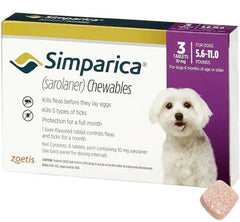
Simparica is an FDA-approved monthly chewable tablet labeled to protect dogs from fleas and six tick species. It’s made by Zoetis with the active ingredient Sarolaner, which targets the parasites’ nervous system and kills them quickly after they bite.
Simparica is designed to be given once every 30 days, making it a simple part of your dog’s monthly health routine. It’s approved for dogs 6 months or older and weighing at least 2.8 pounds, and it comes in multiple sizes to match your dog’s weight range.
The chew is liver-flavored, so most dogs take it easily like a treat. And because it doesn’t wash off like topical treatments, Simparica is a great choice for active dogs who love to swim, bathe, or play outdoors.
Whether you’re focused on preventing fleas or fighting off disease-carrying ticks, Simparica provides broad-spectrum flea and tick protection in one easy monthly dose.
How Fast Does Simparica Start Working?
Simparica starts killing fleas within 3 hours and ticks within 8 hours after your dog takes the chew. That means it works fast enough to relieve itching, stop biting, and reduce the risk of disease transmission.
Veterinarians often recommend Simparica because of this rapid kill speed, especially for dogs already dealing with active flea infestations or tick exposure. In clinical studies, Simparica was shown to maintain consistent monthly protection when given every 30 days.
Unlike topicals that may take longer to spread through the skin or lose effectiveness when washed off, Simparica is absorbed systemically, so it keeps working even if your dog swims or gets bathed frequently.
If you're looking for fast-acting relief and full-month protection, Simparica is a reliable option for both immediate results and ongoing prevention
Is Simparica Safe for Dogs?
Yes, Simparica is generally safe for most dogs when given under veterinary guidance.
Veterinarians often prescribe Simparica because of its strong safety profile across a wide range of breeds and sizes. It’s also easy to administer and well-tolerated by most dogs, even with long-term monthly use.
However, like with any medication, always let your vet know if your dog has a history of neurological disorders, especially seizures. Simparica belongs to the isoxazoline drug class, which may not be ideal for dogs with seizure sensitivity.
What Are the Side Effects of Simparica?
Most dogs experience no side effects at all after taking Simparica. But in some cases, pet owners have reported:
- Vomiting
- Diarrhea
- Loss of appetite
- Lethargy or low-energy
In rare cases, especially in dogs with pre-existing neurological conditions, side effects may include:
- Tremors
- Incoordination (ataxia)
- Seizures
If your dog experiences unusual symptoms after taking Simparica, contact your veterinarian immediately.
What Parasites Does Simparica Protect Against?
Simparica protects dogs from fleas and six labeled tick species in a single monthly chew, making it a reliable option for external parasite control.
Here’s what Simparica is proven to kill and prevent:
-
Fleas: Starts killing within 3 hours and prevents flea infestations for 35 days.
-
Black-legged ticks: A known carrier of Lyme disease.
-
Lone star ticks: Associated with ehrlichiosis and tick paralysis.
-
American dog ticks: Transmit Rocky Mountain spotted fever.
-
Brown dog ticks: Can infest indoor environments and transmit babesiosis.
- Gulf Coast ticks: Included on Simparica’s U.S. label for monthly tick control.
- Asian longhorned ticks: Included on Simparica’s U.S. label for monthly tick control.
Compared with Bravecto Chews, Simparica includes labeled coverage for Gulf Coast ticks in addition to several other common U.S. tick species. For suspected mites or mange, ask your veterinarian about diagnosis and appropriate treatment rather than relying on standard flea and tick prevention alone.
How Easy Is It to Give Simparica to Dogs?
Simparica is very easy to give to dogs, especially if your pet enjoys chewable treats. It comes as a small, liver-flavored tablet that most dogs eat willingly - no need to hide it in food or use pill pockets.
Because it's only given once a month, Simparica is simple to fit into your dog’s regular care routine. Many pet parents sync the dose with a calendar date or reminder, like the first day of the month, to keep things consistent.
Unlike some topical treatments, Simparica:
- Won’t wash off during baths or swimming
- Doesn’t leave a residue on your dog’s coat
- Is ideal for dogs with sensitive skin or active outdoor lifestyles
Overall, Simparica is a good fit for pet owners looking for a hassle-free monthly treatment with a taste dogs enjoy.
When Do Vets Recommend Simparica?
Veterinarians often recommend Simparica for dogs that need reliable monthly protection against fleas and six labeled tick species. It’s especially favored for:
- Dogs that benefit from a consistent monthly flea and tick prevention routine.
- Households where pets are exposed to other animals or communal spaces like dog parks or grooming salons.
- Pet parents who want a regular monthly routine that’s easy to track and repeat.
Vets also suggest Simparica for dogs who:
- Don’t tolerate topical treatments well
- Need fast relief from existing flea or tick infestations
- Live in high-risk tick regions with known exposure to Lyme or ehrlichiosis
To sum it up: If you want monthly convenience, quick results, and six-species tick coverage, Simparica is a smart veterinary-backed choice.
Now that we’ve covered the strengths of both Bravecto and Simparica, you might be wondering if you can safely switch from one to the other. Whether it’s due to side effects, convenience, or changing parasite risks, many pet parents consider switching treatments at some point in their dog’s life.
Let’s explore what veterinarians recommend when transitioning between these two top-rated flea and tick preventatives.
Can You Switch Between Bravecto and Simparica Safely?
Yes, switching between Bravecto and Simparica is generally safe for most dogs as long as it’s done under veterinary supervision. Both medicines are FDA-approved and belong to the same drug class (isoxazolines), but they differ in how long they last and what parasites they target.
Veterinarians often guide pet parents through the switch when:
- A dog needs different labeled tick coverage, such as Gulf Coast tick coverage
- There's a change in how well the current product is working
- A dog experiences side effects from one treatment
- Owners prefer a different dosing schedule (monthly vs. quarterly)
It’s important to avoid overlapping doses unless your vet specifically advises it. Giving both products too close together could increase the risk of side effects or overexposure.
When managed correctly, switching can improve your dog’s protection and make parasite prevention easier to manage long-term.
What is the Best Time to Switch from Bravecto to Simparica (Or Vice Versa)?
The best time to switch between Bravecto and Simparica is when your current product’s protection period ends. This helps avoid gaps in coverage or overlapping doses, which could cause side effects.
Here’s a simple rule:
- If your dog is on Bravecto, wait until the 12-week protection period is complete before giving Simparica.
- If your dog is on Simparica, finish the current 30-day cycle, then start Bravecto the day after.
Always double-check the date of your dog’s last dose and consult your veterinarian to confirm the safest timing. Your vet may adjust the schedule slightly based on your dog’s age, health history, and current parasite risk.
By spacing the switch properly, you ensure your dog stays protected without overmedicating.
U.S. Tick Species Coverage: Bravecto vs. Simparica by Region
Not all ticks are the same and neither is every tick preventive. Bravecto and Simparica are both popular, vet-recommended options, but they differ in the number of species they cover, how long that protection lasts, and which formulation you choose.
|
Tick Species |
Bravecto Chew |
Simparica |
Common Regions |
|---|---|---|---|
|
Black-legged tick (Deer tick) |
✓ 12 weeks |
✓ 30 days |
Northeast, Upper Midwest |
|
American dog tick |
✓ 12 weeks |
✓ 30 days |
East of Rockies, Pacific coast |
|
Brown dog tick |
✓ 12 weeks |
✓ 30 days |
Nationwide; year-round in southern states |
|
Lone star tick |
✓ 8 weeks only |
✓ 30 days |
Southeast, South-central US, spreading north |
|
Gulf Coast tick |
✗ (chew not covered; Bravecto Quantum injectable: 12 months) |
✓ 30 days |
Gulf states, SE coastal regions |
|
Asian longhorned tick |
✓ 12 weeks |
✓ 30 days |
Mid-Atlantic, Southeast; now in Midwest (Illinois, Indiana, Ohio, Missouri) |
Tick Protection Notice:
For the Lone Star Tick (Amblyomma americanum), Bravecto Quantum is FDA-approved for up to 8 months of protection.
Both Bravecto and Simparica offer strong, proven protection but the right choice depends on the tick species active in your region, your dog's lifestyle, and how often you can commit to dosing.
What Are the Similarities Between Bravecto and Simparica?
- Both are FDA-approved oral chewables for dogs
- Each requires a veterinary prescription
- Both begin killing fleas within hours of administration
- Both protect against fleas and several common U.S. tick species; Simparica lists six tick species on its U.S. label, while Bravecto Chews provides 12-week protection for four tick species plus 8-week lone star tick coverage
- Both are approved for dogs 6 months and older
- Each product is considered safe and well-tolerated under vet supervision
- Both are trusted by veterinarians and widely used across the U.S.
- Each offers convenient at-home dosing with palatable chewable tablets
These similarities make both Bravecto and Simparica effective and vet-recommended choices for protecting dogs from external parasites.
What is the Difference between Bravecto and Simparica?
The main difference between Bravecto and Simparica is the dosing schedule and parasite coverage.
- Bravecto protects dogs for 12 weeks per dose for fleas and most labeled ticks, with 8-week lone star tick coverage. Simparica provides monthly protection and includes labeled coverage for six tick species, including Gulf Coast ticks.
- Bravecto suits pet parents who prefer fewer doses per year; Simparica is ideal for those who prefer monthly dosing or need labeled Gulf Coast tick coverage.
Bravecto vs. Simparica – Full Comparison Table
| Feature | Bravecto Chews | Simparica Chewables |
|---|---|---|
| Active ingredient | Fluralaner | Sarolaner |
| Product type | Prescription oral chewable | Prescription oral chewable |
| Dosing schedule | Every 12 weeks; every 8 weeks when lone star tick exposure is a concern | Once monthly |
| Minimum age and weight | Dogs and puppies 6 months or older, weighing 4.4 lb or greater | Dogs 6 months or older, weighing 2.8 lb or greater |
| Flea protection | Treats and prevents flea infestations | Treats and prevents flea infestations |
| Labeled tick coverage | Black-legged, American dog, brown dog, and Asian longhorned ticks for 12 weeks; lone star ticks for 8 weeks | Lone star, Gulf Coast, American dog, black-legged, brown dog, and Asian longhorned ticks for one month |
| Mite or mange coverage | Not listed as a U.S. label indication for Bravecto Chews | Not listed as a U.S. label indication for Simparica Chewables; consult your veterinarian for mite or mange diagnosis and treatment |
| Food guidance | Should be administered with food | Can be offered by hand, in food, or administered like other tablet medications |
| Pregnant, breeding, or lactating dogs | Use only under veterinary guidance; review label precautions and safety information | Safe use has not been evaluated in breeding, pregnant, or lactating dogs |
| Best fit | Pet parents who want fewer doses per year and long-lasting flea and tick protection | Pet parents who prefer a monthly routine and need labeled coverage for six tick species |
What Rare and Serious Side Effects Can Occur With Both Products?
No medication is completely without risk and while serious reactions are uncommon, there are a few things every dog owner should know before starting either product.
- Muscle tremors or shaking
- Loss of coordination (ataxia)
- Seizures - rare, but can occur in dogs with or without a pre-existing neurological history
How to Minimize Side Effects
A few simple steps can go a long way in keeping your dog comfortable after a dose.
- Give Bravecto with food - label requirement; improves absorption and reduces stomach upset. Simparica can be given with or without food.
- Watch for unusual signs after the first dose - tremors, unsteadiness, or vomiting typically appear within a few hours if they occur.
- Don't combine with other antiparasitic products without checking with your vet first.
- If your dog vomits shortly after dosing, call your vet - a replacement dose may be needed.
Important: Talk to your vet first if your dog has a history of seizures, epilepsy, or any neurological condition before starting Bravecto or Simparica.
For the full prescribing information and FDA-approved labeling, always refer to the product insert or your veterinarian.
Bravecto or Simparica – Which Flea and Tick Treatment Should You Choose? [Final Verdict]
So, Bravecto or Simparica - what’s the right choice for your dog? It depends on what matters most to you.
Choose Bravecto if you want:
- Fewer treatments per year (every 12 weeks)
- Strong tick protection for dogs in high-risk areas
- A choice between oral and topical formats
Choose Simparica if you prefer:
- A consistent monthly routine
- Protection against fleas and six labeled tick species
- Fast relief for dogs with current infestations
Both products are veterinarian-recommended and trusted by thousands of pet parents. The best option is the one that fits your dog’s lifestyle, health needs, and dosing preferences.
Bravecto or Simparica FAQs
Q1. Can Bravecto or Simparica be used with other medications?
Ans: Yes, both Bravecto and Simparica can be safely used alongside most common medications, including heartworm preventatives, with vet approval.
Q2. Do Bravecto or Simparica prevent mosquito bites?
Ans: No, Bravecto and Simparica do not repel mosquitoes; they are labeled for fleas and ticks. Ask your veterinarian about appropriate mosquito-bite or heartworm prevention for your dog.
Q3. Is it safe to use flea collars with Bravecto or Simparica?
Ans: Using flea collars with Bravecto or Simparica is not typically necessary and may increase side effect risk. Consult your vet before combining treatments.
Q4. Do Bravecto or Simparica kill flea eggs and larvae?
Ans: Bravecto or Simparica neither kills eggs or larvae directly. They stop fleas from reproducing by killing adult fleas quickly, breaking the life cycle over time.
Q5. Can I give Bravecto or Simparica to a pregnant or lactating dog?
Ans: Bravecto is approved for use in pregnant and lactating dogs with vet oversight. Simparica has not been tested in pregnant or nursing dogs.
Q6. Which is better, Bravecto or Simparica for dogs?
Ans: Both medications are highly effective against fleas and ticks. Bravecto lasts 12 weeks for fleas and most labeled ticks, making it more convenient for pet parents who prefer fewer doses. Simparica is given monthly, is labeled for six tick species, and suits dogs starting at 2.8 lbs. Consult your vet for the best fit.
Q7. Is Simparica better than Bravecto for flea and tick protection?
Ans: Simparica covers six labeled tick species, including Gulf Coast ticks, giving it a slight edge in tick variety. However, Bravecto kills fleas faster, within 2 hours versus Simparica’s 3 hours, and requires fewer annual doses.
Q8. What are the best Bravecto alternatives for dogs?
Ans: Top Bravecto alternatives include NexGard and Simparica for monthly oral protection, Simparica Trio for added heartworm coverage, and topical options like Revolution Plus or Advantage II for dogs that resist chewable tablets. Always consult your veterinarian before switching.
Medical References Used:
- https://capcvet.org/about-capc/news-events/companion-animal-parasite-council-2025-pet-parasite-forecast-warns-parasitic-diseases-affecting-pets-and-people-continue-to-spread/
- https://www.fda.gov/animal-veterinary/animal-health-literacy/fact-sheet-pet-owners-and-veterinarians-about-potential-adverse-events-associated-isoxazoline-flea
- https://www.sciencedirect.com/science/article/pii/S0304401716300371
- Bravecto Chews prescribing information - DailyMed
- Simparica Chewables prescribing information - DailyMed
- Bravecto Quantum prescribing information - DailyMed
See Other Comparison Blogs on HardyPaw
Explore more head-to-head comparisons to help you choose the right treatment or product for your dog:
- Simparica Trio vs NexGard Plus: Comparison Guide
- NexGard Plus vs Heartgard Plus: What’s the Difference?
- Galliprant vs Rimadyl: NSAID Comparison for Joint Pain
- Simparica Trio vs Heartgard Plus: Which Should You Choose?
- Interceptor Plus vs Heartgard Plus: Full Breakdown
- Simparica Trio vs Trifexis: Parasite Protection Compared
- Bravecto vs NexGard: Complete Comparison Guide
- Dog Harness vs Collar: Which Is Better for Your Pet?
Related Articles


Recent Articles


