

Top 5 Best Dog Toys and Accessories for 2026
Palvi (Updated: Apr 06, 2026) 12 min read

A great dog toy is not just fun to chase or chew, it helps your dog stay active, engaged, and emotionally balanced.
Choosing the right toy for your dog isn’t just about fun, it directly impacts their behavior, mental health, and safety. The wrong toy can lead to boredom, anxiety, or even injury, while the right one can reduce destructive habits and improve confidence.
Key Takeaways
From durable chew toys to interactive puzzles and essential dog toy accessories, this guide helps you understand what your dog truly needs based on their energy level, play style, and personality. According to a 2020 study by the Journal of Veterinary Behavior, dogs with consistent mental stimulation show significantly reduced anxiety and destructive behavior. Whether you have a tiny cuddler, a power chewer, or a fetch-loving athlete, you’ll find the perfect match here!
Let’s start by exploring the different types of dog toys available.
Types of Dog Toys and Their Purpose
Each dog toy serves a special purpose. From puppy chew toys to puzzle games, toys provide mental stimulation, physical activity, and comfort. Knowing the function helps you choose dog toy accessories that meet your dog’s needs.
Choosing the right type of toy is not just about play, it directly affects your dog’s behavior, energy balance, and emotional well-being. Each toy serves a specific purpose, and ignoring those needs can lead to unwanted habits or stress. Here’s how:
-
Chew Toys: Hard rubber, rope, and woven dog chew toys prevent destructive habits.
- Best used for: Teething puppies, aggressive chewers, and dogs that frequently chew household items. These toys help satisfy the natural urge to chew while supporting dental health.
- If ignored: Without proper chew outlets, dogs may redirect their chewing toward furniture, shoes, or even harmful objects. This can lead to destructive behavior, anxiety, and potential dental damage.
-
Tug Toys: Rope or strong woven dog play toys for interactive fun.
- Best used for: Interactive play sessions with high-energy dogs that enjoy bonding activities and controlled strength-based games.
- If ignored: Dogs that crave interaction may develop frustration or attention-seeking behaviors, such as excessive barking or jumping. Lack of structured play can also reduce impulse control during social interactions
-
Fetch Toys: Balls, ropes, and frisbees energize high-activity dogs.
- Best used for: Active dogs that require regular physical exercise, especially breeds with high stamina and strong chasing instincts.
- If ignored: Insufficient physical activity can lead to weight gain, restlessness, and destructive energy release indoors. High-energy dogs may become hyperactive or develop behavioral issues.
-
Puzzle & Enrichment Toys: Challenge the mind and reduce boredom or anxiety.
- Best used for: Intelligent, easily bored dogs that need mental stimulation and problem-solving challenges to stay engaged.
- If ignored: Lack of mental stimulation can result in boredom, anxiety, and behaviors like excessive chewing, digging, or whining. Dogs may also become less confident and more reactive over time.
-
Comfort Toys: Plush toys offer a sense of security during times of stress or separation.
- Best used for: Puppies, anxious dogs, and breeds that seek emotional comfort, especially during separation, travel, or stressful situations.
- If ignored: Dogs lacking comfort objects may experience increased separation anxiety, stress-related behaviors, or difficulty settling in new environments.
How Different Dog Toys Match Different Dog Breeds
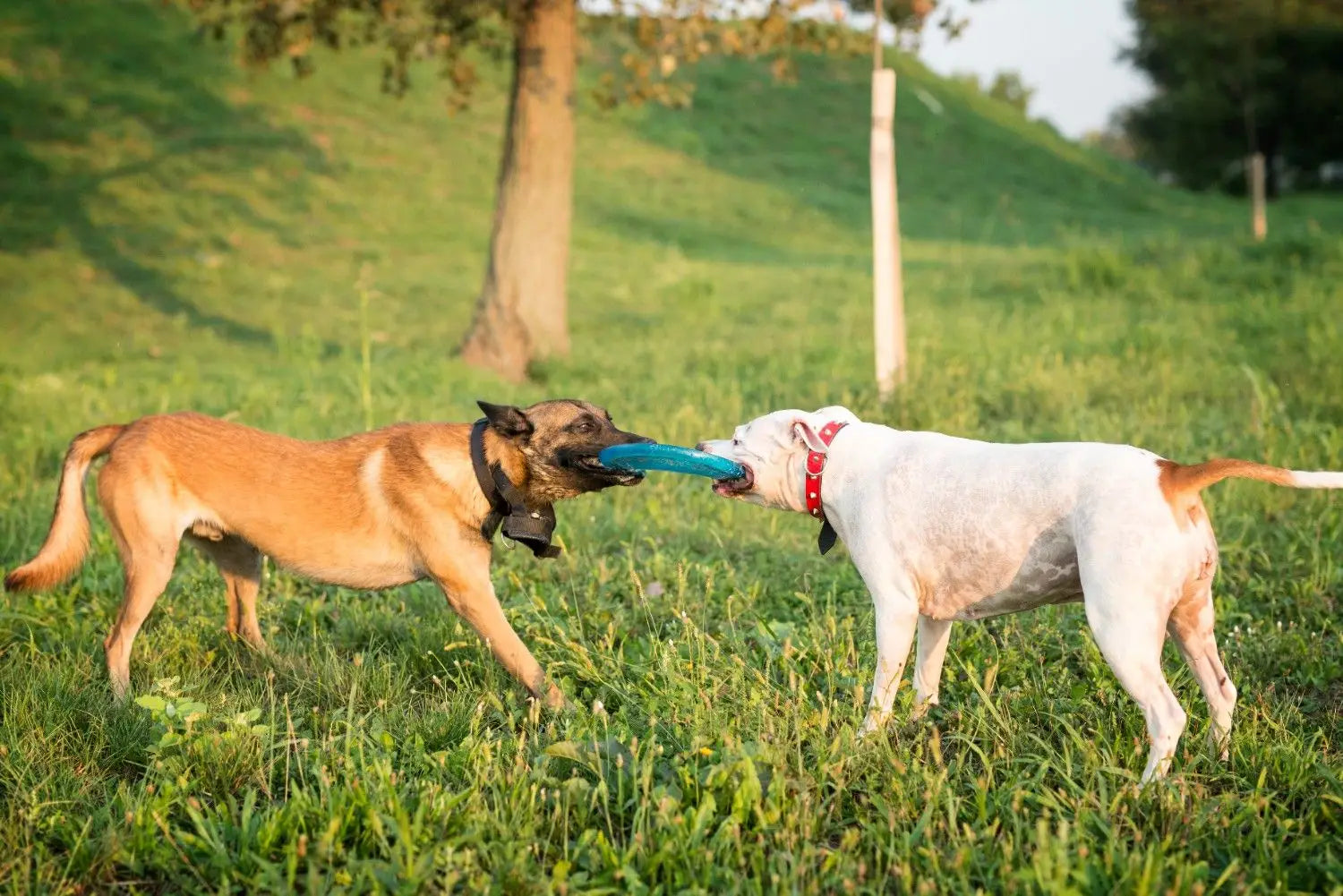
- Chew Toys: Great for strong chewers like Labradors, Pit Bulls, and Boxers, keeps them busy and prevents destructive chewing.
- Tug Toys: Perfect for high-energy working breeds like German Shepherds, Huskies, and Terriers who love interactive play.
- Fetch Toys: Ideal for active retrievers and herding breeds such as Border Collies and Golden Retrievers who enjoy chasing and running.
- Puzzle & Enrichment Toys: Best for intelligent, easily bored breeds like Poodles, Corgis, and Shih Tzus needing mental stimulation.
- Comfort Toys: Great for gentle, sensitive breeds like Cavaliers, Pugs, and Chihuahuas that find security in soft, plush toys.
Chewing is an important part of play for many dog breeds. It helps satisfy their natural instincts. It also supports dental health and prevents destructive behaviors. That’s why it’s essential to assess your dog’s chewing and play style before choosing toys. Research indicates that high-energy working breeds benefit most from physically challenging toys.
Top 5 Best Dog Toys and Accessories for Safe, Healthy Play
To make it easier to compare your options, here’s a simple side-by-side look at the best dog toys based on play style, durability, size, and overall benefit.
Best Dog Toys Comparison Table
| Toy | Best For | Durability | Size | Key Benefit |
|---|---|---|---|---|
| GoDog Checkers Sitting Duck Squeaky Plush Dog Toy | Light chewers, comfort-seeking dogs, and cuddle play | Moderate | Small to medium dogs | Soft plush comfort with squeaky engagement for gentle, supervised play. |
| Spot Bam-Bones Fish Salmon Flavor Dog Chew Toy | Moderate to strong chewers | High | Medium to large dogs | Helps redirect chewing toward a safer, more appropriate outlet. |
| KONG Signature Stick Dog Toy | Energetic dogs that enjoy fetch, tug, and interactive play | High | Medium to large dogs | Supports active play, exercise, and bonding through fetch and tug games. |
| ZippyPaws Miniz Cookies Stuffed Squeaker Interactive Toy for Dogs | Tiny dogs, gentle chewers, and puzzle-style play | Low to moderate | Extra small to small dogs | Lightweight squeaky enrichment for small breeds and supervised burrow-style play. |
| Petsport NaturFlex Latex Rubber Chicken Dog Toy | Light to moderate chewers and dogs that enjoy squeaky chase toys | Moderate | Small to medium dogs | Flexible squeaky toy for fetch, chase, and supervised indoor play. |
1. GoDog Checkers Duck Plush Toy
The GoDog Checkers Sitting Duck plush toy is a soft, squeaky option for dogs that enjoy cuddling, carrying, and gentle indoor play. Its reinforced Chew Guard Technology™ is designed to add durability compared with standard plush toys, but it is still best for light chewers and supervised play.

Key Features:
- Material: Polyester and synthetic fabric
- Reinforced fabric for added plush durability
- Soft texture for comfort-focused dogs
- Built-in squeaker for engagement
- Lightweight shape for tossing, carrying, and cuddling
- Safety note: Best for gentle chewers; remove if torn, flattened, or opened.
2. Spot Bam-Bones Fish Chew Toy
The Spot Bam-Bones Fish Salmon Flavor Dog Chew Toy is made for dogs with a stronger chewing instinct. Its salmon flavor may encourage chewing engagement, while its bamboo-fiber and polypropylene construction gives dogs a more durable chewing outlet than many soft toys.

Key Features:
- Material: Bamboo fiber and polypropylene
- Salmon flavor to encourage interest
- Textured surface for chewing engagement
- Designed for moderate to strong chewers
- Safety note: Not intended to be eaten. Discard once pieces break off or the toy becomes small enough to swallow.
3. KONG Signature Stick Dog Toy
The KONG Signature Stick Dog Toy is built for dogs that enjoy fetch, tug, and interactive play. Its soft but durable fabric construction helps make it suitable for active play sessions, while squeak, crinkle, and honk sounds keep many dogs interested.

Key Features:
- Material: Polyester and synthetic fabric
- Multi-layered fabric for active play
- Squeak, crinkle, and honk sounds for engagement
- Lightweight shape for throwing and carrying
- Safety note: Use for supervised fetch and tug. Remove if seams open or stuffing becomes exposed.
4. ZippyPaws Miniz Cookies Squeaker Toy
These mini cookie-shaped squeaker toys are soft, lightweight, and easy for small dogs to carry. They are a good fit for gentle chewers, tiny breeds, and supervised puzzle or burrow-style play.
Key Features:
- Material: Soft plush fabric
- Three mini squeaky plush toys
- Small size for extra-small and small breeds
- Works with compatible puzzle or burrow toys
- Safety note: Not suitable for strong chewers. Supervise play and remove damaged toys.
5. Petsport NaturFlex Rubber Chicken Toy
The Petsport NaturFlex Latex Rubber Chicken Dog Toy is a flexible squeaky toy for dogs that enjoy chase, fetch, and silly indoor play. Its latex rubber body is best for light to moderate chewers and should be used during supervised play sessions.

Key Features:
- Material: Natural latex rubber
- Built-in squeaker to encourage play
- Flexible texture for tossing and chasing
- Suitable for light to moderate chewing
- Safety note: Remove the toy if punctured, torn, or if the squeaker becomes exposed.
How These Products Support the Five Pillars of Dog Enrichment
Enrichment helps dogs use their bodies, senses, and problem-solving skills in healthy ways. A balanced toy rotation may include social, occupational, sensory, nutritional, and physical enrichment.
- Social Enrichment: Tug toys and fetch toys encourage supervised play with people or other compatible dogs.
- Occupational Enrichment: Puzzle and interactive toys give dogs a task to solve.
- Sensory Enrichment: Textured, squeaky, flavored, or plush toys stimulate touch, sound, and smell.
- Nutritional Enrichment: Treat-dispensing toys and compatible slow-feeding tools can reward problem-solving.
- Physical Enrichment: Fetch, tug, and chase toys help active dogs burn energy in structured ways.
Pet care tip: Rotate toys instead of leaving every toy out all day. Rotation helps maintain interest and gives you a chance to inspect each toy for damage.
How to Know When Your Dog Is Enjoying the Game
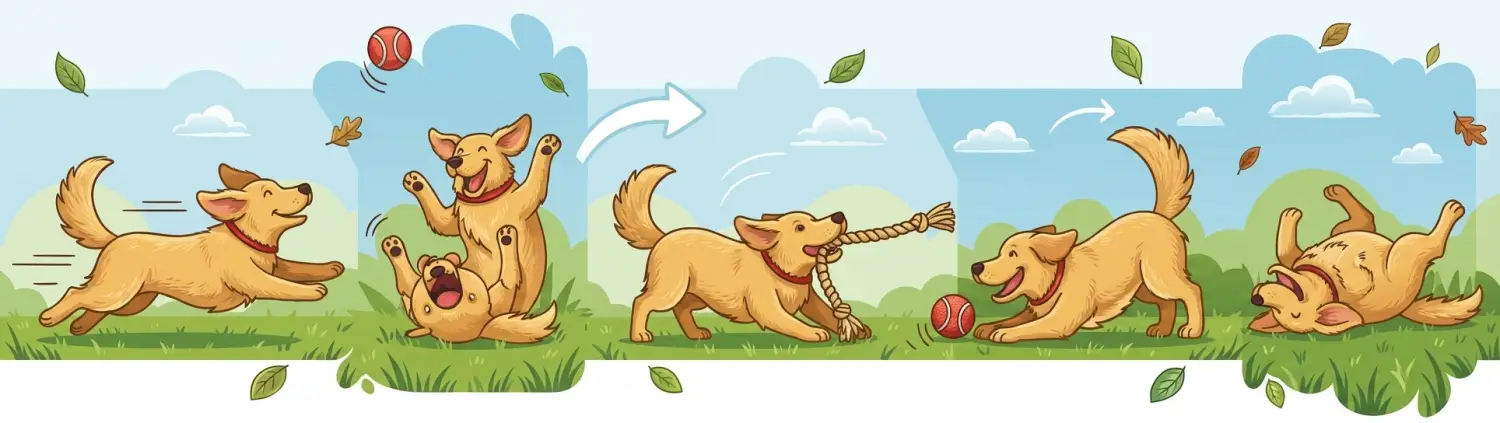
Healthy play usually looks loose, bouncy, and relaxed. Watch your dog’s body language so you can keep games fun and safe.
- Play bows: A lowered front end and raised back end often means, “Let’s play.”
- Loose, wiggly movement: Relaxed movement and wagging can show that your dog is comfortable.
- Role reversals: Taking turns chasing, tugging, or pausing can show balanced play.
- Pauses and breaks: Short breaks help dogs regulate excitement and avoid overarousal.
- Inhibited mouthing: Gentle mouthing without pressure can be part of normal play, but stop the game if teeth become painful or intense.
How HardyPaw Selects Safe Toys Based on Your Dog’s Needs
HardyPaw evaluates toys by matching them to real play needs: durability, material type, size suitability, chew strength, sensory value, and supervision requirements. No toy is indestructible, so the safest choice is the one that fits your dog’s mouth size, play habits, and chewing intensity.
What to Look For When Choosing Safe Dog Toys
Safety matters when selecting dog toys. Materials, size, and durability should all match your dog’s age and play style. For young dogs, choose properly sized puppy chew toys that are gentle enough for developing mouths.
- Material Safety: Look for pet-safe rubber, silicone, nylon, latex, or reinforced fabric from reputable brands.
- Avoid Splintering: Avoid brittle toys, cooked bones, and weak materials that can break into sharp pieces.
- Correct Size: Choose toys that are too large to swallow but still easy for your dog to carry.
- Comfortable Design: Pick toys your dog can grip without straining their jaw.
- Regular Inspection: Check for cracks, loose parts, exposed squeakers, fraying, and missing pieces.
- Chew Strength Match: Plush toys suit gentle chewers, while power chewers need tougher chew-specific toys.
- Supervised Use: Always supervise new toys until you know how your dog interacts with them.
Thumbnail test: If a toy is so hard that you cannot make a small impression with your thumbnail, it may be too hard for some dogs’ teeth. When in doubt, ask your veterinarian or veterinary dentist for guidance.
Play also depends on whole-body wellness. If your dog is active, aging, or recovering from stiffness, joint and daily health support may help them stay comfortable during movement. Learn more in HardyPaw’s guide to dog vitamins and supplements.
Toys That Can Harm Your Dog
Some toys and household items can create choking, tooth, or digestive risks. Use extra caution with the following:
- Rawhide: Rawhide can soften and break into pieces that may become choking or digestive hazards.
- Tennis Balls: Some dogs chew off the fuzzy outer layer, which can create swallowing risks.
- Toys with Small Parts: Squeakers, button eyes, ribbons, or loose pieces can detach.
- Cooked Bones: Cooked bones can splinter and may cause mouth, throat, or digestive injuries.
- Cheap Plastic Toys: Low-quality plastic can crack into sharp fragments or small swallowable pieces.
How Can I Keep My Dog Safe While Playing with Toys?
No toy is truly indestructible. Even durable toys can wear down, so supervision and regular inspection are the best ways to reduce playtime risks.
- Supervise Playtime: Watch your dog closely with new, squeaky, chew, or interactive toys.
- Choose the Right Toy: Match the toy to your dog’s size, breed, age, and chewing strength.
- Inspect Toys Regularly: Look for cracks, tears, loose parts, exposed stuffing, or fraying.
- Avoid Hazardous Items: Skip overly hard objects, brittle toys, and anything small enough to swallow.
- Rotate Toys: Switch toys periodically to maintain interest and reduce overuse of one toy.
- Set Play Boundaries: Pause play if your dog becomes too rough, possessive, or overstimulated.
Final Thoughts on Dog Toys and Accessories
The best dog toy is the one that fits your dog’s size, chewing style, personality, and energy level. Chew toys help satisfy chewing instincts, fetch toys support movement, interactive toys challenge the mind, and plush toys can bring comfort to gentle players.
Explore HardyPaw’s full collection of dog toys, including dog chew toys, fetch dog toys, interactive dog toys, and plush dog toys to build a safer, more engaging play routine.
Safe, fun, and well-matched toys can make everyday play more enriching for both you and your dog.
Best Dog Toys and Accessories for Dogs FAQs
Q1: What type of dog toy should I buy for my dog?
Ans: Choose based on your dog’s age, size, chewing habits, and energy level. Puppies often need softer chew toys, while adult dogs may benefit from durable chew toys, fetch toys, puzzle toys, and plush comfort toys.
Q2: What toy should I choose as a first-time pet parent?
Ans: Start with a small toy rotation: one chew toy, one plush toy, and one interactive or fetch toy. Watch which toy your dog enjoys most, and make sure every toy matches their size and chewing strength.
Q3: What toy is best for high-energy dogs?
Ans: High-energy dogs usually do well with fetch toys, tug toys, and interactive toys that combine movement with mental engagement. The KONG Signature Stick is a strong option for supervised fetch and tug sessions.
Q4: What are some durable dog toys for aggressive chewers?
Ans: For strong chewers, choose chew-specific toys made with tougher materials. The Spot Bam-Bones Fish Salmon Chew Toy is a better fit for moderate to strong chewers than plush or latex toys. Always supervise and replace toys once damaged.
Q5: What are common dog breed toy preferences?
Ans: Active breeds such as Border Collies and Retrievers often enjoy fetch toys. Strong chewers such as Boxers and Pit Bulls may need durable chew toys. Small breeds often prefer lightweight plush or squeaky toys that are easy to carry.
Q6: How often should I replace my dog’s toys?
Ans: Replace toys whenever they show damage, including cracks, tears, loose stuffing, exposed squeakers, fraying, or missing pieces. Strong chewers may need more frequent replacements than gentle chewers.
Related Articles


Recent Articles


