

8 Heat-Sensitive Dog Breeds That Need Extra Care in Summer
Atamjeet Kaur (Updated: Jul 08, 2026) 10 min read

Your Frenchie may need a stricter summer safety plan than you do.
It’s a sunny afternoon, and the park is full of wagging tails and excited barks. But not all dogs are enjoying the summer equally. As temperatures soar, some breeds begin to struggle, even collapse, under the oppressive heat. For dog owners, it’s not just about providing shade or planning shorter walks; it’s about knowing whether your dog is one of the heat-sensitive dog breeds or one of the dog breeds that overheat easily in warm weather. While any animal can suffer from heatstroke, some dog breeds are at a higher risk.
Key Takeaways
Follow along to find if your dog breed is at a high risk of heatstroke and learn ways to keep them safe, happy, and cool all summer long. This guide focuses on dog breeds susceptible to overheating, why some hot-weather dog breeds need extra protection, and what pet parents should watch for during summer.
How We Selected These Breeds
Veterinary research, breed-specific anatomy, and clinical data from organizations like the Royal Veterinary College helped guide this list. This is not a strict ranking of the worst dog breeds for hot weather, and breed alone does not determine risk. Age, weight, fitness level, health conditions, humidity, coat type, and activity level can all affect how quickly a dog overheats.
We chose these dog breeds sensitive to heat because they commonly share one or more risk factors linked with overheating and heatstroke. Some are brachycephalic dogs with flatter faces, some are double-coated dogs in hot weather, and others are active breeds that may keep running or playing even when their bodies are struggling to cool down. Research from the RVC VetCompass program has also highlighted increased heatstroke risk in several breeds, including flat-faced breeds and some larger or more active dogs.
A few physical and behavioral traits put certain breeds at higher risk in hot weather:
- Flat faces (known medically as brachycephalic) make it harder for dogs to breathe well and pant effectively.
- Thick, double-layered coats hold in heat and need extra grooming attention during summer.
- A heavier build or more muscle can make it tougher for a dog's body to cool itself down.
- Dogs with high energy levels tend to push themselves too hard in the heat without realizing it.
These dogs aren’t just fluffy or adorable; they’re heat-sensitive by nature and may need more careful summer routines than dogs that tolerate heat better.
Common Signs of Heatstroke in Dogs
Heatstroke can escalate within minutes, so knowing the warning signs matters as much as knowing what to do about them.
- Heavy, rapid panting that doesn't slow with rest
- Excessive drooling
- Bright red, pale, or blue-tinged gums
- Weakness or loss of coordination
- Vomiting or diarrhea
- Glazed eyes or a dazed look
- Collapse or seizures
These symptoms call for fast action: get your dog somewhere shaded and cool, offer water, lay damp towels over them, and reach your vet without delay.
Breed Profiles & Protection Strategies
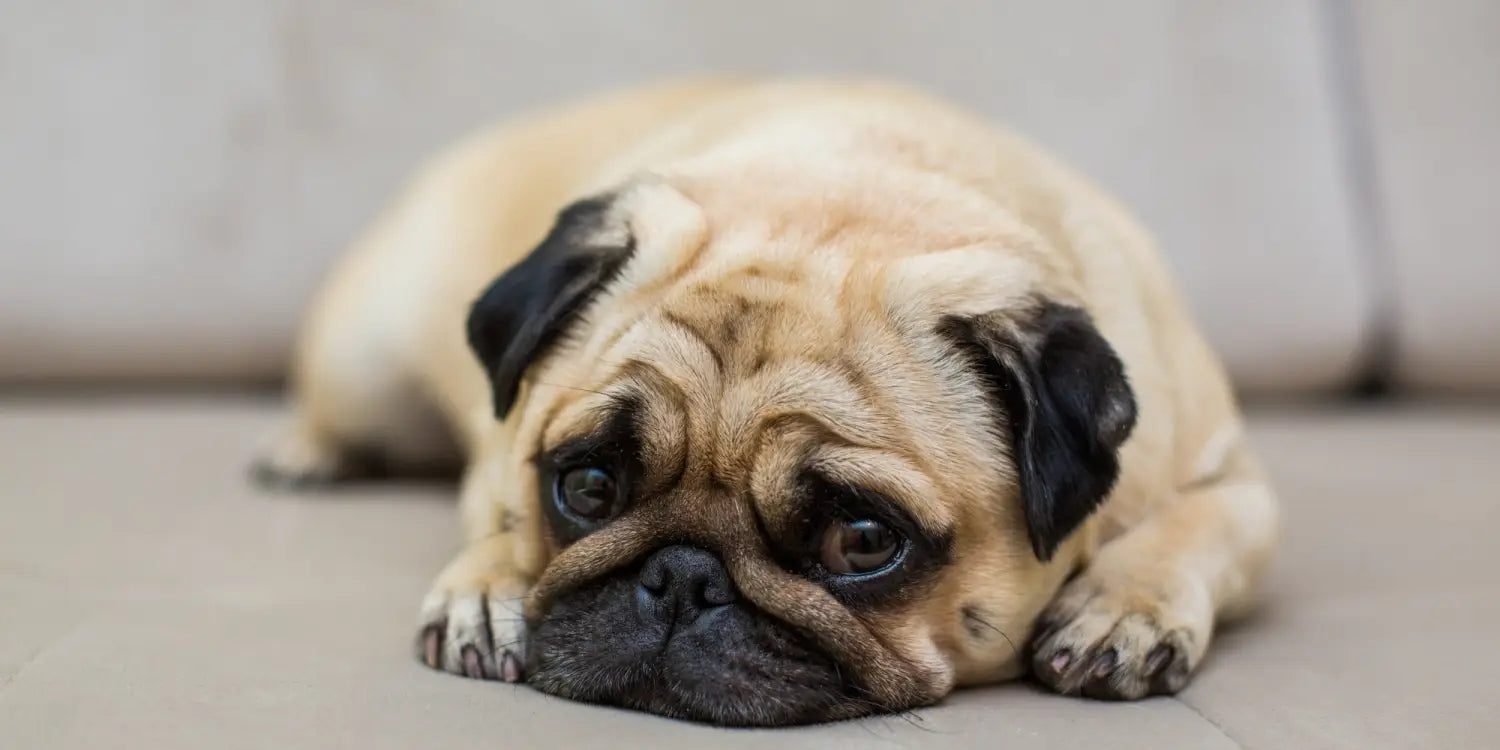
Pug
Panting is how dogs release heat, and it depends on air moving efficiently through the nose and throat. Pugs, along with other flat-faced breeds, have a shorter path for that air to travel, so the same amount of panting does less cooling work than it would in a longer-nosed dog. This is a structural limitation tied to the skull shape, not something training or fitness can fix.
Because of this, flat-faced dogs need extra help managing heat:
- Save outdoor time for early morning or evening hours when it's cooler.
- Harnesses are gentler on the airway than collars, which press directly on the throat.
- Having a fan or a cool surface available lets them bring their temperature down faster after any activity.
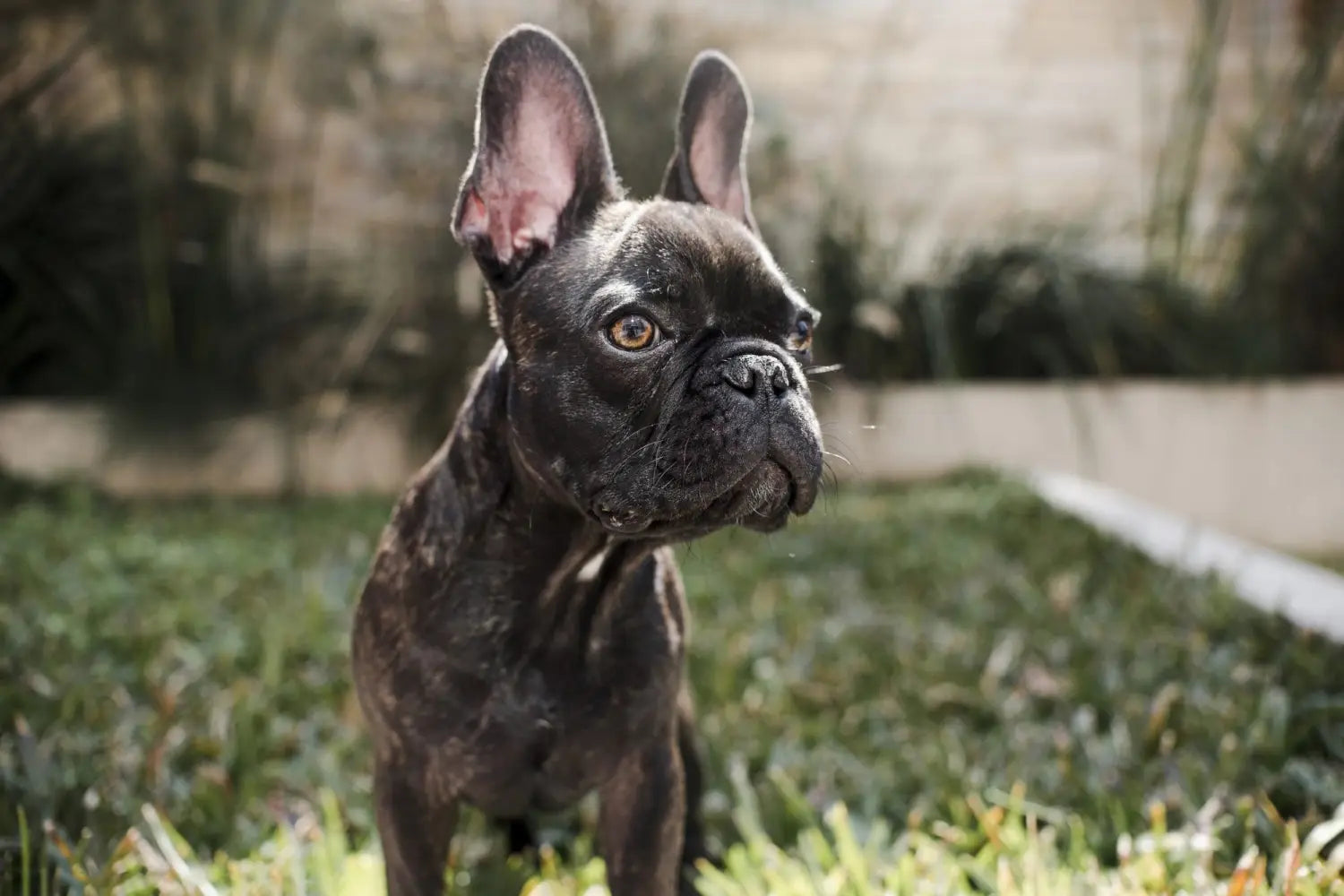
French Bulldog
French Bulldogs bring a lot of personality into a compact, muscular frame, but that same build works against them once temperatures climb. A wide skull and narrow airways mean even a brief walk can push a Frenchie toward overheating.
Signs worth paying attention to after exercise include heavy panting, vomiting, and a dog that seems disoriented or out of it.
Ways to minimize the risk:
- Ten to fifteen minutes of activity is generally enough on hot days for this breed.
- A shaded route matters more than how far or fast they go.
- Air conditioning isn't optional for car trips with this breed, regardless of how short the drive is.
Recommended Gear: Cooling vest, along with paw-protecting booties that shield their paws from hot surfaces.
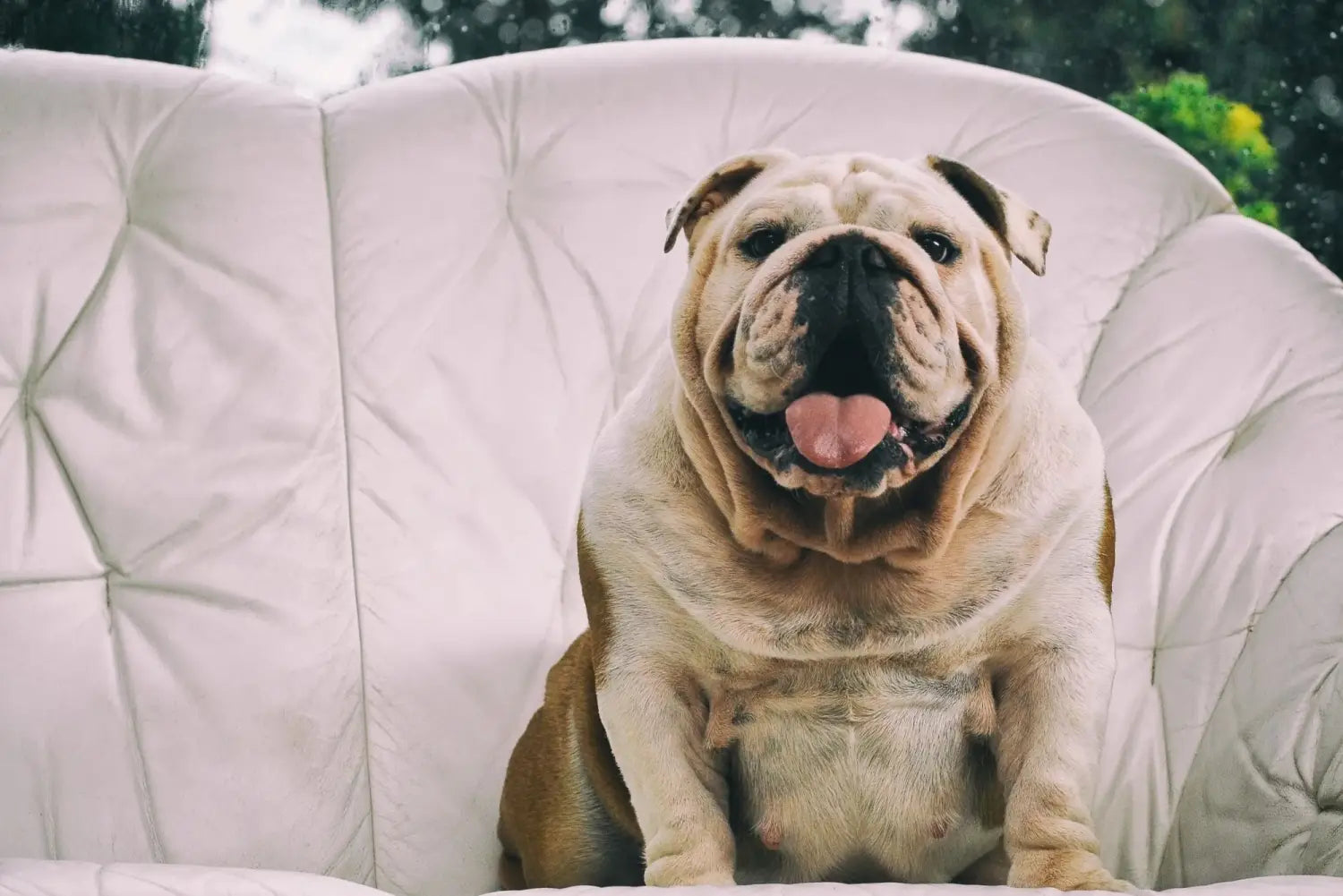
English Bulldog
Bulldogs have a reputation for being laid-back, but their hefty bodies and tightly packed facial structure make them one of the highest-risk breeds for heatstroke.
A summer picnic scenario: Bella the Bulldog joins the family outing. Twenty minutes later, she’s drooling excessively and refusing to stand. She’s not tired—she’s in danger.
How to Keep Bella Safe:
- Shade should be available anytime she's outdoors.
- Her skin folds need regular wiping to keep rashes and infections from developing.
- Humid conditions are harder on this breed than dry heat, so they're worth avoiding when possible.
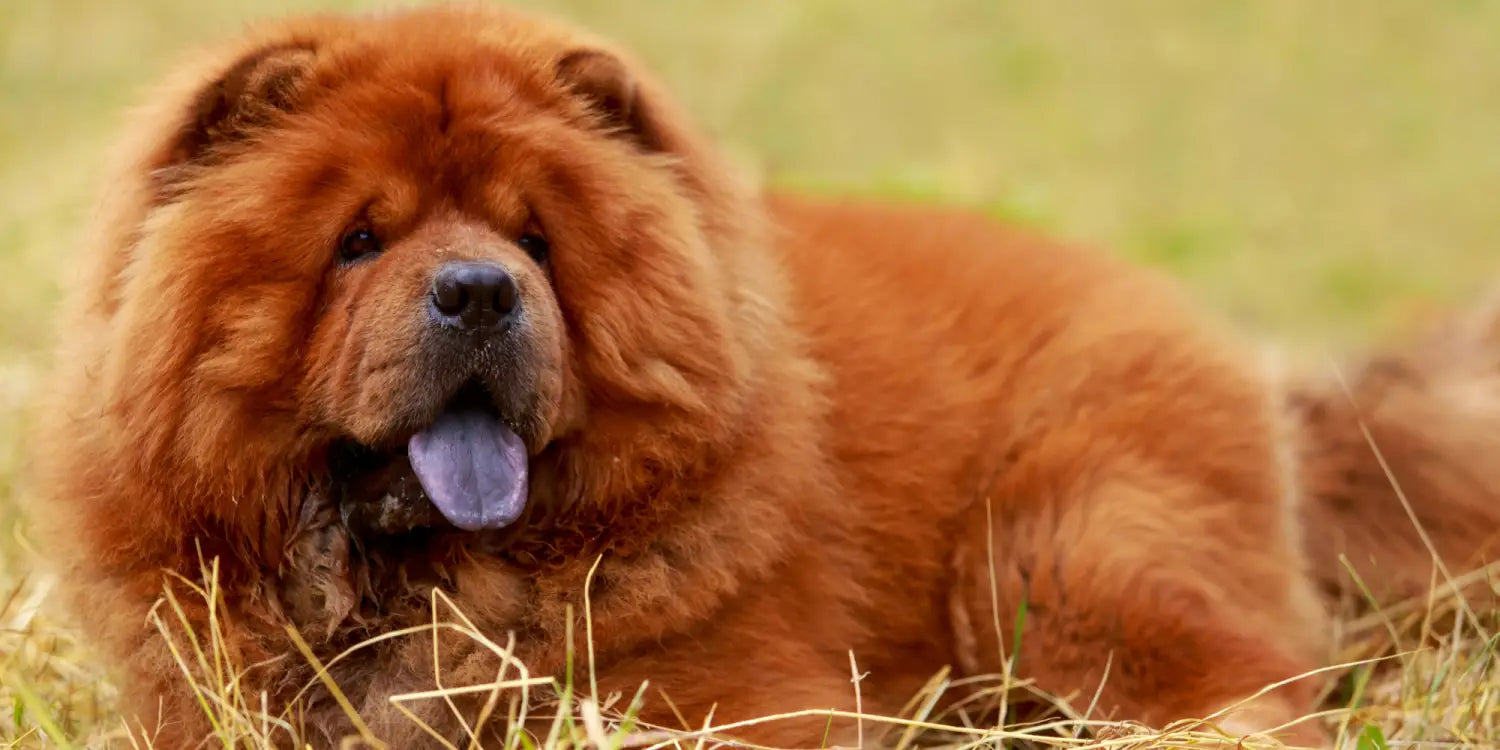
Chow Chow
Think of a Chow Chow as wearing a fur-lined parka in July. Their thick double coats, built for icy winters, act like insulation in summer.
Watch for these warning signs: your dog not wanting to move, lying flat on cool surfaces, or breathing rapidly.
- Brush your dog daily to clear out built-up undercoat.
- Don't shave the coat. A professional trim keeps it manageable while still letting air through.
- Give your dog a shaded, cool spot to rest in, tile floors work well for this.
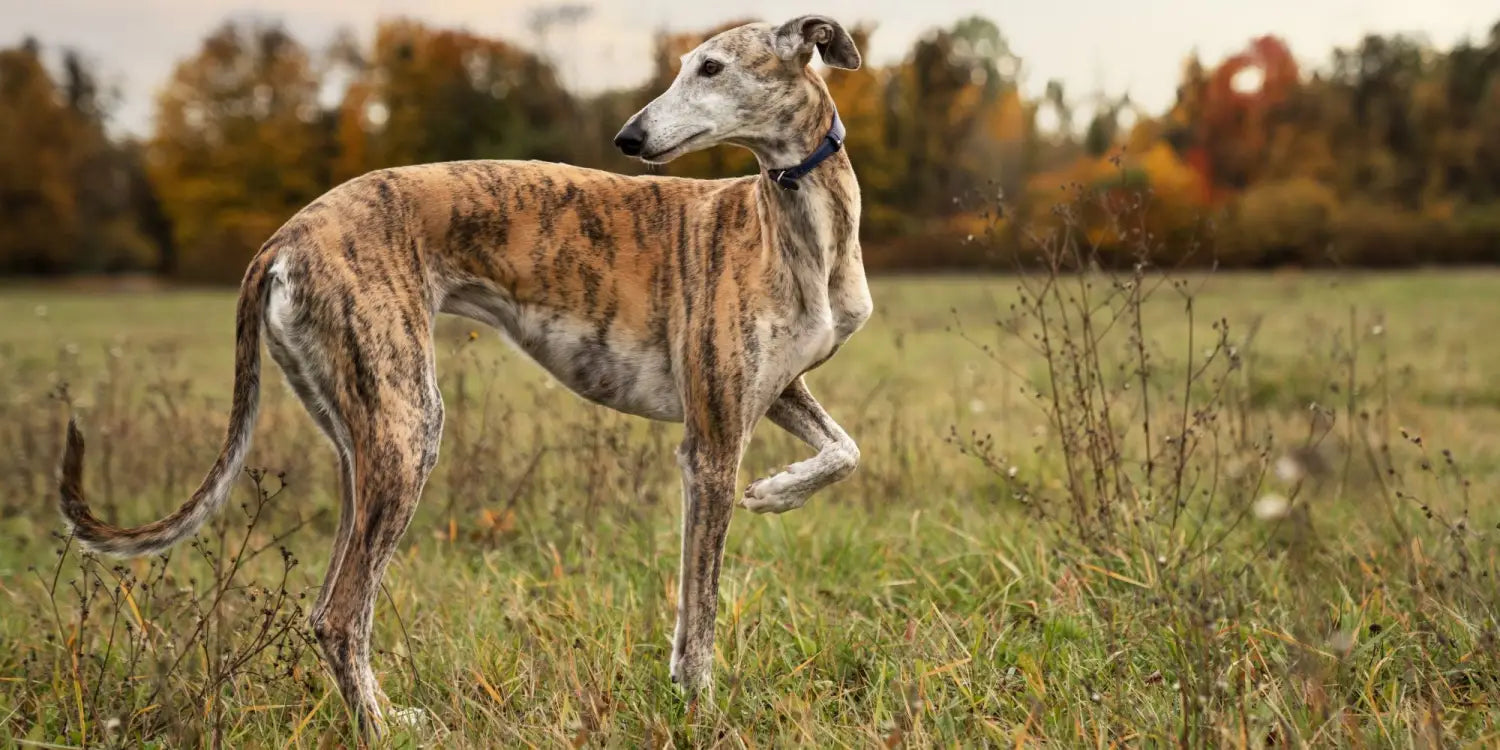
Greyhound
Greyhounds are built for short, explosive bursts of speed, but their lean muscle and very thin coat leave them with little natural insulation, which makes it harder for their body to bounce back to a normal temperature once they've been running hard.
It's common for a Greyhound to need several minutes of rest and heavy breathing after a sprint before things settle down, and that recovery goes faster with a bit of help.
- Bring them down from activity gradually instead of stopping all at once.
- A shallow pool or a cooling mat gives them a fast way to lower their body temperature.
- Keep watching their breathing for a while after they've stopped moving.
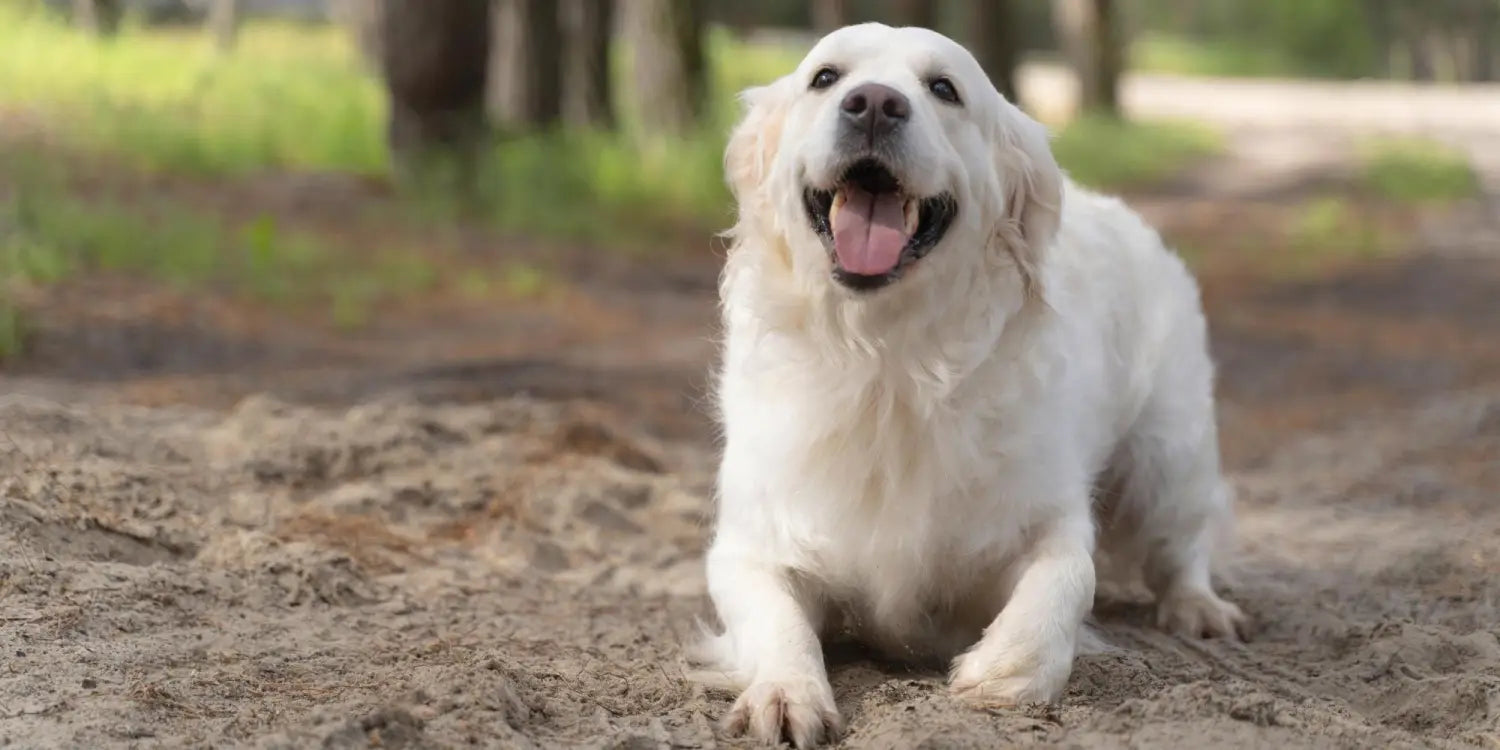
Golden Retriever
These lovable family dogs often overexert themselves during play, especially in warm weather. Their thick undercoats trap heat even after grooming.
Look for: Sluggish movement, warm skin, excessive panting.
Tips for Summer:
- Ask your groomer for a “summer cut”, not a shave.
- Serve frozen broth cubes as a cooling treat.
- Rotate between indoor and shaded outdoor play.
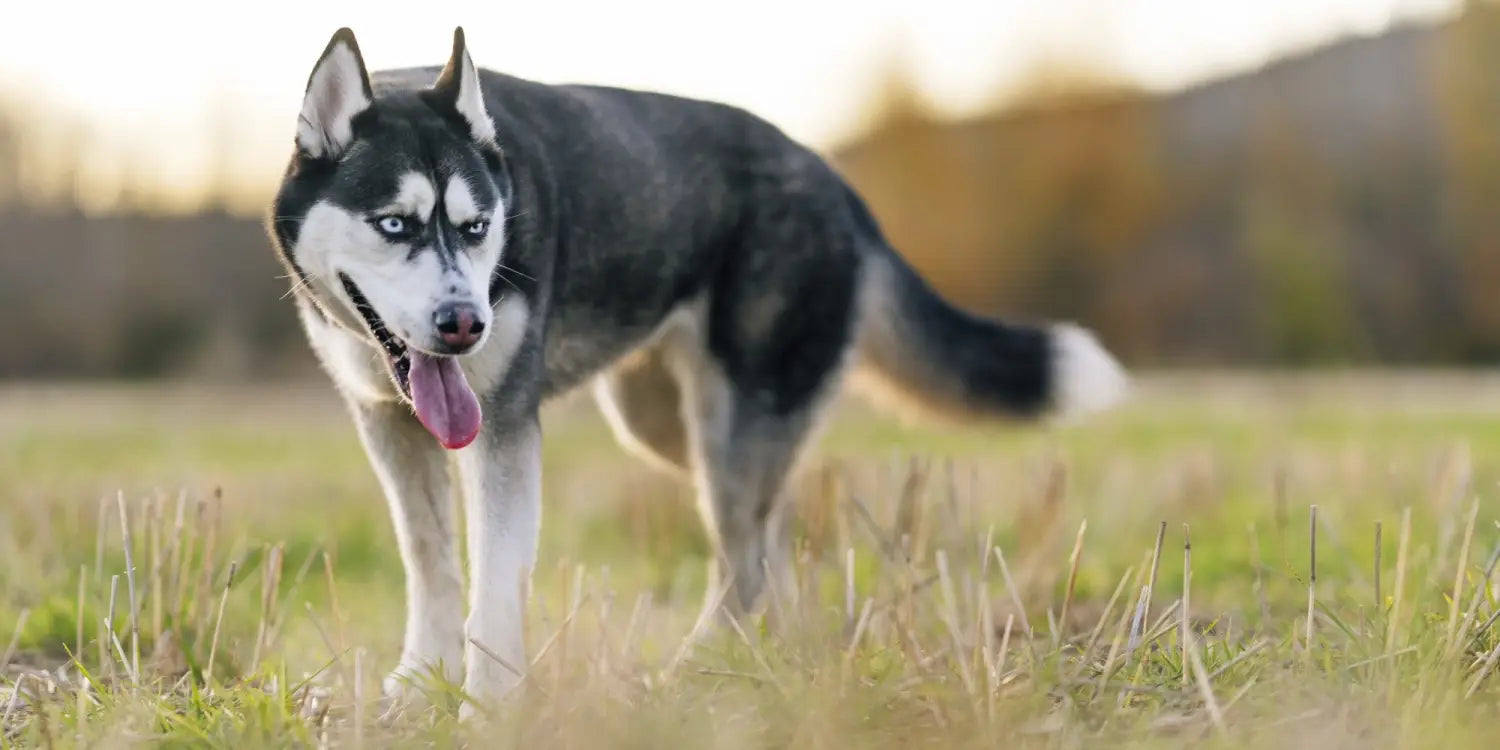
Siberian Husky
Built for Siberian winters, these stunning dogs often struggle in tropical or even temperate summers. Their instinct to run doesn’t mix well with warm weather.
You may notice: Paw lifting, excessive panting, restlessness.
Help Huskies Stay Cool:
- Never shave the coat, but brush daily to remove excess undercoat.
- Provide multiple shaded water stations.
- Replace long walks with indoor enrichment games like scent puzzles.
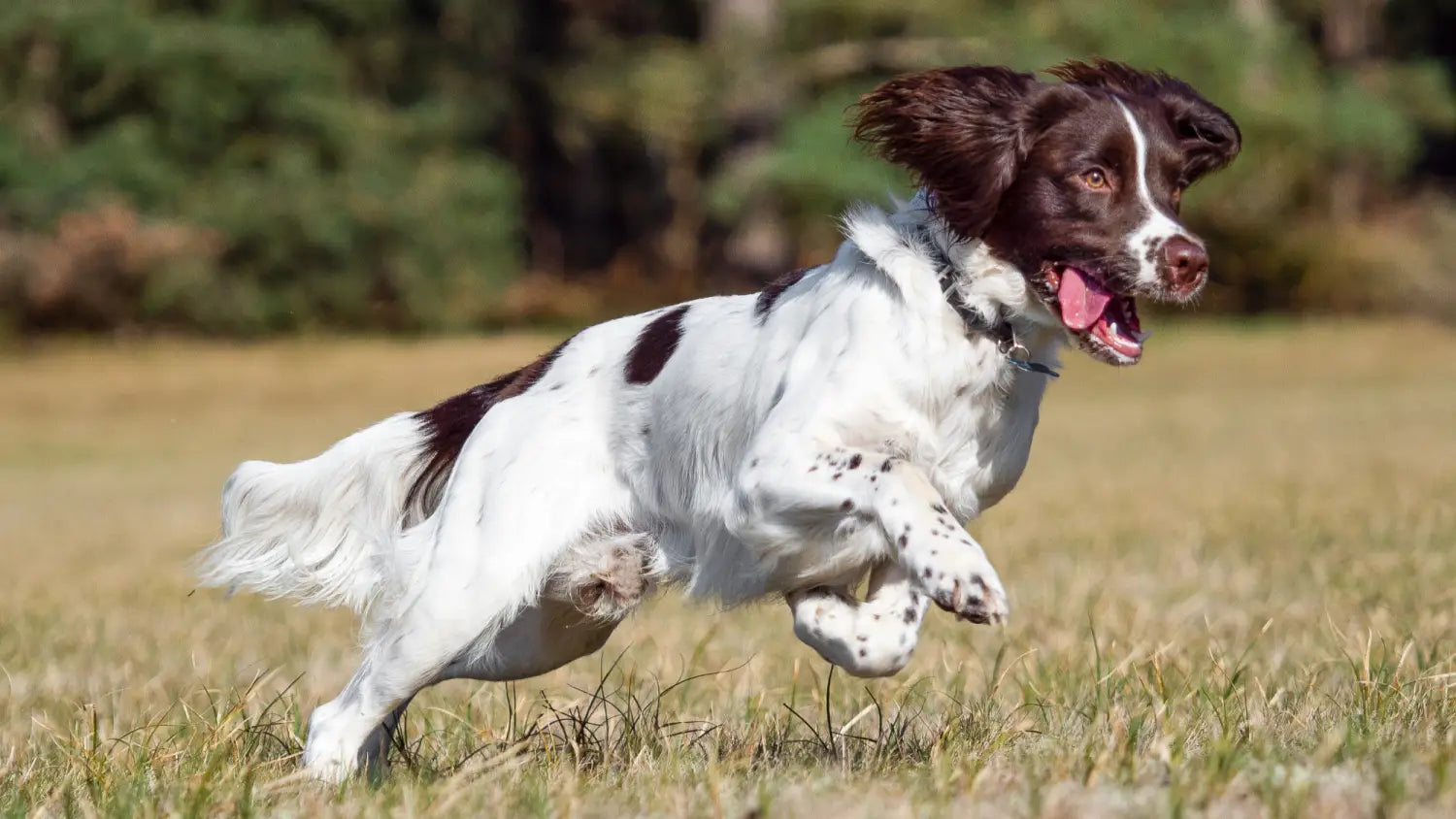
Springer Spaniel
Springers love to run, chase, and play for hours. But in hot weather, their energy can be their enemy.
Signs to watch: Sudden slowing down, heavy breathing, lying down during activity.
Heat Safety Tips:
- Break up exercise into short intervals with long rest periods.
- Train them to lie on a designated cooling mat.
- Use a spray bottle mist to cool down their coat during outings.
General Summer Heatstroke Prevention Tips
Even if your dog isn't one of the eight breeds listed above, heatstroke can happen to any pup on a hot day. Some dogs that are good in hot weather may tolerate heat better than flat-faced, thick-coated, senior, overweight, or highly active dogs, but no dog is fully heat-proof. The ASPCA advises extra caution in hot weather, especially for pets who are more sensitive to heat. Here are some general tips to keep in mind:
- Keep them hydrated: Use clean bowls, refill water often, and offer frozen treats or broth ice cubes as a cool bonus.
- Plan around the heat: Try to avoid walks or play between 12 p.m. and 4 p.m., when the sun is strongest. How hot a walk feels for your dog depends on humidity, how hot the pavement is, and your dog's breed, age, weight, and health.
- Protect their paws: Pavement can get hot enough to burn a dog's paws. Choose shaded routes when you can, press your hand to the ground to test the heat before walking, and consider paw protection on especially hot days.
- Keep them busy indoors when needed: If it's too hot to be outside safely, puzzle feeders or short indoor games can keep your dog engaged without the heat exposure.
- Learn to recognize heatstroke early: A dog struggling with the heat may pant heavily, drool more than usual, seem weak or unsteady, act confused, or in severe cases collapse. If you notice any of this, treat it as a medical emergency right away.
- Act fast if it happens: Move your dog somewhere shaded, air-conditioned, or well-ventilated, turn on a fan, apply cool, damp towels, and call your vet or an emergency clinic right away. The Royal Veterinary College recommends starting to cool your dog down immediately while getting to a vet as soon as possible.
What Makes Certain Breeds More Prone to Overheating
Panting, not sweating, is how dogs manage their body heat, and that method only goes so far. Pugs, Bulldogs, and other flat-faced dogs have shortened nasal passages, which leaves them with less surface area to cool the air they breathe. Research published in Frontiers in Veterinary Science found that brachycephalic dogs faced approximately twice the risk of heat-related illness and three times the risk of death from it compared to other dog breeds. Breeds like Huskies hold onto more heat because of their thick coats, and dogs with a heavier, more compact build struggle to release heat due to their lower ratio of skin surface to body mass. Dogs bred for high energy often don't know when to stop, even as they're overheating.
The Last Straw
Some dogs handle summer better than others. Pugs, Bulldogs, and other flat-faced breeds struggle to cool themselves, heavy-coated dogs trap warmth close to the skin, and high-energy dogs can overheat simply by playing too hard. Even breeds known for handling warm climates well still rely on shade, downtime, and walks scheduled around the cooler parts of the day. Paying attention to your dog's specific needs and setting up their environment accordingly goes a long way toward a safer summer.
If your circle includes a Pug, a Bulldog, or a Husky owner, passing this along could genuinely help their dog stay safer this season.
Frequently Asked Questions
Q1: Is it okay to shave double-coated dogs like Huskies or Golden Retrievers?
Ans: No. Shaving double-coated dogs in hot weather is usually not recommended because their coat helps protect the skin from sunburn and overheating. Regular brushing, undercoat removal, mat prevention, and light trimming are safer unless your veterinarian recommends shaving for a medical reason. For regular coat care, browse dog grooming tools.
Q2: How can I tell if my dog is overheating?
Ans: Look for excessive panting, red or pale gums, glazed eyes, uncoordinated movement, vomiting, weakness, confusion, collapse, or unusual tiredness in hot weather. Dog breeds prone to heat stroke may show warning signs faster during exercise, humidity, or hot pavement exposure.
Q3: Can I use ice on my dog if they are overheating?
Ans: Skip ice or anything drastically cold unless your vet has specifically told you to use it. Instead, get your dog somewhere cool, point a fan their way if you have one, lay cool, damp towels over them, and reach your vet or an emergency clinic as soon as you can.
Q4: How do I take my dog’s temperature?
Ans: Use a digital rectal thermometer. Normal temperature for many dogs is around 101°F-102.5°F, but temperature should be considered along with symptoms. If your dog seems weak, confused, collapsed, vomiting, or unable to cool down, contact a veterinarian immediately.
Q5: How can you tell heat exhaustion apart from heatstroke?
Ans: Panting heavily, feeling tired, drooling more, or simply slowing down are usually the first signs that a dog is overheating. Things get more serious with heatstroke, where a dog may collapse, throw up, have seizures, seem confused, or lose their balance. Either way, if heatstroke seems likely, get to a vet without delay.
Sources:
Related Articles


Recent Articles

