

5 Best Cat Joint Supplements That Actually Work in 2026
Manan Chawla 7 min read

Feline joint health is a rising concern among pet parents in 2026. Studies have shown that over 90% of cats have signs of DJD (Degenerative Joint Disease). Ageing is not the sole flag bearer trigger of joint problems; there are others as well that often get ignored. Joint health issues in cats can occur at any time due to genetics, injury, or a prolonged health condition. Maintaining a nutrition-rich diet with veterinarian-approved supplements is crucial for healthy joints, especially in winter. Joint supplements play a significant role in maintaining healthy joints and ensure your tiny tigers stay active and pouncy.
But what are the right supplements? Are they safe? When do you start them? Where to buy them from?
In this blog, we will address all these queries and list the 5 Best Cat Joint Supplements that work wonders for your cats.
Cat Joint Problems: A Rising Concern
It is a general perception among cat owners that no limping means no joint issues, which is not true. Joint problems in cats, such as Osteoarthritis, Septic Arthritis, Hip Dysplasia, Patellar Luxation, and others, are silent and progressive. These are no longer age-defined; younger cats are at equal risk of developing these conditions.
|
Condition |
Estimated Prevalence |
High-Risk Group |
|
Osteoarthritis |
60% (Age 6+) 90% (Age 12+) |
Senior cats |
|
Hip Dysplasia |
25% |
Maine Coons |
|
Patellar Luxation |
33% |
Siamese/Abyssinian |
|
Weight Issues |
60% |
Indoor cats |
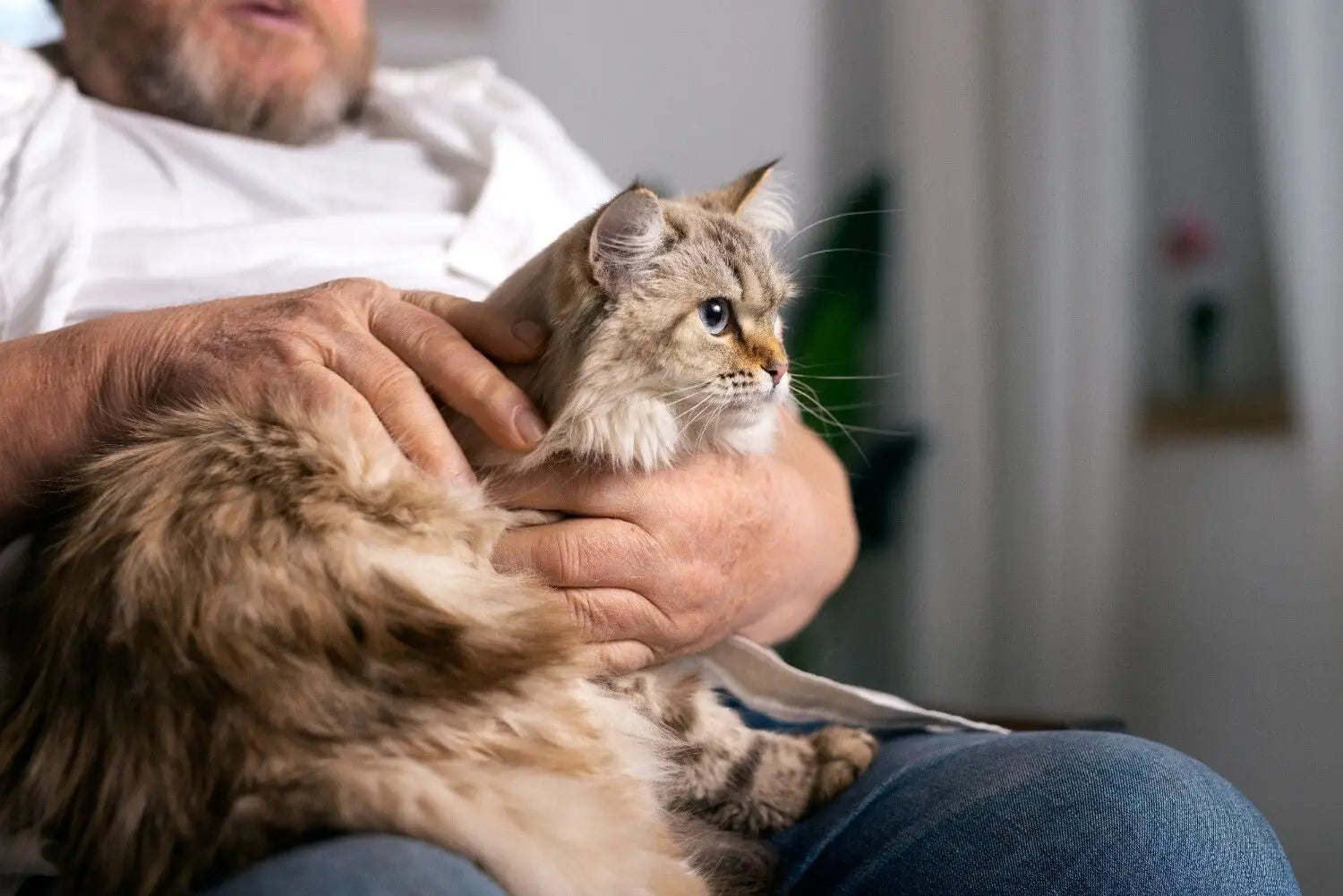
Common Signs & Symptoms That Often Go Unnoticed
More Grooming Sessions - matted fur and dandruff on the lower back
Less Playful - spend longer hours sitting and sleeping in the corner
Scaffold Jumps - chairs are the mediator for the floor to counter jumps
Hesitation Kicks In - before jumping, your cat takes a pause and measures the jump
Sensitive to Touch - cat hisses or growls when touched around the back or hips
Saliva Staining - patches on the specific joints due to excessive licking
Litter Box Aversion - pee sessions outside and around the litter box
5 Best Supplements for Cat Joint Problems - That Actually Work
1. Glucosamine (HCL)
Glucosamine (HCL) is the most potent and high-quality feline joint health supplement. It acts as a preventive supplement that works on the root level to hamper cartilage degeneration. Glucosamine helps in the production of glycosaminoglycans, the essential component of cartilage matrix and synovial fluid. The intact cartilage cushioning and lubrication automatically reduces the chances of developing arthritis or other joint problems later in life. It’s no pain reliever, but a building block that’s important for maintaining healthy joints in cats.
2. Chondroitin Sulphate
Chondroitin Sulphate is present in cartilage and synovial fluid of the cats. It keeps the cartilage strong and hydrated. Chondroitin Sulphate acts as a binding force between the building blocks of joint health. It acts as a humectant by providing adequate hydration to cartilage. Cartilage cannot absorb nutrients from blood, but from the fluid around it. Chondroitin ensures ample hydration around the cartilage, thus promoting healthy joints in cats. It also contributes to synovial fluid health, improving ease of movement in cats.
3. Type II Collagen
Type II Collagen is the undenatured form of collagen. What makes it special is that it is processed at low temperatures, thus it's more stable and effective. Unlike the previous two, this collagen is not a structural nutrient, but it works on the immune system. It desensitizes the immune system and stops it from damaging the healthy cartilage. This ultimately slows down the progression of joint disease in cats by protecting their joint cartilage.
4. Omega-3 Fatty Acids (EPA & DHA)
Omega-3 fatty acids are polyunsaturated fats that carry anti-inflammatory properties, which help with pain and swelling, and joint mobility. EPA (Eicosatetraenoic Acid) blocks the (COX-2) enzymes that cause inflammation in cats’ joints. On the other hand, DHA (Docosahexaenoic Acid) protects the tissues and also supports brain and eye health. It is always recommended to opt for marine-based omega-3 sources rather than plant-based ones.
5. Hyaluronic Acid (HA)
Hyaluronic acid - a naturally existing component in the connective tissue and the synovial fluid in a cat's joints. It plays a vital role in the smooth mobility, shock absorption, and lubrication in the joints. Cats with joint conditions tend to lose the fluid thickness that cushions their joints. Hyaluronic Acid supports synovial fluid viscosity and promotes smooth movement. HA prevents joint friction by binding and holding the hydration in joint tissues.
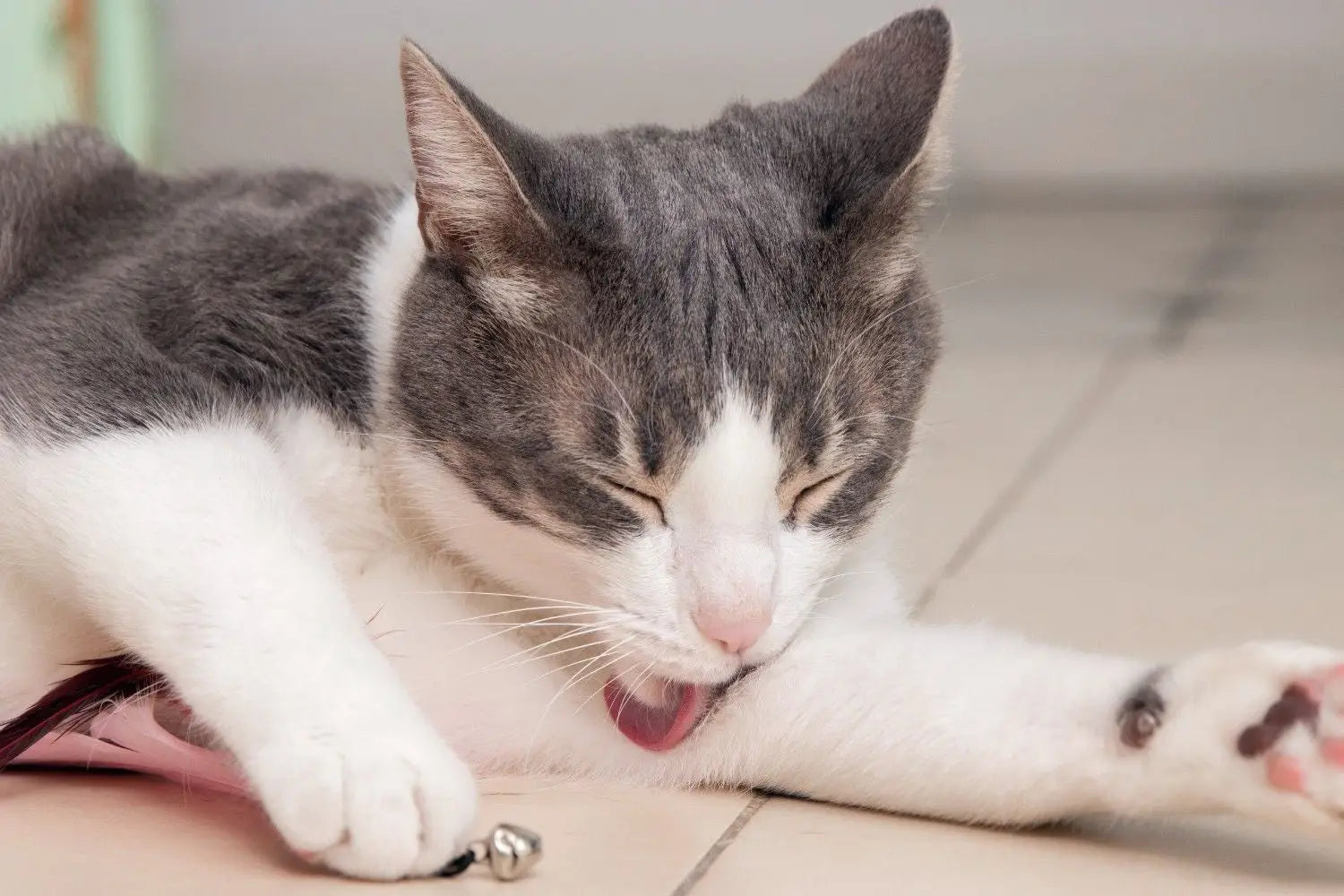
Major Triggers of Joint Problems in Felines
Ageing
Age is a common factor that contributes to osteoarthritis in cats. With age, cartilage starts to break down, and synovial fluid thins. This fluid acts as a joint lubricant in cats. It has a thick and viscous consistency that allows joints to absorb shock. Poor lubricant viscosity causes joints to rub against each other, leading to stiffness, pain, and inflammation in cats.
Injuries
Cats are all about jumping, taking long leaps, and zoomies. These furry gymnasts are born with a flexible spine, and constant coiling and uncoiling make them prone to injuries as they age. The playful nature of cats comes at the cost of pressure on the elbow and shoulder joints. Constant jumping puts pressure on joints, leads to minor traumas, and affects the joint health in cats in the long run.
Genetic Abnormalities
Sometimes, glitches in DNA structure trigger joint deformities in cats, making them prone to joint health problems later in life. The DNA inherited by cats highly impacts the structure and function of joints. Cats are at increased risk of hip dysplasia and patellar luxation in such scenarios. Scottish fold cat joint problems are a classic example of such inherited abnormalities. Also, manie coons, and persians are genetically high-risk breeds for developing joint problems.
Modern Lifestyle
Yes, the modern lifestyle is a major contributor to declining joint health in cats. The indoor lifestyle has suppressed the chase-and-catch nature. With plenty of food provided, cats are now used to a sedentary lifestyle. With less activity, domestic cats are becoming obese, which results in added pressure on their joints. The lack of access to the outdoors can lead to weaker muscles and poor joint support.
Hormonal Triggers
Conditions like hypothyroidism, which causes the overproduction of thyroid hormones, are quite common in older cats. It doesn’t directly affect joint health, but indirectly it does by causing metabolic stress. The slow metabolism leads to excessive weight gain, which is a common risk factor. Diabetes mellitus is another chronic disease that contributes to excessive fat in a cat’s body due to insulin resistance. These hormonal imbalances increase the chances of cats developing painful joint conditions.
Conclusion
Cats are the masters of disguising themselves as healthy, even when in pain. Despite being in pain, they will act and move normally, and that’s why most cat parents fail to diagnose joint issues in the early stages. However, instead of waiting for them to limp, you can look for behavioral changes such as grumpiness, less activity, touch sensitivity, etc. Watch out for a consistent pattern in symptoms and, accordingly, consult your vet. Introduce supplements after your trusted vet’s approval and a good amount of playtime outdoors to ensure your furry babies have purrfect joint health.
Frequently Asked Questions
Q1: When should I start giving my cat supplements?
Ans: The threshold age to start joint supplements for cats is around 6 years, as most cats have traces of joint issues, so it's better to start early. Always make sure to seek a veterinarian’s approval for any supplementation.
Q2: How long does it take for a supplement to show results?
Ans: Cat joint supplements work gradually. You can expect results between 4 and 8 weeks with consistent use.
Q3: Where to buy supplements for my cats?
Ans: Always purchase from a trusted, reliable source. Hardy Paw is one such online platform. We are a NABP-approved pet pharmacy that offers a wide range of supplements and pet care products.
Q4: How to check if my cat has joint problems?
Ans: Follow the 3-second rule. Here’s how you can do it:
Step 1: Watch your cat sit, stand, or move.
Step 2: Now mentally count one-one thousand, two-one thousand, and three-one thousand.
Step 3: Pay attention to the quality of movement. Is it stiff, hesitant, or requires multiple adjustments?
Step 4: If your cat takes more than 3 seconds to sit, stand, or jump, and shows signs of discomfort, then it's a sign of joint stiffness.
Q5: Can I give my cat plant-based supplements?
Ans: Plant-based, aka natural supplements, are a big no for cats. They are not only highly ineffective but also toxic to cats. Always opt for animal-derived supplements and seek veterinary approval before administering them.
Related Articles


Recent Articles