

The 3 AM Vet Call: How Pet Health Insurance Saves More Than Just Money
Atamjeet Kaur 6 min read

It's 3 AM. Your dog is restless, whimpering, and clearly not okay. You rush to the emergency vet, and before the doctor has even finished the examination, your mind is already doing the math. How much is this going to cost?
For millions of pet parents, that moment of panic is all too familiar. And far too often, financial stress ends up influencing a decision that should only ever be about your pet's wellbeing.
That's exactly why National Pet Health Insurance Day exists — and why, if you've been putting off thinking about coverage, today is the day to change that.
What Is National Pet Health Insurance Day?
Observed every year on April 7, National Pet Health Insurance Day is dedicated to raising awareness about the importance of insuring your pets. It's a reminder that unexpected health scares don't come with a warning — but with the right insurance plan, they don't have to come with a financial crisis either.
As veterinary costs continue to rise, more and more pet owners are realizing that being a responsible pet parent means planning ahead. This day encourages people to explore their options, ask the right questions, and take that first step toward protecting their furry family members.
What Does Pet Health Insurance Cover?
Before weighing the benefits, it helps to understand what pet insurance actually covers — because not all plans are created equal.
Most standard pet insurance plans cover:
- Accidents and illnesses — from broken bones to infections
- Surgeries and hospitalization
- Diagnostic tests — X-rays, bloodwork, MRIs
- Prescription medications
- Hereditary and breed-specific conditions (depending on the plan)
If you're on a tighter budget, accident-only plans are a good starting point — they are more affordable, but only accidents are covered, leaving illness-related costs out of scope.
There are also a few things pet insurance typically won't cover. Pre-existing conditions — any health issue your pet had before the policy started — are generally excluded. This is one of the biggest reasons early enrollment matters. Most plans also come with a waiting period before coverage kicks in, so you won't be covered the moment you sign up.
The bottom line? Read the fine print, understand what your plan covers, and choose accordingly.
The Real Pet Health Insurance Benefits (Beyond Paying the Bill)
Here's where things get interesting, because the value of pet health insurance goes well beyond just splitting a veterinary bill.
Financial protection when it matters most
A single emergency vet visit can run into thousands of dollars. With the right insurance plan, you're not absorbing that cost alone. Most plans reimburse a significant portion of eligible vet bills, making high-quality care genuinely accessible.
The freedom to say yes to the best treatment
One of the hardest parts of a pet health crisis isn't the diagnosis — it's being told what the treatment costs and having to hesitate. Pet health insurance removes that hesitation. You can focus on what's best for your pet, not what's easiest on your wallet.
Peace of mind, every single day
This one doesn't show up on a reimbursement form, but pet parents who are insured will tell you: just knowing you're covered changes how you feel. That quiet confidence — whether you're at a routine checkup or facing something serious — is worth a great deal.
Plans tailored to your pet's needs
Good pet insurance plans factor in your pet's age and breed when determining coverage and premiums. A three-year-old Labrador has very different health risks than a senior Persian cat, and modern insurance plans reflect that. You're not paying for a one-size-fits-all policy — you're paying for coverage that makes sense for your specific pet.
Lower premiums when you start early
The younger and healthier your pet is at enrollment, the more affordable the plan. Starting early also means you lock in coverage before any conditions develop — which, as mentioned, won't be covered if they're pre-existing.
Is Pet Insurance Worth It?
It's a fair question. If your pet is young and healthy, it can feel like an unnecessary expense. But consider this: the average emergency vet visit can cost anywhere from $800 to $1,500 — and more complex procedures can go far higher. Compare that to a monthly premium, and the math starts to look very different.
The pet insurance worth calculation also shifts when you factor in breed. Some breeds, and most senior pets, are genetically predisposed to certain conditions, like hip dysplasia in larger dogs and heart issues in certain cats, and may require long-term treatment, which can add up. A well-chosen insurance plan pays for itself long before you ever face a major health event.
The real risk isn't paying for insurance you don't end up needing. It's not having it when you do.
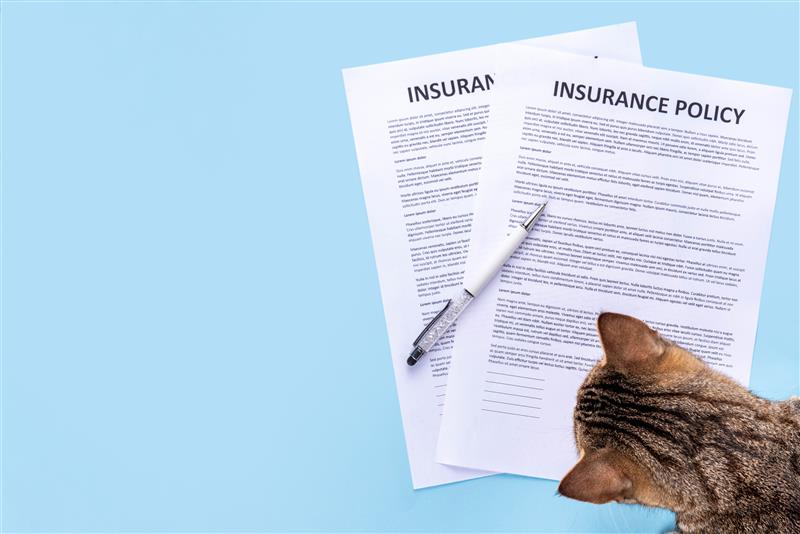
How to Choose the Right Pet Insurance Plan
With plenty of options out there, choosing can feel overwhelming. Start with these questions:
- Coverage Scope: Does the plan cover illnesses, hereditary conditions, and wellness care, or is it accident-only?
- Reimbursement Rate and Deductible: What percentage do you get back, and how much do you pay out of pocket first?
- Pet Age and Breed Considerations: Make sure the plan accounts for your pet's specific risk profile
- Waiting Periods: Know exactly when your coverage begins
- Wellness Add-Ons: Some plans offer optional coverage for routine checkups and vaccinations, which can add real value
This National Pet Health Insurance Day, take 15 minutes to compare a few plans. Future you and your pet will be grateful.
Final Thoughts
Think back to that 3 AM scenario. Now imagine facing it with the confidence of knowing your pet is covered — that no matter what the vet recommends, you can say yes without hesitation.
That's what pet health insurance really offers. Not just a reimbursement check, but the peace of mind to be fully present for your pet when they need you most.
This National Pet Health Insurance Day, take that one small step. Compare plans, ask questions, and make a decision you'll never regret.
Your pet can't choose their insurance. But you can choose to protect them.
Frequently Asked Questions
Q: What is National Pet Health Insurance Day?
A: National Pet Health Insurance Day is observed on April 7 each year. It's a dedicated awareness day encouraging pet owners to explore the benefits of insuring their pets and to make informed decisions about their pets' healthcare.
Q: What does pet health insurance cover?
A: Most pet insurance plans cover accidents, illnesses, surgeries, diagnostics, and medications. Some plans also cover hereditary conditions and offer wellness add-ons for routine care. Coverage varies by plan, so always review the policy details carefully.
Q: Are pre-existing conditions covered by pet insurance?
A: Generally, no. Most pet insurance plans exclude pre-existing conditions, including any health issues your pet had before the policy started. This is why enrolling your pet early, while they're healthy, is strongly recommended.
Q: When is the best time to get pet insurance?
A: The earlier, the better. Enrolling when your pet is young means lower premiums, no pre-existing conditions to worry about, and full coverage in place before any health issues arise.
Q: Is pet health insurance worth it for healthy pets?
A: Yes, because health can change unexpectedly. Accidents don't discriminate by age or health status, and having an insurance plan in place means you're prepared for anything without the financial shock.
Q: Does pet insurance cover all breeds and ages?
A: Most pet insurance companies offer coverage for a wide range of breeds and ages, though premiums and coverage terms may vary. Senior pets may have higher premiums or certain exclusions, so it's worth comparing plans based on your pet's specific age and breed.
Related Articles


Recent Articles
