

Dog Kidney Supplements: 7 Effective Ways to Support Canine Kidney Health
Manan Chawla 8 min read

Healthy kidneys quietly support many of the processes that keep your dog feeling active and comfortable. They help remove waste from the body, manage fluid levels, keep minerals balanced, and assist with everyday bodily functions. When kidney function starts to weaken, the effects are not limited to urination alone and can influence your dog’s overall health.
Clinical research involving dogs with chronic kidney disease has shown that targeted renal support can make a measurable difference. In one controlled veterinary study, dogs receiving kidney-focused support experienced a 22 percent reduction in hormone levels linked to kidney strain, while untreated dogs showed worsening markers over time. This highlights how early and consistent kidney care may help slow progression rather than simply manage symptoms.
This guide explains how kidney supplements for dogs may help maintain renal function, early signs that may point to kidney trouble, and how to select and use supplements safely. It also highlights seven well-studied supplement options, along with practical diet and lifestyle habits that can support long-term kidney care.

Understanding Canine Kidney Health
A dog’s kidneys do much more than handle urine. They filter harmful substances from the blood, keep fluid levels steady, balance electrolytes, and help produce important hormones. When the kidneys are healthy, all of this happens smoothly. If kidney function drops, toxins can start to collect and place stress on the whole body.
Kidney disease affects more dogs than many owners expect, especially as dogs grow older. Research shows that about one in ten dogs may develop some level of kidney trouble during their life. The condition is difficult to catch early because it progresses slowly. In many cases, damage builds over long periods before clear signs show up.
This is why early support is so important. A balanced diet, routine vet visits, and kidney supplements made for dogs can help maintain kidney health and reduce the effects of aging.
Why Kidney Issues Often Go Unnoticed
One difficulty with early kidney disease is that the kidneys can continue to function despite significant damage. Dogs may still appear healthy and energetic even when much of the kidney tissue is no longer working as it should. When symptoms become noticeable, the condition is often more advanced.
Because of this built-in ability to compensate, early kidney support is essential. Taking steps to support kidney health before serious issues develop can help your dog stay comfortable, energetic, and enjoy a better quality of life.
Signs of Kidney Issues in Dogs
As a dog owner, you are usually the first to sense when something feels different. Small changes in routine or behavior can be early clues. Warning signs may include:
- Drinking more water than normal.
- Urinating more often or having indoor accidents.
- Eating less or slowly losing weight.
- Less interest in activity or sleeping more.
- Vomiting or soft stools.
- Breath with a strong or chemical-like odor.
- A dull-looking coat or heavier shedding.
These signs do not always point to kidney disease, but they should not be brushed off. A vet visit, along with basic testing, can help catch concerns early, when care is most effective.

How Dog Kidney Supplements Can Help
Kidney supplements for dogs are created to support kidney function in several ways. When properly formulated, they can help ease kidney strain and promote better balance throughout the body.
Well-made kidney supplements help by:
-
Supporting healthy blood flow to the kidney tissue.
-
Reducing inflammation that contributes to damage.
-
Delivering antioxidants that protect cells from harmful free radicals.
-
Assisting with waste processing and filtration.
-
Supporting hydration and mineral balance.
Supplements are not a cure, and they do not replace veterinary treatment. However, when used alongside proper diet and medical care, they can play a valuable supporting role, especially for senior dogs or those at higher risk.
7 Types of Kidney Supplements for Dogs
After reviewing current research and common veterinary recommendations, these are seven supplement categories frequently used to support canine kidney health.
1. Omega-3 Fatty Acid Supplements
Omega-3s from fish oil are widely known for their anti-inflammatory properties that support canine kidney health. In dogs with kidney concerns, EPA and DHA may help reduce inflammation within kidney tissue and support long-term function. High-quality, purified fish oil formulated for dogs is essential.
2. B-Complex Vitamins
Dogs with kidney issues often lose water-soluble vitamins through increased urination. B vitamins help support energy levels, nerve health, and metabolism as part of kidney support for dogs. Supplementing these nutrients can help maintain vitality, especially in older dogs.
3. Phosphorus Binders
As kidney function declines, phosphorus levels can rise and place additional strain on the dog’s renal health. Phosphorus binders help limit absorption from food. These supplements should only be used under veterinary guidance, particularly for dogs with diagnosed kidney disease.
4. Antioxidant Blends
Oxidative stress plays a role in continued kidney damage that can impact a dog’s renal health. Antioxidants like vitamin E, vitamin C, CoQ10, and astaxanthin help protect kidney cells and support healthy tissue function.
5. Renal-Specific Probiotics
Certain probiotic strains support the gut’s ability to process waste products, helping reduce the burden placed on the dog’s renal health. This gut-kidney connection is gaining attention for its supportive role in dogs with renal challenges.
6. Herbal Kidney Support Supplements for Canines
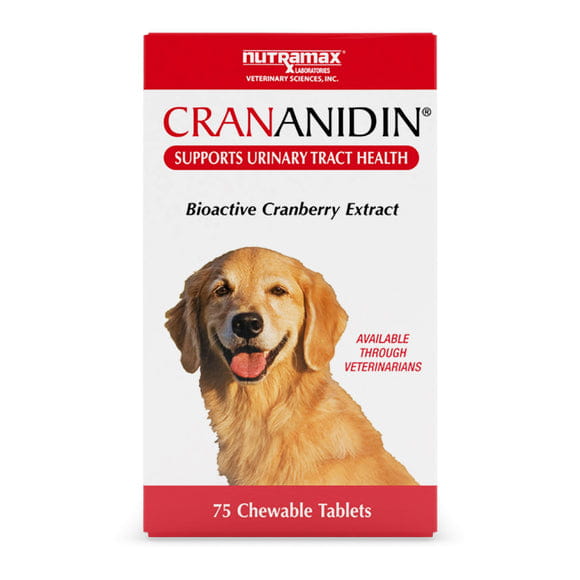
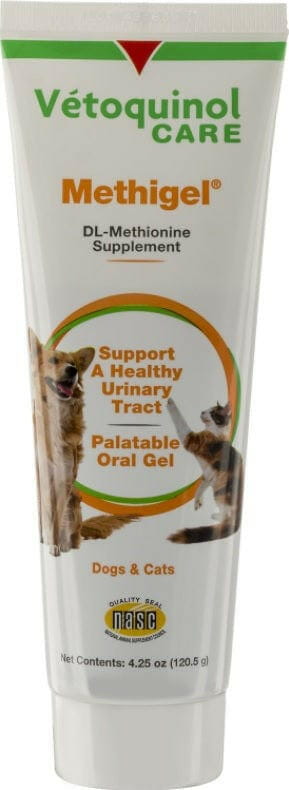
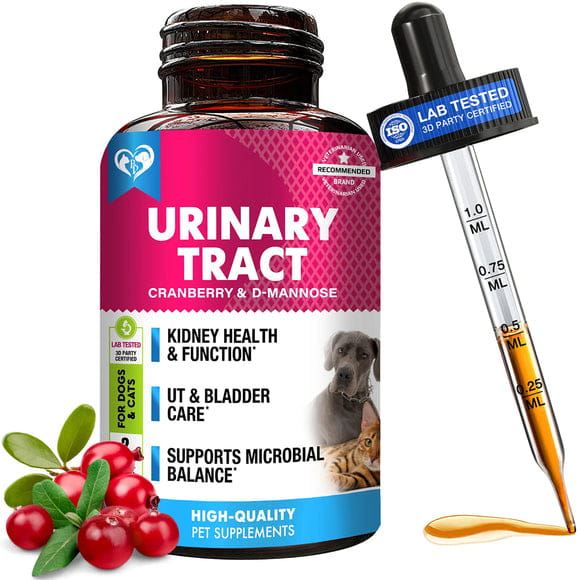
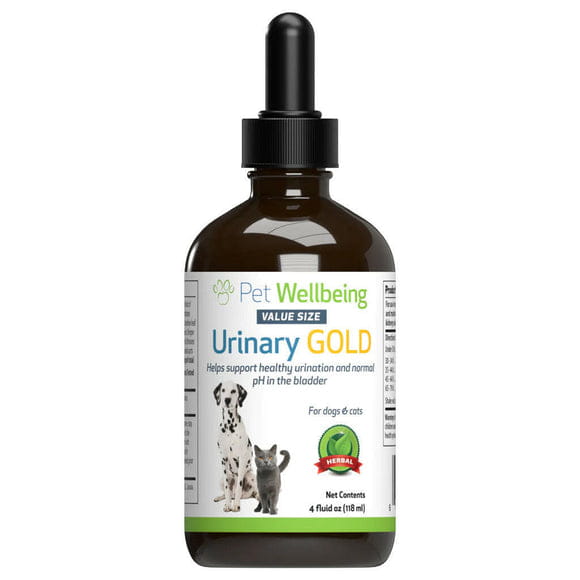
Some botanical ingredients, including cranberry, dandelion, nettle, and astragalus, have a long history of use for urinary support and canine kidney health. Quality matters here. Look for products that use standardized extracts and purity testing.
7. Comprehensive Kidney Support Formulas for Dogs’ Renal Health
All-in-one kidney supplements combine several supportive ingredients into a single product. These formulas often include omega-3s, antioxidants, vitamins, probiotics, and botanicals to support dogs’ renal health, offering convenience and broad support in one daily supplement.




How to Choose the Right Kidney Supplement for Canine Kidney Health
Not all supplements offer the same level of support. The best choice depends on your dog’s specific health needs and current kidney condition.
Important points to keep in mind include:
-
Always speak with your veterinarian before adding any supplement
-
Choose ingredients that are supported by research and proven benefits
-
Look for products that are tested for safety and quality
-
Factor in your dog’s age, size, breed, and existing health concerns
-
Pick a form your dog is willing to take consistently
Stay away from products that promise fast results or claim to replace medical care. Clear labels, easy-to-follow dosing instructions, and responsible manufacturing are strong signs of a reliable supplement.
Tips for Administering Supplements Successfully
Even the best supplement only works if your dog actually takes it. Kidney supplements come in several forms, including chews, powders, liquids, and capsules.
To improve acceptance:
-
Offer supplements when your dog is most hungry
-
Mix powders with wet food or broth
-
Use treats or pill pockets for capsules
-
Keep supplement time calm and consistent
Routine matters. Daily, consistent use provides far better results than occasional dosing. Setting reminders or pairing supplement time with meals can help maintain consistency.

Supporting Kidney Health of Dogs Beyond Supplements
Supplements work best when combined with healthy daily habits.
Hydration
Fresh, clean water should always be available, as maintaining hydration is especially important for dogs with chronic kidney disease (CKD). Some dogs drink more readily from fountains. Adding moisture to meals with wet food or water can also help support hydration.
Nutrition
Dogs diagnosed with renal insufficiency often benefit from diets that include controlled phosphorus, moderate high-quality protein, omega-3 enrichment, and reduced sodium. Your veterinarian can recommend appropriate dietary options.
Exercise and Stress Management
Gentle, regular activity supports circulation and weight management in dogs affected by glomerulonephritis. At the same time, minimizing stress through predictable routines and comfortable rest areas helps support overall organ health.
When to Contact Your Veterinarian
Seek veterinary care promptly if your dog shows:
-
Refusing food or water for more than 24 hours.
-
Repeated vomiting.
-
Extreme lethargy or collapse.
-
Difficulty urinating or blood in the urine.
-
Sudden weight loss or sharp increases in thirst.
Dogs with kidney concerns should receive regular monitoring, including blood tests, urine analysis, and blood pressure checks. Always share a full list of supplements and medications with your vet.
Final Thoughts
Supporting your dog’s kidney health is a long-term commitment built on informed choices and consistent care. Quality kidney supplements, when chosen thoughtfully and used correctly, can be a valuable part of that plan.
At HardyPaw, we believe proactive care leads to better outcomes. By combining proper nutrition, hydration, veterinary guidance, and targeted supplementation, you give your dog the best chance to stay comfortable, active, and happy for years to come.
Your attention and care make a lasting difference, and your dog feels it every day.
Frequently Asked Questions
Q1. How long does it take for kidney supplements to show results in dogs?
Ans: Most kidney supplements require consistent use for several weeks before noticeable changes appear. Some dogs may show improved energy or appetite within three to four weeks, while long-term kidney support often becomes more evident over two to three months.
Q2. Can kidney supplements cure kidney disease in dogs?
Ans: Kidney supplements cannot cure kidney disease or reverse permanent kidney damage. Their role is to support remaining kidney function, help manage symptoms, and slow progression when used alongside veterinary care and proper nutrition.
Q3. Are kidney supplements safe for all dogs?
Ans: While many kidney supplements are formulated for adult and senior dogs, they may not be right for puppies, pregnant dogs, or dogs with specific medical concerns. Always consult a veterinarian before starting supplements, especially when medications are involved.
Q4. Should senior dogs take kidney supplements even without a diagnosis?
Ans: Some senior dogs may benefit from kidney-supportive supplements as a preventive measure, particularly breeds prone to kidney issues. Your veterinarian can help determine whether preventive supplementation is appropriate based on age, health history, and lab results.
Q5. Can diet alone support kidney health without supplements?
Ans: A therapeutic kidney diet plays a key role in supporting kidney health, but it may not always deliver enough of certain helpful nutrients. Supplements can work alongside the diet by offering more focused support for specific kidney functions.
Q6. What signs indicate my dog may need a veterinary evaluation for kidney problems?
Ans: Increased thirst, more frequent urination, reduced appetite, vomiting, unexplained weight loss, or low energy should lead to a vet check. Early assessment helps manage issues sooner and improves long-term results.
Related Articles


Recent Articles