

Understanding Osteoarthritis in Dogs: A Complete Guide for Pet Parents
Manan Chawla 10 min read

Osteoarthritis is one of the most common joint conditions affecting dogs today, and it often shows up long before most pet parents expect it. Many dogs begin to experience small changes in mobility or comfort as early as middle age, but because dogs are so good at hiding pain, the condition often goes unnoticed until symptoms become more obvious.
This long form guide walks you through everything you need to know about osteoarthritis in dogs. You will learn what it is, how it starts, the signs to look for, how vets diagnose it and the many ways you can support your dog’s comfort and mobility at home. With the right approach, most dogs living with osteoarthritis can enjoy good activity levels, steady movement and a happy daily life for many years.
What is Osteoarthritis?
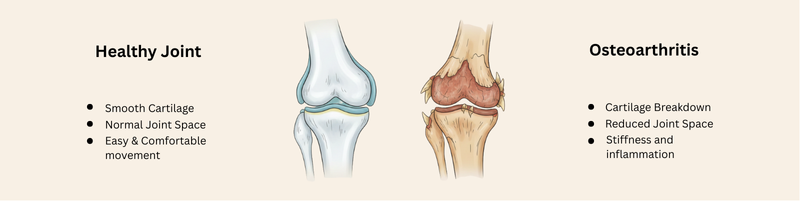
Osteoarthritis happens when the protective cartilage inside a joint begins to break down. Cartilage works like a smooth, cushioned surface that allows bones to glide without friction. When that cushioning wears away, bones begin to rub together and the joint becomes inflamed.
This inflammation leads to swelling, heat, stiffness and pain. Over time, the joint can lose its normal shape and movement, and bone spurs may form. That ongoing cycle of friction and inflammation is what makes osteoarthritis a long-term, progressive condition.
It’s important for pet parents to understand that osteoarthritis is not simply “getting old.” Aging can play a role, but true osteoarthritis involves structural changes inside the joint that need active, steady management.
Main Causes of Canine Osteoarthritis
Osteoarthritis can appear for many reasons. Some are natural, while others can be prevented or managed early.
· Age related wear
As dogs age, the cartilage in their joints gradually thins. Older dogs naturally have more wear and tear, which increases the likelihood of chronic inflammation.
· Previous injuries or surgeries
A torn ligament, such as a CCL injury, or trauma to a joint can shift the way a dog walks. Even after healing, the joint may carry weight unevenly, raising the risk of cartilage breakdown.
· Genetics and breed tendencies
Large breed dogs tend to develop osteoarthritis earlier because their joints take on more strain. Breeds like Labrador Retrievers, Golden Retrievers, Rottweilers and German Shepherds are well known for joint vulnerability. Some smaller breeds with luxating patellas or hip issues also face increased risk.
· Obesity and lifestyle
Extra weight puts daily stress on joints. Even a few added pounds can make a noticeable difference in how hard the joints have to work. Dogs that don’t get enough gentle exercise may also lose muscle tone, which reduces joint support.
· Developmental conditions
Hip dysplasia, elbow dysplasia and other structural issues can create lifelong uneven joint pressure that eventually leads to osteoarthritis.

Early Dog Arthritis Symptoms Pet Parents Often Miss
Osteoarthritis usually starts quietly. Dogs rarely cry out or limp dramatically in the beginning. Instead, they make subtle adjustments to avoid discomfort.
Here are early signs to watch for:
· Stiffness after resting or first thing in the morning
· Slower movement when getting up or lying down
· Shortened stride or slightly uneven walking
· Reduced enthusiasm for jumping on the couch, bed or into the car
· Avoiding stairs or taking them much slower
· Hesitation during play
· Difficulty with grooming or certain positions
· Slipping or losing balance on smooth flooring
· Behaving more withdrawn, irritable or tired
Dogs rely heavily on routine, so when those routines change noticeably, it often signals underlying pain. Many pet parents describe their dog as “just acting older,” but that change usually reflects joint discomfort rather than age alone.
How Vets Diagnose Osteoarthritis in Dogs
If you think your dog may have osteoarthritis, a veterinary exam is essential to confirm the diagnosis and rule out other conditions that cause similar symptoms.
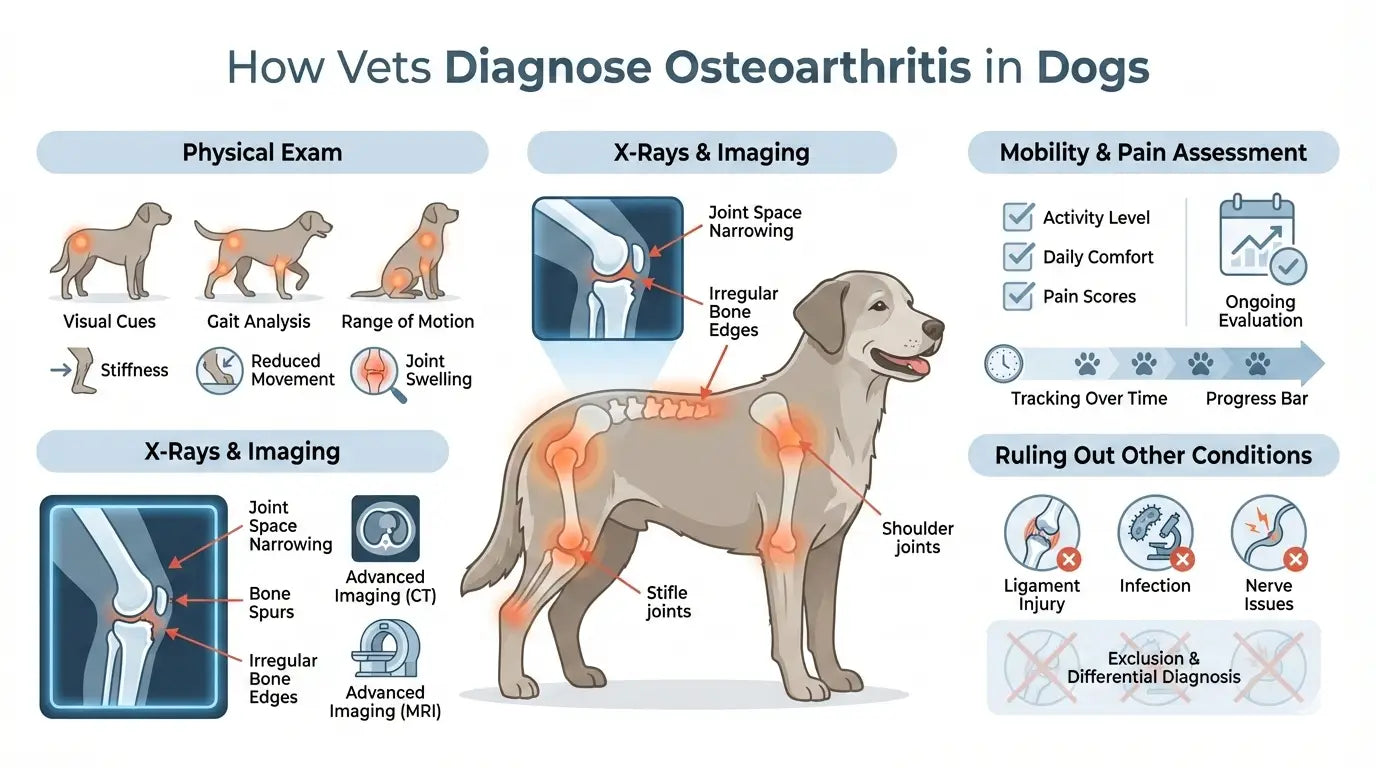
a. Physical exam
Your vet will watch how your dog stands, walks, and sits. They will move each joint through its normal range, checking for stiffness, pain, swelling, warmth, or reduced flexibility that often points to joint degeneration.
b. X rays and other imaging
X-rays help identify structural changes such as joint space narrowing, irregular bone edges, and bone spur formation. When symptoms do not match X-ray findings or more detail is needed, CT scans or MRI may be used to assess soft tissue and early joint damage.
c. Mobility and pain scoring
Many clinics rely on standardized mobility questionnaires and pain scoring tools. These track changes in movement, comfort, and activity levels over time, which helps evaluate whether treatments like weight management, medication, or joint supplements are actually improving your dog’s quality of life.
d. Ruling out other causes
Stiffness and limping can also result from ligament injuries, infections, or nerve-related problems. Identifying the exact cause prevents misdiagnosis and allows your vet to design a treatment plan that addresses the real source of your dog’s discomfort.
Dog Osteoarthritis Treatment Options for Pain and Mobility
There is no single “perfect” treatment for osteoarthritis. The most effective approach often combines pain relief, supplements, lifestyle changes and supportive therapies. Creating a layered plan gives dogs the highest chance of long-term comfort.
1. Pain and Inflammation Management
Pain management is usually the first step. When your dog is more comfortable, they move more naturally, which helps preserve muscle strength.
Common veterinary tools include:
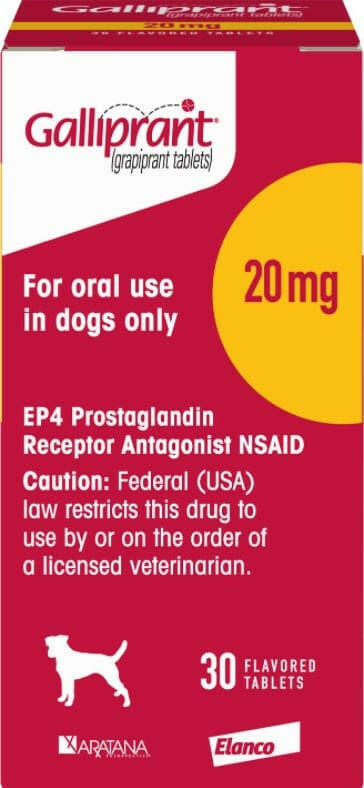
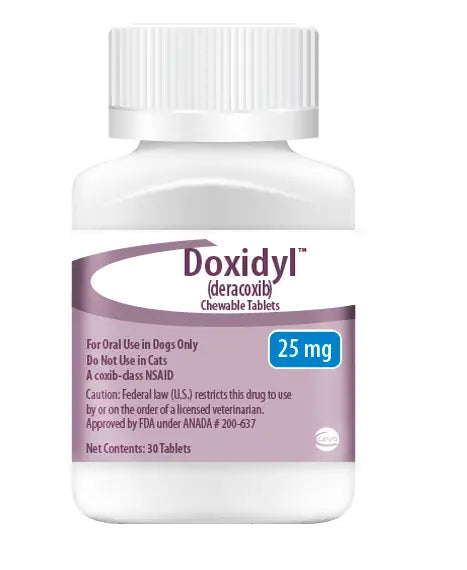
· NSAIDs for inflammation control
· Prescription pain relievers for flare ups or ongoing discomfort
· Occasional short-term steroids when inflammation becomes severe
All medications should be given under veterinary supervision to prevent side effects.
2. Joint Support Therapies
Joint supplements are one of the most widely used long-term tools for managing osteoarthritis. They nourish cartilage, support joint lubrication and help reduce daily stiffness.
Reputable brands include:
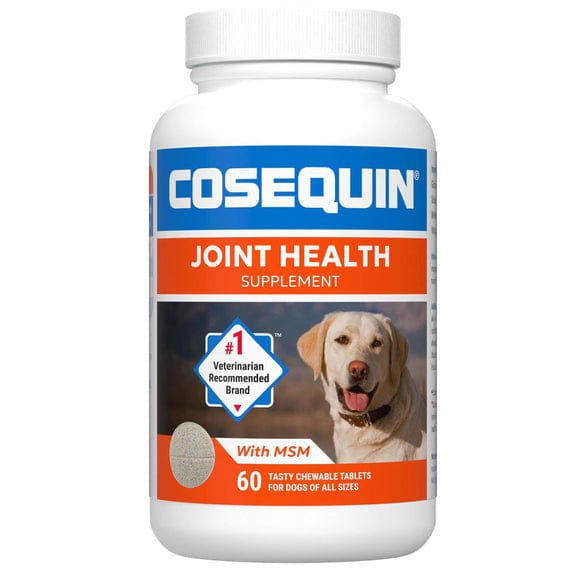
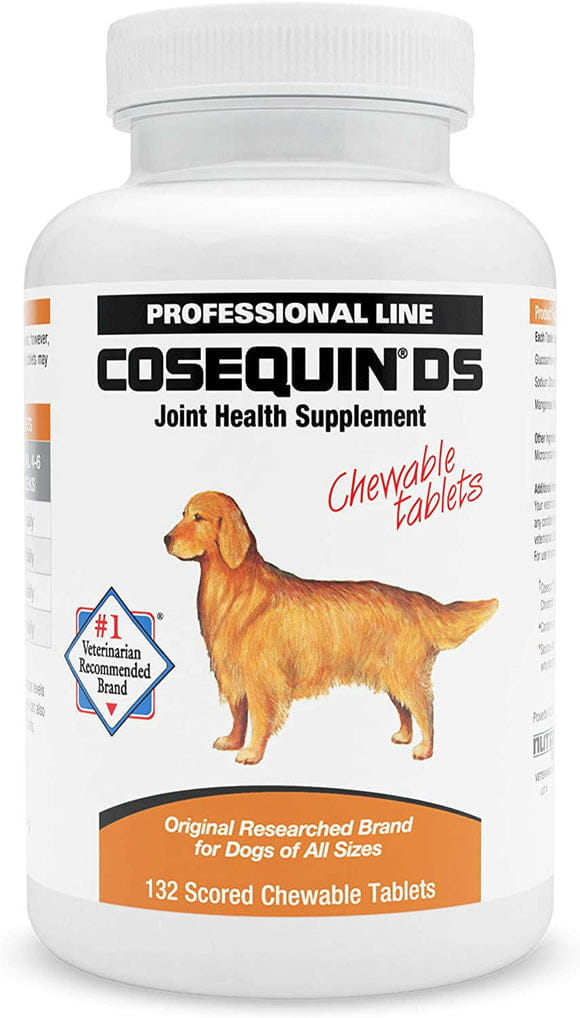
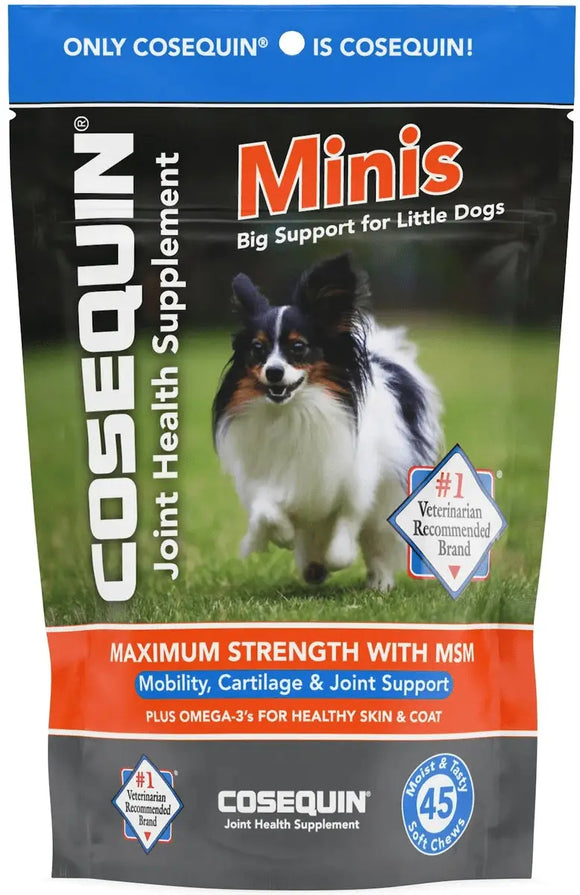
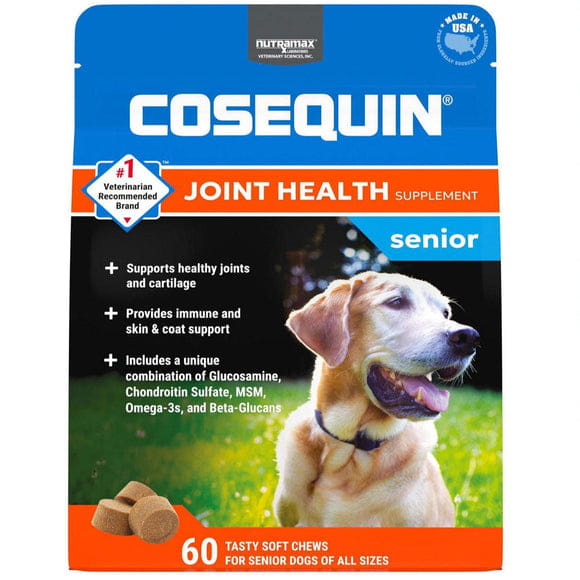
· Nutramax: Cosequin, Dasuquin and Dasuquin Advanced
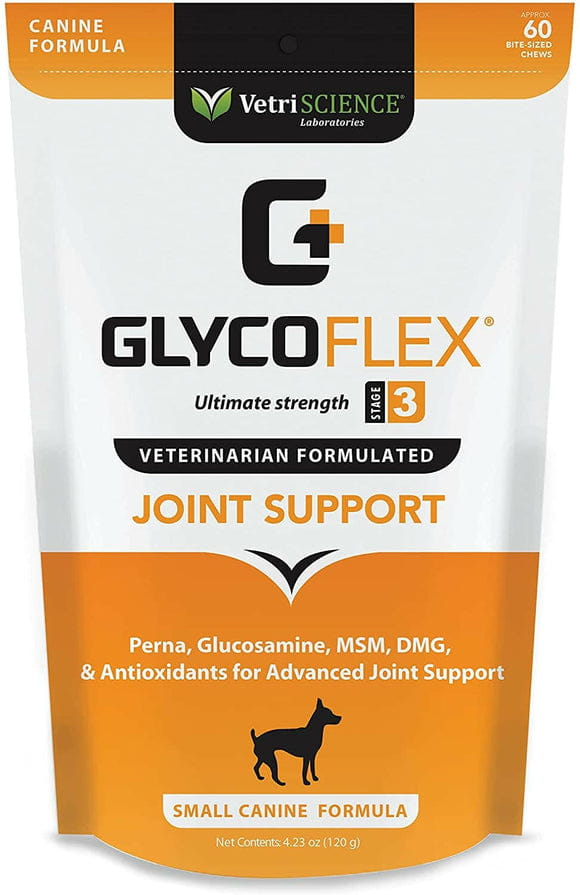
· VetriScience: GlycoFlex series
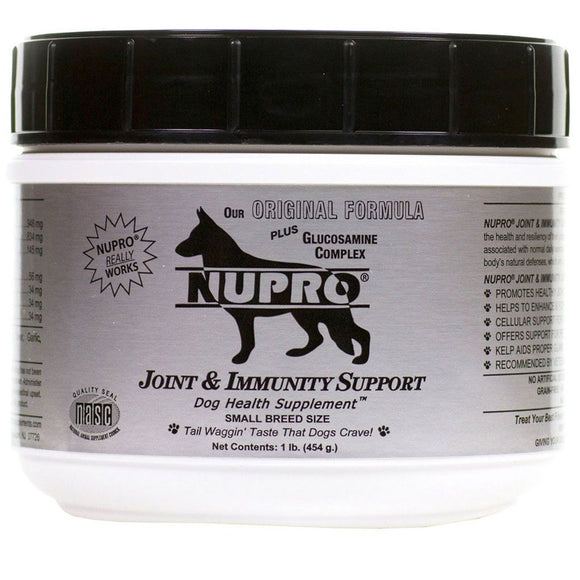
· Nupro: Joint and Immunity Support formulas
· Halstrum: Mobility supplements designed for long-term use
Omega 3 fatty acids also play a major role in lowering inflammation. Many pet parents rely on Virbac’s fish oil products or other veterinary-grade omega blends for daily support.
Some dogs also respond well to injectable therapies that improve lubrication inside the joint.
3. Lifestyle and Home Adjustments
Simple changes at home often make the biggest difference in daily life.
· Keep your dog at an ideal weight to reduce pressure on joints
· Choose low impact exercise such as steady walks or swimming
· Use orthopedic or memory foam beds to cushion joints
· Add ramps for beds, couches or cars to prevent jumping
· Use non slip rugs or traction socks to prevent falls
· Keep nails trimmed to help improve stability
· Create warm resting areas since cold can increase stiffness
Consistency matters. Doing small things every day adds up over time and supports smoother movement.
4. Advanced Treatments
For dogs that need more support, advanced therapies may help.
· Physical therapy strengthens muscles that support the joints
· Laser therapy increases blood flow and reduces inflammation
· Acupuncture offers gentle, drug free support for chronic pain
· Hydrotherapy builds muscle without stressing the joints
· Surgery may be considered in severe cases to repair or stabilize damaged joints
Vets often combine several of these treatments to build the most effective plan.
Widely Prescribed NSAIDs for Dog Arthritis Treatment


Daily Care Tips for Dogs With Osteoarthritis and Mobility Issues
Caring for a dog with osteoarthritis is not about perfection. It’s about small, steady habits that keep your dog comfortable throughout the day.
Here are daily practices that make a difference:
· Start mornings slowly with gentle stretching or short walks
· Allow extra time for your dog to get up or lie down
· Break exercise into shorter sessions instead of one long outing
· Offer warm compresses on stiff joints during cold weather
· Watch how your dog moves and adjust activities on tougher days
· Keep your dog mentally engaged with scent games or calm enrichment
Even though mobility may change over time, dogs with osteoarthritis can still enjoy a rich, joyful daily life when their comfort is supported.
Diet and Nutrition Considerations for Dog Joint Health
Nutrition plays a strong role in joint health, especially when it comes to weight management. Even a small reduction in weight can lower joint pressure noticeably.
Helpful dietary steps include:
· Choosing a balanced diet that supports lean muscle
· Using portion control to avoid unintentional weight gain
· Adding joint friendly nutrients like omega fatty acids
· Asking your vet about green lipped mussel, turmeric or MSM as add ons
· Avoiding high calorie treats that add unnecessary weight
Some dogs benefit from prescription joint diets, while others do well with over-the-counter foods supported by supplements. Your veterinarian can help you choose the best fit for your dog’s age, size and activity level.
Trusted Osteoarthritis Supplements for Dog Joint Care


Long-term Outlook for Dogs Living With Osteoarthritis
Osteoarthritis is a lifelong condition, but that doesn’t mean life becomes limited. The goal is to slow progression, reduce pain and keep your dog moving comfortably.
Most dogs improve significantly once a consistent plan is in place. Many pet parents notice more pep during walks, smoother movement after rest and renewed interest in play. A mix of pain control, physical support and thoughtful home care creates a strong foundation for long-term comfort.
Regular veterinary checkups ensure your dog’s plan evolves as their needs change.
When to Seek Immediate Veterinary Care for Joint Pain in Dogs
Contact your vet right away if you notice:
· Rapid or sudden loss of mobility
· Crying, yelping or snapping when touched
· Swelling in one or more joints
· Refusal to walk or stand
· Sudden weakness or collapse
· Loss of appetite along with mobility changes
These signs may point to a flare, an injury or another condition that needs attention.
Final Takeaway on Managing Dog Osteoarthritis
Osteoarthritis may be common, but it doesn’t have to define your dog’s life. With early awareness, steady care and ongoing support, dogs can stay active, comfortable and joyful well into their senior years. Pet parents play the biggest role in noticing early signs and creating a home environment where their dog can move easily and rest comfortably.
If you ever feel unsure about the next step, your veterinarian is the best partner to guide your dog’s long-term joint health.
Frequently Asked Questions on Canine Osteoarthritis
Q1. What is osteoarthritis in dogs and how does it affect their joints?
Ans: Osteoarthritis is a long-term joint condition where the protective cartilage inside a dog’s joint slowly breaks down. As this cushioning wears away, bones begin to rub together, causing inflammation, stiffness, swelling, and pain. Over time, joint movement becomes limited, which can affect comfort, mobility, and daily activity if not managed properly.
Q2. What are the early signs of osteoarthritis pet parents often overlook?
Ans: Early osteoarthritis signs are usually subtle and easy to miss. Dogs may seem stiff after resting, move slower when standing up, hesitate before jumping, or avoid stairs. You might notice shorter walks, less interest in play, or mood changes. These small routine changes often signal joint discomfort rather than normal aging.
Q3. How do veterinarians diagnose osteoarthritis in dogs?
Ans: Vets diagnose osteoarthritis through a combination of physical exams, movement observation, and imaging like X-rays. They assess joint flexibility, swelling, and pain response while watching how your dog walks and stands. In some cases, advanced imaging or mobility scoring tools help confirm joint damage and track changes over time.
Q4. What treatment options help manage dog osteoarthritis effectively?
Ans: Managing osteoarthritis usually involves a combination of pain relief, joint supplements, weight control, gentle exercise, and home adjustments. Vets may prescribe anti-inflammatory medications while recommending omega fatty acids, orthopedic bedding, and low-impact activities. Layering these approaches helps reduce pain, protect joints, and support long-term comfort.
Q5. Can dogs with osteoarthritis still live active and happy lives?
Ans: Yes, most dogs with osteoarthritis can enjoy a full and happy life with consistent care. While the condition is lifelong, proper pain management, supportive nutrition, regular vet checkups, and simple home changes greatly improve mobility and comfort. Many dogs regain interest in walks, play, and daily routines once their needs are supported.
Related Articles


Recent Articles


