

Everything You Need to Know to Raise a Healthy, Happy Dog
Atamjeet Kaur 14 min read

What does it really take to raise a healthy, happy dog?
More than belly rubs and squeaky toys, a dog's wellbeing is shaped by what you do every day, from when you bring home that wriggling puppy to when they start to slow down in their golden years.
Yet many pet parents make the mistake of assuming their love alone is enough. While love is vital, raising a thriving dog requires informed decisions at every stage of life.
In this comprehensive guide, we’ll walk you through your dog's physical, emotional, and behavioral needs across all life stages: puppyhood, adolescence, adulthood, and the senior years. You'll learn proven strategies backed by research and expert advice on everything from nutrition and exercise to socialization, mental stimulation, vet care, and more.
Understanding Your Dog's Life Stages
Dogs, like humans, go through several key developmental phases. Each life stage brings unique needs and challenges that require different approaches.
Puppyhood (0-12 months)
This is the most adorable and critical development stage. This wriggly pupper that you fell in love with is going to be completely dependent on you. How you interact will teach them how to interact with the world, behave in different situations, and the experiences during this time will shape lifelong behavior.

What does your puppy need?
-
Proper nutrition: Puppy diets should be calorie-dense and rich in DHA (docosahexaenoic acid) for brain development. They’ll need more frequent meals in this stage. So, look for puppy-specific formulas that contain at least 22% protein and 8% fat.
-
Early socialization: Socialization should start by 8 weeks, with exposure to various sounds, sights, and experiences. It can include controlled exposure to various sounds, sights, textures, people, and other animals. You can start by visiting a puppy park or arranging a play date with someone who has a friendly dog or a puppy of a similar age. Such interactions build confidence for outdoor activities.
-
Basic training: Positive reinforcement training begins now. Focus on teaching simple commands like “sit,” “stay,” and “come,” along with essential housebreaking skills. Consistent use of the same commands by all family members helps the puppy learn it faster.
-
Early vet visits: Preliminary vet visits are non-negotiable for a puppy. These establish a baseline for your puppy’s health and begin the crucial vaccination schedule that protects against serious diseases like parvovirus, distemper, and rabies. These visits also help your puppy get comfortable with getting examined.
Adolescence (1-2 years)
Your dog is now a teenager, so expect increased independence, testing of limits, and potential behavior regression. Don’t panic if your angel puppy suddenly seems to have forgotten everything you taught them. This is completely normal and temporary.

What does a puppy need?
-
Consistent training: Training doesn’t stop once your puppy has learned the commands you teach them. Puppies this age will test boundaries to see what they can get away with, so maintaining the same rules and expectations is crucial.
-
Mental stimulation: Teenage dogs have abundant energy but often lack the focus of adult dogs. Interactive puzzle toys, treat-dispensing balls, and rotating toy selections can help channel their mental energy constructively.
-
Spay/neuter surgery: This is the right age to decide on spay or neuter surgery (if it hasn't been done already). These procedures are recommended to prevent unwanted pregnancies and can also reduce certain behavioral issues and health risks later in life.
-
Transition to adult food: Despite the tantrums dogs throw around this age, their bodies have reached maturity, and thus, their growth rate slows from here. This means you can start transitioning from puppy food to adult formulations. Start small and take it slowly, taking 7-10 days to avoid digestion issues.

Adulthood (2-6 years)
The reward for braving through the wildly unpredictable phases is this stage. This is typically the most stable phase in your dog’s life. They are mature, trained, and at peak physical health.

What does your dog need?
-
Regular exercise: Your adult dog is still in prime health and needs regular exercise to expend all its energy. It is advisable to have dedicated time for exercise (running, hiking, etc.) or other active play according to the breed, size, and individual energy level.
-
Annual vet check-ups: Annual check-ups are essential for catching potential health issues before they become serious problems. These include physical exams, blood work, dental assessments, and parasite prevention.
-
Mental stimulation: A bored dog is a destructive dog. Keep them sharp with regular mental stimulation, like teaching them new tricks, and participation in dog sports.
-
Dental hygiene: Adult dogs are especially prone to dental issues. Practice regular dental brushing, including dental chews, that keeps your oral health shining.
Senior Years (7+ years)


Your furry friend is now getting slow and grey. As dogs age, their nutritional, physical, and emotional needs change. The once energetic puppy now would rather cuddle on the couch all day. This is normal, as long as they’re still active on daily walks and playtime.

What does your dog need?
-
Senior dog food: Your senior may now require additional nutrients to support their joint health, aid digestion, and deliver appropriate protein levels. Specialized senior dog diet is easily digestible to reduce kidney strain, so it's best to feed them in smaller, more frequent meals.
-
Frequent, gentle exercise: The never-ending game of fetch may be history now, but regular gentle movement is crucial to maintain mobility and muscle tone. In addition to walks, your senior pup may also like a little stretching and massages.
-
Regular vet screenings: Bi-annual vet check-ups should be on your calendar. This stage is where arthritis, heart disease, kidney problems, etc., are detected. Early detection can help manage it better, improving your dog’s quality of life.
-
Comfortable living spaces: Making your dog’s favorite spots accessible is the best way to encourage movement and improve their quality of life. This might look like getting them orthopedic bedding, installing ramps, or simply elevating their food and water bowls.
Remember that every dog ages differently, and breed, size, genetics, and lifetime care all influence how your dog experiences their senior years. Some dogs remain spry and active well into their teens, while others may need more support earlier. The key is staying attuned to your dog's needs and adjusting care accordingly, ensuring their golden years are filled with comfort, love, and dignity.
Throughout all these life stages, the common thread is your role as your dog's advocate, caregiver, and best friend. By understanding and adapting to their changing needs, you're not just extending their life; you're ensuring that every stage is filled with joy, health, and the deep satisfaction of a life well-lived together.
The Pillars of a Healthy, Happy Dog
Raising a well-rounded dog goes beyond life stages. Let's explore the essential areas of care that span every phase of your dog's life, from puppyhood to their golden years.
Nutrition
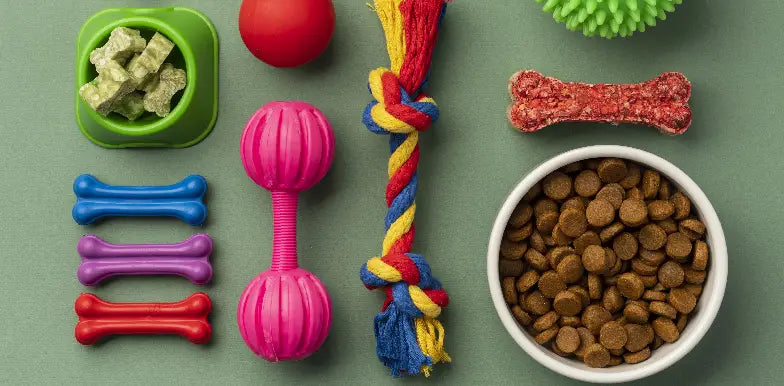
Dogs thrive on diets appropriate to their size, age, and health status. A healthy dog diet includes high-quality protein sources, omega-3 fatty acids (especially in puppies and seniors), proper vitamins and minerals, limited fillers, and artificial additives.
Consult your vet for guidance, especially if your pet has allergies or special dietary needs. Transition food types gradually, as sudden changes may cause digestive upset.
Supporting Nutrition with Quality Supplements
Even the best commercial diets can benefit from targeted supplementation. Puppies building their immune systems, active adults maintaining peak performance, and seniors facing age-related challenges all have unique nutritional needs that supplements can address.
Key supplement categories include:
-
Joint support supplements with glucosamine, MSM, and turmeric for developing or aging joints
-
Multivitamins and immune-boosting chews to fill nutritional gaps
-
Digestive enzymes and probiotics for optimal gut health and nutrient absorption
-
Omega-3 supplements for coat health, brain development, and anti-inflammatory benefits
Functional Treats for that extra reward
Transform treat time into wellness time with functional treats that serve dual purposes. These nutritionally enhanced rewards can support dental health, joint mobility, skin and coat condition, or calming effects while being delicious enough to motivate during training sessions.
Exercise & Play
A tired dog is a happy dog. Physical activity supports weight control, joint and muscle health, and provides essential mental stimulation that prevents behavioral issues.
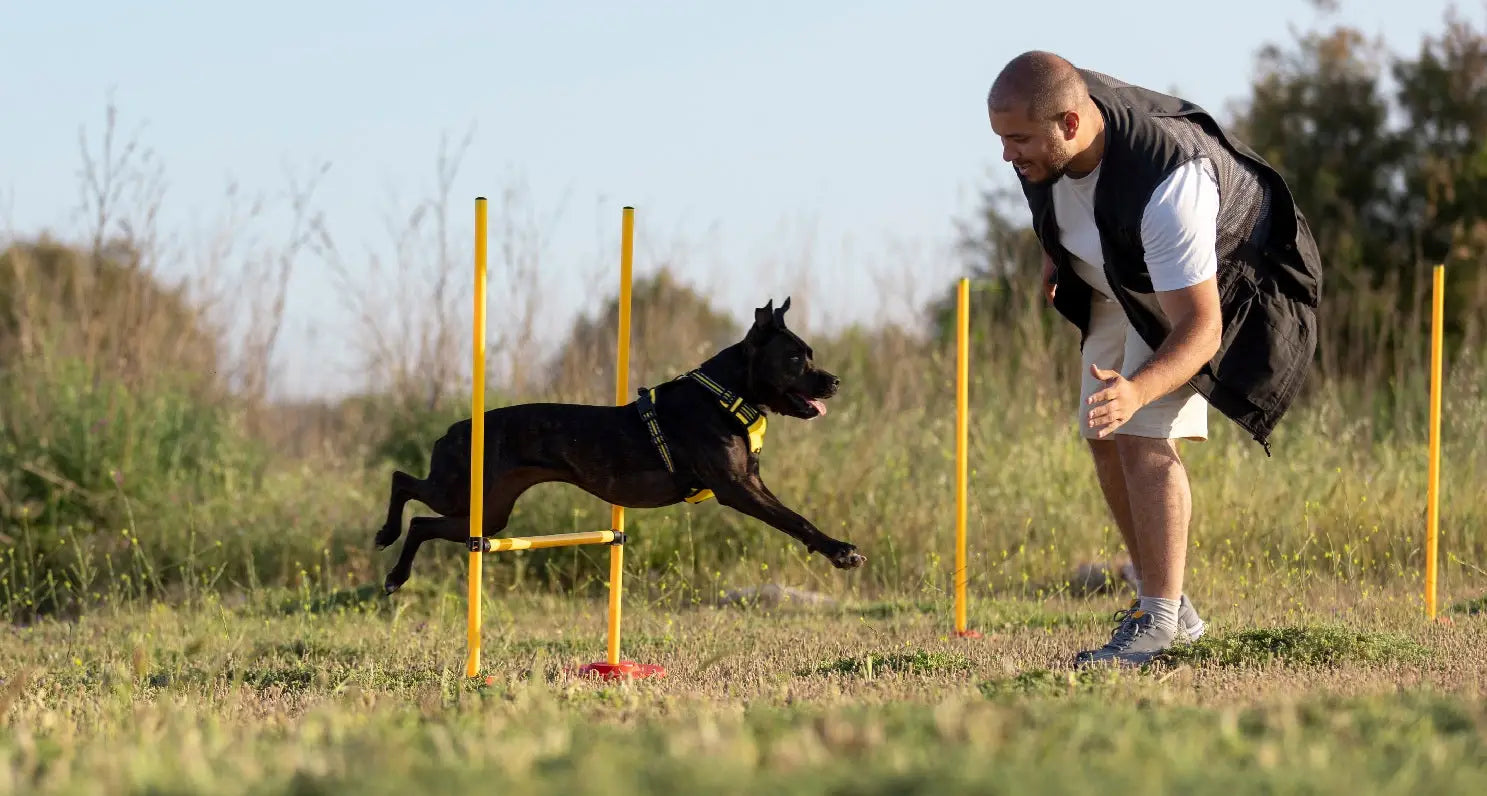
Mix daily walks with off-leash play, fetch, swimming, or agility sessions. Puppies may only need short bursts of activity, while adults can handle structured routines. Senior dogs benefit from gentle, consistent movement to maintain mobility.
Mental Stimulation
Mental stimulation is just as important as physical exercise. A mentally engaged dog is less likely to develop destructive behaviors or anxiety issues.
Try these brain-boosting activities:
-
Puzzle feeders that make mealtime challenging
-
Hide-and-seek games with treats or toys
-
Interactive toys are designed for different skill levels
-
Training new tricks and commands
-
Scent work and nose games
Choosing the Right Toys for Every Life Stage
Puppies need soft, safe toys for teething relief and gentle play. Look for toys specifically designed for puppy mouths and developing teeth.
Adult dogs benefit from a variety of toy types:
-
Chew toys for aggressive chewers to satisfy natural chewing instincts
-
Puzzle toys for mental stimulation that challenge problem-solving skills
-
Interactive toys that dispense treats or require manipulation
Senior dogs often prefer soft plush toys for comfort and gentle play that won't stress aging joints.
Calming Support for Anxious Dogs
Some dogs need extra support managing stress and anxiety, whether from separation, loud noises, or new environments. Calming aids can help create a more relaxed, confident dog while you work on behavioral training.


Training & Socialization
Positive reinforcement is the gold standard in training. It teaches trust, reduces fear, and strengthens your bond with your dog throughout their lifetime.
Training Goals by Life Stage
- Puppy: Focus on basic commands like sit, stay, come, and essential potty training. This is also the critical socialization period.
- Adolescent: Master leash walking, reliable recall, and crate training. Address teenage rebellious behaviors with consistency.
- Adult: Reinforce established behaviors and troubleshoot emerging issues. Continue advanced training for mental stimulation.
- Senior: Maintain cognitive function through gentle trick training and mental activities adapted to their physical abilities.
The Importance of Early Socialization
Socialization prevents aggression and fear-based behaviors that can last a lifetime. Make gradual and positive introductions to other dogs, people, children, various sounds, and different environments.
The critical socialization window closes around 16 weeks, making puppy socialization classes and controlled exposure experiences essential during this period.
Grooming & Hygiene
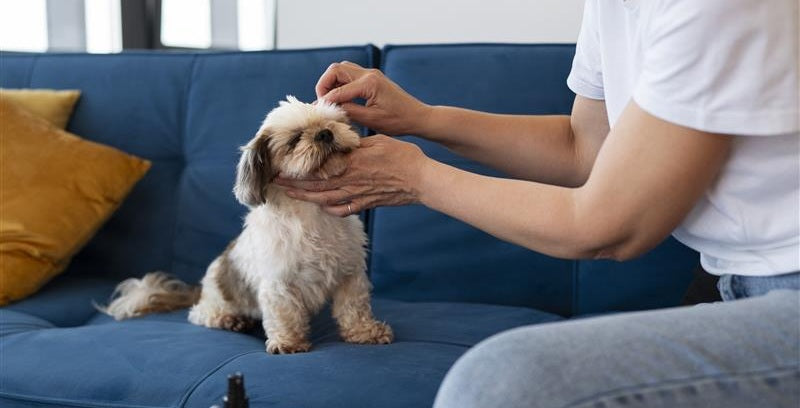
Routine grooming helps detect health issues early while keeping your dog comfortable and clean. Regular grooming sessions also strengthen your bond and help your dog become comfortable with handling.
Essential Grooming Tasks
-
Coat Care: Brush coats regularly to reduce matting and shedding. Different breeds need different grooming schedules. For example, double-coated dogs shed seasonally, while Poodles require regular professional trims.
-
Nail Care: Trim nails every 2-4 weeks to prevent posture problems and painful overgrowth. Start nail trimming early to build tolerance.
-
Ear Care: Clean ears weekly with appropriate cleansers to avoid infections. This is especially important for dogs with floppy ears or those who swim frequently.
-
Dental Care: Brush teeth 3 times a week or use dental chews daily. Dental disease affects 80% of dogs by age 3, making preventive care crucial.
Specialized Grooming for Different Needs
-
Hypoallergenic and Medicated Shampoos: Dogs with sensitive skin, allergies, or dermatological conditions benefit from specially formulated shampoos that clean without irritation.
-
Seasonal Care: Coat conditioners, paw balms, and protective sprays help dogs cope with weather extremes, from winter salt to summer heat.
-
Senior Dog Considerations: Older dogs may need gentler products and more frequent grooming assistance as their mobility decreases.
Preventive Vet Care
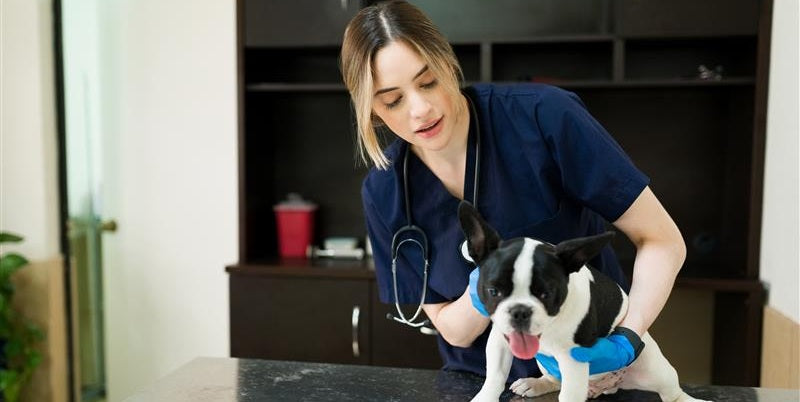
Veterinary visits aren't just for emergencies. Preventive care saves money, catches problems early, and ensures your dog lives their longest, healthiest life possible.
Essential Preventive Care Schedule
-
Annual checkups for adult dogs with comprehensive physical exams and health assessments.
-
Vaccinations according to your vet's recommended schedule and your dog's lifestyle risks.
-
Parasite prevention for fleas, ticks, and heartworms, as well as year-round protection, is essential in most climates.
-
Bloodwork and dental checks to catch internal issues before they become serious problems.
-
Senior dogs may need checkups every 6 months as age-related changes happen more rapidly.
At-Home Health Monitoring
Track behavior and appetite changes. Dogs are naturally good at hiding pain and illness. Learn to recognize early warning signs like changes in eating habits, energy levels, bathroom habits, or social interaction.
Flea and Tick Prevention
External parasites aren't just uncomfortable; they can transmit serious diseases. Effective prevention includes topical treatments, oral preventatives, and environmental management. Different products work better for different lifestyles, so consult your vet about the best approach for your dog's needs.
Supporting Immune Health
A strong immune system is your dog's first defense against illness. Beyond basic nutrition, immune-supporting supplements can help maintain optimal health, especially during stress, illness recovery, or seasonal changes.
Recommended Products for your Pets


Common Health Challenges and Solutions
Seasonal Allergies and Skin Issues
Many dogs suffer from environmental allergies that cause itching, hot spots, and discomfort. Managing allergies often requires a multi-faceted approach, including appropriate bathing products, potential dietary changes, and sometimes additional support for inflammation and skin health.
Joint Health and Mobility
Joint issues aren't just a senior dog problem - large breed puppies, active dogs, and dogs with genetic predispositions can benefit from proactive joint support throughout their lives.
Digestive Health
Digestive issues can affect dogs of any age, from puppy tummy troubles to senior digestive sensitivity. Maintaining healthy gut bacteria and proper digestion supports overall health and nutrient absorption.
Eye and Ear Care
Regular cleaning and maintenance of the ears and eyes prevent infections and catch problems early. Dogs with floppy ears, those who swim frequently, or breeds prone to tear staining need extra attention in these areas.
Final Thoughts
From floppy-eared puppies to wise old dogs, every stage of a dog's life offers opportunities to show love through thoughtful care and attention to their evolving needs. And the investment you make in your dog's health and happiness today pays multifold in years of companionship, reduced veterinary bills, and the deep satisfaction of knowing you've given your dog the best possible life.
P.S. It has been found that a dog is great for your physical and mental health. A win-win!
Caring for a dog doesn't have to be complicated, but it does require consistency, attention to detail, and the right products to support your dog's unique needs at every life stage. Your dog's health and happiness are worth the investment, and they'll repay you with years of loyal companionship and unconditional love.
FAQs
How often should I take my dog to the vet?
Most dogs should see the vet at least once a year for a wellness check-up. Puppies may need visits every 3-4 weeks for vaccinations, while senior dogs benefit from biannual exams to catch age-related issues early.
What should I feed my dog at different life stages?
Puppies need high-protein, calorie-rich puppy food. Adults require balanced nutrition based on size and activity level. Seniors benefit from lower calorie diets but higher in joint-supportive nutrients like omega-3s and glucosamine.
How much exercise does my dog really need?
Exercise needs vary by breed and age. Most adult dogs need 30-90 minutes daily. Puppies require shorter, play-based bursts of activity, while senior dogs need gentle walks and mental stimulation to stay fit.
When should I start training my puppy?
Training can begin as early as 8 weeks. Start with basic cues like "sit" and "stay," then gradually increase difficulty. Socialization during weeks 8-16 is crucial for a well-adjusted adult dog.
What vaccines does my dog need?
Core vaccines include rabies, distemper, parvovirus, and adenovirus. Non-core vaccines (like Bordetella or Lyme) may be recommended based on your dog’s lifestyle and region. Consult your vet for a tailored schedule.
How can I tell if my dog is happy?
Signs of a happy dog include a relaxed body, wagging tail, regular appetite, and eagerness to play or engage. Behavior changes like withdrawal or aggression may indicate stress or illness.
What are the common signs of illness in dogs?
Look for symptoms like vomiting, diarrhea, lethargy, appetite loss, coughing, limping, or sudden behavioral shifts. Catching these early can prevent more serious health issues.
How do I care for my dog’s teeth?
Brush your dog’s teeth 2-3 times a week using dog-safe toothpaste. Dental chews, toys, and occasional vet cleanings can help prevent gum disease and tooth loss.
Should I spay or neuter my dog?
Yes, unless you plan to breed responsibly. Spaying/neutering prevents unwanted litters, reduces certain cancer risks, and may curb behavioral issues like marking or aggression.
How do I mentally stimulate my dog?
Use puzzle toys, training games, sniff walks, and interactive play to keep your dog’s brain engaged and behavior balanced. Rotate toys and teach new tricks regularly.
How do I help my senior dog stay healthy?
Switch to a senior-appropriate diet, maintain regular vet visits, use joint supplements, and offer low-impact activities like swimming or short walks. Monitor for signs of pain, confusion, or discomfort.
Can dogs get depressed or anxious?
Yes. Dogs can experience emotional distress from changes in routine, loss, or lack of stimulation. Symptoms include withdrawal, whining, destructive behavior, and loss of appetite. Enrichment and consistency can help.
How do I safely socialize my dog with other pets?
Start slow with controlled introductions. Use neutral locations, positive reinforcement, and keep interactions short at first. Supervise closely, especially if either pet has a reactive history.
Related Articles


Recent Articles