

The Ultimate Guide to Flea, Tick & Heartworm Prevention for Pets
Palvi 10 min read

Fleas, ticks, and heartworms are not just nuisances; they can be life-threatening if untreated.
These parasites start with skin irritation, anemia, and even chronic organ damage, which can lead to an animal’s death. While our pets can’t share their problem with us, these invaders can make them feel miserable, itchy, tired, in pain, and vulnerable.
According to the American Heartworm Society, more than one in seven dogs in the United States tests positive for heartworms.
The good news? All of it is preventable.
In this guide, we will cover everything you need to know about protecting your furry pet year-round: what these pests are, how they spread, how to spot signs early, and how to choose the customized protection plan for your pet.
What is a Flea in Pets?
A flea is a small, wingless, parasitic insect that lives on the blood of animals and humans.
How Quickly Do Fleas Spread?
Fleas are tiny but relentless insects. Their life cycle starts with an egg, larva, pupa, and adult. Completing the cycle in warm conditions takes as little as 2-3 weeks. Each day, a female flea can lay as many as 50 eggs. They thrive in warm and humid environments.
They habitually jump from animal to animal, making parks, kennels, and even vet offices a risk zone. Fleas from your pet can fall off their bedding, carpet, and furniture, silently creating a full-blown infestation before you even notice.
What are the High-Risk Seasons for Fleas?
-
Peak Season: Fleas are most active in warm, humid weather, peaking from late spring to early fall.
-
Year-Round Activity Indoors: Fleas can stay active year-round indoors, thriving in heated homes and cozy pet bedding.
Why Do Fleas Attack More in Warmer Seasons?
Fleas are more active during the warmer months due to several factors:
1. Ideal Temperature and Humidity
- Fleas thrive in temperatures between 70-85°F (21 to 29°C) and humidity above 50%.
- These conditions are most common in spring and summer, making it the perfect season for fleas to breed and survive.
2. Accelerated Life Cycle
-
Warm weather speeds up the flea life cycle, allowing them to reproduce more rapidly.
3. Increased Outdoor Activity
- Pets (dogs and cats) spend time outdoors during warm months, increasing exposure to flea-infested environments like grass, soil, or other animals.
- Fleas latch onto pets outdoors and then infest indoor spaces.
4. Dormant Fleas Reactivating
- Flea pupae can lie dormant in carpets or soil during colder months.
- As temperatures rise, they emerge in large numbers, leading to sudden infestations.
It is clear that fleas "attack" more in warmer seasons because the climate favors their survival, reproduction, and feeding. However, it's important to note that fleas can be a year-round problem in heated homes.
How to Spot a Flea or Tick Attack on Your Dog or Cat?
Fleas can impact any pet’s lifestyle, whether you have a playful puppy, a medium dog, a senior dog, an indoor cat, or an outdoor cat. Here are signs to watch for:
-
Excessive scratching: If you see your pet frequently scratching or biting a lot, it’s often a sign that it has fleas. Fleas bite the skin and inject a substance that keeps the blood flowing, which causes intense itching. Your pet scratches and bites to try to relieve that irritation.
-
Red bumps or scabs: You might also see red bumps or scabs on your pet’s skin. If yes, this allergic reaction is caused by flea saliva, known as flea allergy dermatitis, and results in inflammation. The itching makes pets scratch even more, causing those bumps or scabs from broken skin.
-
Hair loss: Scratching and biting can cause wounds or sores that affect your pet’s normal fur growth. Over time, this can lead to patchy hair loss or thinning fur where the skin is damaged.
-
Flea dirt (black specks): Flea feces are made up of digested blood, and when you see small black specks in your pet’s fur, that’s the waste left behind by fleas. These specks are often seen when fleas are actively feeding.
-
Skin sensitivity: Flea bites make an animal’s skin sore and sensitive, causing discomfort. As the fleas continue feeding, pets feel irritated and restless, often rubbing or rolling to relieve pain.
If left untreated, fleas can cause flea allergy dermatitis, tapeworm infections, and anemia.
Flea Prevention and Treatment Methods
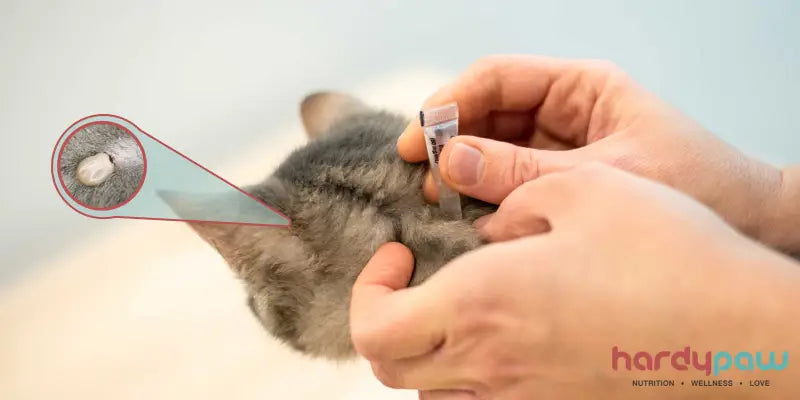
-
Monthly preventives (spot-on, chewables, or collars): These are ongoing treatments given to your pet once a month to prevent flea infestations.
-
Spot-on: A liquid treatment applied directly to your pet’s skin, usually between the shoulder blades. It spreads over the skin to kill fleas and prevent new ones from infesting.
-
Chewables: These are flea-control pills or tablets that your pet swallows. After being eaten, they enter the bloodstream and eliminate fleas when they feed on your pet.
-
Collars: Flea collars are worn around your pet’s neck. They release chemicals that kill fleas, keeping them away for weeks or months.
-
Flea shampoos and sprays: These exceptional flea shampoo and spray products are applied to your pet’s coat to kill fleas on contact and help wash away eggs and larvae.
-
Flea combs (especially for cats and small dogs): Fine-toothed combs are used to remove fleas, eggs, and debris from your pet’s fur, and they are beneficial for both cats and small dogs.
-
Vacuum and wash pet bedding regularly: Regular cleaning of carpets, furniture, and pet bedding to remove flea eggs, larvae, and dirt, helping prevent reinfestation.
-
Sprays or foggers: Flea sprays or foggers are used in homes to kill fleas, eggs, and larvae in carpets, upholstery, and other areas where fleas may hide.
What are Ticks in Pets?
Ticks are tiny, blood-sucking parasites that attach to animals and humans.
Where Ticks Hide & How They Latch On?
Ticks are found in wooded areas, tall grasses, and urban parks. They sense a pet’s body heat and motion and latch onto them. Once on your pet, they crawl to warm, protected spots like ears, between toes, under collars, and attach by burrowing their mouthparts into the skin. However, pets usually don’t feel the bite right away.
Peak season: Ticks are active during the warmer months, especially late spring to early summer. Warmer temperatures and increased humidity promote their growth, reproduction, and feeding activity.
How do ticks harm your pet?
Ticks are more than just gross; they carry dangerous diseases, such as:
-
Lyme disease: Causes joint pain, lameness, and flu-like symptoms in pets.
-
Ehrlichiosis: Bacteria that affect the immune system, leading to fever, weight loss, and bleeding.
-
Rocky Mountain spotted fever: If untreated, it leads to fever, rash, and potentially severe organ damage.
-
Anaplasmosis: A bacterial infection spread by ticks causes symptoms like fever, lethargy, and joint pain in pets.
Symptoms may not show immediately, but slowly, they start with fever, joint pain, lethargy, appetite loss, and long-term joint and organ damage.
Natural Ways to Remove Ticks from Your Pet
Ticks dislike strong-smelling oils like cedarwood, eucalyptus, and peppermint, but we can’t use any oil directly on our pet, as it can be risky. Stick to vet-approved repellents.
To safely remove a tick:
-
Use fine-tipped tweezers.
-
Grasp the tick close to the skin.
-
Pull upward steadily, don’t twist or crush.
-
Clean the area with an antiseptic.
However, this method can be time-consuming if your pet has multiple ticks. In such cases, preventive treatments and medications are recommended.
Ticks Prevention
-
Tick preventives (monthly chews or topicals)
-
Monthly chews: Oral pills that kill ticks when ingested, protecting for a month.
-
Topicals: Liquid treatments applied to the skin that kill ticks on contact and last for a month.
-
Regular checks after walks or outdoor play.
-
Avoid high-risk areas like tall grass during peak tick seasons.
-
Protective clothing (for long-haired or light-colored dogs).
-
Yard maintenance: Keep grass trimmed and use tick control sprays.
Prevention and treatment should be customized to your pet’s size and needs.
-
For small dogs and indoor cats, gentle flea shampoos, flea combs, and size-appropriate spot-on treatments work best.
-
Medium-sized pets often do well with monthly chewable or collars that provide adequate, broad-spectrum protection.
-
Large dogs and outdoor cats typically require more potent formulations that are vet-approved, chewable, or spot-ons suited to their weight.
What are Heartworms in Pets?
Heartworms are parasitic worms spread by mosquitoes that live in a pet’s heart and lungs, causing potentially life-threatening damage.
How do They Affect Your Pet?
Heartworms are deadly parasites transmitted through the bite of infected mosquitoes. Once inside your pet, the worms grow and lodge in the organs like the heart, lungs, and blood vessels. They are 12 inches long and live in dogs for 5-7 years and in cats for 2-3 years.
The Heartworm Season That Could Break Your Pet’s Heart
-
Peak season: Late spring to early fall. Mosquitoes, the primary carriers of heartworms, are prevalent during the warmer and more humid months.
In warmer climates, the risk of heartworm infection persists year-round, as mosquitoes remain active and continue to thrive in these favorable conditions.
Spot Early Signs of Heartworms in Pets
Knowing the typical signs can help you protect your pet and seek timely veterinary care. There are four main stages of heartworm disease in pets:
-
Stage 1: Early Infection: Larvae enter the pet’s bloodstream and begin developing; often, there are no symptoms yet.
-
Stage 2: Developing Infection: Worms mature and start affecting the heart and lungs; mild symptoms like coughing may appear.
-
Stage 3: Moderate Infection: Increased worm burden leads to signs of fatigue, coughing, and reduced stamina.
-
Stage 4: Severe Infection: Advanced disease causes severe heart and lung damage, potentially leading to heart failure and life-threatening complications.
Observing how symptoms and severity change from the initial infection to the advanced stages of heartworm disease is essential for better understanding its progression.
Heartworm Symptoms: Early vs. Advanced Stages
|
Symptoms |
Early Stage |
Advanced Stage |
|
Coughing |
Mild, occasional coughing |
Chronic, persistent coughing |
|
Fatigue |
Fatigue after exercise, less energy |
Severe fatigue, difficulty breathing |
|
Weight Loss |
Slight weight loss |
Significant weight loss and poor appetite |
|
Breathing Difficulty |
Rare, not significant |
Difficulty breathing, labored or rapid breathing |
|
Swollen Abdomen |
Not present |
Swollen abdomen due to fluid buildup |
|
Collapse/Fainting |
Not observed |
Collapse, fainting, and potential heart failure |
Monthly Prevention for Fleas, Ticks, and Heartworms
It is easy to treat heartworms at home, especially in cats. Treatment is expensive, risky, and often painful for pets. That’s why monthly prevention is non-negotiable. Options include:
- Chewable tablets
- Topical solutions
- Injectable 6-month options (for dogs only)
Spot-ons, Chewables, or Collars? What’s Right for Your Pet?
Not all preventives are created equal. The right buy depends on your pet’s size, species, age, and lifestyle.
-
Spot-ons are great for flea and tick control. They’re ideal for pets who hate pills, and some options are water-resistant.
-
Chewables are tasty oral treatments that many pets love. They often protect against fleas, ticks, and heartworms all in one. You’ll need to give them regularly (usually monthly), and they work best when taken with food.
-
Collars provide long-lasting flea and tick protection. They’re easy to use, especially in homes with multiple pets. Just be aware that not all collar brands protect against heartworms.
Which Option Is Best for Your Pet?
Here are a few prevention options pet parents can consider based on their pet’s species, weight, and veterinarian’s advice:
Recommended Products for your Pets




The Best Care Is Preventive Care
Parasites like fleas, ticks, and heartworms aren't just a seasonal annoyance; they can silently impact your pet’s well-being and lead to serious health issues if ignored. The silver lining? You have the power to stop them before they start. With consistent care and the proper protective routine, you can help your pet (dog or cat) stay active, happy, and comfortable all year.
Frequently Asked Questions
Can humans get heartworms from fleas?
No. Humans can not get heartworms from fleas. It is spread by mosquitoes only.
Can I get heartworm medication without a vet?
No. Heartworm medication requires a prescription from a veterinarian.
What's not to do when your dog has heartworms?
Do not exercise your dog, skip vet visits, give unapproved treatments, or delay starting the prescribed heartworm protocol, as these can worsen your pet’s health.
Can I give my dog flea and worm medicine at the same time?
Yes. You can usually give your dog flea and worm medicine simultaneously, but it's best to see your vet if your dog has any specific health conditions.
Whom do fleas attach to first: small pups, medium, or senior dogs?
Fleas often first target small or young dogs, as their thinner fur makes accessing the skin easier.
How do I kill ticks permanently on my dog?
Use veterinarian-recommended tick treatments and maintain regular prevention to eliminate ticks on dogs permanently.
Related Articles


Recent Articles

