

Does My Floppy-Eared Dog Need Extra Care This Summer?
Eric Acosta (Updated: Jul 16, 2026) 4 min read

Summer means long walks, backyard sprinklers, pool parties, and trips to the lake. If your dog loves water, you know how much fun it is to watch them splash and swim. But there is a hidden summertime risk that many pet parents overlook. Ear infections, especially in floppy-eared dogs, can turn a fun day into an uncomfortable one for your pet.
Floppy ears are adorable. They also create a warm, dark, and often damp space where bacteria and yeast can grow. When water gets trapped inside the ear, problems start quickly. The good news is that with a little care and the right routine, you can keep your dog’s ears healthy all summer.
Why Summer Is Risky for Floppy-Eared Dogs
In summer, many dogs spend more time around water. They may swim in a lake, jump into a pool, or chase the hose in the backyard. Extra moisture and high humidity make it easy for bacteria and yeast to grow inside the ear.
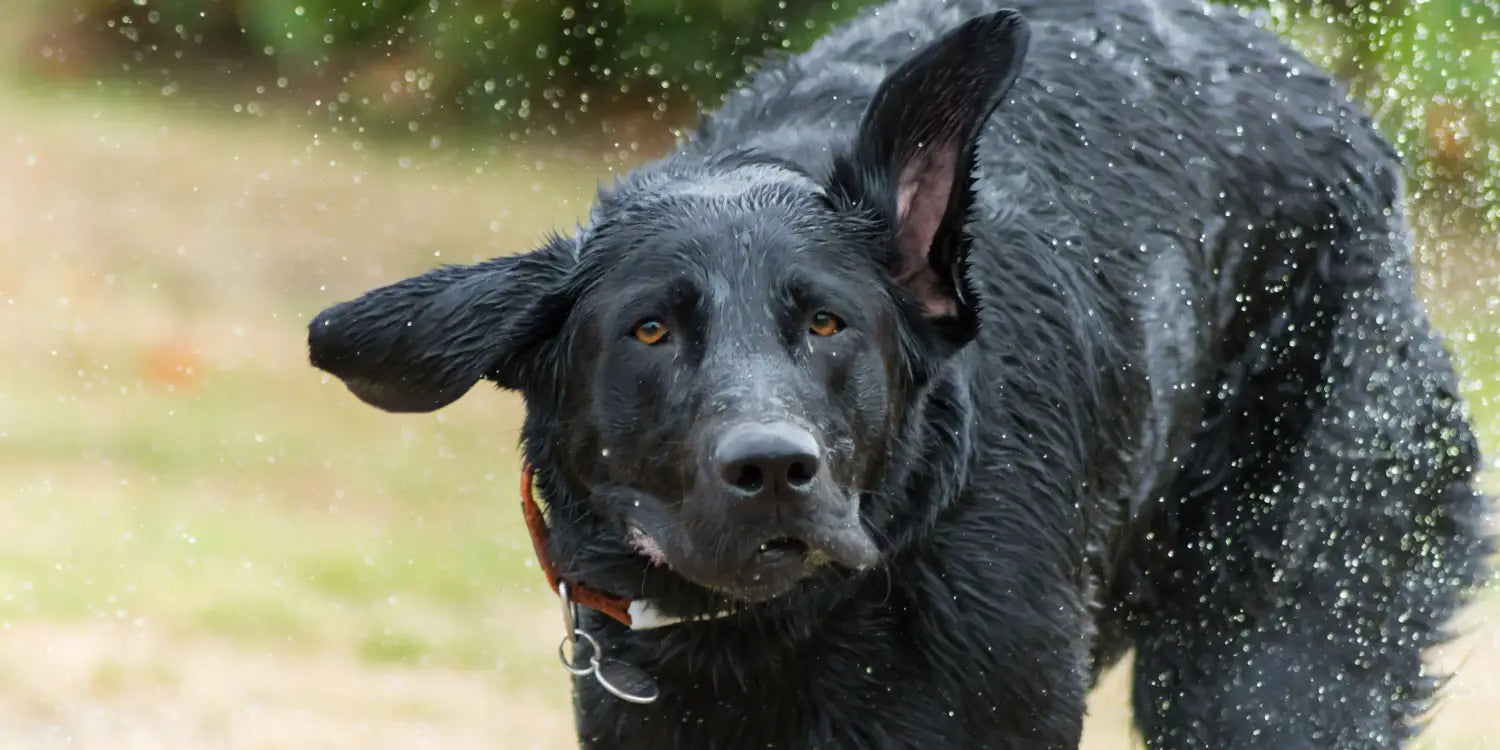
Floppy-eared breeds like Labradors, Golden Retrievers, Spaniels and Basset Hounds are more at risk. Their ear flaps hang down and block airflow. This makes it hard for the ear canal to dry on its own. Even a short play in a kiddie pool or a walk in the rain can leave moisture inside. This can cause irritation and infection.
This problem, often called “swimmer’s ear” in dogs, is one of the top ear issues vets see during summer.
Early Signs Your Dog’s Ears Need Attention
It is important to catch ear issues early. Look out for:
- Shaking the head or scratching the ears often
- Redness or swelling inside the ear
- Bad smell coming from the ear
- Dark discharge or wax
- Whining or pulling away when you touch the ears
- Tilting the head to one side
If you ignore these signs, the infection can get worse. It may even cause a painful swelling called an aural hematoma. This happens when a dog shakes or scratches so much that small blood vessels burst in the ear flap.
If you notice symptoms, call your vet. Treating the problem early is faster and less expensive than dealing with a serious infection.
Simple Summer Ear Care Routine
Preventing infections is easier than you think. Just follow a quick care routine after each swim or bath.
- Dry the ears gently. Use a soft towel to dry around the outside of the ear. Do not put anything deep inside the ear canal.
- Use a vet-approved ear cleanser. Products like Swimmer’s Ear Astringent for Dogs or Vedco OtoCetic Solution can help remove trapped water and debris.
-
Wipe the outer ear folds. Use dog-safe ear wipes from HardyPaw’s ear care collection to remove dirt and extra wax.
- Check for redness or odor. This makes it easier to catch problems early.
- Never use cotton swabs inside your pet’s ear canal; they can push dirt deeper and may cause injury.

Choosing the Right Ear Care Products
A good ear cleaner should be gentle but effective. It should remove moisture and debris without stinging.
Look for products with drying agents after swimming. Choose formulas with soothing ingredients like aloe or chamomile. Enzymatic cleaners can help control yeast and bacteria. Avoid harsh alcohol-based products that can dry or irritate the skin.
Some great options from HardyPaw’s Dog Ear Care Collection are:
- Swimmer’s Ear Astringent for Dogs: dries moisture quickly
- Vet’s Best Ear Relief Wash & Dry: cleans and dries in one step
- Zymox Otic Enzymatic Solutions: helps prevent yeast and bacterial infections
- Silver Honey Rapid Ear Care Vet Strength Ear Rinse: soothes while keeping ears clean
Having these on hand means you can act fast after every swim and prevent problems before they start.
Recommended Dog Ear Care
View Collection →


Keep the Fun, Skip the Infection
Summer adventures with your floppy-eared dog should be fun, not stressful. Knowing the risks of water play and taking a few minutes for ear care will keep your dog comfortable.
A quick post-swim routine prevents infections, reduces vet visits, and keeps ears fresh. HardyPaw offers vet-recommended ear care products that make the job simple.
Let your dog splash and play this summer. Just remember to give those floppy ears some extra love after the fun.
Frequently Asked Questions
Why are floppy-eared dogs more prone to ear infections in summer?
Their ear flaps trap moisture and block airflow, creating a warm environment for bacteria and yeast to grow.
How can I prevent my dog from getting swimmer’s ear?
Dry their ears after every swim and use a vet-approved ear cleaner to remove moisture and debris.
Can I use cotton swabs to clean my dog’s ears?
No, cotton swabs can push debris deeper and may injure the ear canal.
How often should I clean my dog’s ears in summer?
Clean and dry them after every swim or bath, and do a weekly check for signs of infection.
What signs show my dog may have an ear infection?
Head shaking, scratching, redness, odor, discharge, or sensitivity when the ears are touched.
Related Articles


Recent Articles