

Holiday Food Drive for Needy Animals Day: A Winter Promise to Empty Bowls
Atamjeet Kaur 8 min read 1 comment

For animals without loving homes, winter doesn’t feel festive. It feels long.
The holidays have a particular kind of magic. Streets glow, homes smell like something warm and familiar, and we find ourselves reaching for more love than usual, more giving, more gratitude, more togetherness.
But outside our lit windows, quiet lives are moving through the cold. A dog curled under a staircase, trying to sleep through hunger. A mother cat searching for scraps, her ribs sharper every week. An older shelter animal who has learned not to hope when footsteps pass by.
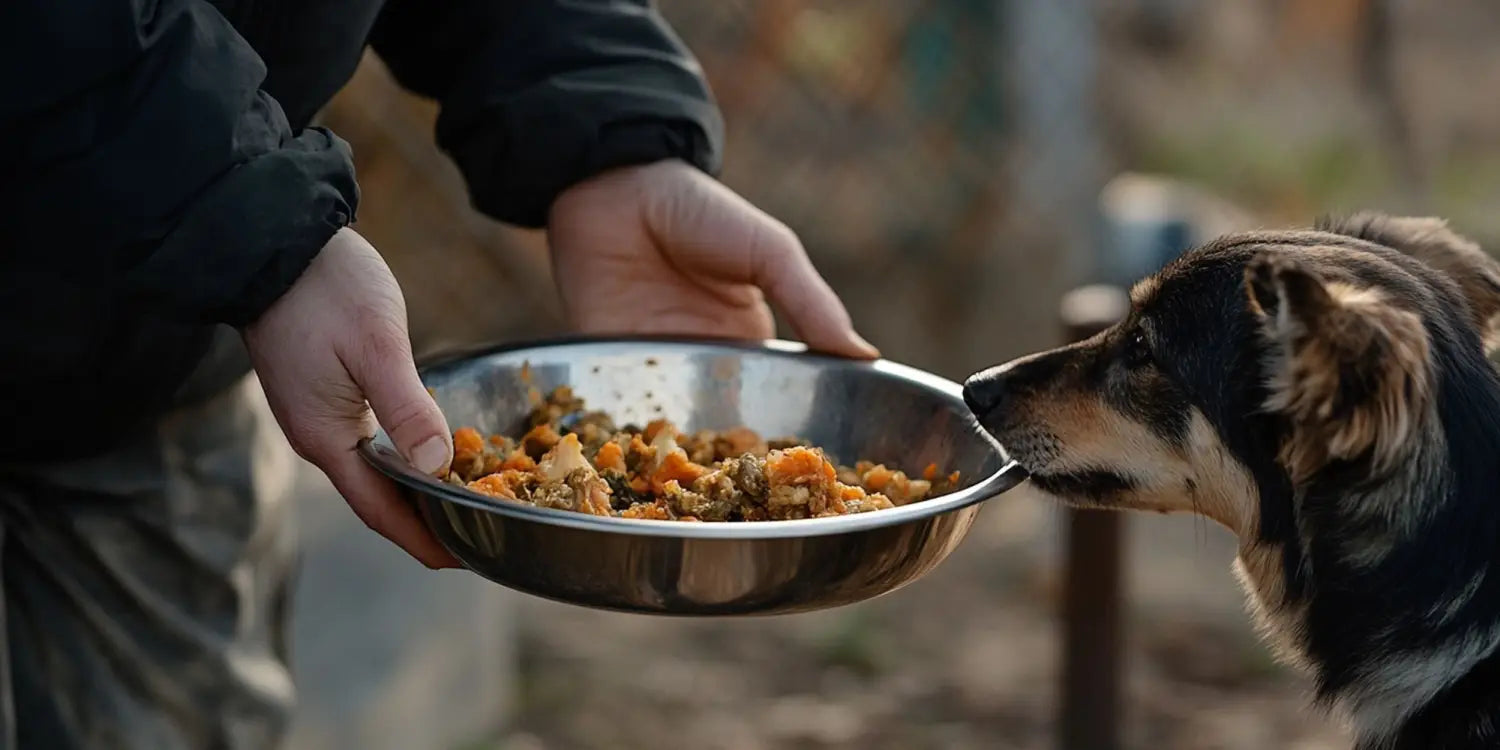
Holiday Food Drive for Needy Animals Day, every December 11th, invites us to change that. Not with something complicated or heroic, just with food. A simple act that says: you deserve to eat, too. You deserve to be cared for. You deserve to make it through this season.
Why a Holiday Food Drive for Needy Animals Matters?
Holiday Food Drive for Needy Animals Day is a dedicated animal food drive moment in the holiday season that spotlights a harsh winter reality, while people celebrate with abundance, many animals face empty bowls. Think of it as a food drive with a heart small, local, and powerful enough to carry hundreds of bowls through winter.
Hunger is not loud in animals. They don’t protest. They don’t explain what they’re feeling. They just… get smaller. Quieter. Slower.
During winter, shelters and rescues face the hardest days:
-
More animals are abandoned when families struggle financially or relocate.
-
Community dogs and cats burn more calories just staying warm.
-
Rescues stretch every bag of food farther than it was meant to go.
And the truth is: Food is the first line of survival.
Before a rescue can treat a wound, rehome a pet, or help an animal trust humans again, someone has to feed them.
Your donation becomes that first kindness.
That first “yes” in a life that’s heard “no” too often.
Organize a Pet Food Drive
If you’ve ever wanted to help but didn’t know how, this is one of the most direct ways to create impact. Here’s how to organize a drive that truly feeds needy animals, not just fills boxes. If you’re looking for pet food donation ideas for shelters, focus on sealed dry food, gentle wet food for sick cats, and calorie-dense options for winter recovery.
1. Choose a partner to support
Reach out to:
-
Local animal shelters
-
rescue groups and foster networks
-
community feeder teams
-
vet clinics with charity outreach
Ask what they need most. It usually includes:
-
Dry dog food
-
dry cat food
-
puppy/kitten food
-
milk replacer formula
-
exceptional diet food (only if requested)
If your partner allows specific picks, choosing from the best pet food brands to donate can really help recovering, senior, or picky animals get the nutrition they need.
You can also include high-nutrition, shelf-stable options that make meals go farther, such as freeze-dried foods for the recovery of animals or picky eaters. For example, you can donate nutrient-dense dog meals, such as Nutra Complete Freeze-Dried Dog Food.
Ultimate Pet Nutrition Nutra Complete Premium Beef Freeze-Dried Raw Dog Food

And for cats in shelters who need a gentle, balanced wet food option, especially for adult cats recovering from malnourishment.
Hill's Science Diet Indoor Adult Salmon & Vegetables Stew Wet Food For Cats (2.8 oz x 24 pouches)

Some rescues also request premium freeze-dried cat meals for weak and senior cats.

2. Decide where you’ll collect
Pick easy, visible drop-off spots:
-
apartment lobbies
-
offices
-
schools/colleges
-
pet stores
-
cafés or community centers
If you’re doing a neighborhood drive, add doorstep pickup for elderly or busy donors.
3. Set a clear, human goal
People respond to the impact they can imagine:
-
“Let’s donate 300 meals by December 11th.”
-
“One bag per family.”
-
“Help us feed 50 shelter dogs for a week.”
4. Invite people with warmth
You don’t need guilt to inspire giving. Try:
-
“If your home has plenty, this is a chance to share.”
-
“Let’s make sure no animal sleeps hungry this winter.”
-
“A small donation becomes a big meal for someone who has none.”
5. Sort, pack, and deliver
Before delivery, separate:
-
sealed, unexpired food
-
open but clean bags (ask your partner if they accept)
-
expired or damaged bags (often still usable for community feeders – confirm first)
Label by type to save shelter volunteers hours of work.
Where Can I Donate Pet Food?
Good news: there are more places than you think. Your local animal shelter is the most direct option for finding a pet. Winter often depletes their supplies quickly, and food is used up immediately. NGO rescues and foster groups are another great choice; they’re usually volunteer-run and feel shortages rapidly, so even one bag helps a lot.
Many cities also have pet food banks or community pantries that support struggling pet parents and street feeders. Some veterinary clinics also collect food for their rescue partners. And if your area has community feeders or feeding stations, donating directly to them supports animals right on the streets.
Quick tip: call or DM first to check what they need most, drop-off times, and whether open packs are accepted.
How Do I Get Funds to Help and Feed Animals?
Sometimes, feeding needs extend beyond food, including special diets, milk formula, and medical recovery meals. If you want to raise funds, here are grounded ways to do it:
1. Tiny fundraisers that add up
-
“$50 = 10 meals” drives
-
birthday donation requests
-
holiday potlucks with a donation jar
2. Sponsor-a-bowl
Invite friends to sponsor one animal’s meals for a week or a month. It builds long-term support.
3. Partner with local businesses
Pet stores, cafés, or apartment societies often help if you offer:
-
A donation box on their counter
-
a shoutout in your post
-
A “cause day” where part of the sales go to animals
4. Online fundraising with transparency
Share:
-
your goal
-
your partner shelter/rescue
-
updates, receipts, delivery photos
Trust turns into repeat giving.
Where Can I Find Free Pet Food to Donate?
Even if you can’t buy pet food right now, you can still be part of a drive. Free or surplus food is often closer than you think. Start with nearby pet stores or distributors – many have safe near-expiry stock, torn packaging they can’t sell, or leftover sample supplies. A polite ask can open surprising doors, especially during the holiday season.
You can also check local online community groups on WhatsApp, Telegram, or Facebook. Pet parents frequently give away unused food when their pet changes diet, they overbought in bulk, or they’re left with supplies after a loss. Taking these off someone’s hands prevents waste and feeds animals who need it most.
Another easy route is collecting from apartments or neighborhoods. If you offer to be the collector, people are more likely to donate because the process feels effortless. Finally, keep an eye out for pet events or show stalls that often have unused sample packs at the end, and those small packets add up quickly when collected together.
A Little More Than Food: Giving Dignity
A food drive isn’t just logistics. It’s a message.
It tells a scared stray: You don’t have to steal to survive.
It tells a shelter pup: Someone out there thought of you today.
It tells a rescuer on their tiredest night: You’re not doing this alone.
Food restores health, yes.
But it also restores trust.
And trust is the beginning of every rescue story.
This December 11th, Let’s Feed Hope.
The holidays are about warmth.
Not just the kind we feel in blankets and homes but the kind we create for others.
On Holiday Food Drive for Needy Animals Day, choose one small act of care that becomes someone else’s entire safety net.
Because somewhere tonight, there’s an animal who will fall asleep less hungry…
Simply because you showed up.
FAQs
Q1. What is Holiday Food Drive for Needy Animals Day?
Ans: It’s a day observed every December 11th to encourage communities to donate pet food and support shelters, rescues, and community animals during winter, when hunger risk is highest.
Q2. What kind of pet food should I donate?
Ans: Most organizations prefer sealed, unexpired dry food for dogs and cats. Puppy/kitten food and milk replacer are also high-need items. Always check with your partner rescue about specific brands or diets.
Q3. Can I donate open bags of pet food?
Ans: Some shelters accept clean, properly stored open bags, while others don’t due to safety regulations. Please call or message first to avoid waste.
Q4. I don’t have money. How else can I help?
Ans: You can help by:
-
Collecting surplus/free food from community sources
-
Volunteering at a drive
-
Promoting donation posts
-
Helping with sorting and delivery
-
Your time and coordination are just as valuable.
Q5. Where can I donate if I don’t have a shelter nearby?
Ans: Look for:
-
Rescue NGOs in your city
-
Community feeder groups
-
Vet clinics with outreach
-
Pet food banks
-
Even a small local network can guide you.
Q6. How do I know that my donations are truly making a difference?
Ans: Donate through trusted shelters/rescues. Ask for a receipt or delivery confirmation. Most groups are happy to share updates and photos with others.
Q7. Can I organize a drive alone?
Ans: Absolutely. Even one person can start with a small box in their building or office. People often join once they see someone take the first step.
Q8. Are treats or toppers okay to donate during a holiday food drive?
Ans: Yes, as long as your partner shelter or feeder group accepts them. Treats and meal toppers can be especially valuable in winter because they help shy, stressed, or recovering animals who eat more consistently. Shelters often use treats to build trust, for basic training, or to administer medicines without fear. If you'd like to include a comforting “bonus” item with your donation, consider something sealed, unexpired, and easy to portion as Pill Hider treats for dogs and cats.
Related Articles


Recent Articles
Comments (1)
So wonderfully detailed, innovative and inspiring that I used and link it in my “Quote of the Week About Animals” panel at peteuthanasia.info.