

6 Foolproof Ways to Give Your Dog Pills Without the Stress
Edward Simmons (Updated: Mar 11, 2026)

"Has anyone mastered the skill of getting your dog to swallow a pill without a full-blown drama?"
A familiar struggle for dog owners, as shared in this Reddit thread. Whether you're managing chronic conditions like arthritis or administering antibiotics for a sudden illness, ensuring your dog swallows their medication is critical for treating illness, managing conditions, and supporting recovery. Yet, from clever pooches who spit out hidden pills to anxious pets who resist being handled, the struggle is real.
- Dogs often resist pills because of unfamiliar smells, textures, or past negative experiences.
- The easiest way to give medication is to hide the pill in a soft treat like a pill pocket or cream cheese, use a treat-switch trick, or turn pill time into a game.
- Preparation matters, read medication instructions, stay calm, and have treats ready before you start.
- Use low-stress methods like pill pockets, cream cheese, and treat-switch tricks to help your dog swallow medication more easily.
- If your dog repeatedly refuses pills, consult your veterinarian about alternatives such as compounded medications or different administration methods.
In most cases, the easiest way to give a dog a pill is to first confirm the medication can be given with food, then hide it in a soft treat or pill pocket, hand-feed it, and watch to make sure your dog actually swallows it. If that fails, ask your vet about direct pilling, a pet piller, compounded liquids, or other alternatives
Giving a dog a pill usually comes down to three things: whether the medication can be given with food, whether your dog notices the smell or taste, and how comfortable your dog is with being handled.
Factors like taste aversion, negative association with force-feeding, and even the smell of certain pharmaceuticals contribute to poor canine medication adherence.
But don’t worry, this guide unpacks vet-approved, low-stress solutions, including smart delivery aids like pill pockets, creative food disguises like xylitol-free peanut butter, and tools such as pet pillers.
We’ll also touch on when it’s time to consider compounded medications or speak with your vet.
With real-life insights from experienced pet parents and expert-backed techniques, this blog will help you transform medicine time into a manageable routine.
Why Giving Dogs Pills Can Be Difficult? (But Crucial)
Many pet parents find themselves outwitted by their dogs when it’s time for medication, not because their pets are being disobedient, but because many dogs notice the unfamiliar smell, taste, or texture of medication, and some resist because past dosing felt stressful.
As one pet owner on Reddit shared, “My dog is way too smart about pills... I tried everything from lunch meat to hiding it in peanut butter. He still spit it out, every single time.” (source)
Dogs’ acute sense of smell and texture, combined with past negative experiences, can make pill time a real hurdle. But the consequences of failed pill administration go far beyond frustration:
- Missed doses can reduce the effectiveness of medications like antibiotics or heartworm preventatives.
- Inconsistent treatment can worsen a dog’s condition or delay recovery.
- For antibiotics, inappropriate or incomplete use can contribute to drug resistance, so pet owners should follow their veterinarian’s instructions closely.
That’s why success isn’t just about finding the right trick, it’s about setting the stage properly before the pill even comes out. With the right prep, many of these battles can be avoided entirely.
When Not to Hide a Pill in Food
Hiding medication in food works well for many dogs, but it isn’t always the safest or most effective option. In some cases, mixing pills with treats or meals can reduce the medication’s effectiveness or prevent your dog from receiving the full dose. If any of the situations below apply, avoid hiding pills in food unless your veterinarian specifically approves it.
The Medication Must Be Given on an Empty Stomach
Some medications are designed to work best when the stomach is empty. Food can interfere with how the drug is absorbed into your dog’s body, which may reduce its effectiveness. Always read the prescription label and follow your veterinarian’s instructions carefully before giving the medication with treats or meals.
Your Veterinarian Has Not Approved Mixing the Medication with Food
Certain drugs should not be mixed with food because their coating or formulation controls how they dissolve in the body. Breaking that coating by crushing or hiding the pill in food can change how the medication works or cause stomach irritation. If the label doesn’t clearly say it can be given with food, check with your vet or pharmacist first.
The Pill Should Not Be Crushed or Split
Some medications are designed as extended-release or enteric-coated tablets. Crushing or splitting them can release the drug too quickly or damage the protective coating that prevents stomach irritation. If you are unsure whether a pill can be altered, ask your veterinarian before attempting to hide it in food.
Your Dog Is on a Restricted or Prescription Diet
Dogs with certain health conditions, such as kidney disease, pancreatitis, or food allergies, may need strict dietary control. Adding cheese, peanut butter, or other human foods to hide medication could disrupt that diet or trigger digestive issues. In these cases, your veterinarian may recommend pill pockets designed for sensitive diets or alternative medication forms.
Your Dog Eats Around the Medication
Some dogs quickly learn to eat the treat while leaving the pill behind. If your dog consistently spits out or separates the medication from the food, hiding pills may lead to missed or incomplete doses. In these cases, it may be more reliable to use a pill gun, direct pilling technique, or veterinarian-approved alternative formulations.
How to Prepare Your Dog Before Giving a Pill?
- Do not crush, split, or hide a pill in food unless your veterinarian or pharmacist says it is safe for that specific medication.
- Use only a small amount of food or treat, so you can confirm your dog gets the full dose.
- Keep human and pet medications stored separately.
- Wash your hands before and after handling medication, especially if the label includes special handling instructions.
Before reaching for the cheese or pill gun, a few small steps can significantly increase your chances of success.
Proper preparation not only reduces your dog’s anxiety; it also helps ensure the medication works as intended.
Step 1: Read the Medication Instructions Carefully
Not all dog pills are created equal. Some need to be given with food, while others require an empty stomach. Crushing certain pills can reduce their effectiveness or cause harm.
Tip: Always confirm with your veterinarian whether the pill can be split, crushed, or hidden in food.
Step 2: Stay Calm and Confident
Dogs are intuitive, they sense when you're anxious or tense. Speak in a relaxed tone, avoid sudden movements, and don't turn pill time into a ritual of dread.
Step 3: Gather Everything You Need in Advance
Set yourself up for success by organizing:
- The pill
- Treats or a hiding agent (e.g., peanut butter, cheese)
- A chaser treat or water
- A towel (optional, if your dog is squirmy)
- A second person (if needed for support or distraction)
Having all items ready minimizes hesitation, which is often when dogs become suspicious.
Step 4: Wash Your Hands
Medication residue can linger on your fingers and transfer to treats or food. A clean hand ensures your dog doesn’t detect the pill prematurely.
This prep process builds a foundation for smoother, less stressful administration. Next, we’ll explore the best methods for giving your dog a pill, from clever hiding tricks to hands-on tools.
6 Methods to Give Pills to Dogs (Straight From Dog Owners)
Different dogs respond to different strategies, and finding the one that works may take a bit of trial and error.
Here are tried-and-true techniques that real pet owners swear by, along with our trusted pill pockets and wraps for dogs to help you pull them off.
1. The Cream Cheese Trick
- How it works: Hide the pill in a ball of cream cheese.
- Why it works: Many owners find that this works because soft foods are swallowed quickly. Soft, rich, and irresistible. Many dogs swallow it without chewing.
- Common tip among dog owners: Many Reddit users mention cream cheese as a go-to option because dogs often swallow it without chewing. (You can explore related experiences in this thread).
2. The Two-Treat Switcheroo (Pill Sandwich)
- How it works: Give a regular treat, then one with the pill, followed by another high-value treat.
- Why it works: Builds excitement and distracts the dog from noticing the pill.
-
Reddit tip:“We call it the pill sandwich. The last treat is so exciting, they forget about the pill in the middle."
🔗Read more
- Try with:
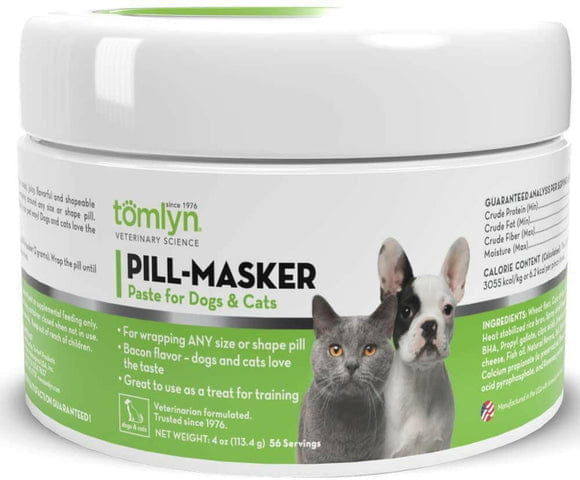
Tomlyn Pill Wrap for Dogs & Cats
A soft, moldable wrap designed to help hide tablets or capsules for dogs and cats. Its treat-like texture makes daily pill time easier for picky pets.
Buy Now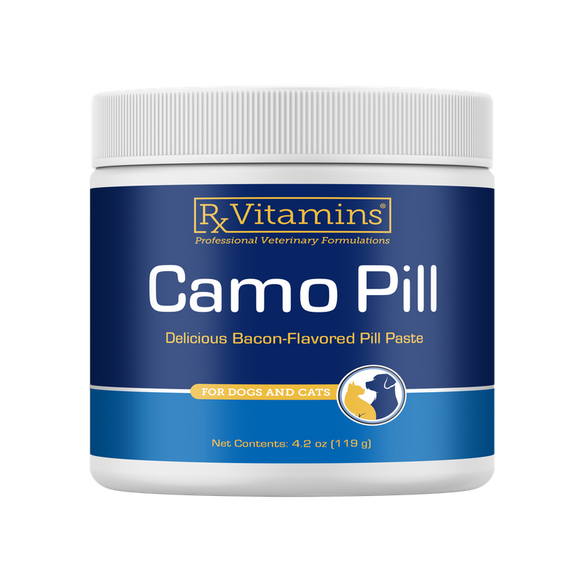
Rx Vitamins Camo Pill Bacon-Flavored Pill Paste
A bacon-flavored paste made to conceal pills, capsules, or tablets for dogs and cats. The flexible texture helps coat medication for easier administration.
Buy Now3. Direct Pilling or a Pet Piller
- Have the pill ready.
- Hold the head gently from above.
- Place the pill as far back on the tongue as safely possible.
- Close the mouth, encourage swallowing.
- Follow with praise, a treat, or a drink if appropriate.
If you keep missing the back of the tongue, a pet piller can help deliver the pill more accurately.
4. Make It a Game
- How it works: Toss a few treats rapidly to your dog, and sneak the pill-filled one in the middle.
- Why it works: Dogs get caught up in the fun and swallow quickly.
- Recommended treats:
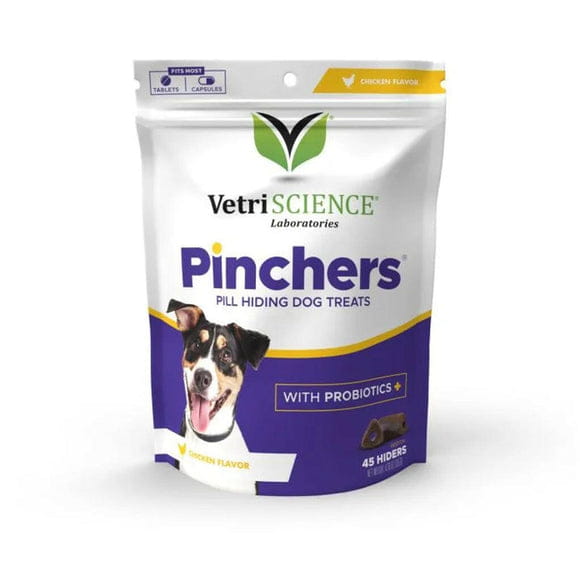
VetriScience Pinchers Pill Hiding Treats
Soft pill-hiding treats designed to help cover tablets or capsules for dogs. The pinchable texture makes it easier to wrap medication inside a treat-style bite.
Buy Now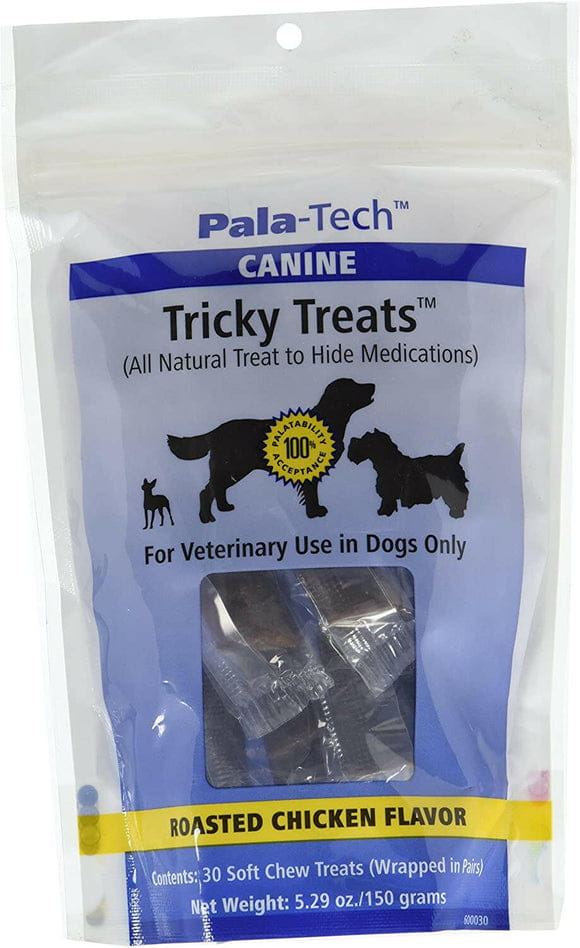
Tricky Treats with Mos Max, Roasted Chicken Flavor
Roasted chicken flavored treats made to help disguise pills during daily routines. The soft texture supports simple wrapping and easier medication time.
Buy Now5. Crushing Pills into Food (Vet-Approved Only)
- How it works: Crush the pill and mix it into wet food or broth.
- Why it works: Disguises taste if allowed, but not all pills are crush-safe.
- Reminder: Always ask your vet first!
6. Pill Pockets and Treats Designed for the Job
Skip the DIY and go with tasty treats made for hiding pills.
1. Vetoquinol Pill Wrap for Dogs & Cats
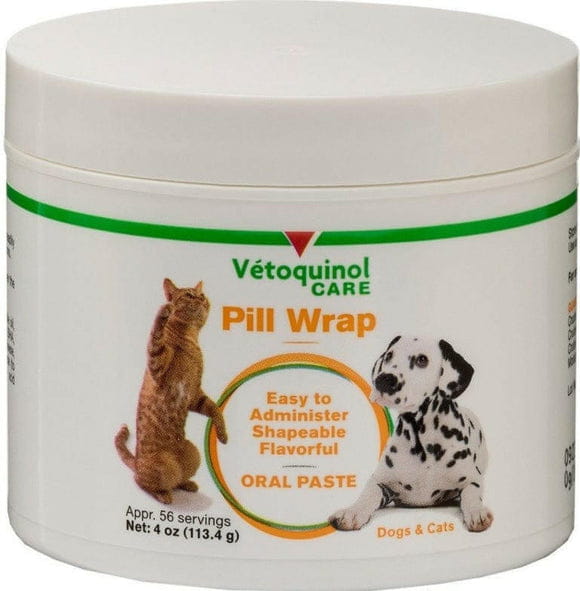
Vetoquinol Pill Wrap for Dogs & Cats
A soft, moldable pill wrap designed to help hide tablets or capsules for dogs and cats. The flexible texture makes it easy to shape around medication.
Buy Now2. VetIQ Pill Treats Chicken Flavored Soft Chews for Dogs
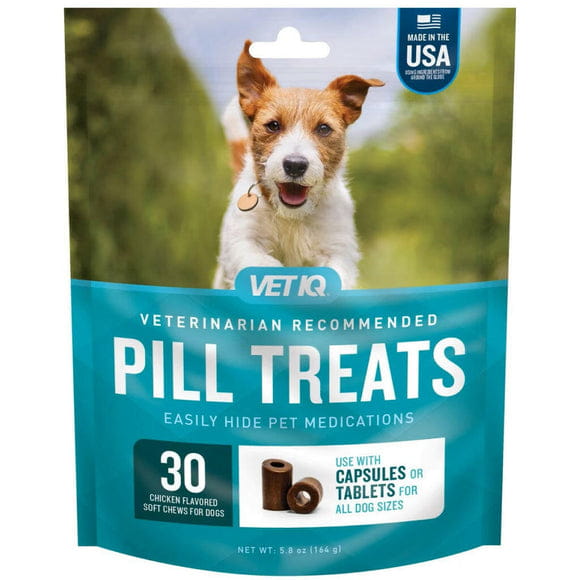
VetIQ Pill Treats Chicken Soft Chews
Chicken flavored soft chews made to help conceal pills for dogs. Each chew has a soft texture that can make medication time easier.
Buy Now3. Lord Jameson Apple Pie Pill Hider Treats for Dogs

Lord Jameson Apple Pie Pill Hiders
Apple pie flavored pill hider treats made for dogs. The soft treat format helps cover pills while offering a familiar treat-style experience.
Buy NowBonus: These are often more appealing than regular treats and easier to mold around pills of different sizes.
Choose the Pill Method That Works for Your Dog
Giving your dog a pill doesn’t have to be a stressful, daily standoff. Whether your pup prefers pill pockets, falls for the three-treat trick, or needs a bit of creative food disguising, the key is to find what works for your dog and stick with it.
With a little patience, preparation, and the right tools, including proven products from HardyPaw, you can turn medication time into a simple, stress-free routine.
And remember, if nothing seems to work, your veterinarian is your best resource. There’s no shame in asking for compounded alternatives or adjusted formats that suit your dog’s behavior and preferences.
Turn Pill Time into a Routine, Not a Battle
Whichever method works best for your dog, consistency is key. Give pills at the same time each day when possible, and pair the experience with something positive, like a walk, a favorite chew, or a quick play session.
Dogs thrive on routine, and when they begin to associate medication with something enjoyable, resistance often fades.
Also, don’t forget to celebrate small wins. Even if it takes a few tries, reward your dog for cooperating; a little praise or a tasty treat goes a long way in building trust for next time.
What to Do if Your Dog Still Refuses Pills?
If you've tried multiple methods and your dog still outsmarts you every time, you're not alone. Some dogs are especially sensitive or anxious, and pill time becomes a recurring battle.
In these cases, ask your veterinarian whether the medication can be compounded into a flavored liquid, chew, or, for some drugs, a transdermal option
What matters most is that your dog gets their full dose, safely and with minimal stress. Don’t hesitate to ask your vet about alternatives; they’ve seen it all before and often have simple solutions that can make all the difference.
Have your own method? Share your proven tip in the comments section to help other dog owners succeed with pill time.
FAQs - Giving Dogs Pills Safely
Can I give my dog human food to hide pills?
Sometimes, yes, but only if the medication can be given with food and the food is safe for your dog. Check the drug instructions first, and avoid sugar-free products containing xylitol.
Are pill guns safe for small dog breeds?
Yes, they can be helpful when used gently and ideally after your veterinary team shows you how.
What’s the best way to pill a dog that bites or growls?
Use pill pockets, flavored wraps, or a pill gun with assistance. Do not force it and do not risk a bite. Ask your veterinarian about alternative formulations, a hands-on demo, or a lower-stress plan.
How can I prevent my dog from developing pill aversion over time?
Prevent pill aversion by rotating hiding methods, keeping a neutral tone during pill time, and rewarding afterward. Dogs associate negative events with patterns, so vary your approach to reduce learned resistance.
What are the best training techniques to teach dogs to take pills?
Use positive reinforcement to teach pill-taking. Train by giving treats shaped like pills, then alternate with real ones. Reward each success to build a neutral-to-positive pill association.
How often can I safely give pill treats without affecting my dog’s diet?
Pill treats are safe when used in moderation. Use the smallest amount needed and ask your vet if your dog is on a weight-controlled, fat-restricted, or allergy-restricted diet.
Why do dogs spit out pills even after swallowing?
Some dogs appear to swallow the pill, then spit it out later, so watch them briefly after dosing to confirm it is really gone.
What should I do if my dog refuses a critical pill during an emergency?
If the medication is time-sensitive and your dog will not take it, call your veterinarian or an emergency clinic right away instead of repeatedly forcing it.
Topics Covered:
- How to give a dog a pill,
- How to make a dog swallow a pill,
- Easiest way to give dog medication,
- Dog pill pockets,
- How to hide pills for dogs,
- Dog refuses medication,
- Dog pill gun,
- Giving dogs oral medication,
- Tricks for giving dogs pills,
- Vet tips dog medication
Subscribe to Media Posts
Recent Articles


