

How to Keep Fleas Off Outdoor Cats: 3 Simple Tips That Work
Palvi Palvi 6 min read

If your cat spends time outdoors, fleas and ticks are almost unavoidable visitors. Dirt, grass, shaded yards, and wildlife all create the perfect environment for parasites to survive and spread.
Research from veterinary parasitology studies shows that Ctenocephalides felis (the common cat flea) is the dominant species found on cats, affecting more than half of free-roaming felines. Put simply, it means that flea control must be planned, consistent, and realistic.
This guide provides detailed strategies to prevent flea infestations in outdoor cats, explains why they are particularly susceptible, identifies early warning signs, and outlines a comprehensive prevention routine with measurable results over time.
Why Outdoor Cats Are More Prone to Fleas
Outdoor cats move freely through spaces where fleas naturally live. These parasites don’t need another pet to spread; they survive in the environment and wait for a warm host to pass by. Here’s why outdoor cats face higher exposure:
- Fleas drop eggs in soil, grass, patios, bedding, and shady spots.
- Ticks wait in bushes and tall grass, ready to latch onto cats as they explore.
- Wildlife and stray animals carry fleas and ticks into areas your cat visits.
- Fleas can survive for weeks before finding a host.
Because outdoor cats revisit these areas daily, reinfestation is common without ongoing prevention.
Do All Outdoor Cats Have Fleas
Many cats are exposed at some point, but that doesn’t mean all carry fleas. Even if your cat looks healthy, fleas can hide in their fur or bite without you noticing right away. Some outdoor cats appear flea‑free because:
- Regular grooming removes some fleas before they become noticeable.
- Only a small number of adult fleas may be present on the cat at any given time.
- Most flea eggs and larvae remain in the environment rather than on the host.
Fleas can cause problems even if you don't see them. A single flea bite can trigger itching, skin irritation, or allergic reactions, so exposure alone is worth taking seriously.
What most pet owners think vs. what’s true:
|
What Many Pet Owners Think |
What's Actually True |
|
All outdoor cats have fleas |
Not always, but exposure risk is high |
|
No scratching means no fleas |
Cats groom constantly and can hide symptoms |
|
Fleas stay on the cat |
Most life stages live in the environment |
|
Winter kills fleas |
They can survive in warm or sheltered areas |
|
One treatment is enough |
Consistent, repeated care is needed |
How to Read Your Cat’s Body Language for Early Warning Signs
Because fleas are small, fast, and often difficult to observe, pet owners should monitor behavioral and skin changes rather than relying solely on visible parasites.
|
What You Notice |
What It Could Mean |
|
Frequent scratching |
Flea bites or general skin irritation causing discomfort |
|
Hair loss near tail |
Common area affected by flea allergies in cats |
|
Small black specks |
Flea dirt, which is digested blood |
|
Scabs or red skin |
Skin reaction due to repeated flea bites |
|
Restlessness |
Discomfort or irritation caused by parasites |
In kittens or frail cats, severe infestations may even cause weakness due to blood loss. Early detection facilitates timely intervention, making treatment simpler and more effective.
Keep Your Cat Flea-Free: A Simple 3‑Step Plan
Fleas can turn your cat’s life, and yours, into a constant itch-fest, but keeping them away doesn’t have to be complicated. With a few smart habits and the right approach, you can keep your furry friend safe and their adventures fun and itch-free. Here’s a simple 3-step plan to keep your cat flea-free, without stress.
Step 1: Use Consistent Flea and Tick Prevention
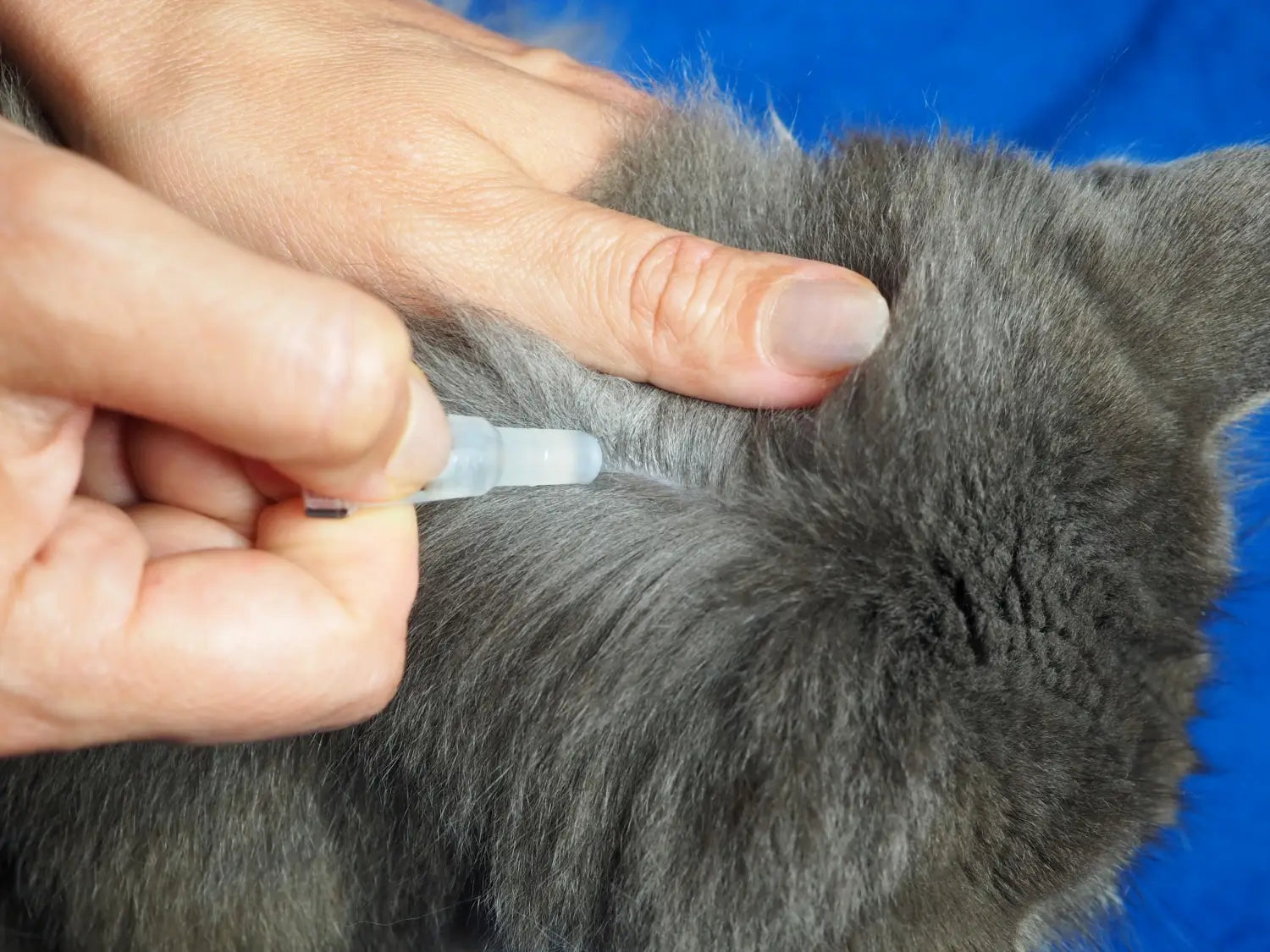
The foundation of flea control is sticking to a regular treatment schedule using products formulated specifically for cats. Products intended for dogs can be harmful and must be avoided.
Ongoing protection is essential because:
- Fleas reproduce rapidly.
- Skipping doses allows eggs to hatch and the cycle to restart.
- The flea life cycle continues in the environment even after adult fleas on your cat have died.
Step 2: Check Your Cat Weekly (It Only Takes Minutes)
You don’t need daily inspections, but a quick weekly check helps catch issues before they escalate. Here’s what to do:
- Use a fine-toothed flea comb through areas such as the neck, behind the ears, and base of the tail.
- Feel for small bumps or scabs while petting your cat normally.
- Check the head, neck, and other exposed areas for ticks after outdoor excursions.
- Make sure flea collars fit properly and remain comfortable.
Step 3: Control Fleas in the Environment
Environmental management is often more important than treating your cat directly, since most flea problems originate in spaces where cats rest or sleep. Effective strategies include:
- Washing cat bedding regularly on a hot cycle.
- Vacuuming carpets, rugs, and cushions frequently.
- Paying extra attention to areas where your cat likes to nap.
- Keeping shaded yard areas trimmed and dry to reduce flea-friendly habitats.
How to Match the Right Protection to Your Cat’s Wild Lifestyle
Every cat has their own sense of adventure, and their protection should match it. Finding the right flea and tick solution means looking at how your cat explores, plays, and roams outdoors.
1. The Patio Lounger (Low Risk)
- Lifestyle: Primarily stays on decks, porches, or well-kept lawns.
- Best Match: Monthly topical drops that are simple, effective, and suitable for cats with minimal exposure to brush or rainfall.
2. The Garden Wanderer (Moderate Risk)
- Lifestyle: Explores neighboring yards, hides under porches, and lounges in leaf piles.
- Best Match: Long-acting collars that provide 7-8 months of continuous protection.
3. The Wilderness Warrior (High Risk)
- Lifestyle: Hunts in tall grass, wooded areas, or heavy underbrush.
- Best Match: Oral tablets or fast-absorbing topicals. These work from the inside out and can’t be rubbed off by branches or washed away by rain.
Small Habits, Big Relief: Master the Art of Year-Round Prevention
Fleas are a part of outdoor life, but your cat doesn’t have to suffer through them. Picking the right treatment for your cat’s lifestyle creates a strong, invisible shield against pests. Stick to a simple routine, and you can stop fleas before they ever become a problem.
Frequently Asked Questions
Q1: How to keep fleas off outdoor cats naturally?
Ans: Regular grooming and flea combing can help remove adult fleas before they multiply, and keeping your cat's outdoor resting spots clean reduces egg buildup. That said, natural methods alone are rarely enough. They work best alongside a safe, vet-recommended flea prevention product used consistently.
Q2: Do all outdoor cats have fleas?
Ans: No, not every outdoor cat will have an active flea infestation. However, most will encounter fleas at some point in their lives simply by exploring grass, soil, or shaded spots. Even brief exposure can cause itching or allergic reactions, so regular prevention is still strongly recommended regardless of visible symptoms.
Q3: Why are outdoor cats more prone to fleas and ticks?
Ans: Fleas and ticks naturally thrive in grass, soil, leaf piles, and shaded areas — all places outdoor cats love to explore. Since cats revisit these spots daily, they face repeated exposure. Wildlife and stray animals can also carry parasites into your yard, adding another source of risk for roaming cats.
Q4: What is the best flea and tick option for outdoor cats?
Ans: The best option depends on your cat's lifestyle, age, and health. A low-roaming cat may do well with a monthly topical treatment, while a cat that ventures into wooded or grassy areas may need the stronger, longer-lasting protection of an oral tablet or an 8-month flea collar.
Q5: How do I control fleas if my outdoor cat keeps getting reinfested?
Ans: Repeated reinfestation usually means the environment, not just your cat, needs treatment. Flea eggs and larvae live in bedding, carpets, and yard areas for weeks. Wash your cat's bedding regularly, vacuum frequently, and treat shaded outdoor spaces. Treating your cat alone without addressing the environment will not break the flea cycle.
Related Articles


Recent Articles

