Reptile Health Care & Wellness

Sort + Filter
Show

Oxbow Animal Health

(6)
From
$14.99
$12.00 Save 20% on 1st Autoship, 10% off future orders

Oxbow Animal Health

(4)
From
$14.99
$12.00 Save 20% on 1st Autoship, 10% off future orders

Oxbow Animal Health

(7)
From
$14.99
$12.00 Save 20% on 1st Autoship, 10% off future orders

Oxbow Animal Health

(1)
$15.99

Oxbow Animal Health

(4)
From
$4.99
$4.00 Save 20% on 1st Autoship, 10% off future orders

Nature Zone

(1)
$10.99
$8.80 Save 20% on 1st Autoship, 10% off future orders

Nature Zone

$9.99
$8.00 Save 20% on 1st Autoship, 10% off future orders

TetraFauna

$8.99
$7.20 Save 20% on 1st Autoship, 10% off future orders

Nature Zone

(1)
$8.99

Zoo Med

From
$7.36
$5.89 Save 20% on 1st Autoship, 10% off future orders

Zilla

$8.56
$6.85 Save 20% on 1st Autoship, 10% off future orders

Zoo Med

$5.09
$4.08 Save 20% on 1st Autoship, 10% off future orders

Zoo Med

$3.98
$3.19 Save 20% on 1st Autoship, 10% off future orders

Nature Zone

$8.99
$7.20 Save 20% on 1st Autoship, 10% off future orders

Zoo Med

$6.14
$4.92 Save 20% on 1st Autoship, 10% off future orders

Nature Zone

$13.99
$11.20 Save 20% on 1st Autoship, 10% off future orders

Fluker's

$9.99
$8.00 Save 20% on 1st Autoship, 10% off future orders

Fluker's

$4.99
$4.00 Save 20% on 1st Autoship, 10% off future orders

Zoo Med

$6.14
$4.92 Save 20% on 1st Autoship, 10% off future orders

Nature Zone

$8.50
$6.80 Save 20% on 1st Autoship, 10% off future orders

Zoo Med

From
$5.98
$4.79 Save 20% on 1st Autoship, 10% off future orders

Vetericyn

$15.99
$12.80 Save 20% on 1st Autoship, 10% off future orders

Reptile Calcium, Bearded Dragon Vitamins & Everyday Wellness Support

Good reptile care goes beyond food and habitat setup, nutritional gaps and minor health issues can creep in even with a solid feeding routine. HardyPaw carries a bearded dragon calcium supplement lineup alongside shedding aids, wound care, probiotics, and parasite preventatives built to support lizards, snakes, turtles, and tortoises day to day.

Types of Reptile Health & Wellness Products

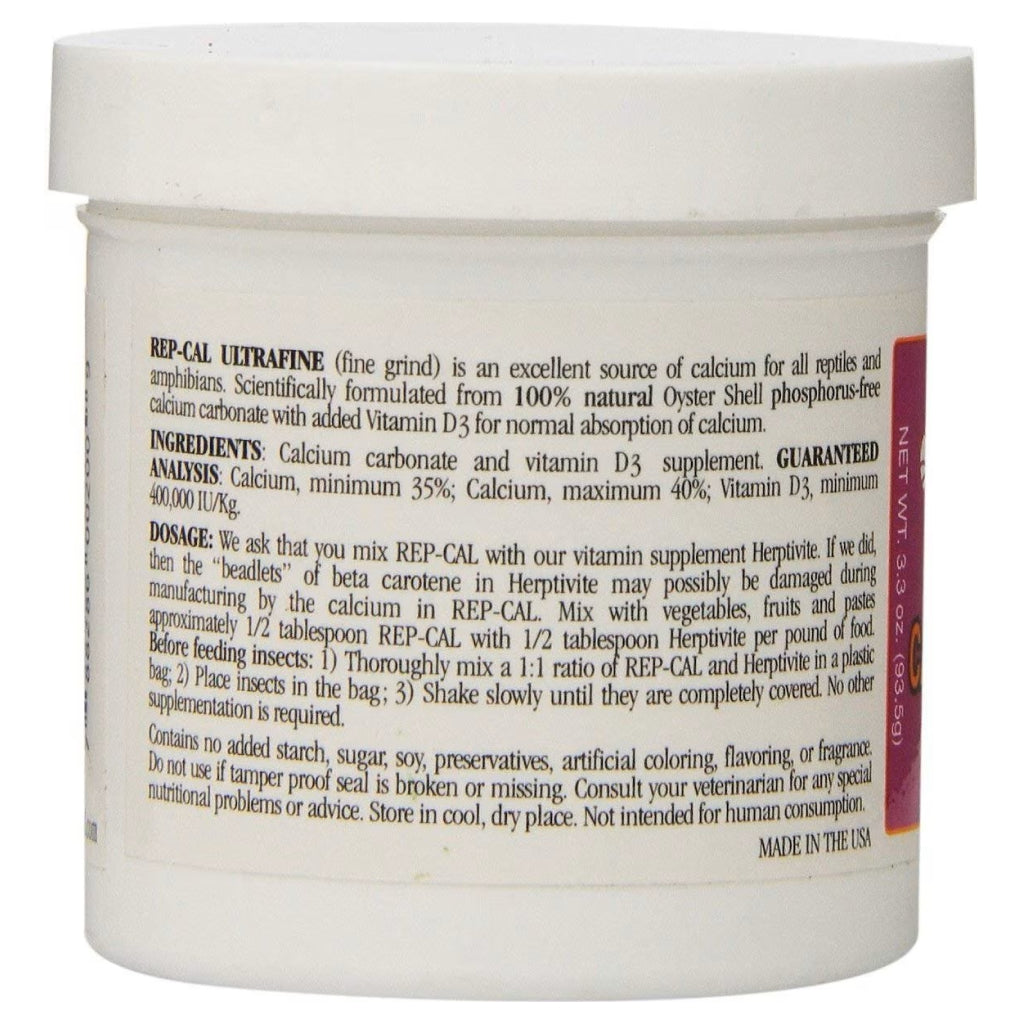
  • Calcium & Vitamin D3 Supplements: Powdered and block-style calcium formulas, including phosphorus-free and D3-enhanced options, built to support bone health across species like bearded dragons, tortoises, and turtles.
  • Multivitamin & Appetite Support: Carotene-boosting food sprays, vitamin solutions, and appetite stimulants that round out nutrition and help encourage eating during stress or recovery.
  • Probiotic & Digestive Combos: Calcium formulas paired with probiotics, supporting both bone health and gut balance in one product.
  • Shedding Aids: Sprays formulated to loosen stuck shed and support skin health during the shedding process.
  • Wound & Skin Care: Antimicrobial sprays, shell conditioners, immune-supportive skin treatments, and eye drops for irritated or inflamed eyes.
  • Parasite Preventatives: Mite guard and coccidia guard treatments built to help manage external and internal parasites.
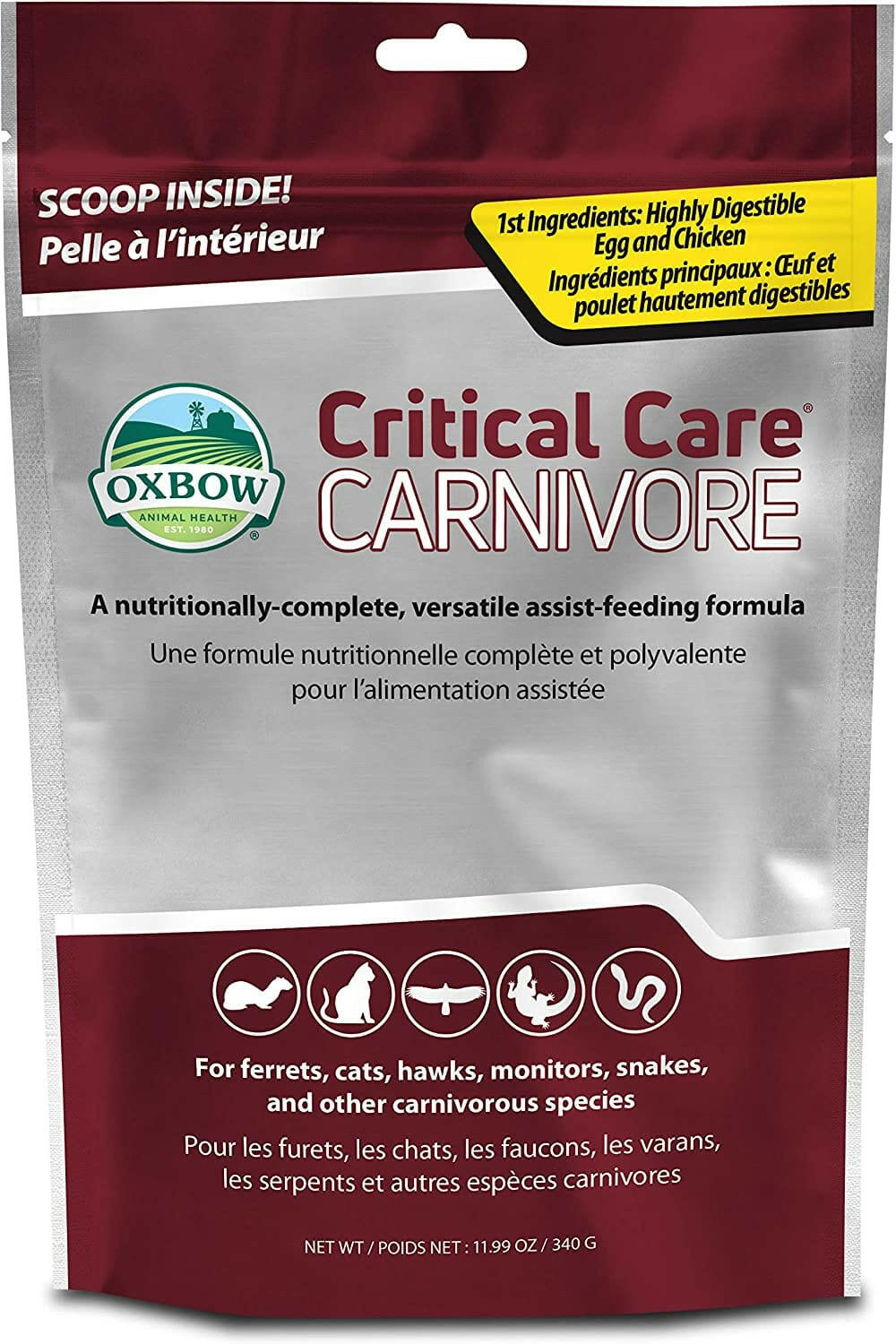
  • Recovery & Critical Care Powders: Carnivore, omnivore, and herbivore hand-feeding formulas designed to support reptiles that are recovering, underweight, or not eating normally on their own.

Why Reptile Health Support Matters

A calcium and D3 deficiency is one of the more common, and preventable, health problems in pet reptiles, since it can lead to metabolic bone disease if left unaddressed. Beyond bone health, proper shedding depends on adequate humidity and skin condition, minor wounds and shell issues need dedicated care, and a stressed or recovering reptile often needs extra support getting its appetite and digestion back on track.

Disclaimer: These products are intended for minor or preventative support only. Always consult a reptile veterinarian for diagnosis or treatment of serious health concerns.

Choosing the Right Supplement or Treatment

  • Match Calcium to Species: Bearded dragons, tortoises, and turtles all benefit from regular calcium, but dosing frequency and D3 needs vary, so check guidance specific to your species.
  • Watch for Shedding Trouble: Stuck shed around toes, tails, or eye caps is a sign a shedding aid or improved humidity is worth adding to your routine.
  • Treat Minor Wounds Promptly: Small scrapes or shell issues tend to resolve faster with early care.
  • Use Parasite Products with Caution: Mite and coccidia treatments should generally be used alongside, not instead of, a vet's guidance, especially for a new or newly quarantined reptile.

Everyday Wellness Habits

  • Keep Lighting and Humidity Consistent: UVB exposure and proper humidity levels affect nearly every aspect of reptile health, from bone density to shedding success.
  • Feed a Balanced, Species-Appropriate Diet: Supplements work best as an addition to good nutrition, not a substitute for it.
  • Watch for Behavior Changes: Reduced appetite, unusual lethargy, or irregular shedding are often the first signs something needs attention.
  • Schedule Routine Vet Visits: Annual checkups catch problems early, well before they show up as visible symptoms.

Why Buy Reptile Health & Wellness Products from HardyPaw?

  • Wide Selection: Calcium and D3 supplements, multivitamins, probiotics, shedding aids, wound care, and parasite preventatives, all in one place.
  • Trusted Quality: Every product is chosen for genuine effectiveness, which is how we've earned customer trust order after order.
  • Species-Specific Options: Formulas built around bearded dragons, tortoises, turtles, and other reptiles, rather than one generic solution for every species.
  • Fast Delivery: Order online and get your health and wellness products shipped quickly, with tracking updates along the way.
  • Fair, Straightforward Pricing: Competitive pricing on the supplements and care products you'll be restocking regularly.

Frequently Asked Questions

Q1: What supplements does my bearded dragon actually need?

Ans: Calcium, ideally with vitamin D3, is the most essential bearded dragon supplement, since it directly helps prevent metabolic bone disease. Many owners also add a general multivitamin for broader nutritional support, particularly if their dragon's diet doesn't include a wide enough variety of gut-loaded insects and greens.

Q2: How often should I give my reptile calcium?

Ans: Depends on the species and how old your reptile is, but a lot of keepers dust feeder insects with calcium a few times a week, and go lighter on the D3 version so they don't overdo those fat-soluble vitamins. Best bet is looking up what's right for your specific reptile instead of just guessing.

Q3: What's the difference between calcium with D3 and calcium without it?

Ans: D3 helps the body actually absorb and use calcium, which matters most for reptiles without regular natural UVB exposure. Reptiles getting strong UVB lighting may need D3-free calcium more often, since their skin is already producing D3 on its own from that light exposure.

Q4: How can I help my reptile shed properly?

Ans: Keeping humidity at the right level for your species is the biggest factor, alongside offering rough surfaces to help loosen old skin naturally. A dedicated shedding aid spray can help when shed gets stuck, particularly around toes, tails, and eye caps where it's most likely to cause problems.

Q5: What are the signs my reptile might be unhealthy?

Ans: Watch for lethargy, reduced appetite, irregular or incomplete shedding, swelling, or labored breathing. Any of these on their own might not mean much, but noticing several together, or a clear change from your reptile's normal behavior, is a good reason to check in with a vet.

Q6: Can I treat mites or parasites myself?

Ans: Mite guard and similar preventative products can help manage a minor issue, but it's best to consult a vet before treating anything you suspect might be a parasite, especially for a newly acquired reptile. Keeping enclosures clean and isolating new arrivals also helps prevent problems in the first place.

Q7: How do I help a sick or stressed reptile that won't eat?

Ans: Appetite stimulants and recovery powders formulated for carnivores, omnivores, or herbivores can help support a reptile that's not eating well on its own. Maintaining proper humidity and offering electrolyte support for hydration also matters, since dehydration tends to make appetite loss and recovery even harder.