

Product title
$19.99 | $24.99
Product title
$19.99 | $24.99
Product title
$19.99 | $24.99
Product title
$19.99 | $24.99
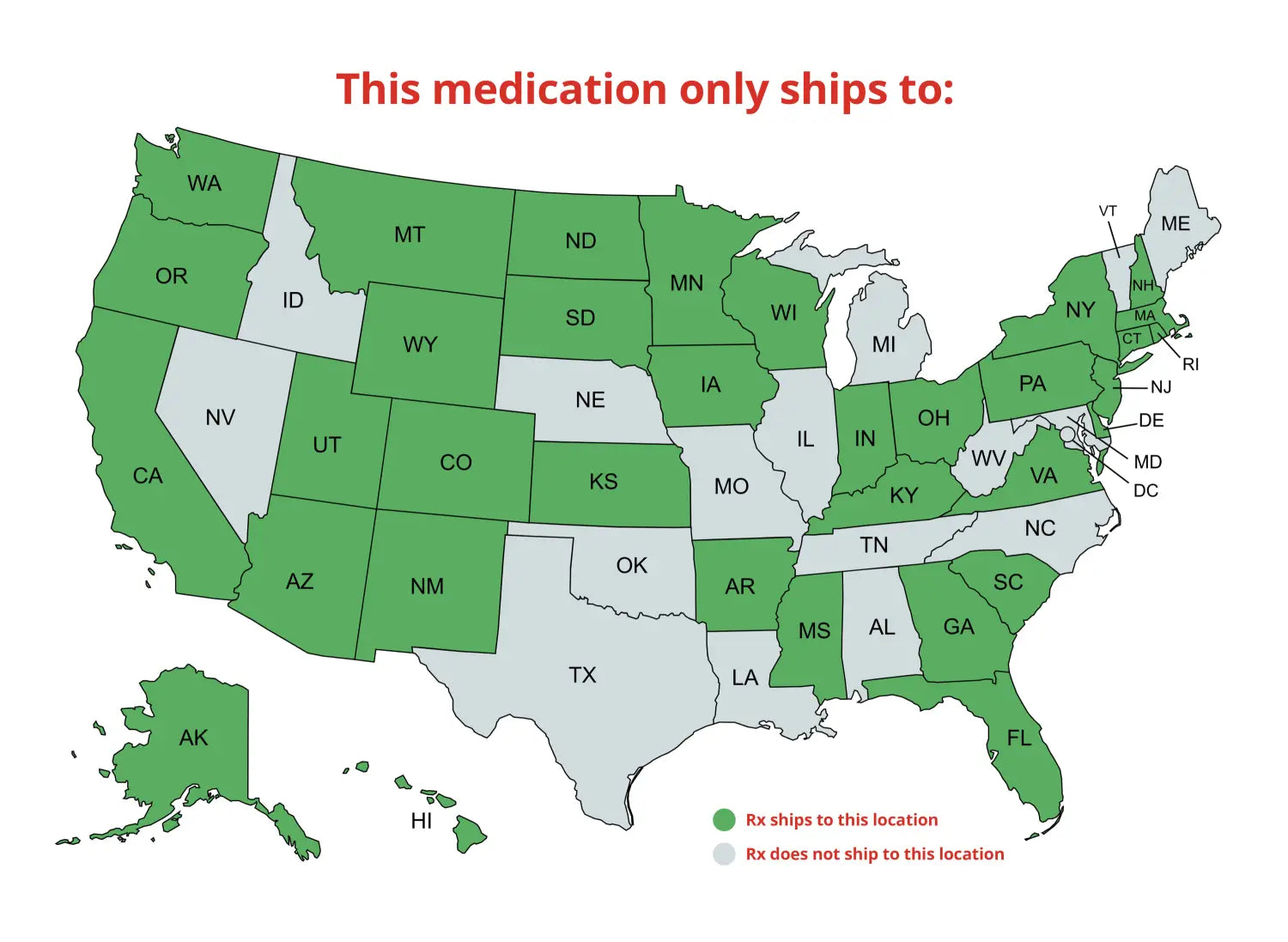
NMDA Receptor Blocker Capsules for Chronic and Neuropathic Pain in Pets
Product Description
Amantadine HCl 100mg Capsules are a prescription NMDA receptor antagonist used by veterinarians to manage chronic and neuropathic pain in dogs and cats. It works by shutting off NMDA receptors in the central nervous system that turn up the volume on pain signals and drive the cycle of wind-up pain. It works best alongside other analgesics like NSAIDs, giving their pain-relieving effect a meaningful boost. It is commonly prescribed for osteoarthritis, neuropathic pain, osteosarcoma pain, and post-surgical recovery, and is used off-label in veterinary medicine.
Benefits
- Chronic Pain Relief: Addresses persistent pain from osteoarthritis, neuropathy, and other chronic conditions in dogs and cats that have not responded well to standard pain medications.
- Enhances Other Analgesics: Gives NSAIDs and other pain medications a significant lift in effectiveness when used alongside them as part of a multimodal pain plan.
- Cancer Pain Support: Helps manage pain tied to osteosarcoma and other painful cancers in dogs and cats under ongoing veterinary supervision.
- Non-Sedating Pain Relief: Unlike opioids and similar analgesics, amantadine does not bring on sedation, so pets stay alert and active throughout treatment.
- Post-Surgical Recovery: Given after declaw procedures and other surgeries to address neuropathic pain and help pets recover more comfortably.
Ingredients
Active Ingredients
Amantadine Hydrochloride
How to Use
Amantadine HCl 100mg Capsules are a prescription-only medication. A valid veterinarian prescription is required to purchase this product.
Please follow your veterinarian's specific instructions for the dosage and administration of this medication for your pet.
Disclaimer: Dosage and administration of this medication must be determined by a licensed veterinarian. Always consult your veterinarian before administering or adjusting any prescription medication for your pet.
Tucking this capsule into a soft pill pocket or pill wrap treat is a simple way to get your pet to take their full daily dose without any trouble. This medication can be given with or without food, but keeping fresh water available throughout the day is a good habit to maintain.
Shop Pill Pockets for Dogs | Shop Pill Pockets for Cats
Additional Information
Precautions
- Avoid in Kidney Disease: Pets with kidney disease should not receive this medication, as it clears through the kidneys and can reach toxic levels when renal function is reduced.
- Avoid in Seizure Disorders: Pets with a history of seizures should not be given this medication, as it may bring the seizure threshold down and make the condition worse.
- Avoid in Glaucoma: Pets with untreated glaucoma should not receive this medication, as it may push intraocular pressure higher.
- Avoid in Pregnancy and Breeding: Pregnant, lactating, or breeding animals should not be given this medication, as its safety in these situations has not been established.
- Caution in Liver Disease and Heart Failure: Pets with liver dysfunction or congestive heart failure need careful management, as these conditions can change how the drug is handled in the body.
- Never Stop Abruptly: Stopping this medication without a gradual taper can cause problems, so always work with a veterinarian when reducing or ending treatment.
- Drug Interaction Risk: Trimethoprim-sulfa antibiotics, quinidine, and thiazide diuretics should not be used alongside this medication without specific veterinary guidance on handling those interactions.
Possible Side Effects
- Flatulence and Diarrhea: Gas and loose stools are among the more commonly seen reactions and tend to be mild and short-lived in most pets.
- Agitation and Restlessness: Some pets show signs of behavioral agitation or restlessness, particularly when first starting or at higher doses.
- Difficulty Urinating: Combined with antihistamines, this medication can bring on urinary retention, dry mouth, and a faster heart rate in some pets.
- Overdose Signs: Agitation, confusion, balance problems, a racing heart, labored breathing, and seizures all point to a potentially fatal overdose needing immediate emergency veterinary care.
Storage Information
- Controlled Room Temperature: Store capsules somewhere cool and dry, maintaining a temperature of 59°F to 86°F and keeping them away from heat and moisture.
- Protect From Moisture and Light: Humid conditions and direct sunlight can wear down the capsule's potency, so a dry, shaded storage spot is the right choice.
- Out of Reach: Keep this medication somewhere children and untreated animals in the home cannot get to it.
NOTE: For generic medications, the product image shown may not reflect the actual item received. Generic medications can vary in size, color, and shape between orders depending on the manufacturer. Additionally, your medication may arrive packaged in a HardyPaw Pharmacy vial.
Shipping & Return
We offer ground, express, and priority delivery; see our shipping policy for details.
For return instructions or product concerns, please refer to our detailed refund policy.
Prescription items are NON-RETURNABLE and NON-REFUNDABLE.
Frequently Asked Questions
Q1: What conditions does amantadine treat in dogs and cats?
Ans: Amantadine is used for chronic pain from osteoarthritis, neuropathic pain, osteosarcoma-related cancer pain, and post-surgical recovery including declaw procedures. It is especially useful for pets that have not responded well enough to NSAIDs on their own and is typically paired with other pain medications for a well-rounded approach.
Q2: How does amantadine relieve pain differently from NSAIDs?
Ans: NSAIDs go after inflammation at the injury site, while amantadine takes on NMDA receptors in the central nervous system that amplify and keep pain going. That directly tackles wind-up pain, where ongoing nerve activity causes the body to feel pain more intensely than it should. Hitting different parts of the pain pathway is what makes the two so effective in combination.
Q3: How long does amantadine take to work in dogs and cats?
Ans: It generally takes around 7 to 10 days of steady daily dosing before the full pain-relieving effect comes through. Improvements in how the pet moves, how comfortable they seem, and how active they are tend to become noticeable within the first couple of weeks. Completing the full course and checking with a veterinarian before stopping is important.
Q4: Can amantadine be used as the sole pain medication for pets?
Ans: Amantadine on its own is generally not enough to manage pain effectively and is usually prescribed alongside NSAIDs or other analgesics. Its real value is in boosting what other pain medications can do and tackling the central sensitization that standard analgesics tend to leave unaddressed. A veterinarian will put together the right combination for each pet.
Q5: What are the signs of an amantadine overdose in pets?
Ans: Agitation, confusion, behavioral shifts, loss of balance, labored breathing, a racing heart, and seizures are all warning signs of a potentially fatal overdose. Getting professional help immediately is critical if an excessive dose is suspected, so call a veterinarian or emergency clinic without delay rather than waiting to see how the pet responds.