


Product title
$19.99 | $24.99
Product title
$19.99 | $24.99
Product title
$19.99 | $24.99
Product title
$19.99 | $24.99
Injectable Antibiotic for Bacterial Infections in Dogs and Cats
Product Description
Ampicillin for Injection 1g is a prescription broad-spectrum penicillin-class antibiotic used by veterinarians to treat bacterial infections in dogs, cats, and cattle. It works by cutting off the ability of susceptible bacteria to form their cell walls, which causes them to break down and die off. This injectable form works well for serious infections of the respiratory tract, urinary tract, and skin, and is given at a veterinary clinic.
Benefits
- Broad Bacterial Coverage: Targets a wide range of gram-positive and gram-negative bacteria behind infections in dogs and cats.
- Respiratory Infection Treatment: Addresses upper respiratory infections, tonsillitis, and bronchopneumonia caused by susceptible bacterial strains in pets.
- Urinary Tract Infections: Works against urinary tract infections caused by bacteria including E. coli, Staphylococcus spp., and Enterococcus spp.
- Skin and Wound Infections: Covers skin infections, abscesses, soft tissue wounds, and post-surgical infections in dogs and cats.
- FDA-Approved Injectable Form: The injectable form carries FDA approval for use in dogs, cats, horses, and cattle for eligible bacterial infections.
Ingredients
Active Ingredients
Ampicillin
How to Use
Ampicillin for Injection 1g is a prescription-only medication. A valid veterinarian prescription is required to purchase this product.
Please follow your veterinarian's specific instructions for the dosage and administration of this medication for your pet.
Disclaimer: Dosage and administration of this medication must be determined by a licensed veterinarian. Always consult your veterinarian before administering or adjusting any prescription medication for your pet.
Additional Information
Precautions
- Penicillin Allergy Contraindication: Pets with a known allergy to penicillin or any beta-lactam antibiotic should not be given this medication.
- Not for Certain Small Pets: Rabbits, guinea pigs, hamsters, chinchillas, and similar pocket pets should never receive ampicillin orally, as it can be fatal.
- Caution in Pregnancy: Pregnant or lactating animals need careful veterinary evaluation before being put on this medication, given the associated risks.
- Caution in Kidney Disease: Small, dehydrated, or kidney-compromised pets may process this drug more slowly and need close veterinary management throughout.
- Drug Interaction Risk: Share a full list of your pet's current medications with your veterinarian, as ampicillin may interact with aminoglycosides, probenecid, and warfarin.
- Complete the Full Course: Even when your pet looks fully recovered, finishing the entire prescribed course is important to prevent the infection from returning.
Possible Side Effects
- Injection Site Discomfort: Some pain, stinging, or irritation at the injection site is something pets commonly experience after receiving ampicillin.
- Digestive Upset: Vomiting, diarrhea, and a drop in appetite can come up and should be flagged to your veterinarian if they linger or worsen.
- Allergic Reactions: Hives, facial swelling, skin reactions, or trouble breathing may signal a serious allergic response that needs immediate veterinary care.
- Appetite Loss in Cats: A total loss of appetite in cats can lead to serious liver complications and needs to be reported to a veterinarian right away.
- High-Dose Neurological Signs: Extremely large overdoses may bring on incoordination or seizures in dogs, both of which need immediate emergency veterinary attention.
Storage Information
- Store Powder at Room Temperature: Keep the unreconstituted powder vial in a cool, dry spot at room temperature, well away from heat and moisture.
- Refrigerate After Reconstitution: Once mixed, the solution needs to go straight into the refrigerator and should be used within the timeframe your veterinarian advises.
- Out of Reach: Keep this medication somewhere children and untreated animals in the home cannot get to it.
NOTE: For generic medications, the product image shown may not reflect the actual item received. Generic medications can vary in size, color, and shape between orders depending on the manufacturer. Additionally, your medication may arrive packaged in a HardyPaw Pharmacy vial.
Shipping & Return
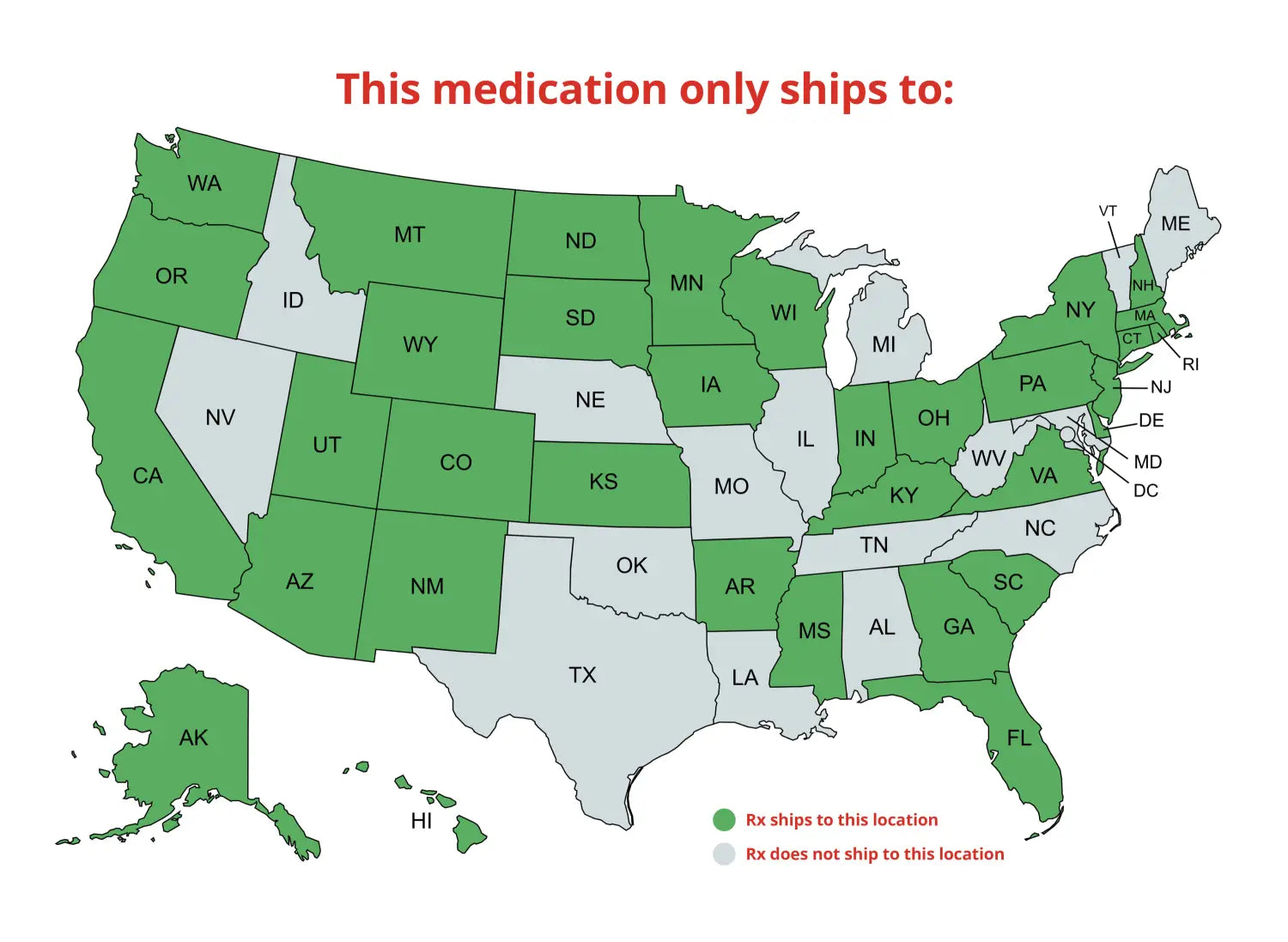
We offer ground, express, and priority delivery; see our shipping policy for details.
For return instructions or product concerns, please refer to our detailed refund policy.
Prescription items are NON-RETURNABLE and NON-REFUNDABLE.
Frequently Asked Questions
Q1: What bacterial infections does ampicillin injection treat in dogs and cats?
Ans: Ampicillin injection covers respiratory tract infections, urinary tract infections, skin infections, wound infections, and leptospirosis in dogs and cats. It works on a broad range of susceptible gram-positive and gram-negative bacteria. A veterinarian will confirm bacterial susceptibility to ampicillin before moving forward with treatment.
Q2: Is ampicillin injection FDA-approved for use in dogs and cats?
Ans: Yes, the injectable form of ampicillin carries FDA approval for treating susceptible respiratory tract and skin infections in dogs, cats, horses, and cattle. Additional veterinary uses beyond the approved label may be prescribed off-label by a licensed veterinarian depending on the infection being treated.
Q3: Can ampicillin injection be given to pets with penicillin allergies?
Ans: No, pets with a known allergy to penicillin or other beta-lactam antibiotics should not receive this medication. Reactions, though uncommon, can be serious and may include hives, facial swelling, breathing difficulty, and anaphylaxis. Always let your veterinarian know about any prior antibiotic allergies before treatment starts.
Q4: What are the most common side effects of ampicillin injection in pets?
Ans: Pain or stinging at the injection site, vomiting, diarrhea, and a drop in appetite are what pets most commonly experience with this medication. Serious allergic reactions are uncommon but possible. In cats, a complete loss of appetite is a serious concern that should be flagged to a veterinarian without delay.
Q5: Can ampicillin injection interact with other pet medications?
Ans: Yes, ampicillin can be affected by aminoglycosides, probenecid, and warfarin. To keep your pet safe, give your veterinarian and pharmacist a full rundown of every medication, supplement, and vitamin your pet is currently on before starting ampicillin treatment.