


Product title
$19.99 | $24.99
Product title
$19.99 | $24.99
Product title
$19.99 | $24.99
Product title
$19.99 | $24.99
Effective Pain and Inflammation Relief for Dogs
Product Description
Carprieve Caplets contain carprofen, a non steroidal anti inflammatory medication that helps reduce pain and swelling in dogs. Veterinarians often prescribe this medicine for dogs dealing with osteoarthritis or for pain management after soft tissue or orthopedic surgery. By lowering inflammation in the body, the medication helps dogs feel more comfortable and move more easily. Carprieve Caplets are FDA approved veterinary prescription tablets that are given orally under the supervision of a veterinarian.
Please note product may arrive in a Hardy Paw Pharmacy vial, manufacturer packaging is shown for reference.
Benefits
- Pain Relief: Helps relieve pain associated with osteoarthritis and surgical procedures in dogs.
- Reduces Inflammation: Works by inhibiting cyclooxygenase activity, which helps reduce inflammatory responses in the body.
- Post-Surgery Support: Supports recovery by helping control pain after soft tissue and orthopedic surgeries.
- High Oral Absorption: Rapidly absorbed after oral administration with more than 90 percent bioavailability in dogs.
- Flexible Dosing: Can be administered once daily or divided into two doses depending on veterinary guidance.
Variants
Carprieve Caplets are available in the following Carprofen strengths:
- 25 mg Caplets
- 75 mg Caplets
- 100 mg Caplets
Ingredients
Active Ingredients
Carprofen
How to Use
Recommended-Dosage Chart
|
Dog Body Weight |
Recommended Daily Dose |
Administration Option |
|
Based on body weight |
2 mg per lb (4.4 mg/kg) daily |
Once daily dose |
|
Based on body weight |
1 mg per lb (2.2 mg/kg) |
Twice daily dose |
Dosage & Administration Instructions
- Veterinary Prescription Only: This medication is restricted to use by or on the order of a licensed veterinarian.
- Weight-Based Dosing: Administer 2 mg per pound of body weight daily according to veterinary instructions.
- Flexible Dose Schedule: The full daily amount can either be administered as one single dose per day or split into two separate doses, depending on the recommended dosing plan.
- Pre-Surgical Administration: For surgical pain control, administer the recommended dose approximately two hours before the procedure.
- Scored Caplets: Caplets are scored to allow accurate dosing using half-caplet increments when calculating doses.
Disclaimer: This dosage information is provided by the manufacturer. Always consult your veterinarian before administering or adjusting any supplement for your pet.
Additional Information
Precautions
- Avoid NSAID Combination: Do not administer carprofen together with other NSAIDs or corticosteroids due to increased gastrointestinal risk.
- Monitor High-Risk Dogs: Dogs with dehydration or kidney, liver, or cardiovascular disease require careful monitoring during treatment.
- Baseline Testing Recommended: Veterinarians should conduct physical examinations and laboratory testing before starting NSAID therapy.
- Sensitive Health Conditions: Safety has not been established for puppies under six weeks, pregnant, breeding, or lactating dogs.
- Bleeding Disorder Risk: Not recommended for dogs with bleeding disorders such as Von Willebrand’s disease due to unestablished safety.
Possible Side Effects
- Digestive Upset: Vomiting, diarrhea, and appetite changes may occur in some dogs receiving carprofen therapy.
- Behavior Changes: Some dogs may show lethargy, sedation, hyperactivity, or behavioral changes during treatment.
- Liver Effects: Elevated liver enzymes, jaundice, or abnormal liver function tests have been reported in rare cases.
- Kidney Complications: Renal effects such as increased urination, urinary abnormalities, or acute renal failure may occur.
- Neurologic Signs: Rare neurological reactions include seizures, loss of coordination, disorientation, or vestibular symptoms.
Storage Information
- Room Temperature Storage: The medication should be kept within a temperature range of 59°F - 86°F (15°C - 30°C) to ensure proper storage conditions.
- Child Safety: Store this medication in a place where children cannot reach it to avoid accidental swallowing.
- Veterinary Use Only: This medication is intended for dogs only and should not be used in cats.
Shipping & Return
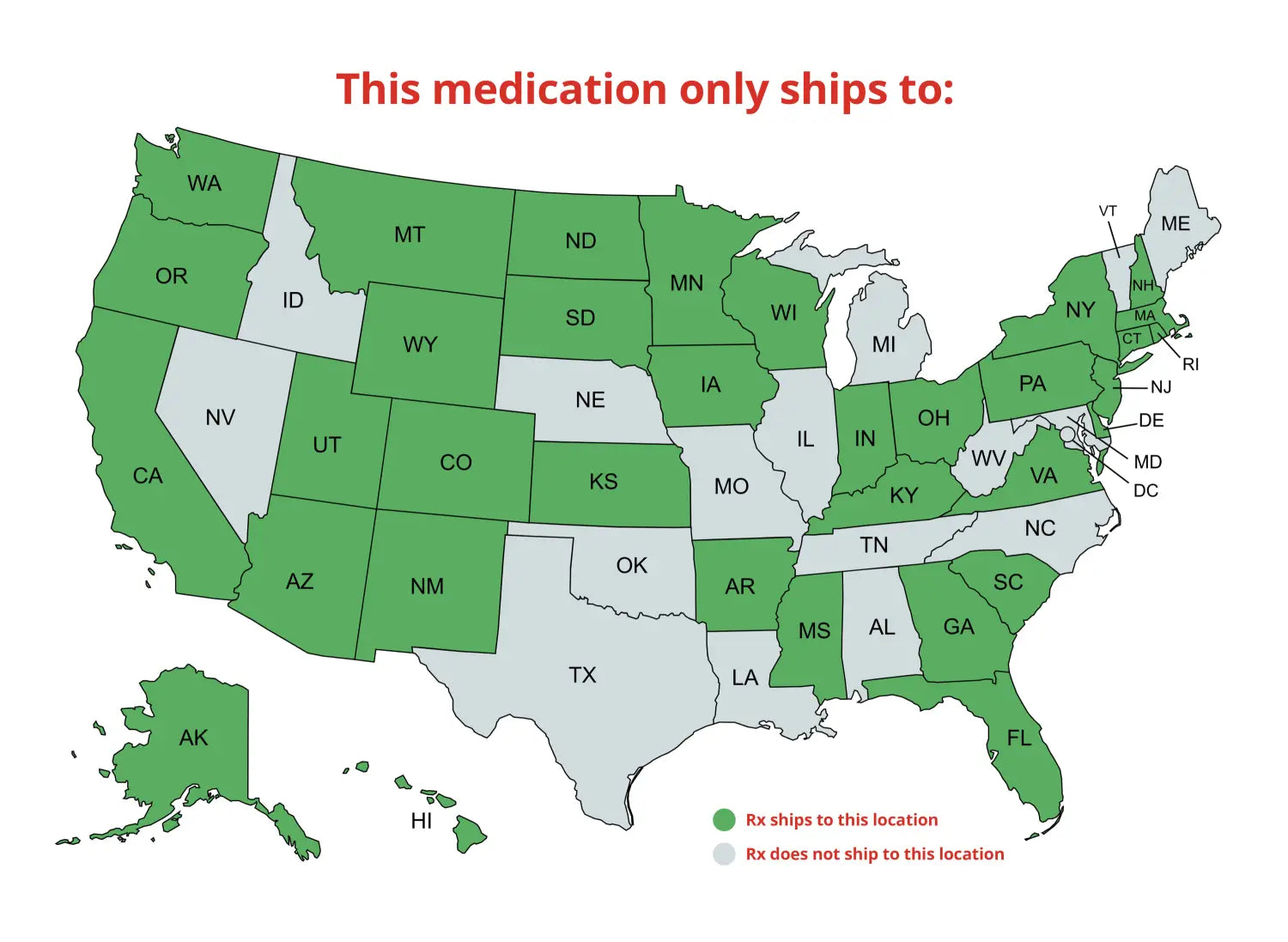
We offer ground, express, priority, and international delivery; see our shipping policy for details.
For return instructions or product concerns, please refer to our detailed refund policy.
Prescription items are NON-RETURNABLE and NON-REFUNDABLE.
Frequently Asked Questions
Q1: What is Carprieve used for in dogs?
Ans: Carprieve Caplets contain carprofen, a non-steroidal anti-inflammatory drug used in dogs to relieve pain and inflammation associated with osteoarthritis. Veterinarians also prescribe it to control postoperative pain after soft tissue or orthopedic surgeries, helping improve comfort and mobility during recovery.
Q2: How does Carprieve work in dogs?
Ans: Carprieve works by inhibiting cyclooxygenase enzymes involved in producing prostaglandins that trigger inflammation, pain, and fever. By reducing these inflammatory chemicals, the medication helps relieve pain and swelling in dogs suffering from osteoarthritis or recovering from surgical procedures.
Q3: What is the recommended dosage of Carprieve for dogs?
Ans: The manufacturer recommends a dosage of 2mg/lb of body weight daily for dogs. This dose may be given once daily or divided into two doses of 1 mg per pound twice daily, depending on veterinary guidance.
Q4: Is Carprieve safe for all dogs?
Ans: Carprieve should not be used in dogs with hypersensitivity to carprofen. Safety has not been established for puppies under six weeks of age, pregnant or breeding dogs, or lactating females. Dogs with certain health conditions should be monitored closely by a veterinarian.
Q5: What side effects can occur with Carprieve?
Ans: Some dogs may experience side effects such as vomiting, diarrhea, reduced appetite, or lethargy while taking Carprieve. Rare but serious reactions involving the liver, kidneys, gastrointestinal system, or nervous system have been reported and require immediate veterinary attention.