

Product title
$19.99 | $24.99
Product title
$19.99 | $24.99
Product title
$19.99 | $24.99
Product title
$19.99 | $24.99
Prescription Acid Reducer Tablets for Gastrointestinal Relief in Dogs and Cats
Product Description
Cimetidine 200 mg tablets are prescribed off-label for dogs and cats to cut down excess stomach acid and aid recovery from gastrointestinal conditions. It blocks the histamine receptors in the stomach lining that trigger acid production, giving damaged tissues a chance to heal. Vets reach for it most often in cases of stomach and intestinal ulcers, acid reflux, oesophageal inflammation, stress-related gastritis, and as a supportive option for pets with mast cell tumours or chronic kidney disease.
Benefits
- Gastric Ulcer Healing: Brings stomach acid down to a level that gives ulcers in the stomach, oesophagus, and upper small intestine a chance to heal.
- Acid Reflux Control: Cuts the frequency and severity of acid reflux episodes, helping shield the oesophagus from ongoing acid-related damage.
- Kidney Disease Support: Helps keep secondary gastric erosion and inflammation in check in pets with chronic kidney disease and elevated uremic toxins.
- Mast Cell Tumour Adjunct: Blocks the excess histamine that mast cell tumours release, preventing the dangerous spike in stomach acid it would otherwise trigger.
- Stress Gastritis Relief: Addresses stomach irritation triggered by stress, certain drugs, or toxin ingestion by neutralising the acidic environment that prolongs mucosal damage.
Ingredients
Active Ingredients
Cimetidine 200 mg per tablet
How to Use
Cimetidine is a prescription-only medication when dispensed for veterinary use. A valid veterinarian prescription is required to purchase this product.
Please follow your veterinarian's specific instructions for the dosage and administration of this medication for your pet.
Disclaimer: Dosage and administration of this medication must be determined by a licensed veterinarian. Always consult your veterinarian before administering or adjusting any prescription medication for your pet.
For best results, cimetidine is ideally given around 30 minutes before a meal. Tucking the tablet inside a pill pocket or soft treat wrap can make administration easy and stress-free for both you and your pet.
Shop Pill Pockets for Dogs | Shop Pill Pockets for Cats
Additional Information
Precautions
- Allergic Pets: Do not give cimetidine to pets known to be allergic or sensitive to it or other H2 blocker medications.
- Liver Disease: Pets with liver problems may process cimetidine more slowly, which can build up side effects and may need a dose change.
- Kidney Disease: Pets with chronic kidney disease clear this drug more slowly, so regular check-ins with your vet are important throughout treatment.
- Cardiac Rhythm: Take extra care in pets with heart arrhythmias, as cimetidine can make irregular heart rhythm worse in some animals.
- Elderly Pets: Older pets tend to feel the effects of this medication more strongly and may need a lower dose and closer monitoring.
- Switching Formulations: Tablets and liquids are dosed differently, so always check with your vet before switching between the two forms.
- Drug Interactions: Tell your vet about every medication your pet is on, as cimetidine can push up blood levels of diazepam, digoxin, metronidazole, and others.
Possible Side Effects
- Lethargy or Weakness: Some pets may seem more tired than usual, especially older ones or those already on several other medications.
- Drooling in Cats: Cimetidine has a bitter taste that can make cats drool after swallowing; wrapping the tablet in a treat usually does the trick.
- Confusion or Disorientation: Older pets or those with organ problems may seem a little out of sorts or confused while on this medication.
- Digestive Upset: Some pets may feel queasy or have loose stools; giving the dose with a small bite of food usually helps.
- Cardiac Effects: An irregular heartbeat or trouble breathing are rare but serious, so stop the medication and call your vet straight away.
Storage Information
- Room Temperature: Store tablets below 86°F (30°C), away from direct sunlight, radiators, and other heat sources.
- Moisture Protection: Keep tablets in a sealed container away from humid areas like bathrooms or kitchens to preserve stability and potency.
- Keep Out of Reach: Store safely away from children and pets at all times to prevent any risk of accidental ingestion or exposure.
NOTE: For generic medications, the product image shown may not reflect the actual item received. Generic medications can vary in size, color, and shape between orders depending on the manufacturer. Additionally, your medication may arrive packaged in a HardyPaw Pharmacy vial.
Shipping & Return
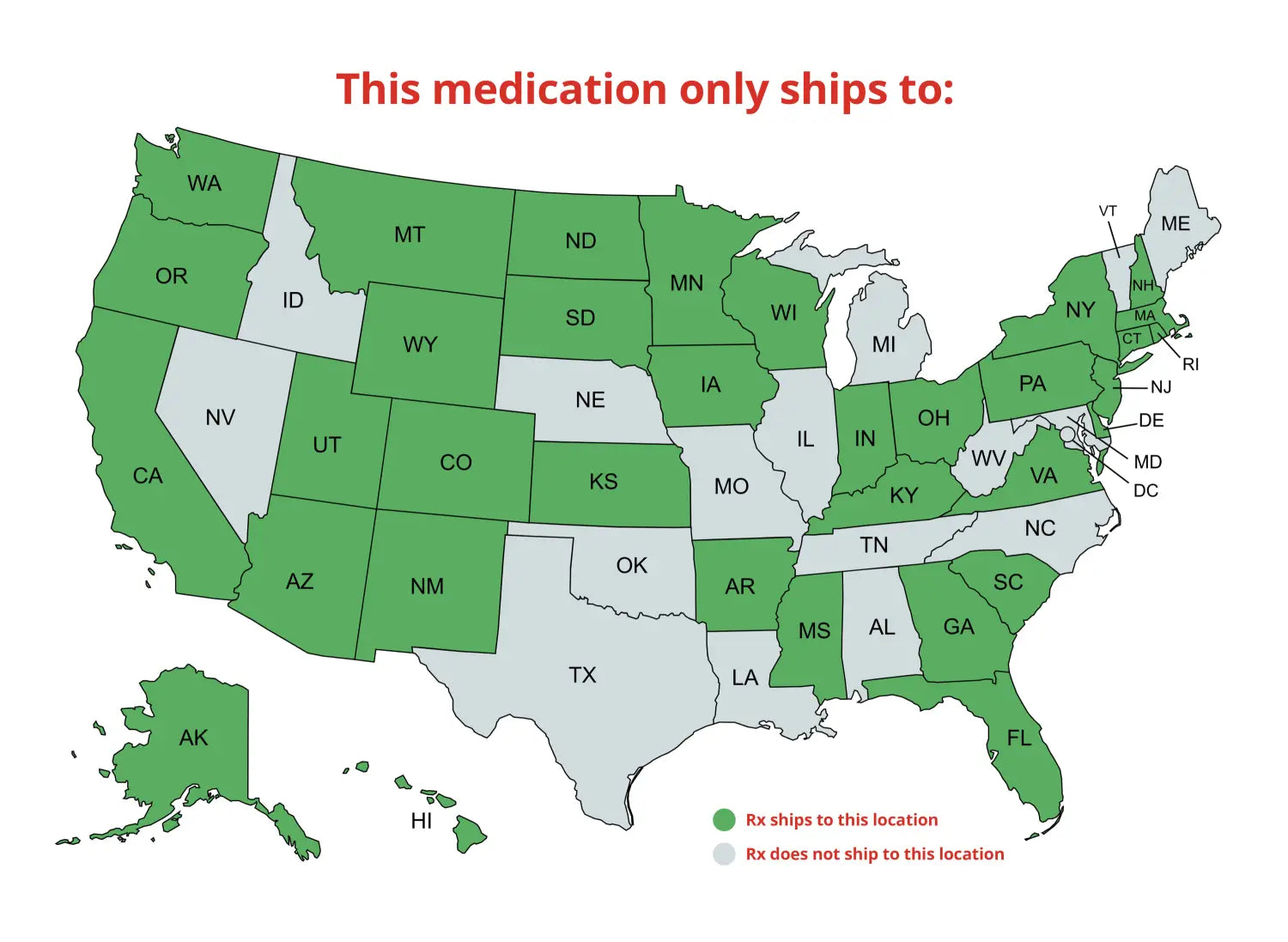
We offer ground, express, and priority delivery; see our shipping policy for details.
For return instructions or product concerns, please refer to our detailed refund policy.
Prescription items are NON-RETURNABLE and NON-REFUNDABLE.
Frequently Asked Questions
Q1: What conditions is cimetidine prescribed for in dogs and cats?
Ans: Cimetidine is used off-label in dogs and cats to manage stomach and intestinal ulcers, acid reflux, stress gastritis, oesophageal inflammation, and kidney disease-related stomach irritation. It is also prescribed as part of the treatment plan for pets with mast cell tumours, where excess histamine triggers dangerous levels of stomach acid production.
Q2: When should cimetidine be given relative to meals?
Ans: Cimetidine works best when given around 30 minutes before a meal, giving it time to bring acid levels down before food triggers further secretion from the stomach lining. If your pet feels nauseous or vomits on an empty stomach, your vet may suggest giving it with a small amount of food instead.
Q3: Can cimetidine interact with other medications my pet is taking?
Ans: Yes, cimetidine has a well-documented interaction potential with many commonly prescribed veterinary medications. It slows the liver's ability to break down certain drugs, which can elevate blood levels of medications such as diazepam, digoxin, metronidazole, and some cardiac drugs to potentially unsafe levels. Always provide your veterinarian with a full list of your pet's current medications before starting cimetidine.
Q4: Is cimetidine safe for older dogs and cats?
Ans: Cimetidine can be used in older pets, but extra care is needed since their bodies process drugs more slowly, they react more strongly to medications, and they are often on other drugs that could interact. Your vet may start them on a lower dose or keep a closer eye on them to make sure everything stays on track.
Q5: How is cimetidine different from other acid reducers used in pets?
Ans: Cimetidine is in the same drug class as famotidine but does not last as long in the body and needs to be given more often each day. It also has a greater chance of interacting with other medications because of how it affects liver enzymes. That said, it has been used safely in veterinary medicine for a long time and remains a solid prescription option when a vet oversees treatment.
Clinical Research
https://www.webmd.com/drugs/2/drug-11210/cimetidine-oral/details