


Product title
$19.99 | $24.99
Product title
$19.99 | $24.99
Product title
$19.99 | $24.99
Product title
$19.99 | $24.99
Antibiotic Tablets for Treating Dog Skin and Dental Infections
Product Description
Clintabs are prescription oral antibiotic tablets for dogs formulated with clindamycin hydrochloride to treat susceptible bacterial infections. They are commonly used for skin infections, wounds, abscesses, dental infections, and bone infections such as osteomyelitis. The tablets are available in multiple strengths for flexible dosing and are rapidly absorbed to help achieve effective therapeutic levels in dogs when prescribed by a veterinarian.
Please note product may arrive in a Hardy Paw Pharmacy vial, manufacturer packaging is shown for reference.
Benefits
- Broad Spectrum Coverage: Effective against many aerobic and anaerobic bacteria associated with skin, dental, and bone infections in dogs.
- Targeted Infection Treatment: Indicated for wounds, abscesses, dental infections, and osteomyelitis caused by susceptible bacterial strains in dogs.
- Flexible Strength Options: Available in multiple tablet strengths to support accurate dosing based on body weight and infection severity.
- Rapid Absorption: Quickly absorbed from the gastrointestinal tract with measurable serum concentrations achieved after oral administration in dogs.
- Proven Veterinary Use: Approved prescription antibiotic specifically labeled for canine use under veterinary supervision for safety and effectiveness.
Ingredients
Clindamycin hydrochloride (equivalent to clindamycin) 150 mg per tablet
How to Use
Recommended-Dosage Chart
|
Condition |
Dosage |
Frequency |
Duration |
|
Infected wounds, abscesses, and dental infections |
2.5 to 15 mg per lb body weight |
Every 12 hours |
Up to 28 days |
|
Osteomyelitis (bone infection) |
5 to 15 mg per lb body weight |
Every 12 hours |
Minimum 28 days |
Dosage & Administration Instructions
- Veterinary Prescription Only: This medication is restricted to use by or on the order of a licensed veterinarian.
- Weight-Based Dosing: Administer tablets according to the dog’s body weight and infection severity as prescribed by the veterinarian.
- Oral Administration: Give orally every twelve hours to maintain therapeutic drug levels in the bloodstream.
- Treatment Monitoring: Discontinue therapy and consult a veterinarian if no clinical improvement occurs within three to four days.
- Complete Course: Continue treatment for the full duration recommended by the veterinarian, even if symptoms improve earlier.
Disclaimer: This dosage information is provided by the manufacturer. Always consult your veterinarian before administering or adjusting any supplement for your pet.
Additional Information
Precautions
- Species Restrictions: Do not administer to rabbits, hamsters, guinea pigs, horses, chinchillas, or ruminants because of serious gastrointestinal risks.
- Organ Function Monitoring: Regular liver and kidney function tests, and blood count evaluation are required during long-term therapy over one month.
- Severe Disease Caution: Use carefully in dogs with serious kidney or liver disease, and check serum drug levels during treatment.
- Drug Interactions: Clindamycin may increase the effects of neuromuscular blocking agents, so be careful when using it with similar medications.
- Breeding Safety Unknown: Safety has not been proven for use in pregnant dogs or breeding male dogs.
Possible Side Effects
- Gastrointestinal Upset: Vomiting and diarrhea have occasionally been observed during clinical trials and post-marketing veterinary use.
- Microbial Overgrowth: Prolonged use can cause overgrowth of non-susceptible organisms, such as clostridia or yeast infections.
Storage Information
- Controlled Temperature: Store tablets at controlled room temperature between 20°C and 25°C as recommended by the manufacturer.
- Child Safety: Keep medication out of reach of children to prevent accidental ingestion or misuse.
- Original Packaging: Store in the original container with proper labeling to maintain product integrity and identification.
Shipping & Return
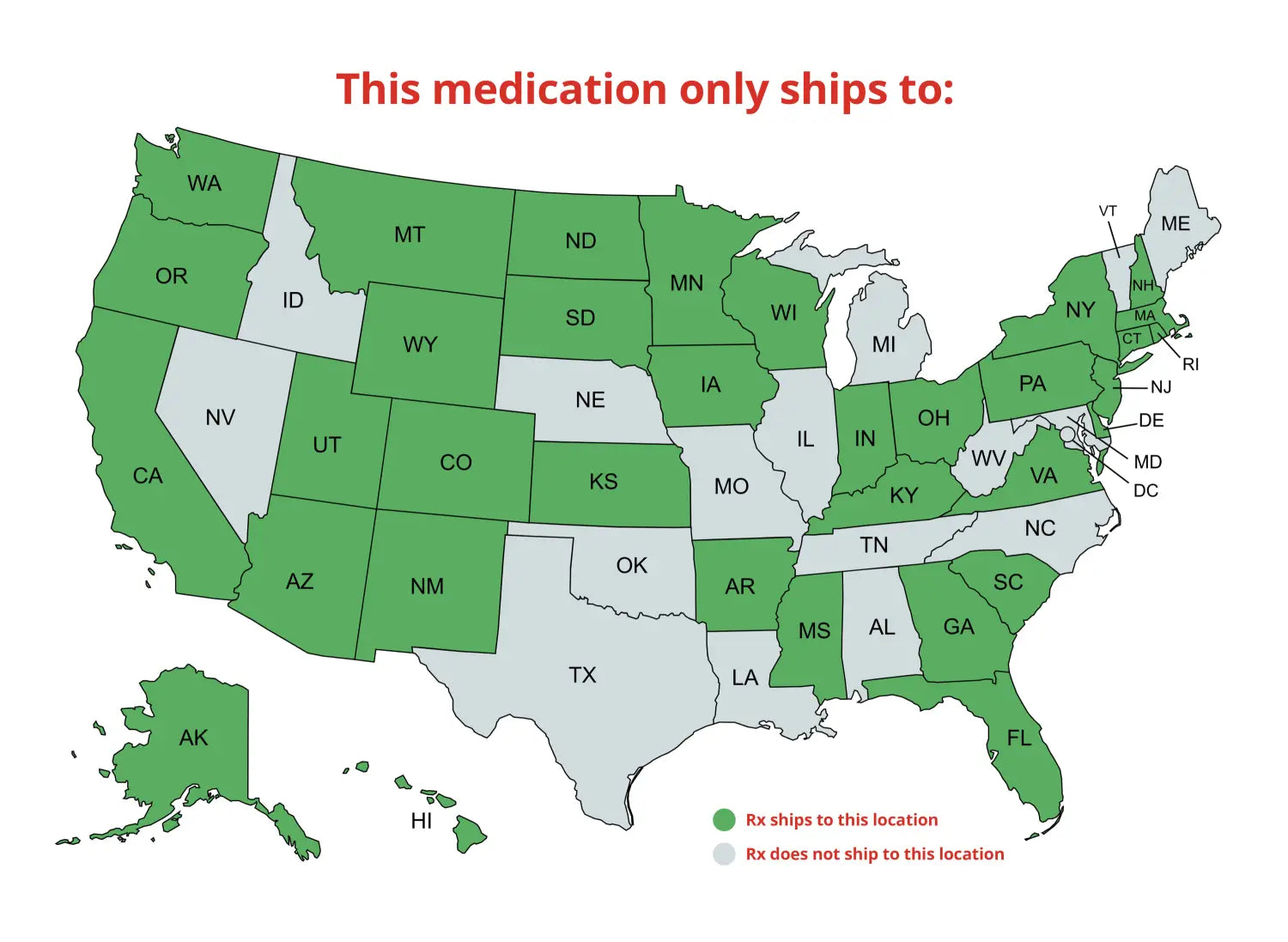
We offer ground, express, priority, and international delivery; see our shipping policy for details.
For return instructions or product concerns, please refer to our detailed refund policy.
Prescription items are NON-RETURNABLE and NON-REFUNDABLE.
Frequently Asked Questions
Q1: What infections can Clintabs treat in dogs?
Ans: Clindamycin is indicated for treating susceptible bacterial infections in dogs, including skin infections, wounds, abscesses, dental infections, and bone infections such as osteomyelitis. The medication works against specific aerobic and anaerobic bacteria when prescribed by a licensed veterinarian for appropriate clinical conditions.
Q2: How often should Clintabs be given to dogs?
Ans: Clintabs are typically administered orally every twelve hours according to the dog’s body weight and infection type. Dosage ranges depend on the condition being treated, and therapy duration is determined by the veterinarian, with some infections requiring treatment for up to twenty-eight days.
Q3: Are Clintabs safe for all animals?
Ans: Clintabs are made specifically for dogs and should not be given to rabbits, hamsters, guinea pigs, horses, chinchillas, or ruminants. It can cause serious gastrointestinal issues. Always follow your vet's advice and do not use them in animals that are known to be sensitive to clindamycin or lincomycin.
Q4: What side effects can occur with Clintabs?
Ans: The most commonly reported side effects include vomiting and diarrhea during treatment. Long-term use may sometimes result in an overgrowth of organisms that do not respond to treatment, like clostridia or yeast. If symptoms continue or worsen during treatment, seek a veterinarian's guidance.
Q5: Do I need a prescription to purchase Clintabs?
Ans: Yes, Clintabs are a prescription veterinary medication restricted by federal law to use by or on the order of a licensed veterinarian. This ensures proper diagnosis, dosing, and monitoring to maintain safety and treatment effectiveness for the dog.
Clinical Research:
https://dailymed.nlm.nih.gov/dailymed/fda/fdaDrugXsl.cfm?setid=4826927c-b0ea-4772-9d0d-8e8934a598e6
https://animaldrugsatfda.fda.gov/adafda/app/search/public/document/downloadFoi/1064