

Product title
Vendor
$19.99 | $24.99
Product title
Vendor
$19.99 | $24.99
Product title
Vendor
$19.99 | $24.99
Product title
Vendor
$19.99 | $24.99
Veterinary Pain Relief Chewable Tablets for Dogs
Product Description
Rederox 12 mg Chewable Tablets are a prescription NSAID formulated for dogs to help manage pain and inflammation caused by osteoarthritis or following orthopedic and dental surgeries. Containing deracoxib, a selective COX-2 inhibitor, these flavored chewable tablets support improved mobility and postoperative comfort while allowing convenient once-daily dosing as directed by a veterinarian.
Benefits
- Pain Control: Helps reduce pain linked to osteoarthritis and surgery by blocking inflammatory prostaglandin production in dogs.
- Anti-Inflammatory Support: Focuses on COX-2 enzymes involved in inflammation, which helps lessen swelling and discomfort while keeping normal body functions.
- Improved Mobility: Aids in better joint function and activity in dogs experiencing stiffness and soreness from osteoarthritis.
- Post-Surgical Comfort: Aids recovery after orthopedic or dental procedures by controlling postoperative pain and inflammation when used as prescribed.
- Palatable Chewable: Beef-flavored chewable tablets make administration easier for pet parents and improve acceptance in dogs.
Ingredients
Deracoxib 12 mg per tablet.
How to Use
Recommended-Dosage Chart
|
Indication |
Recommended Dosage |
Duration |
|
Osteoarthritis pain and inflammation |
(0.45 to 0.91 mg/lb) Once daily as needed |
As directed by the veterinarian |
|
Postoperative orthopedic pain and inflammation |
(1.4 to 1.8 mg/lb) once daily |
Up to 7 days |
|
Postoperative dental pain and inflammation |
(0.45 to 0.91 mg/lb) once daily |
3 days, first dose about 1 hour before surgery |
Dosage & Administration Instructions
- Veterinary Prescription: This medication is available only by or on the order of a licensed veterinarian for safe use.
- Oral Administration: Tablets should be given by mouth once daily according to the veterinarian's instructions based on your dog’s condition.
- With Food Preferred: Administration with food improves bioavailability, although the medication remains effective when given in fasted conditions if needed.
- Pre-Surgery Timing: For surgical procedures, the first dose is typically administered prior to the procedure as directed by the veterinarian.
- Accurate Dosing: Smaller dogs requiring less than 12.5 mg should receive properly divided 12 mg tablets to ensure accurate dosing.
Disclaimer: This dosage information is provided by the manufacturer. Always consult your veterinarian before administering or adjusting any supplement for your pet.
Additional Information
Precautions
- Avoid NSAID Combination: Do not use with other NSAIDs or corticosteroids, as this elevates the risk of gastrointestinal problems.
- Health Evaluation: Dogs should have a physical exam and necessary lab tests before starting NSAID therapy to set baseline health measures.
- High Risk Patients: Use carefully in dehydrated dogs or those with kidney, heart, or liver issues to avoid a higher risk of side effects.
- Age Restrictions: Safety has not been tested in dogs younger than four months, breeding dogs, or pregnant or nursing animals.
- Monitor Therapy: Pet owners should watch for signs of intolerance in their dogs. If symptoms appear, stop the medication and contact a veterinarian.
Possible Side Effects
- Digestive Issues: Signs like vomiting, diarrhea, a lack of appetite, or changes in your dog's stool consistency during treatment.
- Behavior Changes: Dogs may show lethargy, depression, restlessness, aggression, or other behavioral alterations while receiving medication.
- Kidney Concerns: Increased drinking, urination changes, or abnormal kidney laboratory values may occur in some treated dogs.
- Liver Effects: Yellowing in the dog's gums, skin, or eyes, which could indicate liver problems, and it's crucial to seek veterinary help immediately.
- Serious Reactions: Rare severe adverse reactions associated with NSAIDs can occur without warning and may result in death.
Storage Information
- Room Temperature: Store tablets at controlled room temperature between 20°C and 25°C with permitted excursions from 15°C to 30°C.
- Child Safety: Keep medication away from children and animals to prevent accidental ingestion or overdose.
- Split Tablet Use: Use divided tablets within 90 days to maintain product quality and effectiveness after splitting.
Shipping & Return
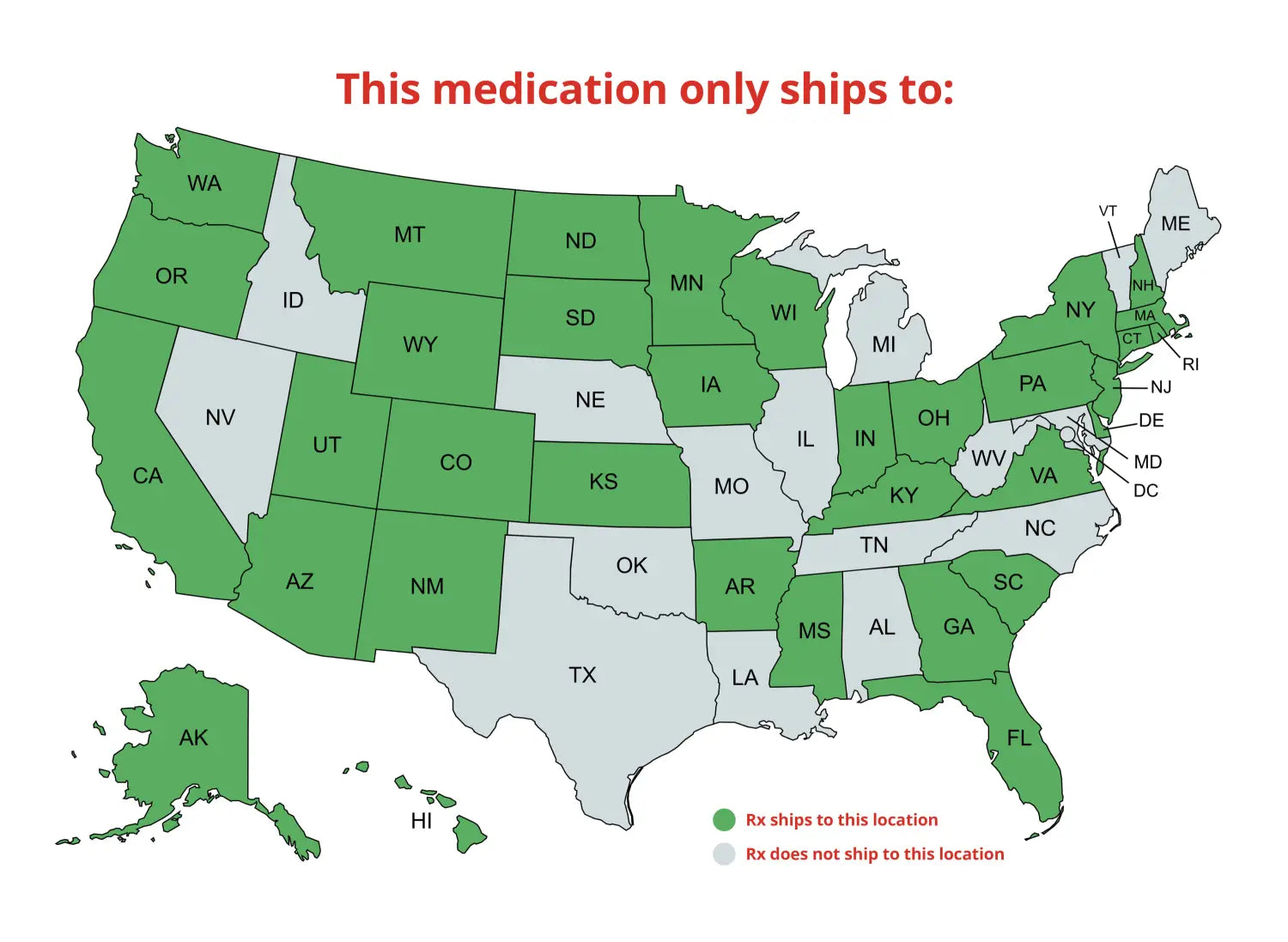
We offer ground, express, priority, and international delivery; see our shipping policy for details.
For return instructions or product concerns, please refer to our detailed refund policy.
Prescription items are NON-RETURNABLE and NON-REFUNDABLE.
Frequently Asked Questions
Q1: What is Rederox 12 mg used for in dogs?
Ans: Rederox 12 mg Chewable Tablets help control pain and inflammation caused by osteoarthritis. They also provide relief against postoperative pain after orthopedic or dental surgeries in dogs. The tablets contain deracoxib, a selective COX-2 inhibitor that reduces inflammatory mediators to improve comfort and mobility.
Q2: How long can my dog take Rederox tablets?
Ans: Duration depends on the condition being treated. Osteoarthritis therapy may continue as directed by a veterinarian using the lowest effective dose, while postoperative orthopedic dosing typically should not exceed seven days, and dental dosing is usually limited to three days after surgery.
Q3: Should Rederox be given with food?
Ans: Rederox tablets can be administered with or without food, but giving them with food is preferred because it improves drug bioavailability. Even when administered without food, the medication remains effective, so veterinarians may recommend either approach based on individual patient needs.
Q4: Can Rederox be given with other medications?
Ans: Rederox should never be used with other NSAIDs or corticosteroids because it may raise the risk of gastrointestinal problems. Veterinarians need to know about all medications, supplements, and past treatments your dog has received. This information helps them check for possible drug interactions and plan safe therapy.
Q5: What side effects should I watch for while my dog takes Rederox?
Ans: Pet owners should monitor for vomiting, diarrhea, appetite loss, behavior changes, increased drinking or urination, or yellowing of gums or eyes. These signs may indicate adverse reactions. Medication should be discontinued and a veterinarian contacted immediately if concerning symptoms appear during treatment.