

Product title
$19.99 | $24.99
Product title
$19.99 | $24.99
Product title
$19.99 | $24.99
Product title
$19.99 | $24.99
Antidepressant Antihistamine Capsules for Pet Behavior and Skin Conditions
Product Description
Doxepin HCl 100mg Capsules are a prescription tricyclic antidepressant with antihistamine properties used off-label by vets for dogs and cats. Working through dopamine and histamine receptor activity in the brain and body, it addresses mood disorders and allergic skin reactions at the same time. Vets prescribe it for depression, anxiety, noise phobias, compulsive grooming, and pruritic skin conditions from allergies or psychogenic dermatoses.
Benefits
- Behavioral Disorder Management: Controls depression, anxiety, noise phobias, and compulsive behaviors in dogs and cats through central dopamine receptor blockade.
- Allergy-Related Itch Control: Blocks peripheral histamine receptors to reduce chronic itching and skin irritation associated with allergic conditions in pets.
- Psychogenic Skin Support: Manages self-traumatic grooming and acral lick dermatitis driven by anxiety and compulsive behaviors in dogs and cats.
- Dual Action Formula: Takes on both anxiety-related behaviors and skin disease together in one daily or twice-daily capsule dose.
- Favorable Cardiac Profile: Among tricyclic antidepressants, doxepin carries a comparatively lower risk of cardiac side effects at standard therapeutic doses.
Ingredients
Active Ingredients
Doxepin Hydrochloride
How to Use
Doxepin HCl 100mg Capsules are a prescription-only medication. A valid veterinarian prescription is required to purchase this product.
Please follow your veterinarian's specific instructions for the dosage and administration of this medication for your pet.
Disclaimer: Dosage and administration of this medication must be determined by a licensed veterinarian. Always consult your veterinarian before administering or adjusting any prescription medication for your pet.
Wrapping the capsule inside a soft pill pocket or pill wrap treat is a practical and low-stress way to ensure your pet takes their full dose. This medication may be given with or without food, but if stomach upset occurs when given on an empty stomach, give with food on future doses. Make sure your pet always has fresh water nearby while taking this medication.
Shop Pill Pockets for Dogs | Shop Pill Pockets for Cats
Additional Information
Precautions
- Avoid With MAOIs: Keep away from pets that received selegiline or amitraz in the past 14 days as a dangerous drug interaction can follow.
- No Amitraz Flea Collars: Amitraz flea and tick collars must never be used during doxepin treatment as they carry a serious toxic interaction risk.
- Avoid Aged Cheese: Aged cheeses and high-tyramine foods can set off a dangerous blood pressure spike and must stay off the menu completely.
- Avoid in Glaucoma: Do not give to pets with glaucoma or urinary retention as doxepin can make both of these conditions significantly worse.
- Caution in Seizures: Use very carefully in any pet with a prior seizure history as doxepin can lower the threshold at which seizures occur.
- Caution in Hyperthyroidism: Avoid in hyperthyroid pets as doxepin may react badly with elevated thyroid hormone levels and lead to toxicity.
- Drug Interaction Risk: Tell your veterinarian if your pet is currently receiving cimetidine, fluoxetine, estrogens, enalapril, verapamil, sedatives, or ranitidine.
Possible Side Effects
- Drowsiness and Lethargy: Tiredness and low energy are the most commonly reported reactions and usually settle as the pet adjusts to the dose.
- Dry Mouth and Constipation: Anticholinergic effects causing dry mouth, reduced gut motility, and constipation may occur in some pets during treatment.
- Blue-Green Urine: Urine may turn blue-green in some pets on doxepin; this is a harmless metabolic effect.
- Excitability and Digestive Upset: Some pets get unusually wound up or have stomach issues like vomiting when first starting out.
- Serious Cardiac Effects: Overdosing can trigger dangerous heart rhythm problems that need emergency veterinary attention as soon as they appear.
Storage Information
- Room Temperature Storage: Keep capsules in a sealed container at a steady temperature between 68°F and 77°F, well away from heat and moisture.
- Protect From Light: Sunlight and damp spots can break down the capsules over time, so keep them somewhere cool, dark, and dry.
- Keep Out of Reach: Put this medication somewhere children and untreated pets cannot get to it on their own.
Note: For generic medications, the product image shown may not reflect the actual item received. Generic medications can vary in size, color, and shape between orders depending on the manufacturer. Additionally, your medication may arrive packaged in a HardyPaw Pharmacy vial.
Shipping & Return
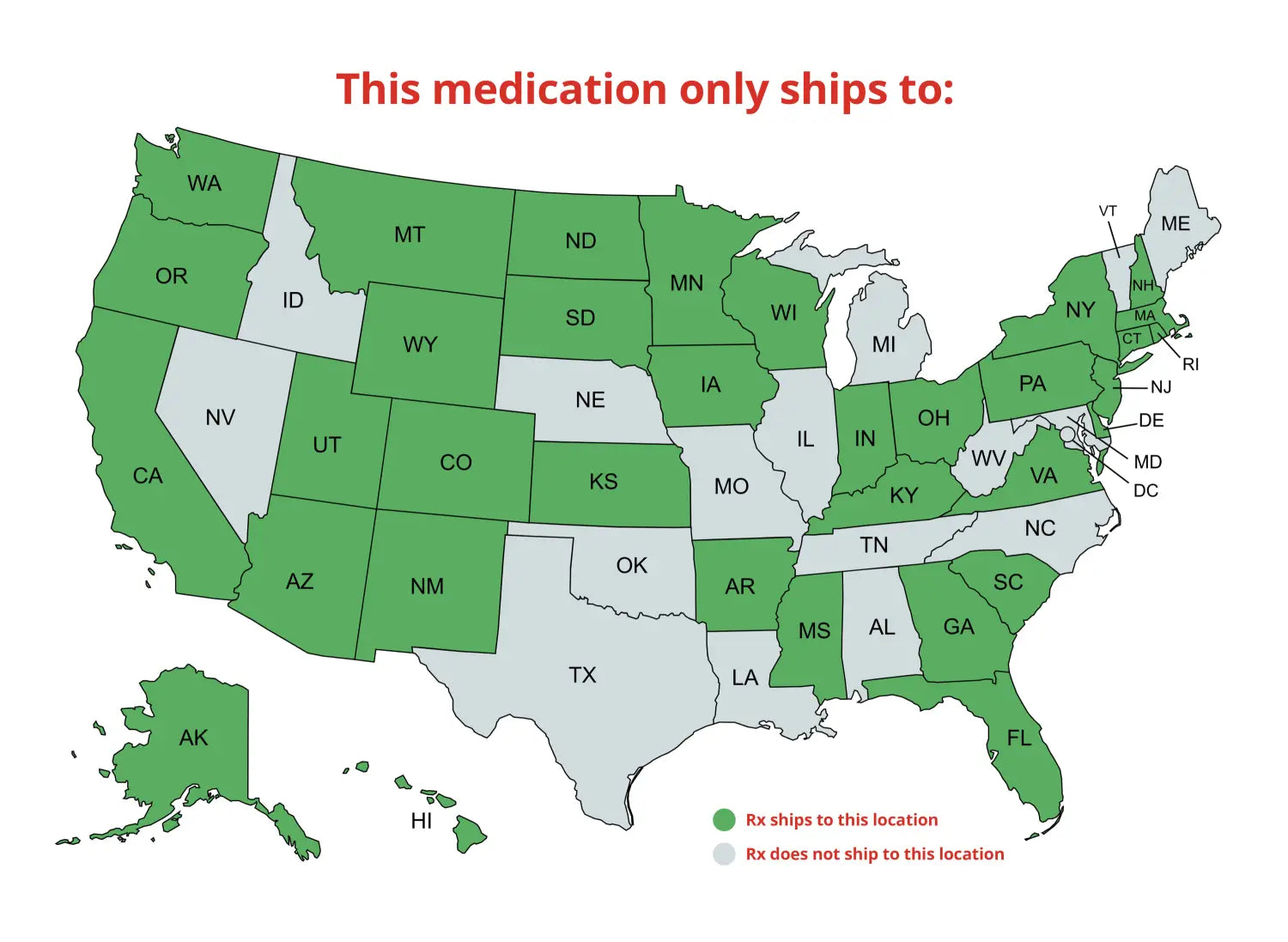
We offer ground, express, and priority delivery; see our shipping policy for details.
For return instructions or product concerns, please refer to our detailed refund policy.
Prescription items are NON-RETURNABLE and NON-REFUNDABLE.
Frequently Asked Questions
Q1: How does doxepin differ from other tricyclic antidepressants used in veterinary medicine?
Ans: Doxepin stands out among tricyclics because of its strong histamine-blocking ability, something amitriptyline does not offer at the same level. Vets find it especially useful when a pet's behavioral problems and skin irritation show up together and one medication needs to handle both.
Q2: Is doxepin safe for long-term use in dogs and cats?
Ans: Long-term use is possible under close veterinary supervision, with regular checks on heart function, blood pressure, and organ health recommended along the way. Older pets or those with existing health conditions need more frequent monitoring. The vet will set up a follow-up schedule that keeps the treatment safe and on track over time.
Q3: Can doxepin be used to treat acral lick dermatitis in dogs?
Ans: Yes, doxepin is used for acral lick dermatitis in dogs, a condition where a dog repeatedly licks one spot until the skin breaks down. Since both compulsive behavior and local irritation drive the condition, doxepin's ability to tackle both the behavioral and skin sides at once makes it a well-suited treatment option.
Q4: What should I do if my pet shows signs of doxepin overdose?
Ans: Deep sedation, collapse, poor appetite, abnormal bleeding, and seizures are all warning signs of overdose. Ventricular arrhythmias can develop quickly, making this a cardiac emergency. Get the pet to a vet or emergency animal hospital right away without waiting to see if the situation gets worse on its own.
Q5: Why should pets on doxepin not wear amitraz-containing flea collars?
Ans: Amitraz works as a monoamine oxidase inhibitor, and pairing it with a tricyclic antidepressant like doxepin can set off a serious and potentially fatal reaction. Always read the active ingredients on any flea or tick product before putting it on a pet taking doxepin, and check with the vet for a safer parasite prevention option.