


Product title
Vendor
$19.99 | $24.99
Product title
Vendor
$19.99 | $24.99
Product title
Vendor
$19.99 | $24.99
Product title
Vendor
$19.99 | $24.99
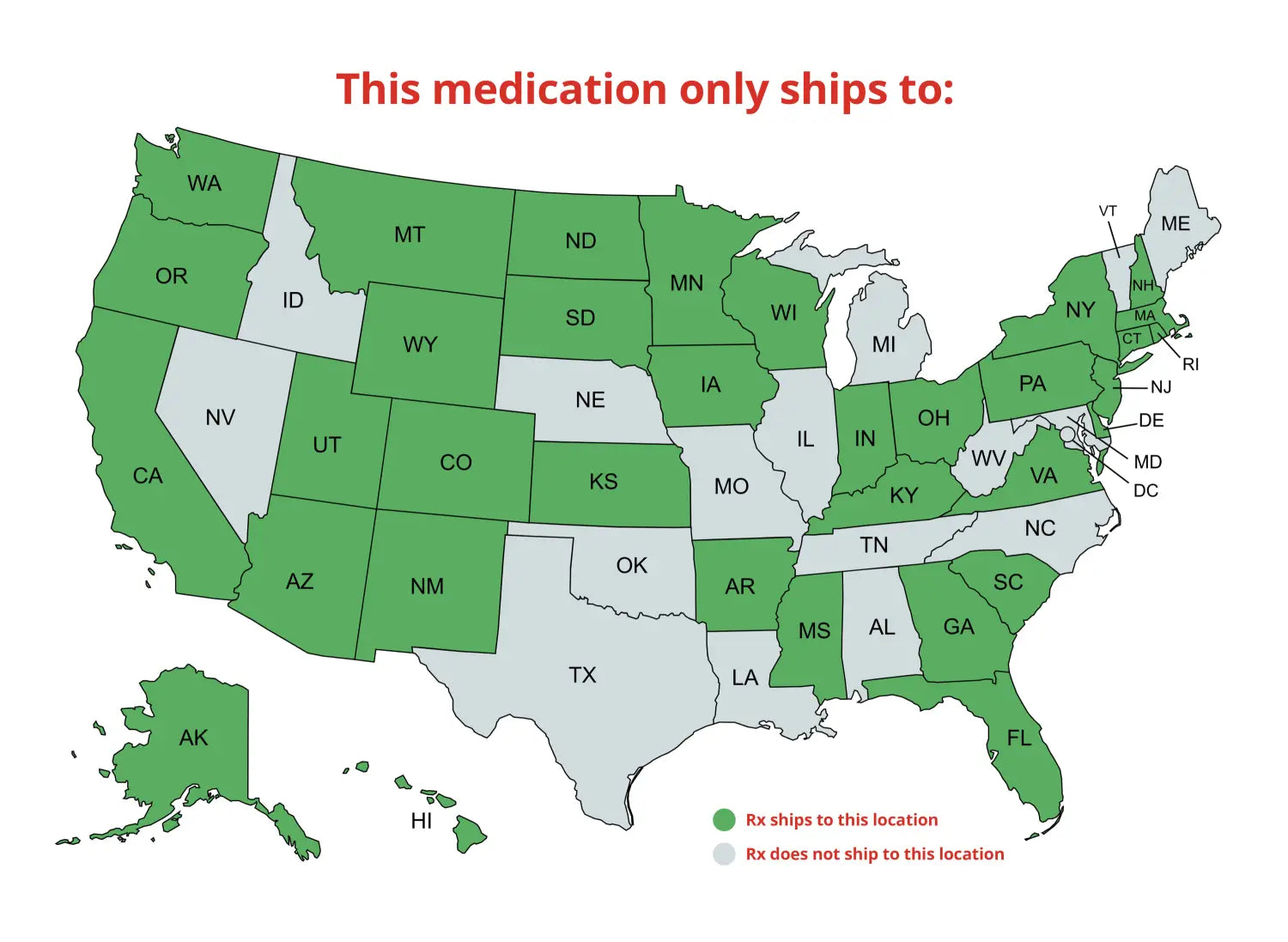
NOTICE: This item requires Express shipping due to the perishable nature of this product. Express orders are shipped Monday-Wednesday. Cannot be shipped to a PO Box.
Injectable H2 Blocker for Ulcers and Gastric Acid Control in Dogs and Cats
Product Description
Famotidine Injection 10mg/mL is a prescription H2 receptor antagonist administered intravenously or intramuscularly by veterinarians to rapidly suppress gastric acid production in hospitalized dogs and cats. It works by sitting on the histamine H2 receptors on the stomach's acid-secreting parietal cells, shutting down acid output and giving ulcers and inflamed gastrointestinal tissue the conditions they need to heal. It is used for gastric and intestinal ulcers, uremic gastritis from kidney failure, esophagitis, drug-induced erosive gastritis, and gastric reflux in critically ill or hospitalized pets.
Benefits
- Rapid Inpatient Acid Suppression: Gets acid under control faster than oral tablets in hospitalized or critically ill pets that cannot take medications by mouth.
- Gastric and Intestinal Ulcer Healing: Stops gastric acid from getting in the way of ulcer healing in dogs and cats with serious gastrointestinal conditions.
- Uremic Gastritis Management: Addresses stomach inflammation and excess acid production driven by kidney failure and circulating uremic toxins in dogs and cats.
- Drug-Induced Gastritis Protection: Shields the gastric mucosa in pets dealing with erosive gastritis caused by NSAIDs, steroids, or other stomach-irritating medications.
- Transition to Oral Therapy: Commonly used as a bridge during hospitalization before moving pets over to the oral tablet form for ongoing home management.
Ingredients
Active Ingredients
Famotidine 10mg/mL
How to Use
Famotidine Injection 10mg/mL is a prescription-only medication. A valid veterinarian prescription is required to purchase this product.
Please follow your veterinarian's specific instructions for the dosage and administration of this medication for your pet.
Disclaimer: Dosage and administration of this medication must be determined by a licensed veterinarian. Always consult your veterinarian before administering or adjusting any prescription medication for your pet.
Additional Information
Precautions
- Caution in Kidney Disease: Pets with kidney impairment need adjusted doses and careful management, as famotidine clears mainly through the kidneys.
- Caution in Liver Disease: Pets with liver disease need close monitoring, as partial hepatic metabolism can affect how quickly the drug is cleared during treatment.
- Caution in Pregnancy: Pregnant or nursing animals should only receive this medication when it is clearly necessary, as famotidine concentrates in breast milk and its full safety profile is not established.
- Known Allergy Contraindication: Pets with a known sensitivity or allergy to famotidine or related H2 receptor antagonist medications should not be given this injection.
- Inspect Before Use: Check the vial before every use and set it aside if the solution looks hazy, off in color, or has visible particles floating in it.
- Drug Interaction Risk: Famotidine can lower the absorption of digoxin, ketoconazole, itraconazole, and oral iron salts, so share a full medication list with the veterinarian before starting.
Possible Side Effects
- Dry Mouth and Skin Dryness: Some dryness of the mouth and skin is something dogs and cats occasionally experience on famotidine treatment.
- Diarrhea: Loose stools can come up during treatment but tend to be mild and sort themselves out without needing any change to the plan.
- Reduced Appetite and Lethargy: A temporary dip in appetite and mild tiredness have come up in some pets on famotidine and are worth keeping an eye on.
- Serious Allergic Reactions: Facial swelling, trouble breathing, hives, or collapse all point to a severe allergic reaction that needs immediate emergency veterinary care.
Storage Information
- Refrigerate at 36–46°F: Vials need a steady 2°C to 8°C to stay stable and uncontaminated between uses.
- If Frozen Allow to Thaw: If the solution freezes accidentally, bring it back to room temperature and make sure everything has fully dissolved before using it.
- Out of Reach: Keep this medication somewhere children and untreated animals in the home cannot get to it.
NOTE: For generic medications, the product image shown may not reflect the actual item received. Generic medications can vary in size, color, and shape between orders depending on the manufacturer. Additionally, your medication may arrive packaged in a HardyPaw Pharmacy vial.
Shipping & Return
We offer express delivery for this product; see our shipping policy for details.
For return instructions or product concerns, please refer to our detailed refund policy.
Prescription items are NON-RETURNABLE and NON-REFUNDABLE.
Frequently Asked Questions
Q1: Why would a veterinarian choose the famotidine injection over the oral tablet for a hospitalized pet?
Ans: The injectable form makes more sense for hospitalized or critically ill pets that are vomiting continuously, cannot swallow, or need faster and more dependable acid suppression than an oral tablet can deliver in an acute situation. Once the pet is stable enough to take medication by mouth, the transition to oral famotidine for home management typically follows.
Q2: What gastrointestinal conditions is famotidine injection used for in dogs and cats?
Ans: Famotidine injection covers gastric and intestinal ulcers, uremic gastritis from kidney failure, drug-induced or stress-related erosive gastritis, esophagitis, and gastroesophageal reflux in hospitalized pets. It delivers the same H2-blocking action as the oral version but gets to work faster and absorbs more reliably in animals that are clinically compromised.
Q3: How must famotidine injection be stored at home if prescribed for ongoing use?
Ans: This injection needs to stay refrigerated between 2°C and 8°C, which sits within the normal range of a standard household fridge. Leaving it out at room temperature for any length of time is not appropriate. If it freezes accidentally, letting it thaw fully at room temperature and checking that everything has dissolved before using it is important. Check with a veterinarian if there is any doubt about whether the solution is still good.
Q4: Can famotidine injection interact with other medications given to hospitalized pets?
Ans: Famotidine can affect how digoxin, ketoconazole, itraconazole, and oral iron salts are absorbed in the body. In a hospital setting, the veterinarian will go through the full medication list before adding famotidine to the plan. Making sure the team knows about everything the pet takes at home when it is admitted is an important step.
Q5: How does famotidine injection help pets in kidney failure?
Ans: In kidney failure, uremic toxins build up in the blood and drive excessive gastric acid production that can lead to ulceration, vomiting, and gastrointestinal bleeding. Famotidine injection steps in by blocking the H2-driven acid signals, which protects the stomach lining and helps bring vomiting down while the underlying kidney condition is being managed.