

Product title
$19.99 | $24.99
Product title
$19.99 | $24.99
Product title
$19.99 | $24.99
Product title
$19.99 | $24.99
Stomach Acid Reducer Tablets for Digestive Health in Dogs and Cats
Product Description
Famotidine 20mg Tablets are a prescription H2 receptor antagonist used by veterinarians to lower stomach acid production in dogs, cats, and small mammals. It works by latching onto histamine H2 receptors on the stomach's acid-secreting parietal cells, cutting off the signal that sets acid release in motion and bringing the gastric environment to a more neutral state. It is commonly prescribed for gastric and duodenal ulcers, esophagitis, acid reflux, and stomach inflammation linked to chronic kidney disease or stress, and is one of the safest and most reliably tolerated H2 blockers in veterinary practice.
Benefits
- Gastric Acid Control: Targets H2 receptors to significantly pull back stomach acid secretion and shield the gastric mucosa in dogs and cats.
- Ulcer Healing Support: Encourages healing of gastric and duodenal ulcers by dialing down the acidic environment that holds tissue recovery back.
- Esophagitis and Reflux Relief: Eases acid-related inflammation and discomfort in the esophagus driven by chronic acid reflux and regurgitation in pets.
- Kidney Disease Gastritis: Helps manage stomach irritation and acid overproduction tied to uremic gastropathy in dogs and cats with renal disease.
- Lowest Drug Interaction Risk: Of the H2 blockers used in veterinary medicine, famotidine carries the lightest drug interaction burden, making it a practical choice for pets already on multiple medications.
Ingredients
Active Ingredients
Famotidine
How to Use
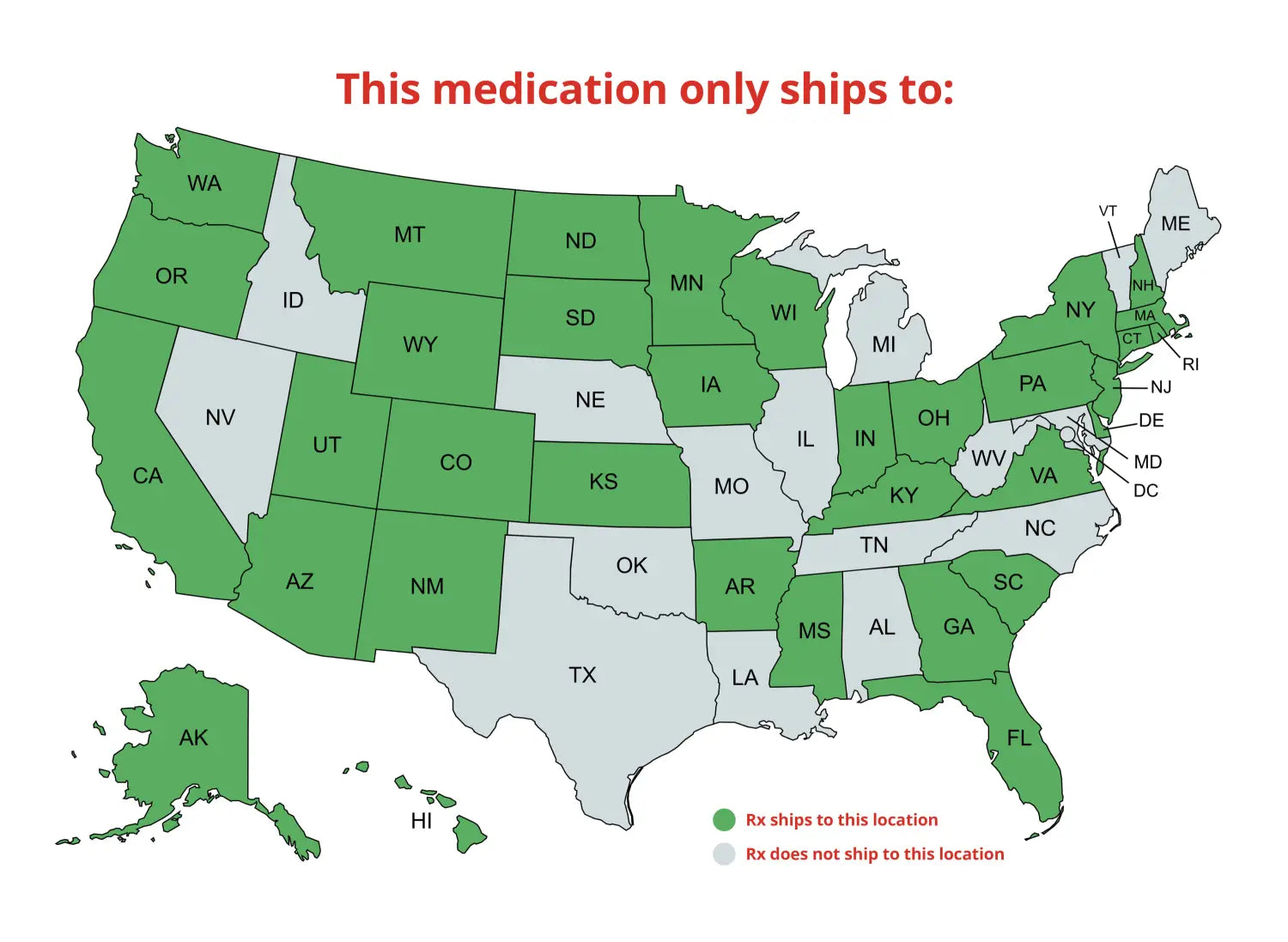
Famotidine 20mg Tablets are a prescription-only medication. A valid veterinarian prescription is required to purchase this product.
Please follow your veterinarian's specific instructions for the dosage and administration of this medication for your pet.
Disclaimer: Dosage and administration of this medication must be determined by a licensed veterinarian. Always consult your veterinarian before administering or adjusting any prescription medication for your pet.
Famotidine is best given before the first meal of the day, since having food in the stomach at the time of dosing can interfere with how well it gets absorbed. If stomach discomfort comes up without food, check with a veterinarian about whether a small amount alongside the tablet would help. Tucking the tablet into a soft pill pocket or pill wrap treat makes daily dosing much simpler for both you and your pet.
Shop Pill Pockets for Dogs | Shop Pill Pockets for Cats
Additional Information
Precautions
- Diminishing Effect Over Time: The acid-suppressing effect of famotidine can start fading after around 14 days of continuous use as the stomach adjusts and pushes acid output back up.
- Space Away From Antacids: Taking antacids too close to a famotidine dose can interfere with absorption, so space them at least two hours apart.
- Caution in Renal Disease: Pets with significant kidney disease may need a lower dose or longer dosing interval, as famotidine is mainly cleared through the kidneys.
- Caution in Liver Disease: Pets with liver impairment need extra care, as partial hepatic metabolism can shift drug levels during treatment.
- Known Allergy Caution: Pets with a known sensitivity or prior allergic reaction to famotidine or related H2 blocker medications should not receive this medication.
- Drug Interaction Risk: Share a full list of your pet's current medications, including ketoconazole, itraconazole, iron supplements, cephalosporins, and vitamin B-12 supplements, with your veterinarian before starting.
Possible Side Effects
- Dry Mouth and Dry Skin: Some dryness of the mouth or skin is something pets occasionally notice on famotidine and tends to be mild.
- Loose Stools or Diarrhea: Mild digestive changes including diarrhea can come up and tend to settle on their own without needing any intervention during treatment.
- Reduced Appetite and Lethargy: A short-lived dip in appetite or mild tiredness can show up in some pets, mainly at the start of treatment.
- Serious Allergic Reactions: Trouble breathing, facial swelling, hives, or collapse all point to a severe reaction needing immediate emergency veterinary care.
Storage Information
- Room Temperature: Tablets do best at room temperature inside a firmly closed container, kept away from heat and humidity.
- Away From Sunlight and Moisture: A dark, dry spot away from direct light and damp conditions is the right place to keep these tablets and protect their potency.
- Out of Reach: Keep this medication somewhere children and untreated animals in the home cannot get to it.
NOTE: For generic medications, the product image shown may not reflect the actual item received. Generic medications can vary in size, color, and shape between orders depending on the manufacturer. Additionally, your medication may arrive packaged in a HardyPaw Pharmacy vial.
Shipping & Return
We offer ground, express, and priority delivery; see our shipping policy for details.
For return instructions or product concerns, please refer to our detailed refund policy.
Prescription items are NON-RETURNABLE and NON-REFUNDABLE.
Frequently Asked Questions
Q1: Is famotidine available over the counter and why does the 20mg require a prescription from HardyPaw?
Ans: Lower-strength famotidine can be picked up over the counter at human pharmacies. The prescription-strength 20mg tablet at HardyPaw Pharmacy sits under veterinary prescription rules, which means a verified diagnosis and professional sign-off are required before it is dispensed to make sure the dose is appropriate for the specific pet.
Q2: How does famotidine help dogs with chronic kidney disease?
Ans: In chronic kidney disease, uremic toxins build up in the blood and stimulate excessive gastric acid production that leads to nausea, vomiting, and stomach ulcers. Famotidine pulls back on that acid overproduction, which eases gastrointestinal symptoms and helps dogs and cats dealing with kidney disease feel more comfortable and eat better.
Q3: Can famotidine be given alongside sucralfate in pets?
Ans: Famotidine and sucralfate are frequently paired as part of a combined gastrointestinal treatment plan for pets with serious ulcers. The two should be spaced at least two hours apart though, since sucralfate lays down a protective coating in the stomach that can latch onto famotidine and pull its absorption down if both are given at the same time.
Q4: Why might a veterinarian switch from famotidine to a proton pump inhibitor for long-term acid management?
Ans: Studies have found that famotidine's acid-reducing ability tends to fade somewhere around the two-week mark as the stomach gets used to it. Proton pump inhibitors like omeprazole or pantoprazole hold their acid-suppressing effect more reliably over time. Pets that need ongoing acid control are often transitioned to one of those options when long-term management becomes the goal.
Q5: Can famotidine be given to small mammals such as rabbits or guinea pigs?
Ans: Famotidine is used in small mammals including rabbits, guinea pigs, and ferrets for gastrointestinal acid-related conditions under veterinary supervision. Dosing works quite differently in these species compared to dogs and cats. Checking with a veterinarian who has experience with exotic animals before giving famotidine to any small mammal is important.