

Product title
$19.99 | $24.99
Product title
$19.99 | $24.99
Product title
$19.99 | $24.99
Product title
$19.99 | $24.99
Glipizide Tablets for Type II Diabetes in Cats
Product Description
Cats diagnosed with type II diabetes can benefit from Glipizide 10 mg Tablets, a prescription-only sulfonylurea that nudges the pancreas into producing insulin while making body tissues more receptive to it. It steps in as a tablet-based solution when giving injections is not a realistic choice, and must always be used alongside a suitable diet and ongoing vet oversight. Vets prescribe it off-label for cats only.
Benefits
- Lowers Blood Glucose: Triggers insulin release from pancreatic beta cells, pulling blood glucose back to a safer range in diabetic cats.
- Oral Diabetes Treatment: A tablet-based alternative for cats with type II diabetes when insulin injections are simply not a workable option.
- Improves Insulin Sensitivity: Enhances how well body tissues take up insulin and helps bring down basal glucose output from the live
- r.
- Supports Dietary Management: Pairs best with a low-carbohydrate diet to achieve effective blood sugar control in cats responding to this treatment.
- Rapid Clinical Action: This product begins affecting blood glucose and insulin levels in cats within about 15 minutes of each dose.
Ingredients
Active Ingredient
| Ingredient | Strength per Tablet |
| Glipizide (Active) | 10 mg |
How to Use
Dosage & Administration Instructions
Glipizide 10 mg Tablets are a prescription-only medication. A valid veterinarian prescription is required to purchase this product.
Please follow your veterinarian's instructions carefully for the dosage and administration of this medication.
Disclaimer: Dosage and administration of this medication must be determined by a licensed veterinarian. Always consult your veterinarian before administering or adjusting any prescription medication for your pet.
Tucking a tablet inside a soft Pill Pocket or wrapping it in a small piece of your cat's favorite treat is a simple and caring way to make each dose easier for both of you. A pill pocket treat takes the stress out of medicating your cat and helps ensure no dose is missed. Shop Pill Pockets for Cats
Additional Information
Precautions
- Cats Only: Never give to dogs; diabetic dogs need insulin and oral hypoglycemic drugs have no meaningful effect on them.
- Absolute Insulin Deficiency: Cannot be used in cats with absolute insulin deficiency, diabetic ketoacidosis, or coma as functional beta cells are needed.
- Serious Illness Caution: Contraindicated in cats with severe burns, active infection, ketosis, acidosis, or those scheduled for major surgical procedures.
- Liver or Kidney Disease: Liver or kidney disease in cats increases hypoglycemia risk with this product; treat these animals with extra caution.
- Concurrent Health Conditions: Use carefully in cats with thyroid disease, adrenal insufficiency, chronic vomiting, high fever, or severe malnutrition during treatment.
- Pancreatic Deterioration Risk: Long-term use risks worsening pancreatic decline; most vets reserve this product only for when insulin cannot be administered.
- Sulfonamide Allergy: Do not use in cats allergic to sulfonamides; this product falls within the sulfonylurea medication class.
- Drug Interactions: Corticosteroids, thyroid supplements, and phenothiazine antihistamines may all reduce how effectively this product lowers blood glucose in treated cats.
- Monitoring Required: Staying on top of blood glucose, urinalysis, and kidney readings throughout treatment is the best way to gauge progress and catch any red flags.
- Prescription Only: Without FDA veterinary approval, this product relies entirely on a licensed veterinarian's direct order before it can be dispensed to a patient.
Possible Side Effects
- Hypoglycemia Risk: Seen in about 15% of cats; apply Karo Syrup to the gums and contact your vet without delay.
- Vomiting and Nausea: Stomach upset including nausea and vomiting can occur; giving this product with food every time reduces these effects.
- Loss of Appetite: Reduced appetite or food refusal needs immediate veterinary attention, as it poses serious risks for cats with diabetes.
- Jaundice Development: If yellowing of skin, eyes, or mucous membranes appears, stop this product immediately and contact your veterinarian promptly.
- Elevated Liver Enzymes: Raised ALT levels have been recorded in some cats; routine liver function monitoring throughout treatment is therefore necessary.
- Allergic Reactions: Hives, facial swelling, or breathing trouble may indicate a serious reaction; seek emergency veterinary care immediately if these develop.
Storage Information
- Room Temperature Storage: Keep in a sealed container between 68°F (20°C) & 77°F (25°C), away from light and excess moisture.
- Protect from Light: Keep in a sealed container away from direct light and damp conditions to maintain tablet quality and stability.
- Keep Away from Pets: Store in a locked or secure location that children and other animals cannot reach under any circumstances.
NOTE: For generic medications, the product image shown may not reflect the actual item received. Generic medications can vary in size, color, and shape between orders depending on the manufacturer. Additionally, your medication may arrive packaged in a HardyPaw Pharmacy vial.
Shipping & Return
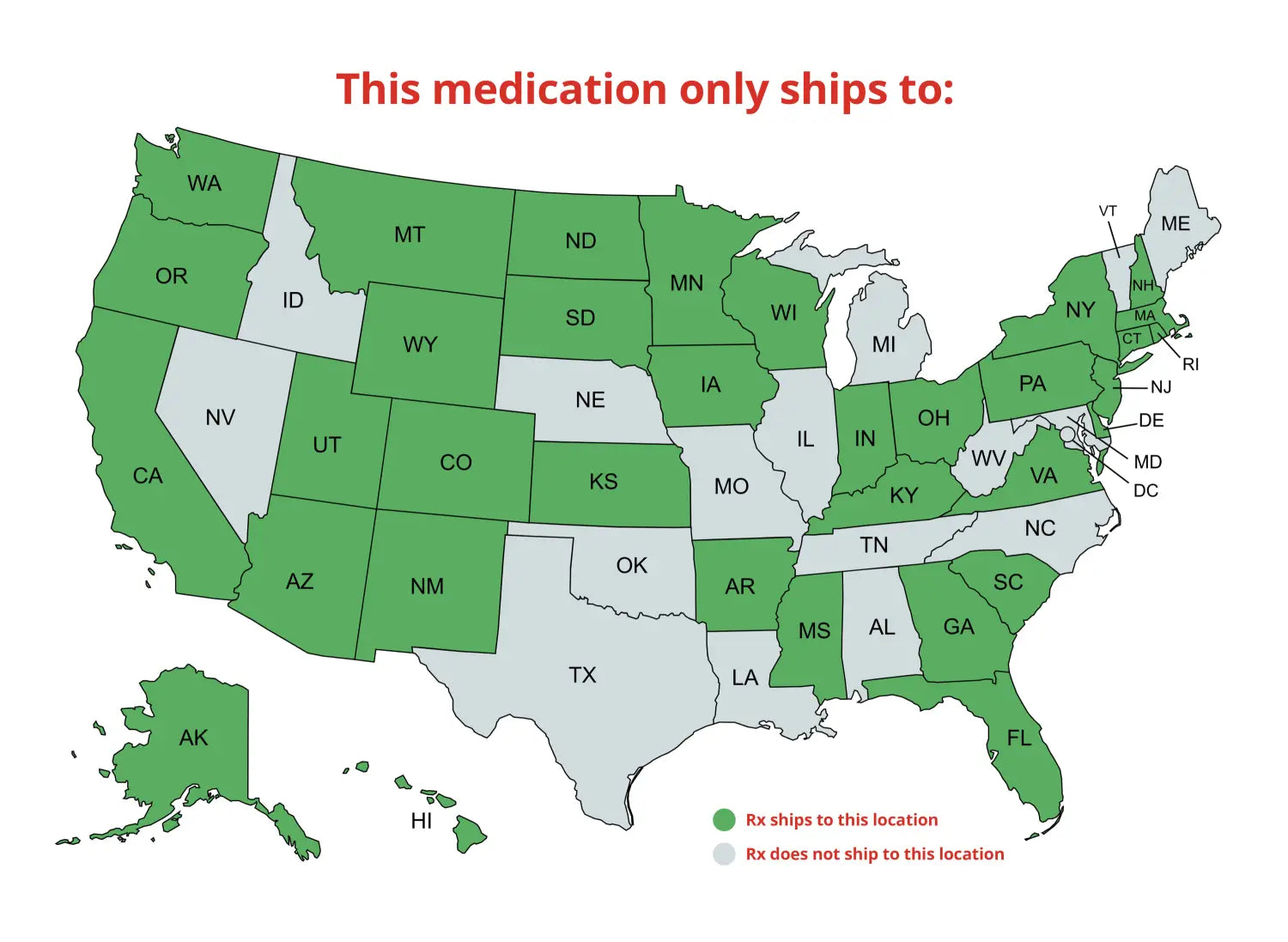
We offer ground, express, and priority delivery; see our shipping policy for details.
For return instructions or product concerns, please refer to our detailed refund policy.
Prescription items are NON-RETURNABLE and NON-REFUNDABLE.
Frequently Asked Questions
Q1: What is Glipizide used for in cats?
Ans: Glipizide is used off-label in cats to manage type II non-insulin-dependent diabetes. Insulin output from the pancreas goes up while peripheral tissues grow better at putting it to use. It suits cats where injections are not workable and must be combined with diet changes and regular monitoring.
Q2: Can Glipizide be given to dogs?
Ans: No, glipizide is strictly for cats and must never be given to dogs. Diabetic dogs have non-functioning beta cells and depend entirely on insulin; oral hypoglycemic medications have no meaningful effect on them and insulin injection remains the only viable treatment.
Q3: What if my cat shows low blood sugar signs on Glipizide?
Ans: Low blood sugar affects about 15% of cats on this product. If your cat seems weak, shaky, or has a fast heart rate, rub a small amount of Karo Syrup on the gums and call your vet straight away.
Q4: Why must Glipizide be given with food?
Ans: Since this product triggers insulin release from the pancreas, food must always be on board to stop blood sugar from dropping too low. Giving it without food raises hypoglycemia and nausea risk. Appetite loss in a diabetic cat needs immediate vet attention.
Q5: Do I need a prescription for Glipizide for my cat?
Ans: Yes, a valid veterinarian prescription must be in place before this product can be bought or given to your cat. Regular blood glucose, kidney function, and liver checks throughout treatment are also an essential part of safe ongoing management.