

Product title
$19.99 | $24.99
Product title
$19.99 | $24.99
Product title
$19.99 | $24.99
Product title
$19.99 | $24.99
Glipizide Tablets for Feline Diabetes Blood Sugar Control
Product Description
Cats diagnosed with type II diabetes can benefit from Glipizide 5 mg Tablets, a prescription-only oral sulfonylurea that nudges the pancreas into producing more natural insulin to support healthier glucose levels over time. The 5 mg strength is a widely used starting dose that fits best alongside a low-carbohydrate diet and regular veterinary monitoring throughout the full course of treatment.
Benefits
- Stimulates Insulin Production: Pushes the pancreas to generate more insulin, helping bring blood sugar to a healthier level in diabetic cats.
- Starting-Dose Strength: Commonly prescribed as a first step, letting veterinarians watch how a cat responds before making any dosing changes.
- Avoids Daily Injections: A workable oral alternative for owners who find daily insulin injections too difficult to carry out at home.
- Reduces Hepatic Glucose: Lowers excess glucose output from the liver, helping produce more stable blood sugar readings in cats during treatment.
- Supports Long-Term Management: Diet changes and regular monitoring alongside this product support reliable day-to-day diabetes management in cats over time.
Ingredients
Active Ingredient
| Ingredient | Strength per Tablet |
| Glipizide (Active) | 5 mg |
How to Use
Dosage & Administration Instructions
Glipizide 5 mg Tablets are a prescription-only medication. A valid veterinarian prescription is required to purchase this product.
Please follow your veterinarian's instructions carefully for the dosage and administration of this medication.
Disclaimer: Dosage and administration of this medication must be determined by a licensed veterinarian. Always consult your veterinarian before administering or adjusting any prescription medication for your pet.
Tucking a tablet inside a soft Pill Pocket or wrapping it in a small piece of your cat's favorite treat is a simple and caring way to make each dose easier for both of you. A pill pocket treat takes the stress out of medicating your cat and helps ensure no dose is missed. Shop Pill Pockets for Cats
Additional Information
Precautions
- Not for Dogs: Dogs with diabetes rely on insulin to survive; this product does nothing for them and should never find its way into a canine's treatment plan.
- Diabetic Ketoacidosis: Cats in ketoacidosis, acidosis, or diabetic coma need insulin right away; this product is not the right choice in these situations.
- Pregnancy and Lactation: Pregnant and nursing cats should not take this product, as no one has confirmed it is safe during these stages of life.
- Liver or Kidney Disease: Cats whose liver or kidneys are not working well may hold onto this product longer than expected, raising their chances of low blood sugar.
- Thyroid and Hormonal Issues: Extra caution is needed in cats with thyroid disease or adrenal and pituitary conditions affecting blood sugar regulation.
- Worsens Pancreatic Damage: May accelerate beta cell decline; most vets reserve this product for cases where insulin simply cannot be administered.
- Sulfa Drug Allergy: Avoid in cats with sulfa drug allergies, as this product belongs to the closely related sulfonylurea medication class.
- Drug Interactions: Aspirin, NSAIDs, sulfa drugs, beta blockers, MAOIs, and steroids may all interact with this product in cats on treatment.
- Surgery Notification: Always let your veterinarian know this product is being used before any surgical procedure is planned or carried out.
- Prescription Only: Not FDA-approved for veterinary use; a licensed veterinarian must directly order this product before it can be dispensed.
Possible Side Effects
- Hypoglycemia Risk: Seen in roughly 15% of cats; rub Karo Syrup onto the gums and reach your vet without delay.
- Vomiting After Dosing: Around 15% of cats vomit early on but this reaction usually fades within the opening days of treatment.
- Inappetence Warning: Appetite loss poses a serious risk in diabetic cats; contact your veterinarian immediately if your cat stops eating.
- Liver Toxicity Signs: Yellowing, depression, and vomiting may signal liver toxicity; stop this product immediately and contact your veterinarian without delay.
- Bone Marrow Suppression: Uncommon but possible; pale gums, anaemia, bruising, or frequent infections may indicate bone marrow suppression in treated cats.
- Allergic Reactions: Hives, facial swelling, breathing difficulty, or shock all demand emergency veterinary care and immediate stopping of this product.
Storage Information
- Room Temperature Storage: These tablets do best in a sealed container kept at room temperature, away from heat, light, and moisture.
- Keep Container Sealed: Always keep the lid firmly in place between uses to prevent moisture or air from degrading these tablets.
- Out of Reach: Keep in a secure location that children and other household animals cannot access to prevent any accidental ingestion.
NOTE: For generic medications, the product image shown may not reflect the actual item received. Generic medications can vary in size, color, and shape between orders depending on the manufacturer. Additionally, your medication may arrive packaged in a HardyPaw Pharmacy vial.
Shipping & Return
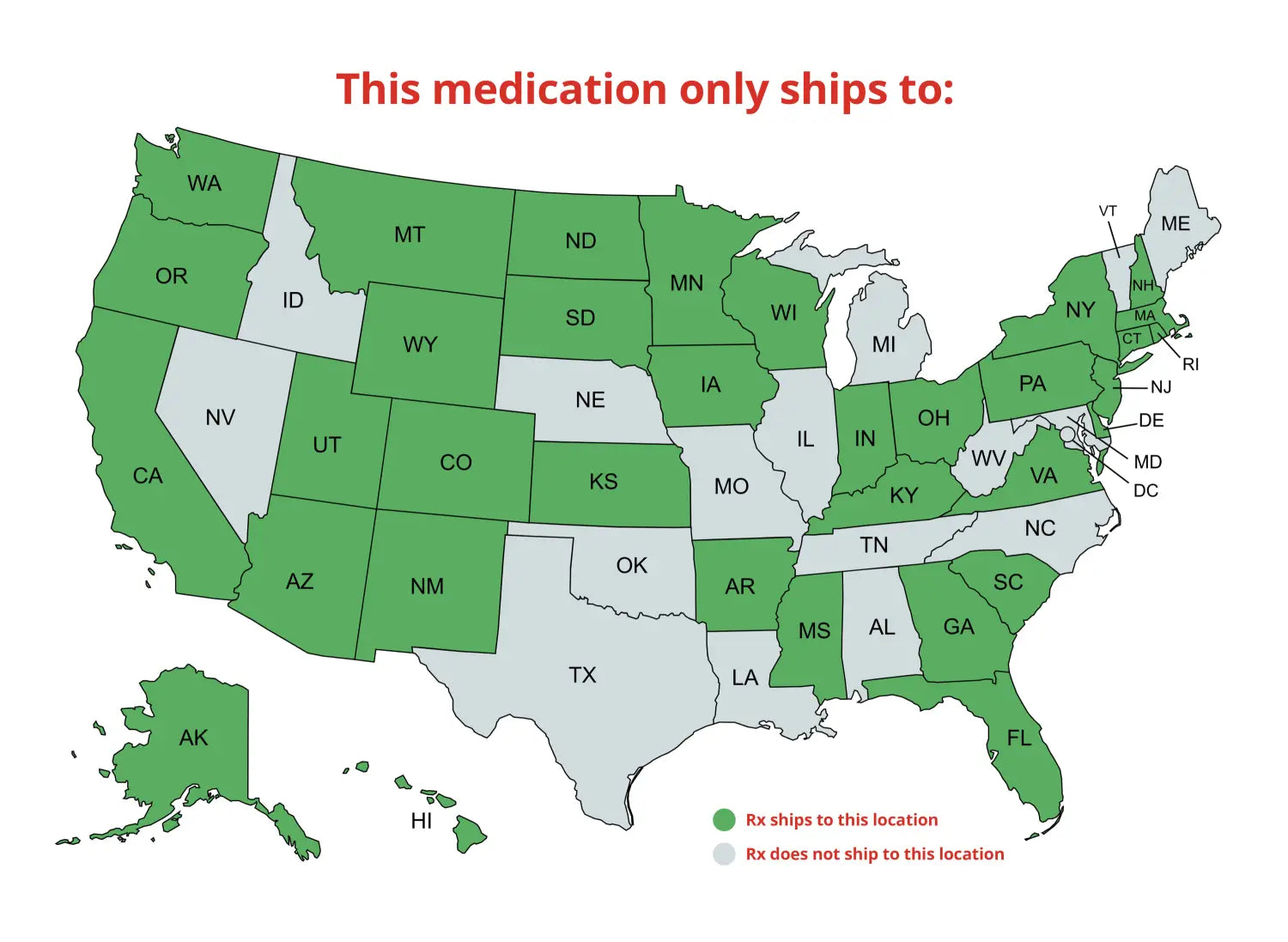
We offer ground, express, and priority delivery; see our shipping policy for details.
For return instructions or product concerns, please refer to our detailed refund policy.
Prescription items are NON-RETURNABLE and NON-REFUNDABLE.
Frequently Asked Questions
Q1: Is Glipizide 5 mg a good starting dose for diabetic cats?
Ans: The 5 mg strength is a widely used starting point for cats with type II diabetes, giving vets room to watch how the cat responds before adjusting the dose. The right starting amount and any changes must always be guided by a veterinarian.
Q2: How long does Glipizide take to work in cats?
Ans: Full effects in cats can take four to eight weeks to show. Blood sugar checks during the opening month are essential to gauge response. If levels do not improve adequately, a switch to injectable insulin may be recommended by your veterinarian.
Q3: Can Glipizide cure diabetes in my cat?
Ans: No, this product manages blood sugar rather than curing the condition. It works best alongside a low-carbohydrate diet and regular monitoring. Some cats may eventually stop responding, at which point insulin therapy will be needed going forward.
Q4: What should I watch for at home while my cat takes Glipizide?
Ans: Watch for weakness, shakiness, or drowsiness pointing to low blood sugar, and yellowing or appetite loss suggesting liver trouble. Report any changes to your vet without delay. Weekly weigh-ins and blood sugar readings are usually recommended throughout the first month of treatment.
Q5: Does my cat need regular check-ups while on Glipizide?
Ans: Yes. Weekly physical exams during the opening month typically cover weight, blood sugar, and urine glucose. Ongoing blood tests and urinalysis are also needed throughout treatment to confirm this product continues to work safely and effectively for your cat.