

Product title
$19.99 | $24.99
Product title
$19.99 | $24.99
Product title
$19.99 | $24.99
Product title
$19.99 | $24.99
Dual-Action Blood Pressure Support Tablet for Dogs and Cats
Product Description
Lisinopril 20 mg and Hydrochlorothiazide 12.5 mg Tablets pair two off-label generics in one prescription tablet for managing high blood pressure in dogs and cats. Lisinopril opens and relaxes blood vessels while Hydrochlorothiazide helps the kidneys clear excess fluid and salt, together delivering a dual approach to cardiovascular health under veterinary supervision.
Benefits
- Dual Blood Pressure Control: Goes after both vessel constriction and fluid retention together, providing thorough blood pressure management for dogs and cats.
- Blood Vessel Relaxation: Blocks the vessel-constricting enzyme to keep blood vessels open, allowing freer blood flow throughout the cardiovascular system in pets.
- Fluid and Salt Removal: Hydrochlorothiazide flushes excess water and sodium out through the kidneys, cutting the fluid load on the cardiovascular system.
- Heart Failure Support: Lisinopril paired with diuretics has demonstrated improved quality of life in dogs managing congestive heart failure over time.
- Kidney Health Support: Reduces pressure within the kidneys in some pets, potentially supporting better renal perfusion in certain kidney disease types.
- FDA-Approved Generic Components: Both lisinopril and hydrochlorothiazide are individually FDA-approved generics widely used off-label in veterinary practice for pets.
Ingredients
Active Ingredients
Lisinopril, Hydrochlorothiazide
How to Use
Dosage & Administration Instructions
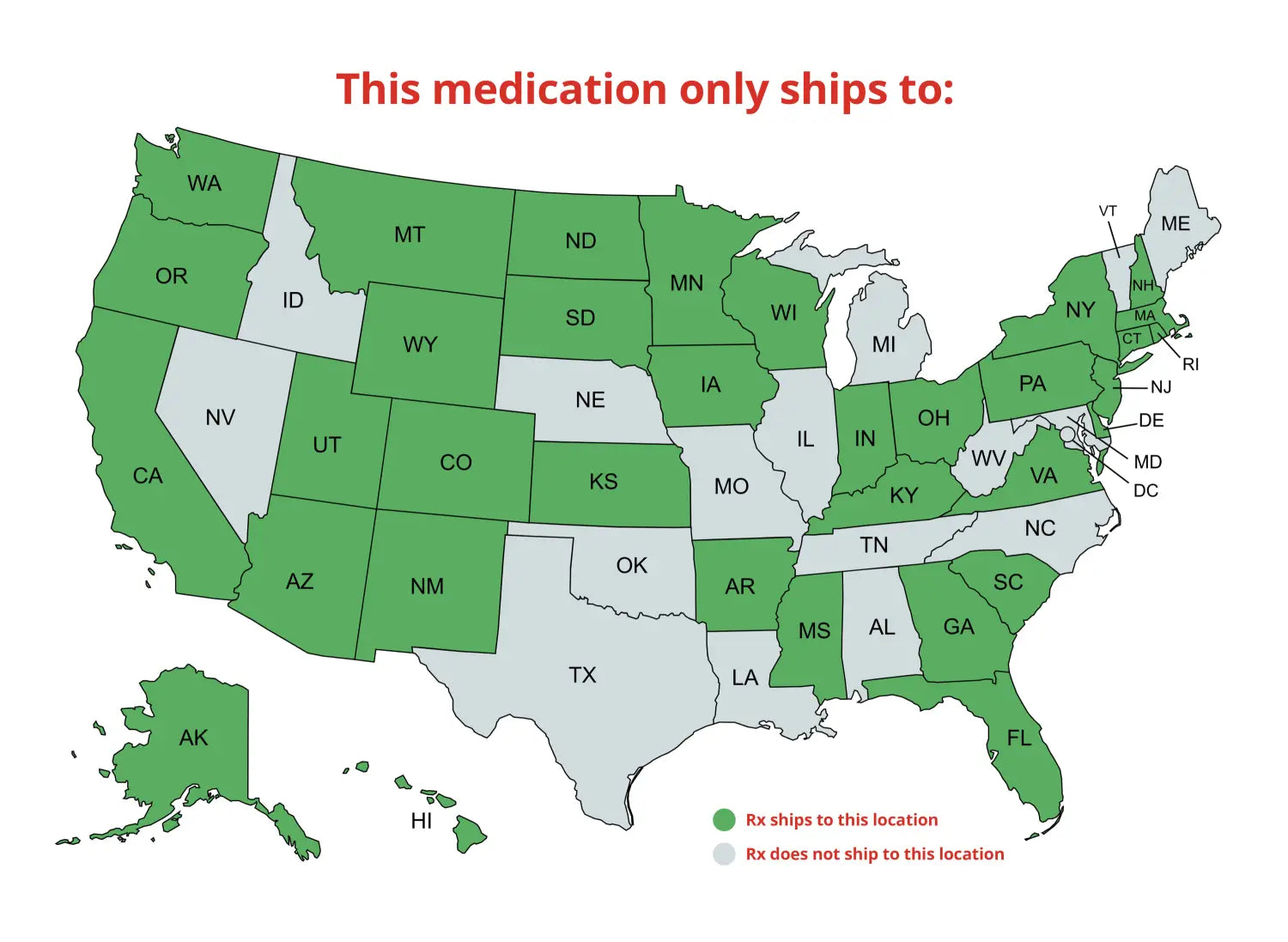
Lisinopril 20 mg and Hydrochlorothiazide 12.5 mg Tablets are a prescription-only medication. A valid prescription from a licensed veterinarian is required before this product can be purchased or dispensed. Always follow your veterinarian's specific guidance on giving this medication to your pet and make sure fresh water is available at all times throughout treatment.
Disclaimer: Dosage and administration of this medication must be determined by a licensed veterinarian. Always consult your veterinarian before administering or adjusting any prescription medication for your pet.
If getting your pet to take a tablet is a challenge, a pill pocket or pill wrap can be a real game-changer. Simply wrap the tablet in a soft treat and offer it as you normally would — most pets accept it without any fuss, making the whole process quick and stress-free for both of you. Shop Pill Pockets for Dogs | Shop Pill Pockets for Cats
Additional Information
Precautions
- ACE Inhibitor Allergy: Avoid in pets with a known reaction to lisinopril, benazepril, enalapril, or any other ACE inhibitor medication.
- Kidney Disease Caution: Both ingredients affect renal function; pets with existing kidney disease need careful veterinary assessment before this product is started.
- Not for Pregnant or Breeding Pets: Fetal defect risk makes lisinopril off-limits in pregnant animals; hydrochlorothiazide also carries a relative contraindication during pregnancy.
- Drug Interactions: NSAIDs, insulin, digoxin, potassium supplements, and other blood pressure drugs interact with this combination; keep your vet fully informed.
- Sulfa Allergy Warning: A sulfonamide-related drug; avoid in pets with sulfa allergies unless the benefit genuinely and clearly outweighs the potential risks.
- Regular Monitoring Required: Blood pressure checks and bloodwork covering electrolytes and kidney values are needed periodically to confirm safe and effective treatment.
Possible Side Effects
- Vomiting and Diarrhoea: Vomiting and loose stools are among the most frequently reported reactions from lisinopril use in dogs and cats.
- Increased Urination: Hydrochlorothiazide increases urination, which may make some pets restless; ensure frequent outdoor access or litter tray availability throughout treatment.
- Low Blood Pressure: Both drugs together can bring on hypotension; watch for weakness or collapse, especially in pets that become dehydrated.
- Electrolyte Imbalances: Potassium and chloride may drop; muscle weakness, fatigue, or abnormal heart rhythm signal an electrolyte problem in treated pets.
- Excessive Thirst: A sudden jump in water intake may signal an electrolyte or kidney imbalance; contact your vet promptly.
- Allergic Reaction Signs: Rash, fever, breathing trouble, or facial swelling call for stopping this product at once and contacting your vet.
Storage Information
- Room Temperature Storage: Keep at room temperature away from heat and direct light to preserve the stability of both active ingredients.
- Protect from Moisture: A tightly sealed container in a dry location stops humidity from degrading these tablets throughout their shelf life.
- Store Safely Out of Reach: Keep away from other animals and children; accidental ingestion of either component can bring on serious health consequences.
NOTE: For generic medications, the product image shown may not reflect the actual item received. Generic medications can vary in size, color, and shape between orders depending on the manufacturer. Additionally, your medication may arrive packaged in a HardyPaw Pharmacy vial.
Shipping & Return
We offer ground, express, and priority delivery; see our shipping policy for details.
For return instructions or product concerns, please refer to our detailed refund policy.
Prescription items are NON-RETURNABLE and NON-REFUNDABLE.
Frequently Asked Questions
Q1: What conditions are lisinopril and hydrochlorothiazide used for together in pets?
Ans: Used off-label in dogs and cats for high blood pressure and heart failure, lisinopril opens blood vessels by blocking a constricting enzyme while hydrochlorothiazide reduces fluid load through the kidneys. Together they deliver more comprehensive blood pressure control for affected pets.
Q2: Can lisinopril and hydrochlorothiazide cause kidney problems in dogs or cats?
Ans: Both medications can affect kidney function, particularly in pets with existing renal disease. Kidney health is assessed before starting, and periodic blood and urine testing throughout treatment keeps kidney values and overall renal safety under close watch.
Q3: What should I do if my pet drinks a lot more water while on this medication?
Ans: Drinking more than usual can signal an electrolyte imbalance or early kidney stress from hydrochlorothiazide. Contact your vet promptly if water intake increases noticeably, as a dose adjustment or additional monitoring may be needed to keep your pet safe.
Q4: Are there any medications my pet should not take alongside this combination?
Ans: Yes. NSAIDs, insulin, potassium supplements, digoxin, other diuretics, and additional blood pressure drugs all have the potential to interact with this combination. Give your vet a full and current list of every product your pet is on before starting treatment.
Q5: Is this combination tablet safe for cats as well as dogs?
Ans: Yes, both lisinopril and hydrochlorothiazide are used off-label in dogs and cats under vet supervision. Neither carries veterinary FDA approval, so a valid prescription and close monitoring throughout treatment are both essential before giving this combination to any pet.