

Product title
$19.99 | $24.99
Product title
$19.99 | $24.99
Product title
$19.99 | $24.99
Product title
$19.99 | $24.99
Adrenal Cytotoxic Oral Tablet for Adrenal Cortical Carcinoma
Product Description
Lysodren (Mitotane) Tablets 500 mg is an FDA-approved prescription adrenal cytotoxic agent — each scored white tablet contains 500 mg mitotane along with inactive ingredients microcrystalline cellulose, polyethylene glycol 3350, silicon dioxide, and starch. The FDA-approved label covers treatment of inoperable functional or nonfunctional adrenocortical carcinoma in humans. In veterinary medicine, it is commonly used off-label in dogs to manage pituitary-dependent hyperadrenocorticism (Cushing's disease) and adrenal gland carcinoma. It works by directly suppressing adrenal cortex activity and modifying peripheral steroid metabolism, reducing cortisol overproduction. Supplied in bottles of 100 tablets; manufacturer may vary.
Benefits
- Adrenal Cortex Suppression: Directly suppresses adrenal cortex tissue, reducing cortisol production in both functional and nonfunctional adrenocortical carcinoma.
- Modifies Peripheral Steroid Metabolism: Alters the peripheral metabolism of steroids, causing increased formation of 6-β-hydroxycortisol and reducing 17-hydroxycorticosteroids.
- Canine Cushing's Disease Management (Off-Label): Destroys the cortisol-producing layers of the adrenal gland in dogs, reducing excess cortisol linked to pituitary-dependent hyperadrenocorticism.
- Scored Tablet for Dose Flexibility: Each 500 mg tablet is scored to allow splitting when dose adjustments are needed during the initiating or maintenance phase of therapy.
- Two-Phase Canine Treatment Protocol: Veterinary use follows an initiating phase that arrests disease progression, followed by a maintenance phase using the minimum effective dose.
Ingredients
Active Ingredients
Mitotane: 500 mg per tablet.
Inactive Ingredients
Microcrystalline cellulose, polyethylene glycol 3350, silicon dioxide, starch.
How to Use
Dosage and Administration Instructions
- Prescription Required: Federal law restricts Lysodren to use by or on the order of a licensed veterinarian; never use without veterinary supervision.
- Off-Label Canine Use: Lysodren is used off-label in dogs; dosing schedules are determined entirely by the prescribing veterinarian based on the dog's weight and condition.
- Initiating Phase (Dogs): Veterinarians typically start at a higher daily dose given in divided doses with food until the disease is arrested and hormone levels normalize.
- Maintenance Phase (Dogs): The dose is then stepped down gradually to the lowest amount that keeps the condition controlled, adjusted through regular monitoring.
- Give with High-Fat Food: Administering Lysodren alongside a high-fat meal or treat significantly improves mitotane absorption in dogs.
- Divided Daily Doses: Whether in the initiating or maintenance phase, the total daily amount is split into multiple doses given at evenly spaced intervals throughout the day.
- Never Self-Adjust the Dose: Dogs respond individually to mitotane; never increase, decrease, or stop dosing without direction from the veterinarian overseeing the treatment.
- Regular Veterinary Monitoring: Frequent follow-up visits, bloodwork, and clinical assessments are essential throughout treatment to confirm the dog is on the right dose.
Disclaimer: This dosage information is provided by the manufacturer. Always consult your veterinarian before administering or adjusting any supplement for your pet.
Additional Information
Precautions
- Adrenal Crisis Risk in Shock or Trauma: Temporarily stop Lysodren if the dog experiences shock, severe trauma, or serious infection; administer systemic steroids until recovery.
- Steroid Replacement May Be Needed: A substantial number of treated patients develop signs of adrenal insufficiency; steroid replacement therapy is sometimes given alongside Lysodren.
- Avoid Concurrent Spironolactone: Spironolactone is contraindicated with Lysodren, as it may block the drug's adrenal suppressive effects.
- Avoid Concurrent Warfarin: Lysodren alters the metabolism of anticoagulants; concurrent warfarin use must be avoided or closely managed with adjusted dosing.
- CNS Toxicity at High Plasma Levels: Mitotane plasma levels above 20 mg/L are associated with significantly higher rates of central nervous system toxicity; regular monitoring is essential.
- Prolonged Bleeding Time: Prolonged bleeding time has been reported in patients receiving Lysodren; inform the veterinarian of any bleeding concerns during treatment.
- Embryo-Fetal Toxicity: Lysodren can cause serious fetal harm; do not use in pregnant animals or allow handling by pregnant women without appropriate protective equipment.
- Handler Safety — Wear Gloves: Handlers should wear gloves every time they touch Lysodren tablets; skin contact with mitotane carries absorption risk due to its lipophilic nature.
Possible Side Effects
- Lethargy and Sedation: Tiredness and sedation are among the most commonly observed effects, particularly when plasma levels are climbing during the initiating phase.
- Digestive Upset: Nausea, vomiting, diarrhea, and anorexia are reported frequently; giving Lysodren with a high-fat meal can help reduce gastrointestinal side effects in dogs.
- Adrenal Insufficiency: Lysodren can suppress the adrenal gland excessively; signs include weakness, vomiting, and collapse requiring immediate veterinary attention and steroid replacement.
- Neurological Signs: Vertigo, dizziness, and cognitive changes including memory impairment have been reported; toxic levels above 20 mg/L significantly raise the risk of these effects.
- Ovarian Macrocysts (Females): Lysodren can cause non-malignant multiple bilateral ovarian macrocysts; regular monitoring is recommended for intact females on long-term therapy.
Storage Information
- Controlled Room Temperature: Store at 20-25°C (68-77°F); keep away from moisture and direct light, which can degrade the tablets over time.
- Keep Out of Reach: Store in a locked location away from children and all pets; mitotane is a cytotoxic agent that must never be accessible to children or other animals.
Shipping & Return
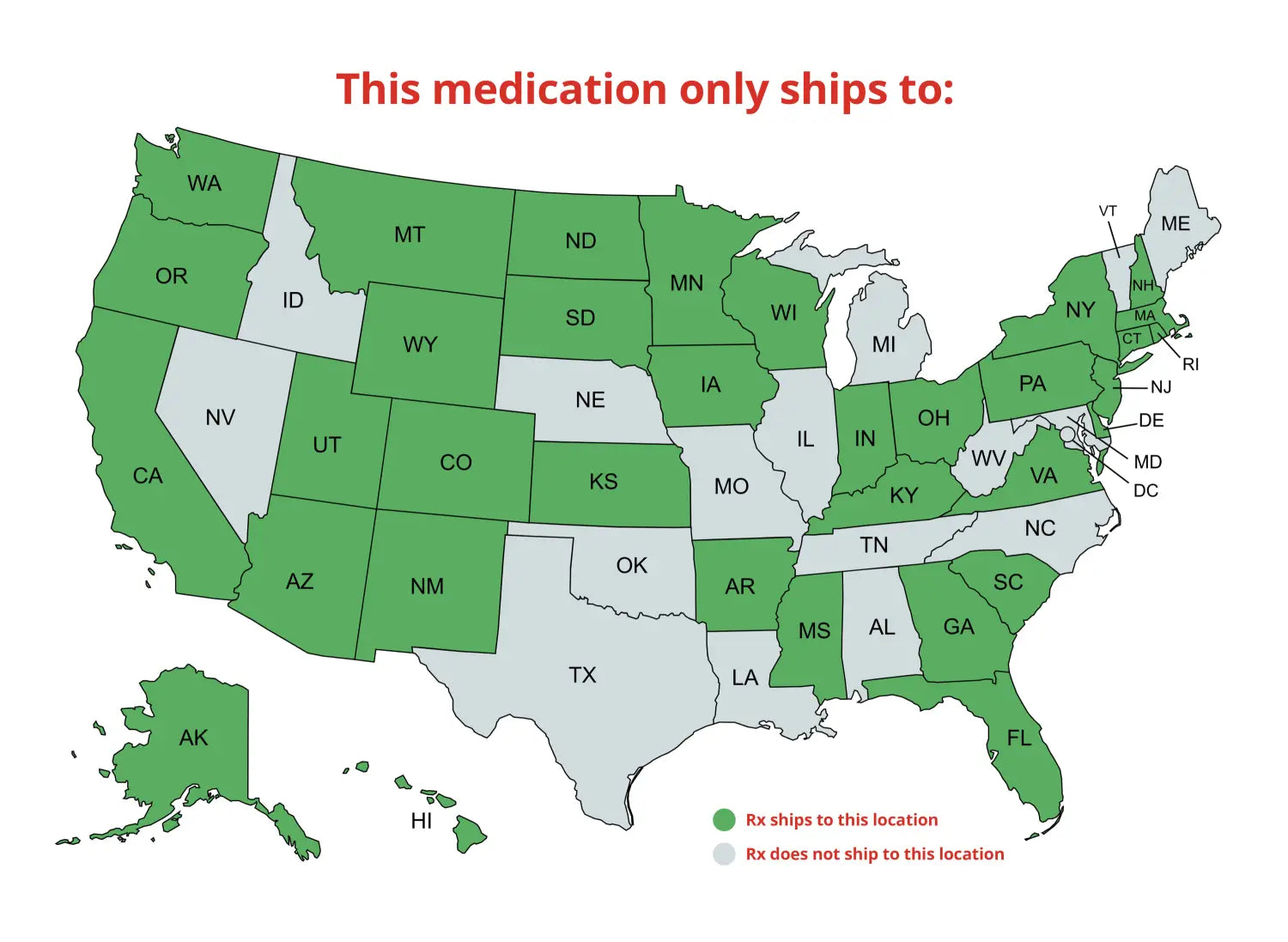
We offer ground, express, and priority delivery; see our shipping policy for details.
For return instructions or product concerns, please refer to our detailed refund policy.
PRESCRIPTION ITEMS ARE NON-RETURNABLE AND NON-REFUNDABLE.
Frequently Asked Questions
Q1: What is Lysodren Mitotane used for in dogs?
Ans: Lysodren is used off-label in dogs to manage pituitary-dependent Cushing's disease and adrenal gland carcinoma. It works by destroying the cortisol-producing layers of the adrenal gland, lowering excess cortisol. The FDA-approved indication covers inoperable adrenocortical carcinoma in humans.
Q2: How is Lysodren mitotane given to dogs with Cushing's disease?
Ans: Treatment follows two stages — an initiating phase where a higher divided daily dose is given with high-fat food until hormone levels normalize, followed by a maintenance phase using the lowest effective dose. The veterinarian determines all dosage changes based on regular monitoring and bloodwork.
Q3: Why does Lysodren need to be given with a high-fat meal?
Ans: Mitotane is a fat-soluble drug, which means the body takes it up much better when there is some fat in the stomach at the same time. Giving Lysodren alongside a fatty meal or treat helps the dog absorb a full and consistent dose each time, which matters a great deal for keeping treatment on track.
Q4: What are the signs that a dog on Lysodren has developed adrenal insufficiency?
Ans: Signs of adrenal insufficiency include sudden weakness or collapse, vomiting, loss of appetite, shaking, and disorientation. If any of these appear, stop the medication immediately and contact your veterinarian — emergency steroid replacement therapy may be required. Regular monitoring reduces this risk significantly.
Q5: Do I need to wear gloves when handling Lysodren mitotane tablets for my dog?
Ans: Yes. Lysodren is a cytotoxic drug that gets absorbed through the skin fairly easily, so anyone handling the tablets should put on disposable gloves before touching or splitting them. This is especially important for pregnant women, who should avoid coming into contact with this medication altogether.
Clinical Research
https://link.springer.com/article/10.1007/s40267-022-00958-y