


Product title
$19.99 | $24.99
Product title
$19.99 | $24.99
Product title
$19.99 | $24.99
Product title
$19.99 | $24.99
Meloxicam Injection for Osteoarthritis Pain and Inflammation in Dogs
Product Description
Osteoarthritis can cause limping, pain, and difficulty rising for your dog. Meloxicam Injection 5 mg/ml is a prescription non-steroidal anti-inflammatory drug that helps control that pain and inflammation. Your veterinarian gives one starting dose, either into a vein or under the skin, and oral meloxicam continues treatment after 24 hours. In a 14-day field study, treated dogs showed clinical improvement.
Benefits
- Osteoarthritis Pain Support: Helps control joint pain and inflammation that can make dogs limp or struggle to rise.
- Proven Clinical Improvement: Dogs in a 14-day field study showed statistically significant improvement across every measure assessed by owners and veterinarians.
- Two Injection Routes: Your veterinarian can give the starting dose intravenously or subcutaneously, as the label directs for dogs.
- Single Starting Dose: One injection of 0.09 mg/lb (0.2 mg/kg) begins treatment, with oral meloxicam following after 24 hours.
- Daily Oral Follow-Up: After the injection, treatment continues once daily with meloxicam oral suspension, mixed with food or given by mouth.
- Lowest Effective Dose: Helps provide the needed relief while keeping the dose and treatment duration as low as possible, as directed by your vet.
- Precise Dosing: Using a syringe of appropriate size helps ensure precise dosing when the injection is administered to your dog.
Variants
- 10 ml vial
- 20 ml vial
Ingredients
Composition Table
| Ingredient | Quantity |
|---|---|
| Meloxicam | 5 mg per ml |
| Alcohol | 15% |
| Glycofurol | 10% |
| Poloxamer 188 | 5% |
| Sodium chloride | 0.6% |
| Glycine | 0.5% |
| Meglumine | 0.3% |
Other Ingredients
Water for injection, with sodium hydroxide and hydrochloric acid used to adjust pH.
How to Use
Recommended-Dosage Chart
| Treatment Period | Dose |
|---|---|
| Day 1 | Meloxicam Injection, single dose of 0.09 mg/lb (0.2 mg/kg) body weight, intravenously or subcutaneously |
| After 24 hours | Meloxicam oral suspension, 0.045 mg/lb (0.1 mg/kg) body weight once daily, with food or placed directly in the mouth. |
Dosage & Administration Instructions
- Prescription Required: Use only by or on the order of a licensed veterinarian, because federal law restricts this prescription drug.
- Weigh Benefits and Risks: Review the possible benefits and risks of meloxicam, along with other treatment options, before deciding to use it.
- Starting Dose: Give one initial dose of 0.09 mg/lb body weight, intravenously or subcutaneously, to start treatment.
- Follow-Up Dose: After 24 hours, follow with meloxicam oral suspension at 0.045 mg/lb (0.1 mg/kg) once daily.
- Easy Ways to Give: Place the daily dose directly into your dog's mouth or mix it with food.
- Targeted Pain Management: Follows a dosing approach based on your dog's response, using the lowest effective amount for the shortest duration.
- Appropriate Syringe Size: Use a syringe of appropriate size when giving the injection to ensure precise dosing in dogs.
- Injection Route Limits: Safety has not been established for intramuscular administration in dogs, so use only intravenous or subcutaneous injection.
Disclaimer: This dosage information is provided by the manufacturer. Always consult your veterinarian before administering or adjusting any supplement for your pet.
Additional Information
Precautions
- Not for Cats: Repeated meloxicam use in cats has been associated with acute kidney failure and fatal outcomes.
- Known Hypersensitivity: Dogs with known hypersensitivity to meloxicam should not receive this injection, so tell your veterinarian your dog's history.
- Pre-Treatment Examination: All dogs should undergo a thorough history and physical examination before the veterinarian administers any NSAID.
- Laboratory Testing: Laboratory baseline testing of hematological and serum biochemical values is recommended before, and periodically during, NSAID use.
- Bleeding Disorders: Meloxicam is not recommended for dogs with bleeding disorders, because safety has not been established in these dogs.
- Age and Breeding: Safety has not been evaluated in dogs under 6 months, breeding dogs, or pregnant or lactating dogs.
- Kidney and Liver Risk: Dehydrated dogs, dogs on diuretics, and dogs with kidney, cardiovascular, or liver disease face the greatest kidney risk.
- History of Drug Reactions: If your dog has had an adverse reaction to one NSAID, it may also react to other NSAIDs.
- Other NSAIDs and Steroids: Avoid using other NSAIDs or corticosteroids with this injection, because of the risk of gastrointestinal ulceration.
- Additional Pain Medication: If more pain relief is needed after the daily dose, consider a non-NSAID or noncorticosteroid analgesic.
- Medication Changes: Follow your vet's guidance on the waiting period when changing from steroids or one NSAID to another.
- Other Medications: Use with protein-bound drugs, such as cardiac, anticonvulsant, and behavioral medications, has not been studied in dogs.
- Nephrotoxic Drugs: Concurrent administration of potentially nephrotoxic drugs should be carefully approached, because of the possible risk to the kidneys.
- Human Safety: Not for use in humans. Keep all medications away from children, and consult a physician after accidental ingestion.
Possible Side Effects
- Gastrointestinal Effects: Vomiting, soft stools, diarrhea, and inappetence were the most common adverse reactions seen in the field study.
- Field Study Findings: Vomiting occurred in 31 of 109 dogs given meloxicam and 15 of 115 given placebo in the study.
- Other Observed Reactions: Diarrhea or soft stool affected 15 meloxicam dogs and 11 placebo dogs, with inappetence and bloody stool rare.
- Foreign Reports: Foreign reports included autoimmune hemolytic anemia, thrombocytopenia, polyarthritis, nursing puppy lethargy, and pyoderma, each in one dog.
- Post-Approval Reports: Reported events include melena, gastrointestinal ulceration, azotemia, elevated creatinine, renal failure, elevated liver enzymes, lethargy, depression, and pruritus.
- Serious Outcomes: Death has been reported as an outcome of the post-approval adverse events listed on the label.
- Injection Site Pain: One of eight Beagle dogs showed pain upon injection at the recommended dose in a safety study.
- Signs to Watch: Watch your dog for vomiting, diarrhea, lethargy, decreased appetite and behavioral changes, which can signal NSAID intolerance.
- Action if Observed: Contact your veterinarian immediately if possible adverse reactions are observed, and discontinue meloxicam therapy as advised.
Storage Information
- Room Temperature: Store at 68° to 77°F, which is the controlled room temperature range for this product.
- Temperature Excursions: Excursions between 15° and 30°C (59° and 86°F) are permitted under USP Controlled Room Temperature guidelines.
- Use Within Six Months: Use the contents of the vial within 6 months of the first puncture, as the label directs.
NOTE: For generic medications, the product image shown may not reflect the actual item received. Generic medications can vary in size, color, and shape between orders depending on the manufacturer. Additionally, your medication may arrive packaged in a HardyPaw Pharmacy vial.
Shipping & Return
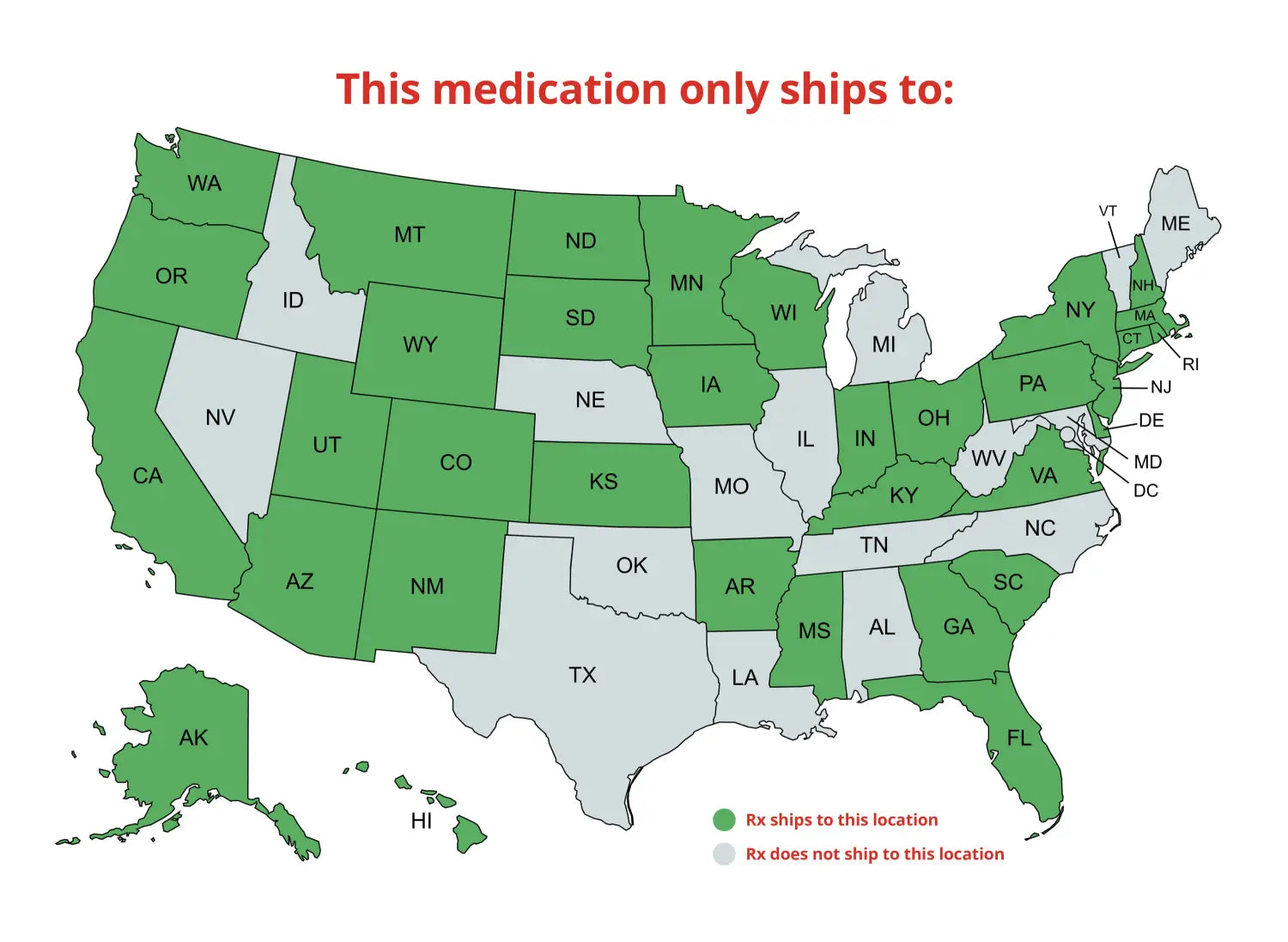
We offer ground, express, and priority delivery; see our shipping policy for details.
For return instructions or product concerns, please refer to our detailed refund policy.
Prescription items are NON-RETURNABLE and NON-REFUNDABLE.
Frequently Asked Questions
Q1: What is meloxicam injection used for in dogs?
Ans: Meloxicam injection is a prescription non-steroidal anti-inflammatory drug for controlling pain and inflammation associated with osteoarthritis in dogs. A veterinarian gives it as a single starting dose, and treatment continues after 24 hours with once daily oral meloxicam under veterinary direction.
Q2: How is the dog arthritis injection given?
Ans: It is given as a single initial dose of 0.09 mg/lb (0.2 mg/kg) body weight, either intravenously or subcutaneously. After 24 hours, treatment continues with meloxicam oral suspension at 0.045 mg/lb (0.1 mg/kg) daily. Intramuscular use has not been established.
Q3: How soon will my dog improve after a meloxicam shot?
Ans: In a 14-day field study of 224 dogs with osteoarthritis, dogs received a 0.2 mg/kg injection on day 1, then 0.1 mg/kg oral meloxicam through day 14. Dogs showed statistically significant clinical improvement after 14 days across all variables measured.
Q4: What side effects can a dog arthritis injection cause?
Ans: Vomiting, soft stools, diarrhea and inappetence were the most common reactions in the field study. Contact your veterinarian immediately if you see vomiting, diarrhea, lethargy, decreased appetite or behavioral changes, and discontinue meloxicam therapy as advised.
Q5: Can meloxicam injection be given with other NSAIDs or steroids?
Ans: Using other anti-inflammatory drugs, such as NSAIDs or corticosteroids, together with meloxicam should be avoided because of the risk of gastrointestinal ulceration. Consider appropriate washout times when switching drugs, and if more pain relief is needed, a non-NSAID analgesic should be considered.
Q6: Is meloxicam injection safe for puppies or breeding dogs?
Ans: The safety of meloxicam injection has not been evaluated in dogs under 6 months old, breeding dogs, or pregnant or nursing dogs. It is also not recommended for dogs with bleeding disorders because safety has not been established.
Q7: How should meloxicam solution for injection be stored?
Ans: Store at 20° to 25°C (68° to 77°F), with excursions permitted between 15° and 30°C (59° and 86°F). Use the contents of the vial within 6 months of the first puncture, as the label directs. Keep this and all medications out of reach of children.