


Product title
$19.99 | $24.99
Product title
$19.99 | $24.99
Product title
$19.99 | $24.99
Product title
$19.99 | $24.99
Once-Daily Fluoroquinolone Antibiotic Tablet for Bacterial Infections in Dogs and Cats
Product Description
Orbax 68 mg Tablets (orbifloxacin) is a broad-spectrum, FDA-approved prescription fluoroquinolone antibiotic for dogs and cats. Its active ingredient, orbifloxacin, works by inhibiting bacterial DNA synthesis, resulting in the rapid, bactericidal death of susceptible gram-negative and gram-positive pathogens. Clinically proven effective against skin and soft tissue infections in both dogs and cats, and urinary tract infections in dogs, Orbax offers the convenience of once-daily oral dosing with a flexible dosage range tailored to infection severity. Available in 22.7 mg and 68 mg tablet strengths, it provides veterinarians with precise, weight-based dosing options.
Benefits
- Bactericidal Mechanism: Targeting bacterial DNA synthesis directly, Orbifloxacin destroys a wide range of gram-positive and gram-negative pathogens that commonly affect dogs and cats.
- Once-Daily Convenience: One dose per day is all that's needed, giving owners a simple routine that's easy to follow through to the end of treatment.
- FDA-Approved Indications: Orbax has demonstrated clinical effectiveness in skin wounds and abscesses in both dogs and cats, and in bladder infections specifically in dogs.
- Near-Complete Absorption: Taken orally, Orbifloxacin is absorbed rapidly and almost entirely from the gastrointestinal tract, with absolute bioavailability sitting at close to 100%.
- Adjustable Dose Range: At 2.5 to 7.5 mg/kg per day, the dosing range gives veterinarians room to factor in infection severity, patient condition, and the susceptibility of the organism involved.
- Broad Tissue Penetration: After oral dosing, Orbifloxacin reaches most tissues and body fluids, making it a viable option for infections across more than one body system.
Ingredients
Active Ingredients
Orbifloxacin 68 mg per tablet
How to Use
Dosage and Administration Instructions
- Prescription Required: Orbax is a restricted antibiotic that can only be used under a licensed veterinarian's order. A valid prescription and confirmed diagnosis are both necessary before administration.
- Standard Once-Daily Dose: The typical dose falls between 2.5 and 7.5 mg/kg given orally once daily. Your vet will land on the right amount based on the type and severity of the infection.
- Cat Dose Limit: In cats, the daily dose must stay at or below 7.5 mg/kg (3.4 mg/lb). Going beyond this ceiling carries a serious risk of retinal damage and potential blindness.
- Give on Empty Stomach: For best absorption, give Orbax either an hour before meals or two hours after. Fresh water should always be available alongside each dose.
- Complete Full Course: Even when symptoms ease off early, the full prescribed course must be finished. Stopping short risks the infection returning or the bacteria developing resistance.
- For Skin Infections: Treatment should continue for 2 to 3 days beyond the resolution of clinical signs, up to a maximum of 30 days.
- For Urinary Tract Infections: Administer for a minimum of 10 consecutive days; if no improvement is seen within 5 days, re-evaluate the diagnosis and consider a different therapy.
Disclaimer: This dosage information is provided by the manufacturer. Always consult your veterinarian before administering or adjusting any medication for your pet.
Additional Information
Precautions
- Not for Growing Dogs: Small and medium breeds under 8 months, and large or giant breeds under 18 months, must not receive Orbax due to cartilage damage risk.
- Retinal Risk in Cats: Orbifloxacin can damage feline retinas, causing dilated pupils and vision loss; never exceed the prescribed dose limit.
- CNS Disorder Caution: Use carefully in animals with nervous system conditions, as quinolones carry a rare but real risk of triggering seizures.
- Breeding and Pregnant Animals: Safety in pregnant, lactating, or breeding animals is unestablished; always seek veterinary guidance before use in these cases.
- Avoid Mineral Interactions: Iron, calcium, magnesium, aluminum, and zinc-containing products reduce absorption significantly; always administer Orbax separately from these.
- Confirm Susceptibility First: Test the causative organism before starting treatment to confirm the infection will respond and reduce resistance risk.
- Disclose All Medications: Inform your vet of any current use of phenytoin, theophylline, probenecid, or NSAIDs before beginning Orbax treatment.
Possible Side Effects
- Gastrointestinal Upset: The most common side effects are digestive disturbances including loss of appetite and vomiting; these are generally mild and do not always require stopping treatment.
- Retinal Damage and Blindness in Cats: When used at higher dosages in cats, Orbax can cause damage to the retina, presenting as enlarged (dilated) pupils and potentially leading to blindness — in some cases this has been temporary.
- Neurological Effects: Ataxia (loss of coordination), convulsions, and depression or lethargy have been reported in cats following Orbax administration; contact your vet immediately if these are observed.
- Hypersalivation: Excessive drooling has been reported in some cats receiving Orbax; notify your veterinarian if this occurs and appears to be persistent or severe.
- Joint Cartilage Damage in Young Dogs: At high doses, orbifloxacin can cause erosions of the articular cartilage in immature dogs, making it contraindicated during the growth phase; this risk is the reason for strict age restrictions.
Storage Information
- Store at Room Temperature: A stable, dry spot away from heat works best for Orbax tablets. Keep storage conditions within 2°C to 30°C (36°F to 86°F).
- Protect from Moisture: Store tablets in a dry environment to prevent degradation; do not store in areas of high humidity such as bathrooms or near sinks.
- Keep Out of Reach: Store all medication in a location completely inaccessible to children and other pets to prevent accidental ingestion of an incorrect dose.
Shipping & Return
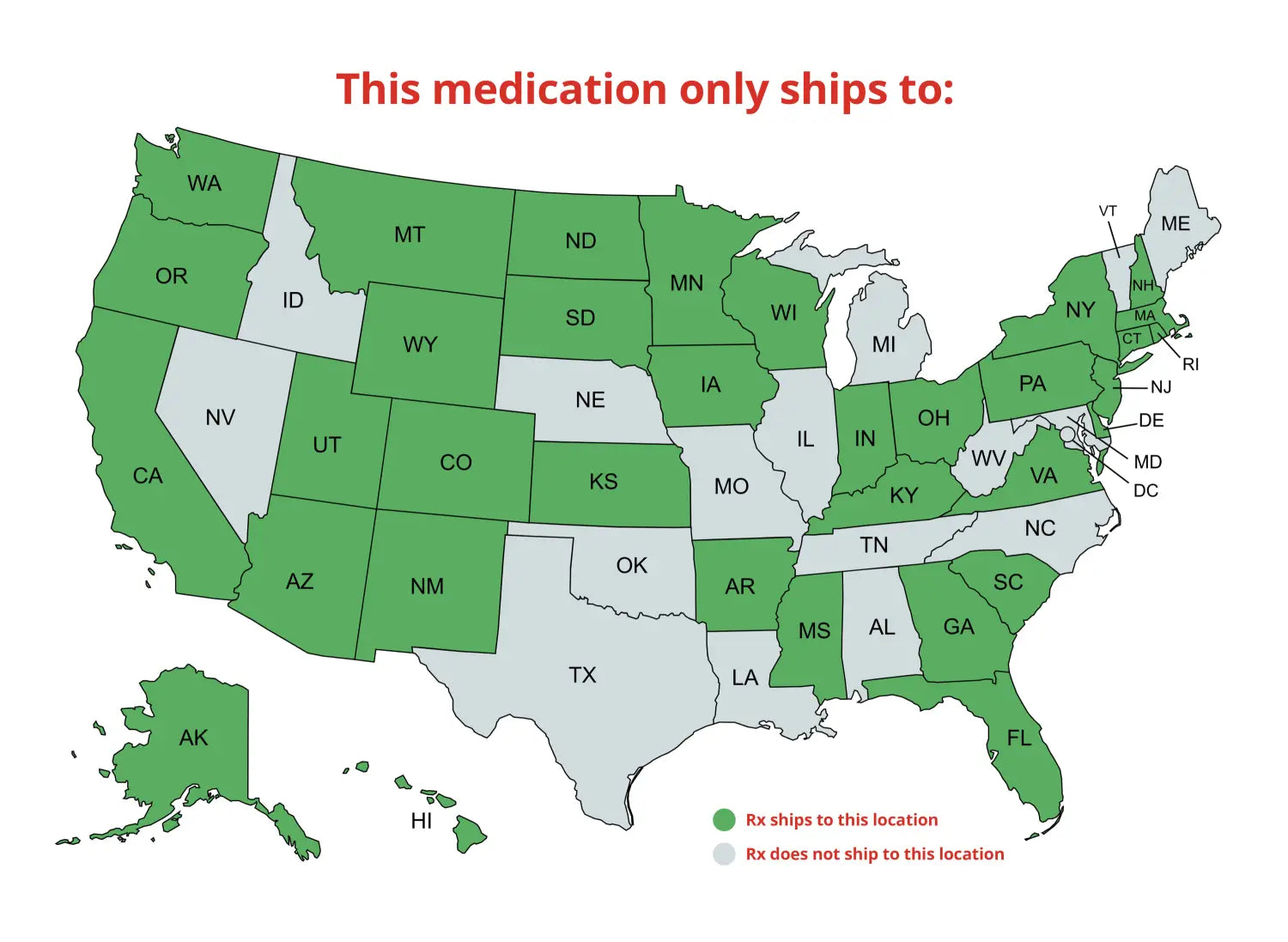
We offer ground, express, and priority delivery; see our shipping policy for details.
For return instructions or product concerns, please refer to our detailed refund policy.
Prescription items are NON-RETURNABLE and NON-REFUNDABLE.
Frequently Asked Questions
Q1: What infections does Orbax treat in dogs and cats?
Ans: Clinical trials confirmed Orbax works against skin wounds and abscesses in both dogs and cats. It is also approved for urinary tract infections (cystitis) in dogs. Your veterinarian may prescribe it for other susceptible bacterial infections based on culture and sensitivity results.
Q2: Is Orbax safe to give to my young puppy or kitten?
Ans: Orbax is contraindicated in growing dogs between 2 and 8 months of age in small and medium breeds, and up to 18 months in large and giant breeds, due to the risk of joint cartilage damage. No arthropathy was noted in kittens, but always confirm age-based safety with your veterinarian before use.
Q3: Can Orbax cause blindness in cats?
Ans: Yes, fluoroquinolone antibiotics including orbifloxacin can cause retinal damage in cats when used at higher doses, leading to dilated pupils and potentially blindness — in some cases temporary. The daily dose in cats must never exceed 7.5 mg/kg, and you should contact your vet immediately if your cat's pupils appear larger than normal during treatment.
Q4: Can I give Orbax with my pet's antacids or supplements?
Ans: No. Supplements or medications containing minerals such as calcium, iron, magnesium, aluminum, or zinc, including antacids, sucralfate, and multivitamins, can significantly reduce orbifloxacin absorption. These should be given separately and not at the same time as Orbax.
Q5: How long should I give my pet Orbax for a skin infection versus a urinary tract infection?
Ans: For skin infections, Orbax should be continued for 2 to 3 days beyond the disappearance of clinical signs, up to a maximum of 30 days. For urinary tract infections, a minimum of 10 consecutive days is required. If no improvement is seen within 5 days, the diagnosis should be re-evaluated with your veterinarian.
Clinical Research
https://en.wikipedia.org/wiki/Orbifloxacin
https://www.vmd.defra.gov.uk/productinformationdatabase/files/UKPAR_Documents/UKPAR_238064.PDF