

Product title
$19.99 | $24.99
Product title
$19.99 | $24.99
Product title
$19.99 | $24.99
Product title
$19.99 | $24.99
Effective Pain & Inflammation Relief for Dogs
Product Description
OstiCoxib (firocoxib) Chewable Tablets for Dogs, 227 mg, is a veterinary prescription NSAID that helps control pain and inflammation from osteoarthritis and some surgical procedures in dogs. This liver-flavored chewable tablet allows for easy once-daily dosing and may improve mobility and comfort. It can also manage postoperative pain and inflammation after soft-tissue or orthopedic surgeries when used as directed by a veterinarian.
Benefits
- Arthritis Pain Control: Helps manage pain and swelling related to canine osteoarthritis, improving comfort and movement in affected dogs.
- Post-Surgical Support: Aids in controlling pain and inflammation after soft-tissue or orthopedic surgery when given as directed.
- Once-Daily Dosing: The suggested dose of 5 mg/kg body weight once a day provides easy pain management for dogs.
- Palatable Chewable Tablet: Liver-flavored chewable tablet formulation may help improve acceptance when administering medication to dogs.
Variants
OstiCoxib (firocoxib) Chewable Tablets are available in the following strengths:
- 57 mg
- 227 mg
Ingredients
Firocoxib 227 mg per chewable tablet
How to Use
Recommended-Dosage Chart
|
Dog Body Weight |
Recommended Dosage |
|
As prescribed by the veterinarian |
2.27 mg per lb (5 mg per kg) body weight once daily. |
Dosage & Administration Instructions
- Veterinary Prescription Required: This medication is restricted to use by or on the order of a licensed veterinarian.
- Weight-Based Dosing: Administer the recommended dose of 5 mg/ kg body weight once daily as directed.
- Surgical Pain Use: Dogs may receive OstiCoxib about two hours before surgery and once daily afterward if prescribed.
- Tablet Administration: Offer the chewable tablet by hand or place it directly in the dog’s mouth.
- Food Compatibility: Tablets can be administered with or without food, though food may delay absorption timing.
Disclaimer: This dosage information is provided by the manufacturer. Always consult your veterinarian before administering or adjusting any supplement for your pet.
Additional Information
Precautions
- Dog Use Only: OstiCoxib is meant only for oral use in dogs and should not be given to other animals.
- Minimum Weight Limit: Accurate dosing cannot be achieved for dogs weighing less than 12.5 pounds.
- Avoid Drug Interactions: Do not use at the same time with other NSAIDs or corticosteroids because of a higher risk of gastrointestinal issues.
- Health Monitoring: Veterinarians may recommend baseline and periodic laboratory testing during NSAID therapy to monitor health.
- Underlying Conditions: Dogs with kidney, cardiovascular, or liver dysfunction may have an increased risk for NSAID-related adverse events.
Possible Side Effects
- Digestive Upset: While on NSAID treatment, dogs can sometimes experience vomiting, diarrhea, or a drop in appetite.
- Behavioral Changes: Some dogs might become more lethargic, depressed, or even hyperactive during their treatment.
- Liver Concerns: Yellowing of the gums, skin, or eyes can be a warning sign of liver issues.
- Kidney Effects: Changes in how much your dog drinks or urinates could indicate potential kidney problems.
- Serious Reactions: While rare, severe reactions to NSAIDs can happen; in such cases, immediately seek veterinarian guidance.
Storage Information
- Temperature Control: Store tablets below 86°F (30°C) to maintain product stability and effectiveness.
- Temporary Excursions: Short temperature exposures up to 104°F (40°C) are permitted during handling or transport.
- Split Tablet Use: Any half-tablet should be used within 90 days after splitting.
- Child Safety: Keep this medication out of reach of children and store securely when not in use.
Shipping & Return
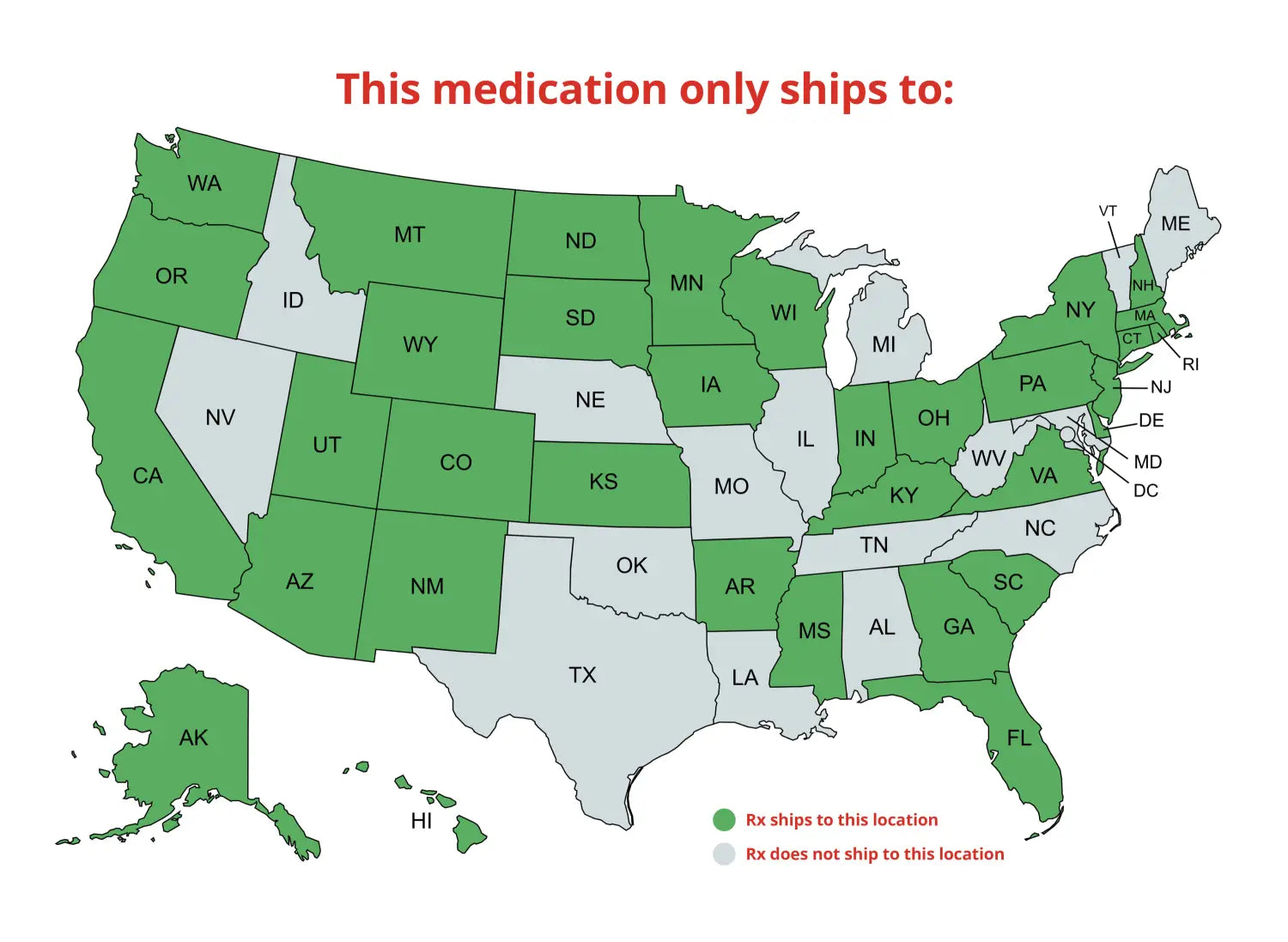
We offer ground, express, priority, and international delivery; see our shipping policy for details.
For return instructions or product concerns, please refer to our detailed refund policy.
Prescription items are NON-RETURNABLE and NON-REFUNDABLE.
Frequently Asked Questions
Q1: What is OstiCoxib used for in dogs?
Ans: OstiCoxib (firocoxib) chewable tablets help control pain and inflammation related to osteoarthritis in dogs. Veterinarians may also prescribe it to manage pain and inflammation after soft tissue or orthopedic surgeries. It is meant for oral use in dogs only under the supervision of a veterinarian.
Q2: How should OstiCoxib be administered to dogs?
Ans: OstiCoxib tablets should be given according to your veterinarian's instructions. The suggested dose is 2.27 mg for each pound (or 5 mg for every kilogram) of body weight, taken once a day. You can give the tablets with or without food; however, food may slow absorption a bit without affecting overall effectiveness.
Q3: Can OstiCoxib be used together with other medications?
Ans: OstiCoxib should not be used with other non-steroidal anti-inflammatory drugs or corticosteroids because combining these medications may increase the risk of gastrointestinal ulceration or other adverse effects. Always inform your veterinarian about all medications or supplements your dog currently receives before starting treatment.
Q4: Which dogs should not take OstiCoxib?
Ans: Dogs that are known to be sensitive to firocoxib should not take OstiCoxib. It is not possible to determine the correct dose for dogs that weigh less than 12.5 pounds. The safety of this medication has not been tested in breeding, pregnant, or nursing dogs, so it is important to consult a veterinarian before use.
Q5: What side effects should dog owners watch for while using OstiCoxib?
Ans: Some possible side effects include vomiting, diarrhea, a lack of appetite, or your dog being more sluggish than normal. In some instances, dogs may also show increased thirst, changes in their urination patterns, or alterations in their behavior. If you notice any unusual symptoms, it's best to stop the medication and reach out to your veterinarian for advice and assessment.