

Product title
$19.99 | $24.99
Product title
$19.99 | $24.99
Product title
$19.99 | $24.99
Product title
$19.99 | $24.99
Supports Labor and Milk Let-Down in Livestock
Product Description
Oxytocin Injection by Bimeda is a sterile veterinary hormone solution formulated with 20 USP units of oxytocin per mL. It is commonly used in cows, horses, sows, and ewes to support reproductive management and milk let-down. This injectable solution acts directly on the smooth muscles of the uterus to promote rhythmic contractions and may also stimulate milk ejection from the mammary glands when the udder is in the proper physiological state. It is supplied as a sterile aqueous preparation designed for veterinary use in multiple livestock species.
Benefits
- Supports Labor Management: Helps stimulate uterine contractions to precipitate labor and accelerate normal parturition in livestock species.
- Promotes Milk Let-Down: Encourages milk ejection by acting on smooth muscle elements of the mammary glands when physiologically ready.
- Assists Postpartum Recovery: Aids postpartum evacuation of uterine debris and supports uterine contraction following delivery or cesarean section.
- Multiple Administration Routes: Can be administered intravenously, intramuscularly, or subcutaneously depending on veterinary guidance and treatment needs.
- Multi-Species Use: Suitable for use in cows, horses, sows, and ewes as part of reproductive and lactation management.
Ingredients
Composition Table
|
Ingredient |
Quantity |
|
Oxytocin |
20 USP Units per mL |
|
Sodium Chloride |
0.9% w/v |
|
Chlorobutanol (preservative) |
0.5% w/v |
How to Use
Recommended-Dosage Chart
|
Species |
Recommended Dose |
Oxytocin Units |
Route |
|
Ewes |
1.5 to 2.5 mL |
30 to 50 USP Units |
IV, IM, or SC |
|
Sows |
1.5 to 2.5 mL |
30 to 50 USP Units |
IV, IM, or SC |
|
Cows |
5 mL |
100 USP Units |
IV, IM, or SC |
|
Horses |
5 mL |
100 USP Units |
IV, IM, or SC |
|
Cows (Milk Let-Down) |
0.5 to 1.0 mL |
10 to 20 USP Units |
IV, IM, or SC |
|
Sows (Milk Let-Down) |
0.25 to 1.0 mL |
5 to 20 USP Units |
IV, IM, or SC |
Dosage & Administration Instructions
- Aseptic Injection: Administer the injection aseptically through intravenous, intramuscular, or subcutaneous routes following veterinary guidance.
- Species Specific Dose: Follow recommended dosage ranges for cows, horses, sows, and ewes depending on obstetrical or milk let-down needs.
- Repeat If Needed: Recommended doses may be repeated when clinically indicated based on the animal’s response and veterinarian instructions.
- Veterinary Prescription Required: Federal law restricts this medication to use by or on the order of a licensed veterinarian.
- Milk Let-Down Condition: Milk ejection will occur only when the udder is in the proper physiological state.
Disclaimer: This dosage information is provided by the manufacturer. Always consult your veterinarian before administering or adjusting any supplement for your pet.
Additional Information
Precautions
- Correct Fetal Position: Do not administer oxytocin in dystocia caused by abnormal fetal presentation until correction is achieved.
- Cervical Dilation Required: Ensure full cervical dilation naturally or through estrogen therapy before using oxytocin prepartum.
- Avoid Direct Contact: Individuals administering the medication should avoid skin contact due to possible hypersensitivity reactions.
- Monitor Uterine Activity: Excess uterine stimulation may occur, and treatment should be stopped if abnormal uterine activity develops.
Possible Side Effects
- Uterine Discomfort: Some animals may have uterine cramps or discomfort after receiving oxytocin.
- Allergic Reactions: Rare reactions like swelling, rash, fever, or trouble breathing can happen and need veterinary help.
- Gastrointestinal Signs: Vomiting, fever, or seizures may happen occasionally and should be reported to a veterinarian right away.
- Milk Production Failure: In some cases, milk production or milk release might not happen even after administration.
Storage Information
- Room Temperature Storage: Store the product at controlled room temperature according to manufacturer recommendations.
- Protect from Freezing: Avoid freezing the solution as it may affect product stability and effectiveness.
- Secure Storage: Keep the medication out of reach of children and store it safely when not in use.
Shipping & Return
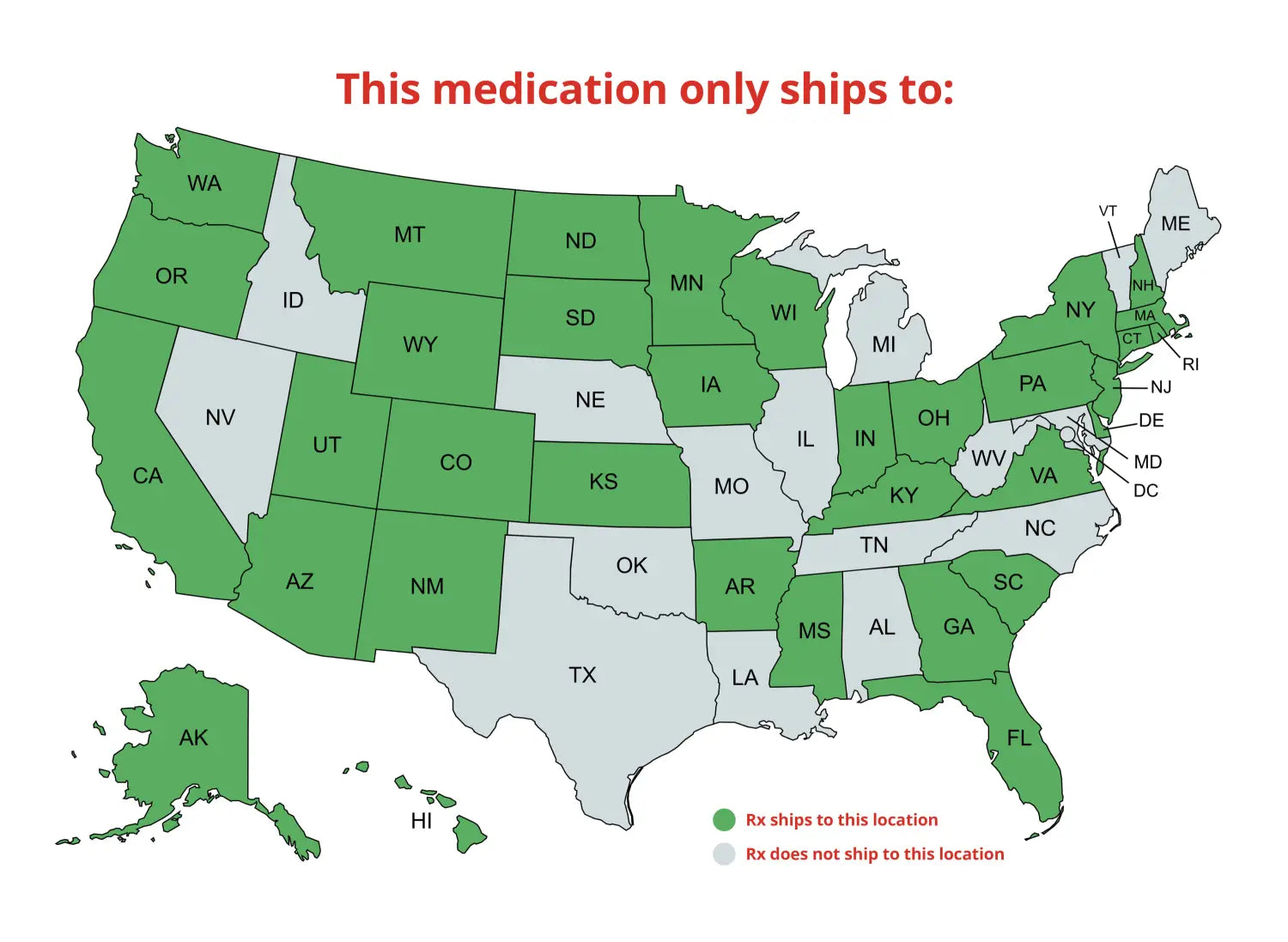
We offer ground, express, priority, and international delivery; see our shipping policy for details.
For return instructions or product concerns, please refer to our detailed refund policy.
Prescription items are NON-RETURNABLE and NON-REFUNDABLE.
Frequently Asked Questions
Q1: What is Oxytocin Injection used for in livestock?
Ans: Oxytocin Injection is used in cows, horses, sows, and ewes to stimulate uterine contractions during labor, assist normal delivery, and support postpartum uterine evacuation. It may also help stimulate milk let-down in animals when the udder is in the proper physiological condition.
Q2: Which animals can receive an oxytocin injection?
Ans: Oxytocin Injection is approved for use in several livestock species, including beef cattle, dairy cattle, horses, sheep, and swine. Veterinarians often prescribe it for reproductive management or milk ejection support in these animals when it is clinically appropriate.
Q3: How is Oxytocin Injection administered to animals?
Ans: Oxytocin Injection is given using sterile techniques through intravenous, intramuscular, or subcutaneous routes. The specific dose and how often it is given depend on the species, the purpose of treatment, and veterinary advice to ensure safe and effective management of reproduction or lactation.
Q4: Can Oxytocin Injection be used to stimulate milk let-down?
Ans: Yes, oxytocin may stimulate milk ejection by acting on smooth muscle cells surrounding the mammary glands. However, it only works when the udder is in a proper physiological state and ready for milk release.
Q5: Do I need a veterinarian’s prescription to use Oxytocin Injection?
Ans: Yes, Oxytocin Injection is a prescription veterinary medication. Federal law restricts its use to administration by or under the order of a licensed veterinarian to ensure correct dosing, proper diagnosis, and safe reproductive management in livestock.