


Triamcinolone Acetonide Cream 0.025% for Inflammatory Skin Conditions in Pets
Product Description
Triamcinolone Acetonide Cream 0.025% is a prescription-only topical corticosteroid for dogs and cats that brings down inflammation, itching, and redness tied to various skin conditions. It works by blocking the substances in the body that set off inflammation and pruritus, putting targeted relief right where the skin needs it most. As the gentlest strength of triamcinolone cream on the market, the 0.025% formulation is built to deliver meaningful anti-inflammatory results while keeping systemic corticosteroid risks to a minimum.
Benefits
- Reduces Skin Inflammation: Brings down swelling, redness, and irritation linked to inflammatory and allergic skin conditions in both dogs and cats.
- Relieves Itching and Discomfort: Delivers focused relief from pruritus caused by contact dermatitis, allergic reactions, eczema, and other corticosteroid-responsive skin conditions in pets.
- Localized Topical Action: Goes on directly where it is needed, targeting the affected skin site without impacting the rest of the body when used correctly.
- Lowest Available Strength: At 0.025%, this is the mildest triamcinolone cream concentration available, suited to conditions needing a gentle but effective corticosteroid approach.
- Versatile Skin Condition Use: Covers a wide range of skin issues including contact allergic dermatitis, atopy, rashes, eczema, and other inflammatory dermatoses in dogs and cats.
Ingredients
Active Ingredient
| Ingredient | Concentration |
| Triamcinolone Acetonide (Active) | 0.025% |
How to Use
Directions for Use
Triamcinolone Acetonide Cream 0.025% is a prescription-only medication. A valid veterinarian prescription is required to purchase this product. Apply only to clean, dry, and intact skin as directed by your veterinarian. Keep this cream away from the eyes, mucous membranes, face, groin, and underarms unless your veterinarian has specifically directed otherwise.
Disclaimer: Dosage and administration of this medication must be determined by a licensed veterinarian. Your veterinarian should be contacted before starting or modifying any medication for your pet.
Additional Information
Precautions
- Not for Infected Skin: This cream must not go on viral or fungal skin infections, as corticosteroids can hold back immune responses and make these conditions significantly worse.
- Not for Open Wounds: Applying this product to open wounds or broken skin can slow down the healing process or cause further irritation to already compromised tissue.
- Caution in Certain Pets: Extra care is needed in pets under one year of age, those below 8 lbs, or animals with diabetes, high blood pressure, Cushing's disease, hypothyroidism, or kidney, liver, or heart conditions.
- Pregnancy and Lactation: This cream should be kept away from pregnant or nursing animals unless the potential benefit clearly tips the balance, as corticosteroids can affect how the fetus develops.
- Drug Interactions: This medication may interact with NSAIDs and other corticosteroids; always let your vet know about every medication, supplement, or herbal product your pet is currently taking.
- Immune Suppression Risk: This product lowers immune activity, so pets receiving it should be watched closely for any early signs of a secondary infection developing.
- Prescription Only: This medication can only be obtained through or under the direct order of a licensed veterinarian.
Possible Side Effects
- Local Skin Reactions: Mild itching, a burning sensation, or irritation at the treated area may appear but usually settles down as the pet adjusts to the product over time.
- Skin Thinning with Prolonged Use: Using topical corticosteroids for extended periods can gradually thin the skin and alter its texture at the site where the cream is applied.
- Allergic Reactions: Laboured breathing, skin rash, fever, facial puffiness, or swelling may point to an allergic response; get your veterinarian on the phone straight away if any of these develop.
- Gastrointestinal Signs: Black or tarry stools, bloody vomit, low energy, or a drop in appetite may signal gastrointestinal ulcers or bleeding in some pets on this medication.
- Systemic Corticosteroid Effects: With extended or widespread use, absorption through the skin may bring on increased thirst, more frequent urination, or noticeable changes in behaviour.
Storage Information
- Room Temperature Storage: Keep this cream at a steady indoor temperature between 68°F and 77°F (20°C to 25°C) for best results throughout its shelf life.
- Protect from Moisture and Light: Make sure the tube is always properly closed and stored in a cool, dark spot well away from moisture and any light exposure.
- Do Not Freeze: This cream must never be frozen, as freezing disrupts the consistency and stability of the formulation in ways that cannot be reversed.
- Safe Storage Practice: Store this prescription product in a locked or secure location that children and other household animals cannot get into at any time.
NOTE: For generic medications, the product image shown may not reflect the actual item received. Generic medications can vary in size, color, and shape between orders depending on the manufacturer. Additionally, your medication may arrive packaged in a HardyPaw Pharmacy vial.
Shipping & Return
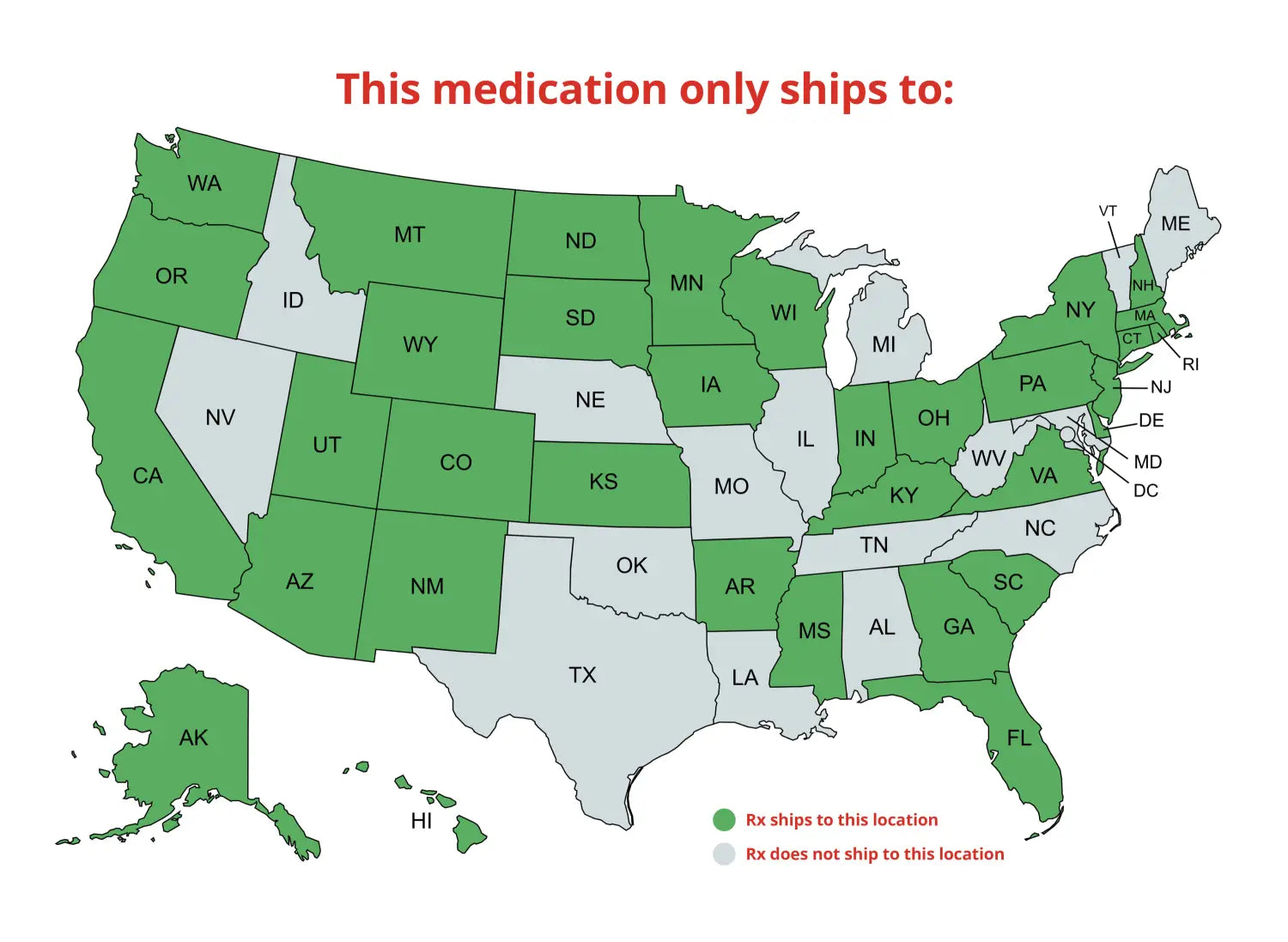
We offer ground, express, and priority delivery; see our shipping policy for details.
For return instructions or product concerns, please refer to our detailed refund policy.
Prescription items are NON-RETURNABLE and NON-REFUNDABLE.
Frequently Asked Questions
Q1: What is Triamcinolone Acetonide Cream 0.025% used for in dogs and cats?
Ans: This topical corticosteroid is used in dogs and cats to calm inflammation and itching from skin conditions such as contact allergic dermatitis, atopy, eczema, and other corticosteroid-responsive dermatoses. It puts relief directly at the affected skin site without systemic involvement when used correctly.
Q2: How does the 0.025% strength differ from higher triamcinolone concentrations?
Ans: Among all available triamcinolone cream concentrations, 0.025% is the lightest option on the market. Vets reach for it when a skin condition calls for a measured corticosteroid response, as it brings a smaller chance of the unwanted effects seen with stronger formulations.
Q3: Can Triamcinolone Acetonide Cream be used on cats as well as dogs?
Ans: Yes, this topical cream is used in both dogs and cats under a valid veterinary prescription. In cats it addresses skin conditions including allergic dermatitis, atopy, and other inflammatory dermatoses. Application frequency and duration should always follow what your veterinarian has laid out for your specific cat.
Q4: Are there any conditions where this cream should not be used in pets?
Ans: This product must not be used on pets with a known sensitivity to triamcinolone or on skin carrying a viral or fungal infection. It requires extra caution in young, small, pregnant, or diabetic pets, and those dealing with Cushing's disease, hypertension, or significant kidney, liver, or heart conditions.
Q5: Do I need a prescription for Triamcinolone Acetonide Cream 0.025% for my pet?
Ans: Yes, a valid veterinarian prescription must be in place before this product can be purchased or applied. Your veterinarian will set out the correct application area, how often to use it, and how long the treatment course should run for your pet's specific condition.
Product title
Vendor
$19.99 | $24.99
Product title
Vendor
$19.99 | $24.99
Product title
Vendor
$19.99 | $24.99
Product title
Vendor