

Product title
$19.99 | $24.99
Product title
$19.99 | $24.99
Product title
$19.99 | $24.99
Product title
$19.99 | $24.99
Intravenous Fluid Therapy with Electrolytes for Animals
Product Description
Vetivex® Lactated Ringer’s and 5% Dextrose Injection is a sterile Intravenous fluid made to replace lost fluids, balance electrolytes, and give animals a source of energy. It helps keep them hydrated, supports proper electrolyte levels, and provides a mild alkalizing effect as lactate is processed in the body. Used under veterinary guidance, it helps maintain fluid levels and supports normal body functions during treatment.
Benefits
- Fluid Support: Helps replace lost fluids and keeps animals properly hydrated during IV treatment.
- Electrolyte Support: Provides key minerals like sodium, potassium, calcium, and chloride for normal body function.
- Energy Supply: Gives energy through 5% dextrose to support the body during recovery.
- pH Balance: Lactate turns into bicarbonate, helping maintain a healthy acid-base balance.
- Urine Support: Can help increase urine output based on the animal’s condition, supporting fluid control.
Ingredients
Composition Table
|
Ingredient |
Quantity (per 100 mL) |
|
Dextrose Hydrous (C6H12O6·H2O) |
5000 mg |
|
Sodium Chloride (NaCl) |
600 mg |
|
Sodium Lactate (C3H5NaO3) |
310 mg |
|
Potassium Chloride (KCl) |
30 mg |
|
Calcium Chloride (CaCl2·2H2O) |
20 mg |
Guaranteed Analysis
|
Parameter |
Value |
|
Sodium |
130 mEq/L |
|
Potassium |
4 mEq/L |
|
Calcium |
2.7 mEq/L |
|
Chloride |
109 mEq/L |
|
Lactate |
28 mEq/L |
|
Osmolarity |
525 mOsmol/L |
|
pH |
4.0 to 6.5 |
|
Caloric Content |
180 kcal/L |
How to Use
Dosage & Administration Instructions
- Vet Guidance: Use only under the advice of a licensed veterinarian, based on the animal’s condition, weight, and test results.
- Intravenous Use Only: Administer strictly through intravenous infusion using sterile tools and proper hygiene practices.
- Check Before Use: Always inspect for particles, color changes, or leaks to ensure the solution is safe.
- Additives Care: Confirm compatibility before adding any medication and mix carefully using sterile methods.
- Single Use: Treat as a single-use product and discard any leftover solution after use.
- Prescription Required: Only to be used by or with approval from a licensed veterinarian.
Disclaimer: This dosage information is provided by the manufacturer. Always consult your veterinarian before administering or adjusting any supplement for your pet.
Additional Information
Precautions
- Clinical Monitoring: Monitor fluid balance, electrolyte levels, and acid-base status during prolonged therapy or changing patient conditions.
- Alkalosis Risk: Excess administration may lead to metabolic alkalosis, requiring careful dosing and clinical supervision.
- Diabetes Caution: Use carefully in animals with diabetes mellitus due to the presence of dextrose.
- Drug Interaction: Exercise caution when administering to patients receiving corticosteroids or corticotropin therapy.
- Hyperosmolar Nature: Use only in hydrated animals receiving maintenance therapy as hyperosmolar solutions may irritate veins.
- Solution Integrity: Do not administer unless the solution is clear and the container seal is intact.
- Injection Restriction: Do not administer this product to horses by intraperitoneal injection under any circumstances.
- Lactic Acidosis: This product should not be used for treating lactic acidosis or related metabolic conditions.
- Blood Administration: Do not administer simultaneously with blood through the same administration set, as coagulation may occur.
Possible Side Effects
- Fever Reaction: A fever may develop because of the solution or how it is given through the vein.
- Injection Site Infection: Infection can happen at the injection site if proper hygiene is not followed.
- Vein Irritation: Swelling or inflammation of the vein may occur near the injection area.
- Fluid Leakage: The fluid may leak into nearby tissues if it does not stay in the vein.
- Too Much Fluid: Giving too much fluid can lead to overload, causing swelling and imbalance in the body.
Storage Information
- Room Temperature: Store around 25°C (77°F) so the product stays stable.
- Avoid Heat: Avoid excessive heat exposure to prevent degradation of the pharmaceutical product.
- Keep in Packaging: Do not remove the protective wrap until you are ready to use it.
- Short Heat Exposure: It can handle short periods up to 40°C (104°F) without affecting quality.
Shipping & Return
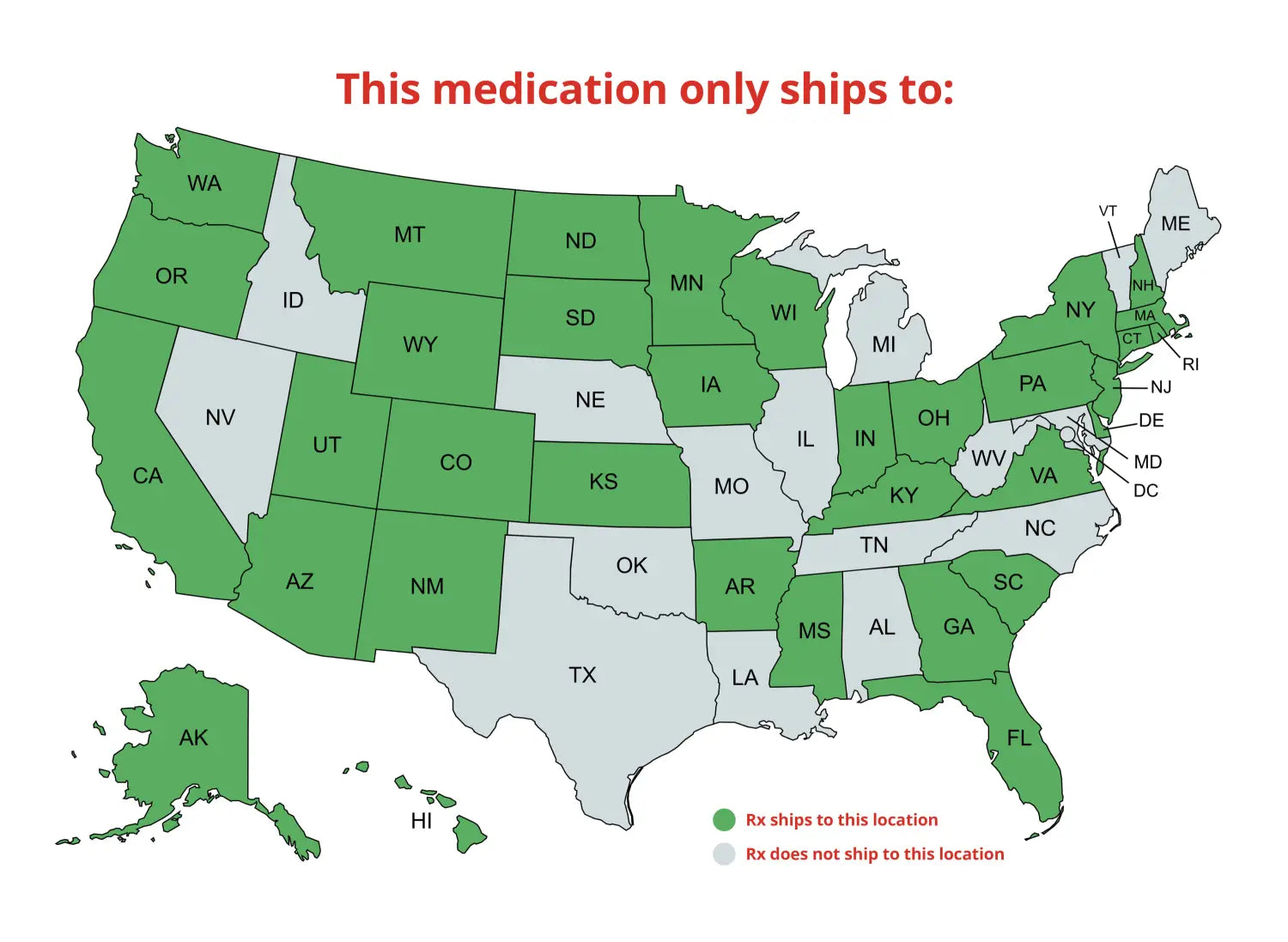
We offer ground, express, priority, and international delivery; see our shipping policy for details.
For return instructions or product concerns, please refer to our detailed refund policy.
Prescription items are NON-RETURNABLE and NON-REFUNDABLE.
Frequently Asked Questions
Q1: What is Vetivex® Lactated Ringer’s and 5% Dextrose Injection used for in animals?
Ans: Vetivex® is administered to help replenish lost fluids and essential electrolytes while also supplying energy to animals. It helps keep the body’s pH levels stable, which makes it beneficial in a range of situations where IV fluid treatment is needed.
Q2: Can Vetivex® be used in all animals without restrictions?
Ans: Vetivex® needs to be administered with care in animals suffering from issues such as heart failure, kidney problems, or existing electrolyte disturbances. It should not be given to animals with a known sensitivity to corn-based ingredients because it contains dextrose, and its use should always be guided by a veterinarian.
Q3: How does Vetivex® help maintain acid-base balance in animals?
Ans: Vetivex® has lactate, which the body turns into carbon dioxide and water. During this process, it reduces extra acids in the body. This helps keep the body’s acid levels balanced and supports normal body function in treated animals.
Q4: Are there any risks associated with administering Vetivex® intravenously?
Ans: Yes, intravenous administration may lead to fluid overload, electrolyte dilution, or pulmonary edema if not properly monitored. Other risks include vein irritation, infection at the injection site, and phlebitis, especially if aseptic techniques are not followed.
Q5: Can medications be added to Vetivex® solution before administration?
Ans: Medications may be added if deemed appropriate by a veterinarian, but compatibility must be ensured. Additives should be mixed thoroughly using aseptic technique, and solutions containing additives should not be stored and must be used promptly.