

Product title
Vendor
$19.99 | $24.99
Product title
Vendor
$19.99 | $24.99
Product title
Vendor
$19.99 | $24.99
Product title
Vendor
$19.99 | $24.99
Broad-Spectrum Antibiotic Support for Dogs with Infections
Product Description
Viceton 500 mg Tablets are prescribed by veterinarians for dogs with bacterial infections that are sensitive to chloramphenicol. This oral antibiotic helps control infections by blocking bacterial protein production. It is used for respiratory, urinary tract, enteric, and some secondary infections linked to canine distemper. Its wide range of effects and strong ability to spread in body tissues make it a valuable treatment option when given under veterinary supervision.
Benefits
- Broad Spectrum Coverage: Helps treat susceptible Gram-positive and Gram-negative bacterial infections in dogs across multiple body systems.
- Respiratory Infection Support: Indicated for bacterial pulmonary infections caused by susceptible organisms such as Staphylococcus aureus and Streptococcus pyogenes.
- Urinary Tract Use: Recommended for urinary tract infections caused by susceptible organisms, including E. coli, Proteus vulgaris, and Streptococcus spp.
- Enteric Infection Support: Used for enteritis caused by susceptible microorganisms,s including E. coli, Proteus spp., Salmonella spp., and Pseudomonas spp.
- Excellent Tissue Penetration: It easily spreads throughout body tissues, reaching important levels in both cerebrospinal fluid and eye fluids.
- Quick Serum Levels: After oral administration, it quickly hits peak serum concentrations, ensuring effective systemic antibacterial action in dogs.
Variants
250 mg Tablets
500 mg Tablets
1 g Tablets
Ingredients
Chloramphenicol 500 mg per tablet
How to Use
Recommended Dosage Chart
|
Pet Species |
Dosage |
Frequency |
Route |
|
Dogs |
25 mg per lb body weight |
Every 6 hours |
Oral |
Dosage & Administration Instructions
- Prescription Only: This antibiotic needs a prescription and should only be administered by a licensed veterinarian.
- Weight-Based Dosing: Make sure to give the medication based on the animal's body weight, following the recommended dosage for the best results.
- Regular Intervals: Administer the medication every six hours without fail to maintain consistent drug levels in the bloodstream.
- Complete Course: Complete the full treatment plan as directed, even if your pet seems to get better within three to five days.
- Monitor Response: If no improvement occurs within three to five days, consult a veterinarian for reassessment.
Disclaimer: This dosage information is provided by the manufacturer. Always consult your veterinarian before administering or adjusting any supplement for your pet.
Additional Information
Precautions
- Avoid Drug Interactions: Do not give it at the same time as penicillin or streptomycin because they may counteract each other.
- Breeding Restrictions: Avoid using it in breeding dogs since it may harm reproductive organs and function, especially in females.
- Anesthesia Alert: Avoid administering this alongside or just before pentobarbital anesthesia, as it could lead to a longer recovery time.
- Bone Marrow Caution: Use with care, since high levels of exposure might reduce bone marrow function and affect the production of blood cells.
- Not for Food Animals: This product should not be used in any animals meant for food production, under any circumstances.
Possible Side Effects
- Digestive Upset: Some dogs may experience temporary vomiting or diarrhea following oral administration at recommended doses.
Storage Information
- Room Temperature Storage: Store at or below 25°C to maintain stability and effectiveness of the tablets.
- Keep Dry: Store the tablets in a dry place to prevent moisture exposure and preserve tablet integrity.
- Child Safety: Keep out of reach of children to prevent accidental ingestion or misuse.
Shipping & Return
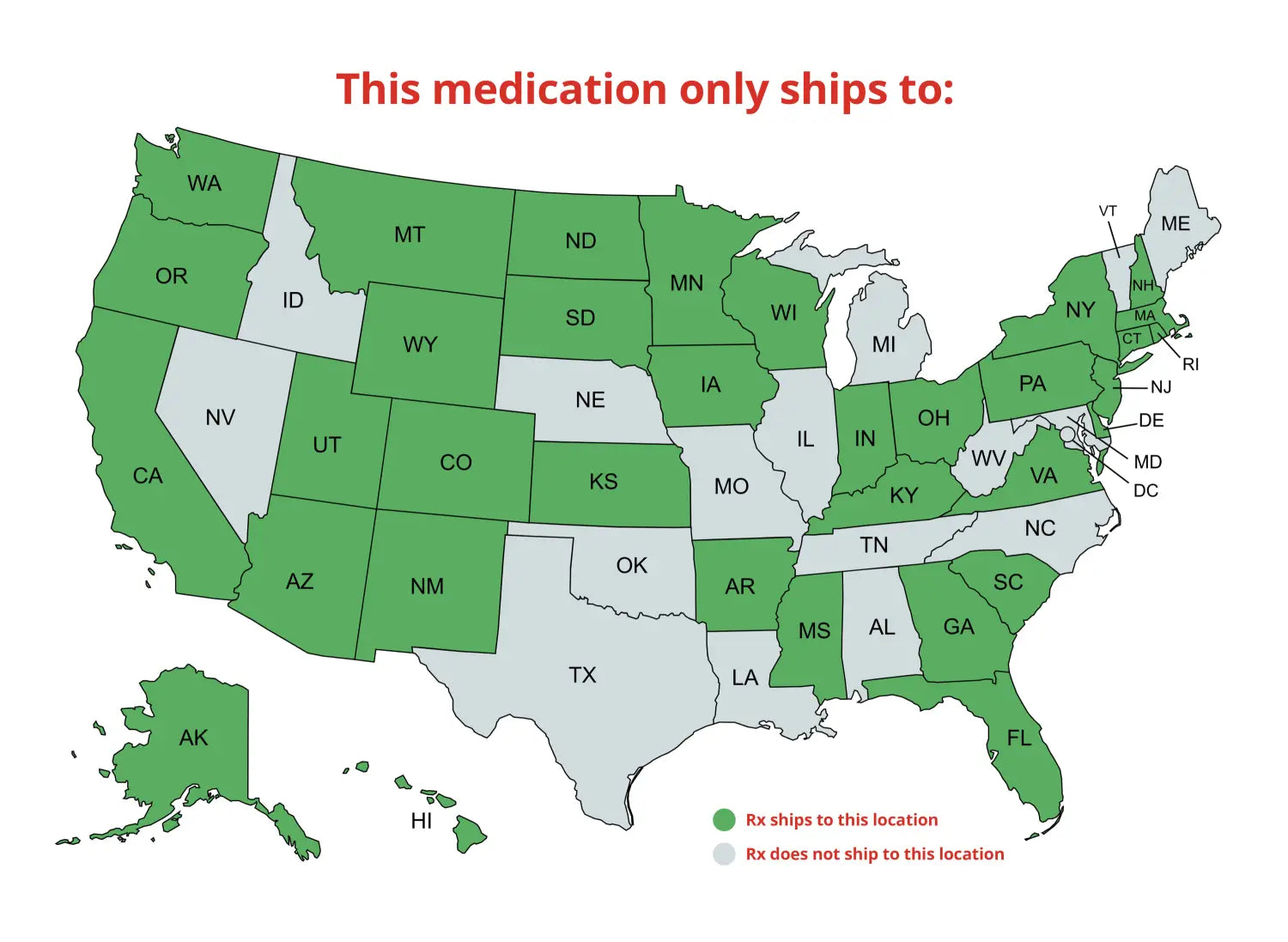
We offer ground, express, priority, and international delivery; see our shipping policy for details.
For return instructions or product concerns, please refer to our detailed refund policy.
Prescription items are NON-RETURNABLE and NON-REFUNDABLE.
Frequently Asked Questions
Q1: What is Viceton 500 mg used for in dogs?
Ans: Viceton 500 mg Tablets are commonly used to help treat bacterial infections in dogs. This includes issues like respiratory infections, urinary tract infections, gastrointestinal problems, and even secondary infections related to canine distemper. When used under the guidance of a veterinarian, it effectively targets both Gram-positive and Gram-negative bacteria.
Q2: How does chloramphenicol in Viceton work?
Ans: Chloramphenicol blocks the production of proteins in bacteria, which prevents them from growing and multiplying. This bacteriostatic effect is crucial for managing infections, as it gives the dog’s immune system a chance to effectively fight off the pathogens, especially when the medication is given according to a veterinarian's instructions.
Q3: How quickly does Viceton start working in dogs?
Ans: Viceton quickly reaches effective levels in the bloodstream after you take it orally. For most infections that are prone to respond, you can expect to see improvement within three to five days if you stick to the recommended dosage. However, it's important to complete the full treatment as your veterinarian has prescribed.
Q4: Are there any side effects of Viceton in dogs?
Ans: Some dogs may have mild and temporary side effects like vomiting or diarrhea after taking medication by mouth. These effects usually go away quickly, but any ongoing or severe symptoms should be reported to a veterinarian for further evaluation and advice.
Q5: Can Viceton be given with other antibiotics?
Ans: Viceton shouldn’t be given with certain antibiotics like penicillin or streptomycin, due to potential antagonistic interactions. Always update your veterinarian on any medications your furry friend is taking to ensure there are no issues with effectiveness or unexpected interactions during treatment.