

Product title
$19.99 | $24.99
Product title
$19.99 | $24.99
Product title
$19.99 | $24.99
Product title
$19.99 | $24.99
Anticonvulsant for Seizure Management in Dogs and Cats
Product Description
Zonisamide 100mg is a prescription anticonvulsant used off-label in dogs and cats to manage epilepsy and reduce both the frequency and severity of seizures. It can work as a standalone first-line therapy or alongside other seizure medications when control is difficult to achieve. While FDA-approved for human use, its off-label use in pets is widely accepted and considered a standard of care in veterinary neurology practice.
Benefits
- Controls Seizure Disorders: Reduces seizure frequency and severity in dogs and cats, whether used on its own or combined with other anticonvulsant medications.
- Broad-Spectrum Anticonvulsant: Effective against both primary generalised and partial-onset epilepsies in dogs, covering a wide range of seizure types.
- Works as Sole or Add-On Therapy: Suitable as the only seizure medication for many dogs, and equally effective as an added treatment when phenobarbital alone is not enough.
- Once-Daily Dosing in Cats: Thanks to its longer half-life in cats, zonisamide only needs to be given once a day, making it easier for owners to stay consistent.
- Relatively Fast Acting: Most pets begin responding to zonisamide within 1 to 2 days of starting treatment, offering fairly quick anticonvulsant activity.
- Non-Addictive for Long-Term Use: Zonisamide carries no dependency risk, making it a practical long-term choice for pets needing ongoing seizure management.
Ingredients
Active Ingredients
Zonisamide
How to Use
Zonisamide is a prescription-only medication. A valid prescription from a licensed veterinarian is required to purchase this medicine.
Please follow your veterinarian's specific instructions for dosage, frequency, and duration of treatment for your pet.
Disclaimer: Dosage and administration of this medication must be determined by a licensed veterinarian. Always consult your veterinarian before administering or adjusting any prescription medication for your pet.
Giving capsules to pets can feel tricky at first, but a pill pocket or pill wrap takes most of the stress out of it. Tuck the capsule inside and let your pet take it as a treat.
Shop Pill Pockets for Dogs | Shop Pill Pockets for Cats
Additional Information
Precautions
- Not for Pets with Liver Disease: Zonisamide must be avoided in pets with existing liver disease, as it can worsen liver function and has been linked to rare serious liver damage.
- Not for Pregnant or Breeding Animals: Studies show zonisamide causes serious heart defects in puppies born to mothers given this drug during pregnancy; avoid use in pregnant or breeding animals entirely.
- Caution with Sulfonamide Allergy: Pets with a known sensitivity to sulfonamide-based medications may face a higher risk of an allergic reaction, as zonisamide belongs to this drug class.
- Drug Interaction with Phenobarbital: Phenobarbital speeds up zonisamide clearance from the body, which may affect dosing; this interaction can continue for up to 10 weeks after phenobarbital is stopped.
- Caution in Nursing Animals: Whether zonisamide passes into maternal milk is not yet known; nursing animals should only receive this medication under direct and close veterinary supervision.
- Regular Monitoring Required: Annual blood work including a full blood count, chemistry panel, and urinalysis is recommended, along with at least two vet visits per year on this medication.
Possible Side Effects
- Sedation and Incoordination (Dogs): The most common effects in dogs are low energy, drowsiness, and unsteady walking; let your vet know if these are severe or not settling down.
- Reduced Appetite and Vomiting (Dogs): Some dogs experience decreased appetite or vomiting on this medication; giving it with food often helps reduce these stomach-related effects.
- GI Signs in Cats: Cats may show reduced appetite, loose stools, vomiting, incoordination, or sleepiness; these effects can linger for 1 to 2 days after stopping due to the drug's longer half-life in cats.
- Rare Liver Damage: Serious liver disease affects less than 1% of treated dogs; watch for complete loss of appetite, extreme lethargy, or yellowing of the skin, gums, or eyes.
- Urinary Stones and Kidney Changes: Zonisamide can shift urine pH in ways that encourage stone formation; severe kidney disease has also been reported in some dogs on this medication.
- Behavioural or Skin Changes: Aggression and skin reactions can occasionally occur in pets on this medication; report any unusual changes in behaviour or skin to your vet promptly.
Storage Information
- Store at Room Temperature: Keep zonisamide capsules at a stable room temperature, away from excessive heat to preserve their quality and effectiveness.
- Protect from Light and Moisture: Store in a dry place away from direct light exposure to maintain the stability and potency of the capsules over time.
- Keep Away from Children and Pets: Store in a secure, locked location that children and other animals in the household cannot access to prevent accidental ingestion.
Note: For generic medications, the product image shown may not reflect the actual item received. Generic medications can vary in size, color, and shape between orders depending on the manufacturer. Additionally, your medication may arrive packaged in a HardyPaw Pharmacy vial.
Shipping & Return
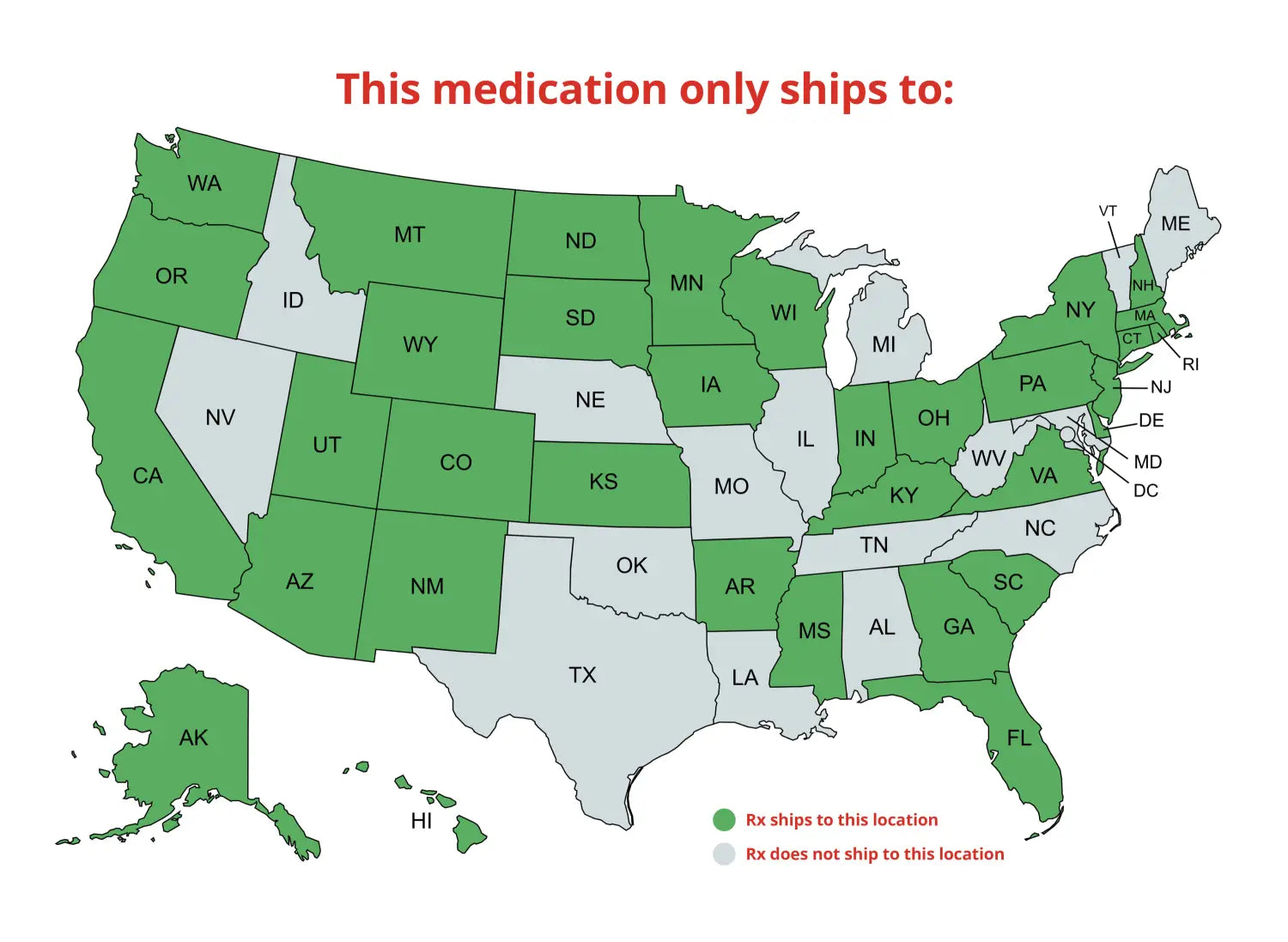
We offer ground, express, and priority delivery; see our shipping policy for details.
For return instructions or product concerns, please refer to our detailed refund policy.
Prescription items are NON-RETURNABLE and NON-REFUNDABLE.
Frequently Asked Questions
Q1: What is zonisamide 100mg used for in dogs and cats?
Ans: Zonisamide is an off-label anticonvulsant prescribed in dogs and cats to manage epilepsy and bring seizure frequency and severity under control. It works well on its own for many pets and can also be added to existing seizure treatment plans when adequate control has not been achieved.
Q2: Can zonisamide for seizures be stopped suddenly in pets?
Ans: Stopping zonisamide abruptly is not safe, as it can trigger rebound seizures in pets. Any reduction or discontinuation of this medication should always be done gradually and only under your veterinarian's direct guidance. Never adjust the dose on your own without consulting your vet first.
Q3: What are the warning signs of liver problems in pets on zonisamide?
Ans: Watch for a complete loss of appetite, sudden and severe lethargy, or a yellow tint developing in your pet's skin, gums, or eyes. These signs can point to serious liver damage, which is a rare but potentially life-threatening side effect seen in less than 1% of treated dogs.
Q4: Does phenobarbital interact with zonisamide in dogs?
Ans: Phenobarbital causes zonisamide to clear from the body faster, which can affect how well seizures are controlled and may require dose adjustments. This interaction does not stop right away when phenobarbital is discontinued and can carry on for as long as 10 weeks afterward.
Q5: Is zonisamide safe for pregnant or nursing dogs and cats?
Ans: Zonisamide must not be given to pregnant animals, as research has shown it causes serious heart defects in offspring born to mothers who received this drug during pregnancy. Use in nursing animals is only considered when a vet determines the benefit clearly outweighs any potential risk involved.
Clinical Research
https://www.accessdata.fda.gov/drugsatfda_docs/label/2016/020789s034lbl.pdf